
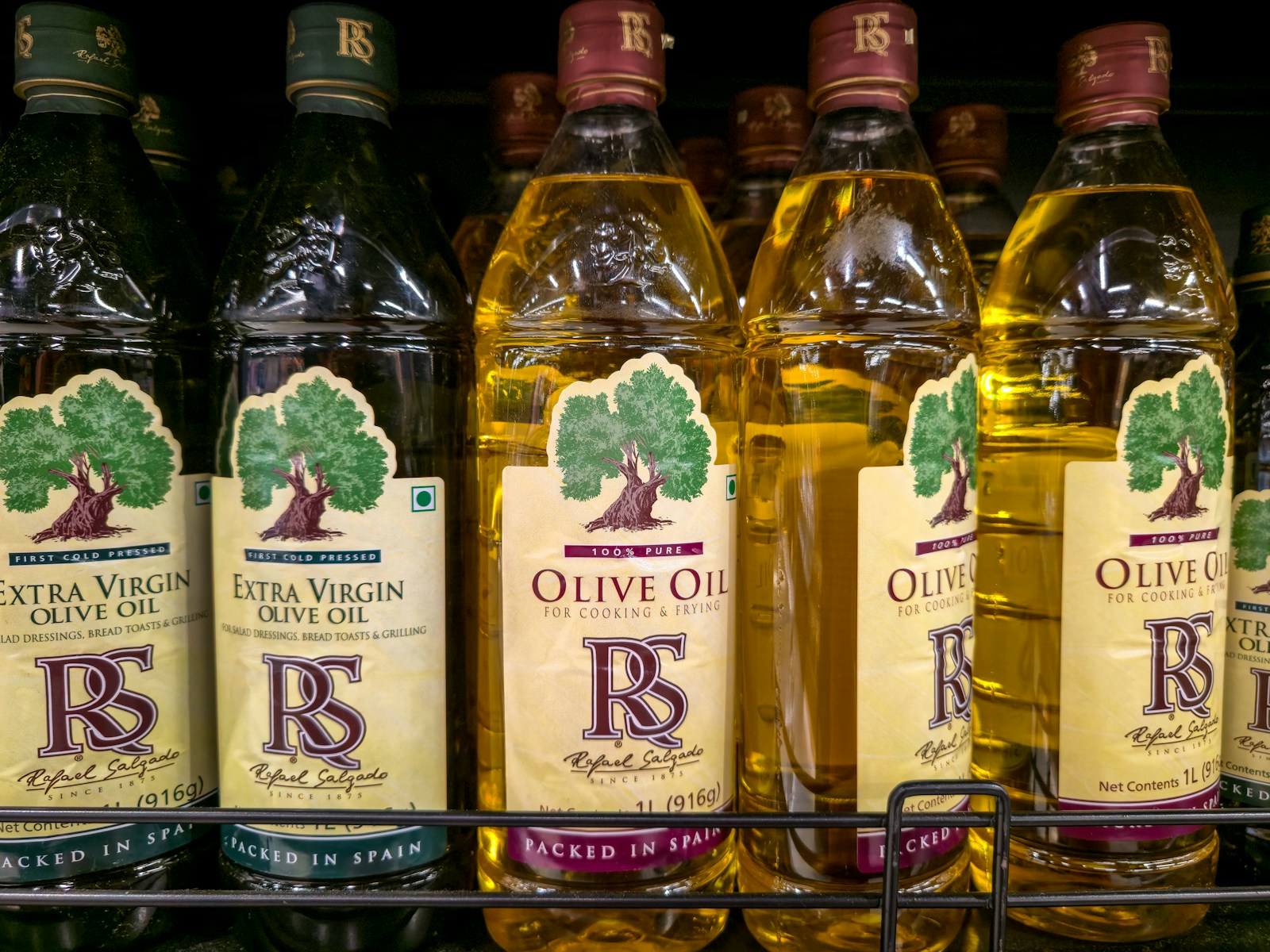
Cooking oil is one of the most-used ingredients in the kitchen, yet many people give little thought to which one they choose. Different oils vary significantly in their nutritional value, smoke points, and how heavily they’re processed.
While no cooking oil is perfect, some offer more heart-healthy fats and beneficial nutrients than others. Here are five oils nutrition experts generally recommend limiting, followed by ten healthier options worth keeping in your pantry.
15. Avoid: Cottonseed Oil

Cottonseed oil is one of the most heavily processed oils on the market. Because cotton is primarily grown as a textile crop rather than a food crop, concerns have historically existed about pesticide exposure during cultivation.
The oil is also high in omega-6 fatty acids and offers few nutritional advantages compared to healthier alternatives. If you have other options available, it’s usually worth choosing them.
14. Avoid: Palm Oil

Palm oil isn’t necessarily the worst oil for your health, but it lands low on this list due to its high saturated fat content and environmental concerns.
Large-scale palm oil production has been linked to deforestation and habitat loss in some parts of the world. If you use palm oil, look for products certified through sustainable sourcing programs.
13. Avoid: Corn Oil

Corn oil is commonly used for frying thanks to its high smoke point, but it is highly refined and provides relatively few nutritional benefits.
Like many refined seed oils, it’s rich in omega-6 fatty acids and lacks the antioxidants and beneficial compounds found in less-processed oils.
12. Avoid: Soybean Oil
Soybean oil is one of the most widely consumed cooking oils in the United States, largely because it’s inexpensive and versatile.
However, it’s often heavily refined and commonly found in processed foods. While moderate consumption isn’t likely to cause harm, many nutrition experts recommend prioritizing oils with stronger nutritional profiles.
11. Avoid: Vegetable Oil
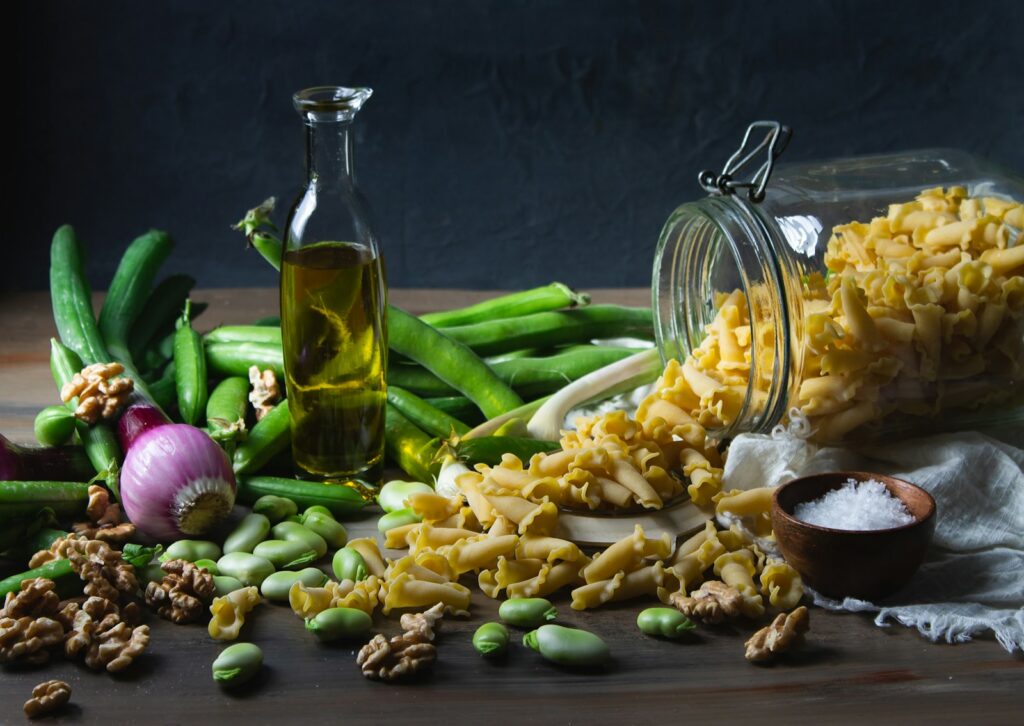
“Vegetable oil” is often a catch-all term that refers to a blend of highly refined oils such as soybean, corn, canola, or cottonseed oil.
Because the exact blend can vary by manufacturer, quality, and nutritional value can vary as well. In general, less-processed oils are often a better choice.
10. Use: Coconut Oil
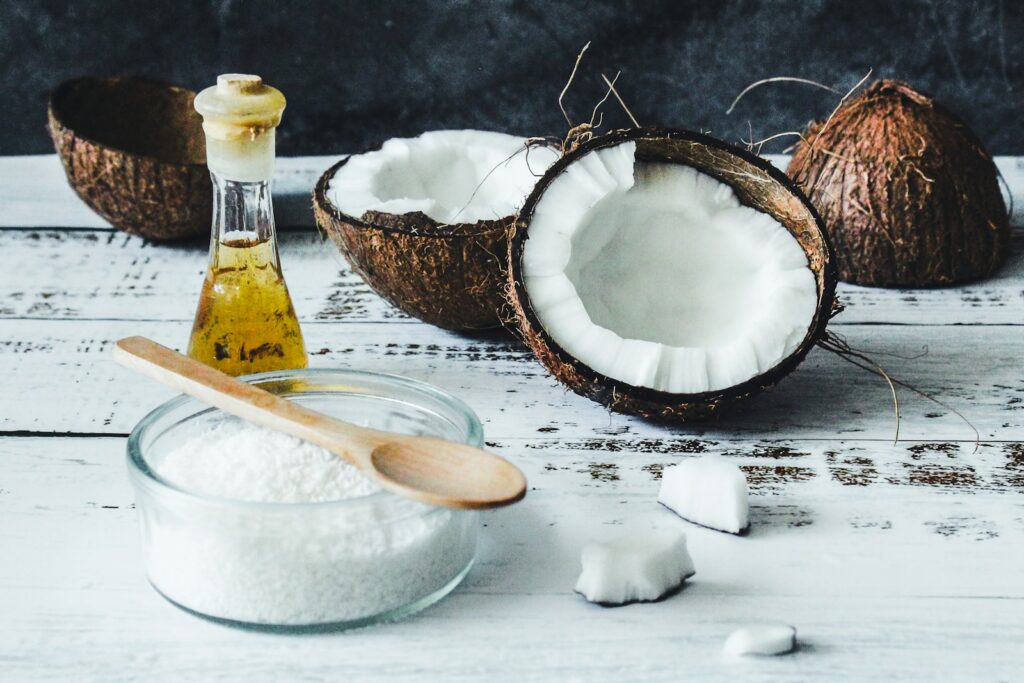
Coconut oil has become a wellness favorite over the past decade, but it’s also one of the most debated oils among nutrition experts.
While it remains high in saturated fat, it is relatively stable during cooking and can add a pleasant flavor to baked goods and certain savory dishes. Most experts recommend using it in moderation rather than as your primary cooking oil.
9. Use: Grapeseed Oil

Grapeseed oil has a light flavor and a moderately high smoke point, making it useful for sautéing and baking.
It also contains vitamin E and polyunsaturated fats. While it’s not as nutrient-dense as some of the oils higher on this list, it’s a versatile option for many kitchens.
8. Use: High-Oleic Sunflower Oil
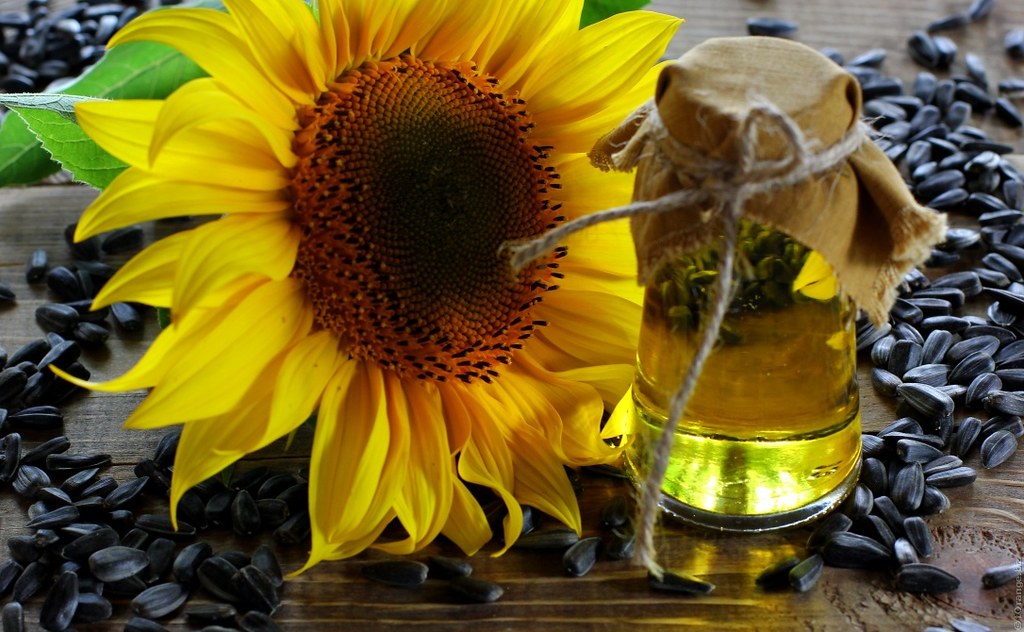
Not all sunflower oils are created equal.
High-oleic sunflower oil contains more heart-healthy monounsaturated fats than traditional sunflower oil and performs well at higher cooking temperatures. It’s often a better choice than many refined vegetable oils.
7. Use: Peanut Oil
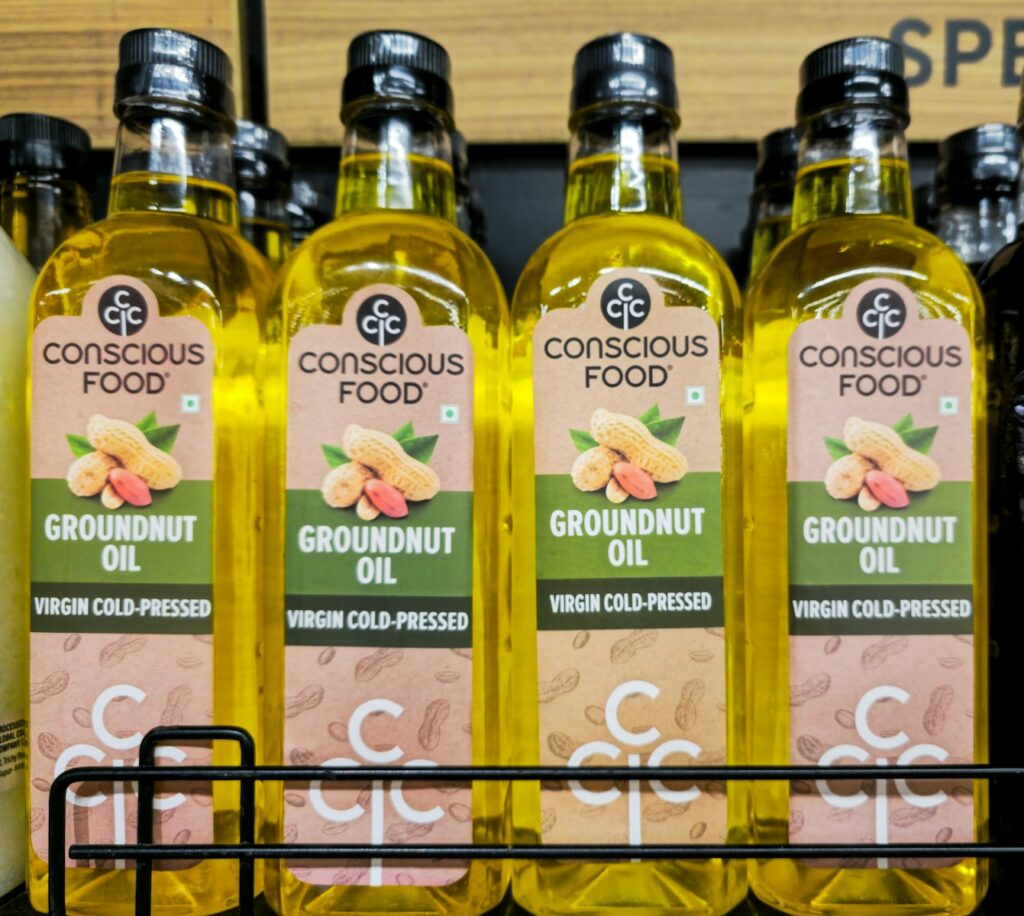
Peanut oil has long been popular for frying thanks to its high smoke point and mild flavor.
It contains a good balance of monounsaturated and polyunsaturated fats, making it a reasonable option for high-heat cooking when used in moderation.
6. Use: Canola Oil

Canola oil has been extensively studied and is generally considered one of the healthier refined cooking oils.
It’s relatively low in saturated fat and contains omega-3 fatty acids. Its neutral flavor and versatility make it a practical choice for everything from baking to sautéing.
5. Use: Sesame Oil
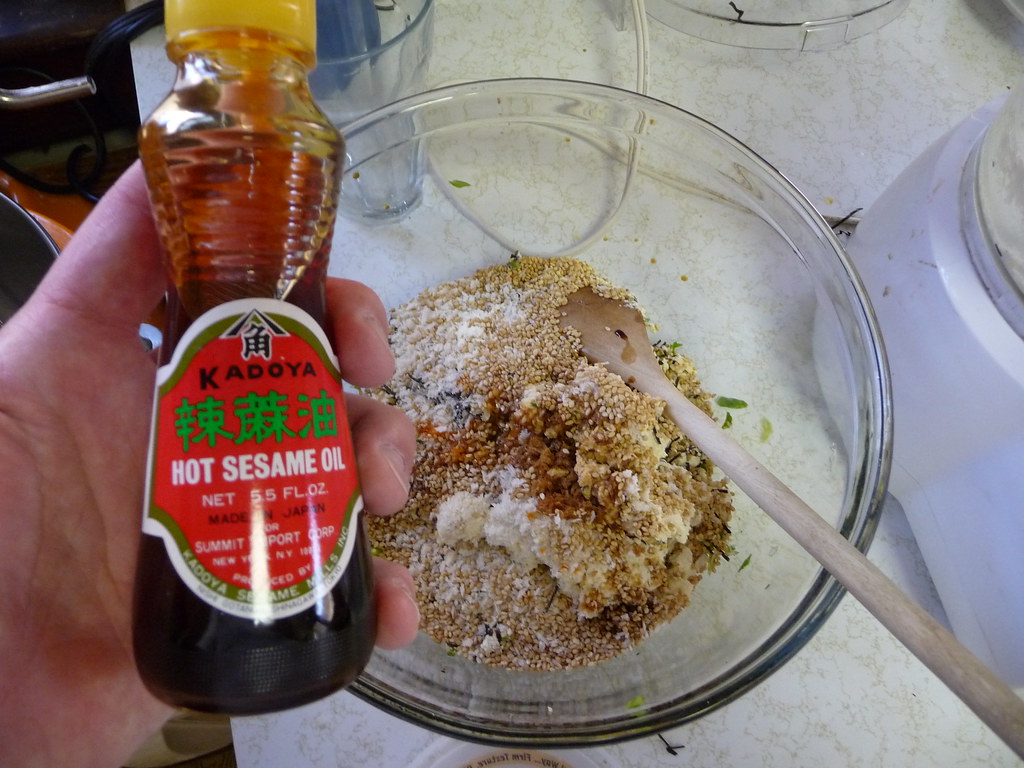
Sesame oil brings both flavor and nutrition to the table.
Rich in antioxidants and healthy fats, it can be used for cooking or as a finishing oil. Toasted sesame oil is especially popular in Asian cuisine, where a little goes a long way.
4. Use: Flaxseed Oil

Flaxseed oil is one of the richest plant-based sources of omega-3 fatty acids.
Because heat can damage these delicate fats, flaxseed oil is best used in salad dressings, smoothies, or drizzled over finished dishes rather than for cooking.
3. Use: Walnut Oil

Walnut oil is another excellent source of omega-3 fatty acids and beneficial plant compounds.
Its rich, nutty flavor makes it ideal for salad dressings, roasted vegetables, and finishing dishes. Like flaxseed oil, it’s best used without high heat.
2. Use: Avocado Oil

Avocado oil has become increasingly popular among health-conscious cooks—and for good reason.
It’s rich in monounsaturated fats, contains vitamin E, and boasts one of the highest smoke points of any cooking oil. That makes it suitable for everything from sautéing and roasting to grilling and frying.
1. Use: Extra Virgin Olive Oil
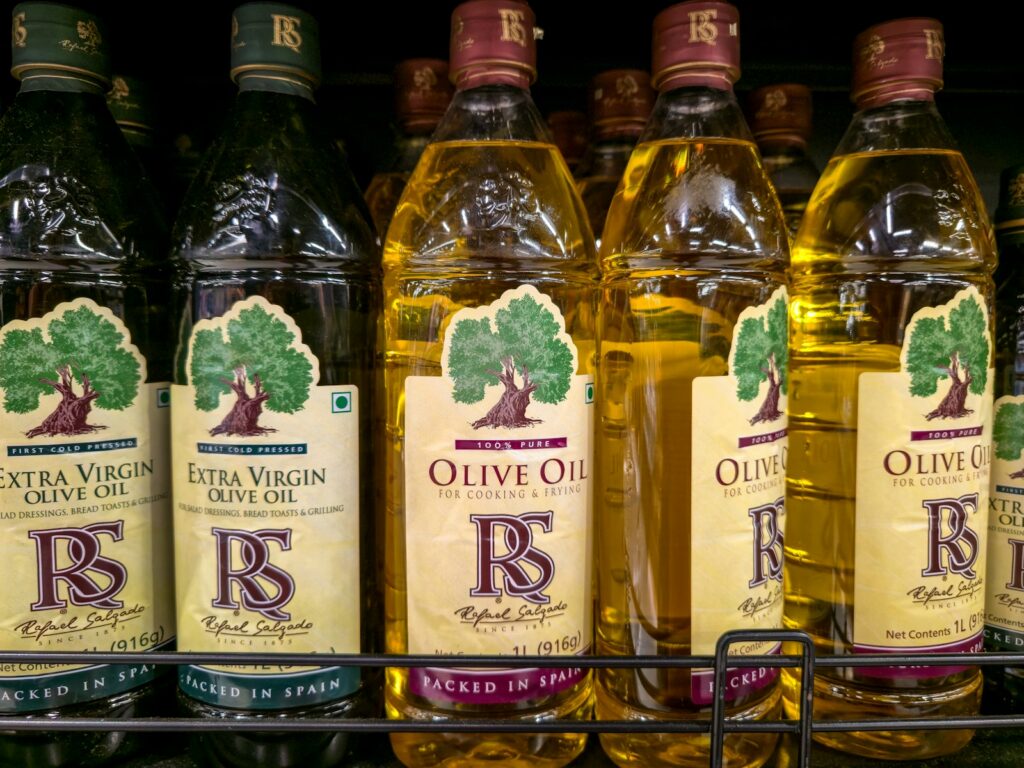
Extra virgin olive oil remains the gold standard of healthy cooking oils.
A cornerstone of the Mediterranean diet, it’s rich in heart-healthy monounsaturated fats and powerful antioxidants. Research consistently links olive oil consumption with better cardiovascular health and overall longevity.
For salad dressings, dipping, roasting, sautéing, and everyday cooking, it’s hard to beat.
Read More:
- These 15 “Healthy” Foods Are Way More Popular Than They Are Tasty
- Think You Avoid GMOs? These 10 Foods Might Surprise You
- 10 Common Foods That May Help Reduce Inflammation