No single food can prevent illness or “boost” your immune system overnight. But a balanced diet rich in vitamins, minerals, and antioxidants can support normal immune function and help your body respond more effectively to infections.
Here are 15 foods that can help support a healthy immune system.
Broccoli
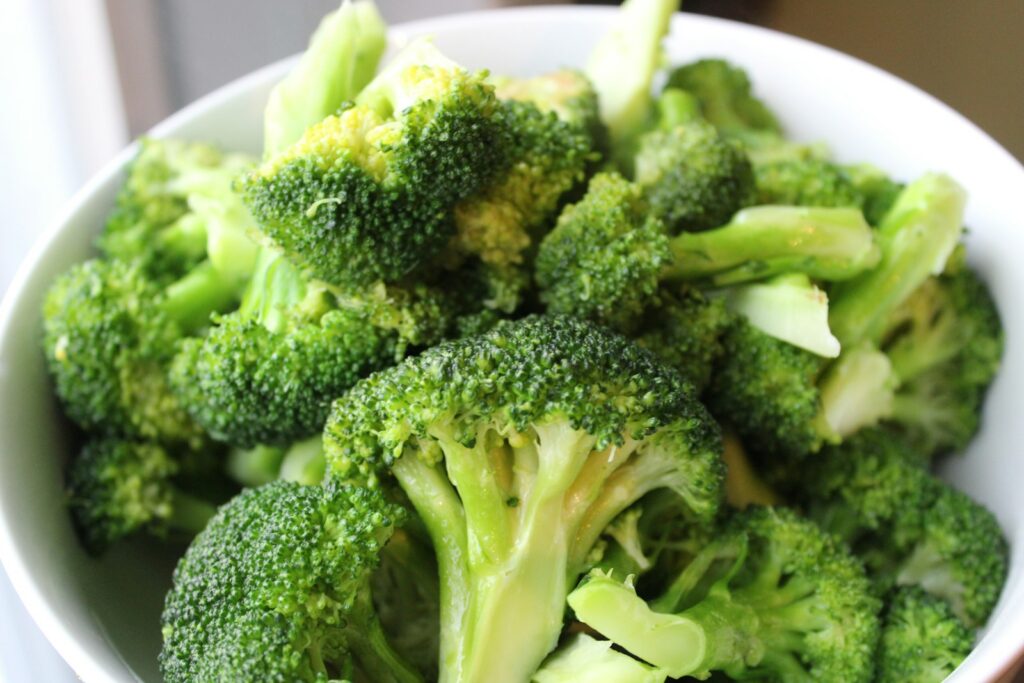
Broccoli is packed with nutrients, including vitamins C, A (from beta-carotene), and E, along with fiber and antioxidants.
Lightly steaming broccoli helps preserve many of these nutrients while making it easier to digest.
Garlic
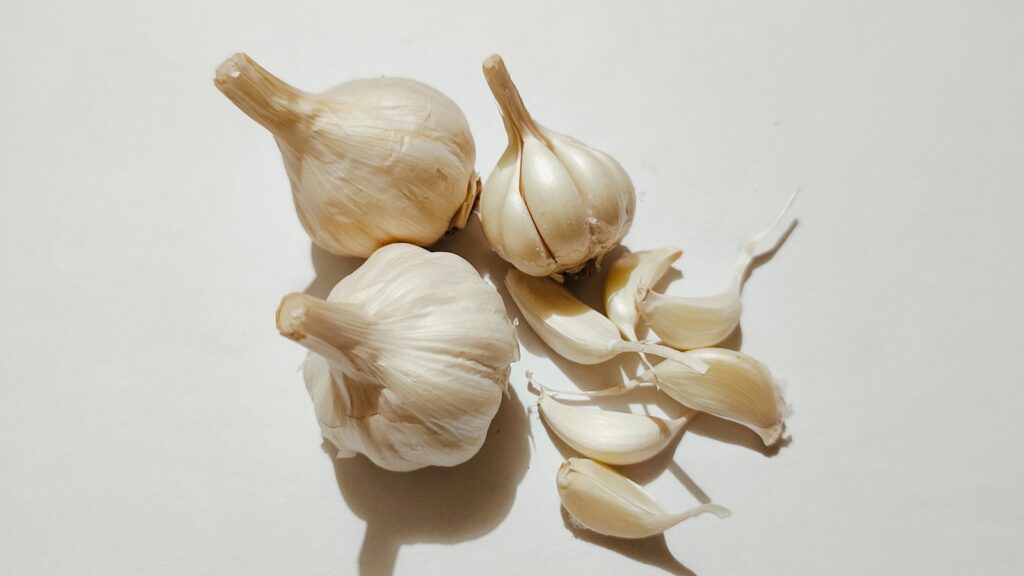
Garlic contains sulfur compounds like allicin, which have been studied for their potential immune-supporting and antimicrobial properties.
It may also contribute to heart health, including modest effects on blood pressure.
Citrus Fruits
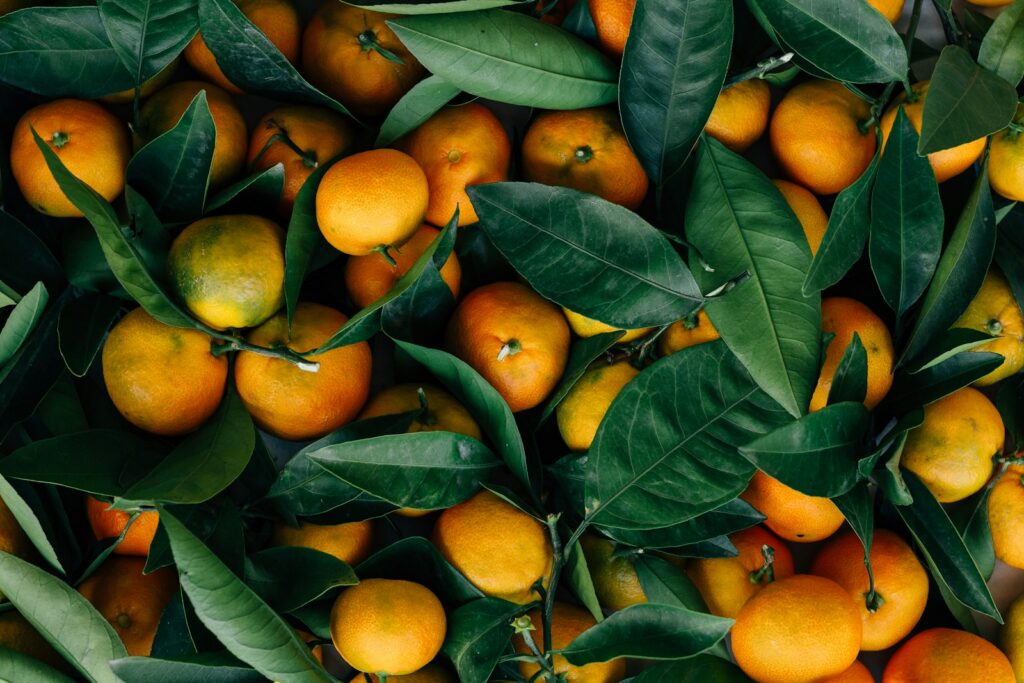
Citrus fruits like oranges, grapefruits, lemons, and tangerines are rich in vitamin C, which plays an important role in immune function.
While vitamin C doesn’t cure colds, getting enough may help reduce the duration or severity of symptoms in some people.
Red Bell Peppers
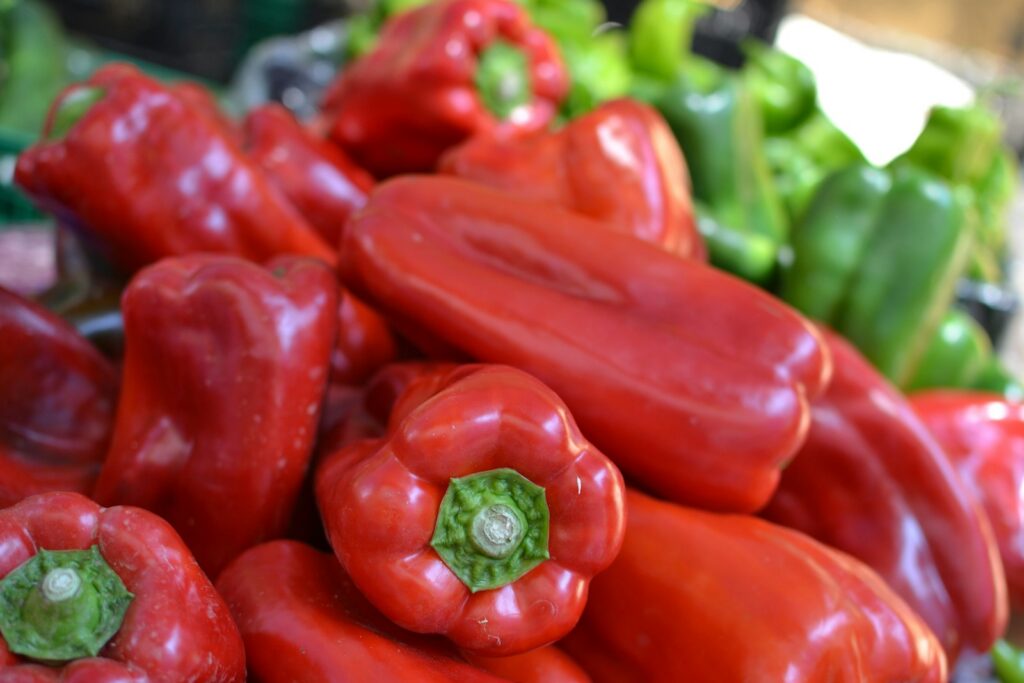
Red bell peppers are an excellent source of vitamin C—often providing more per serving than citrus fruits.
They’re also rich in beta-carotene, which the body converts into vitamin A to support skin and eye health.
Spinach
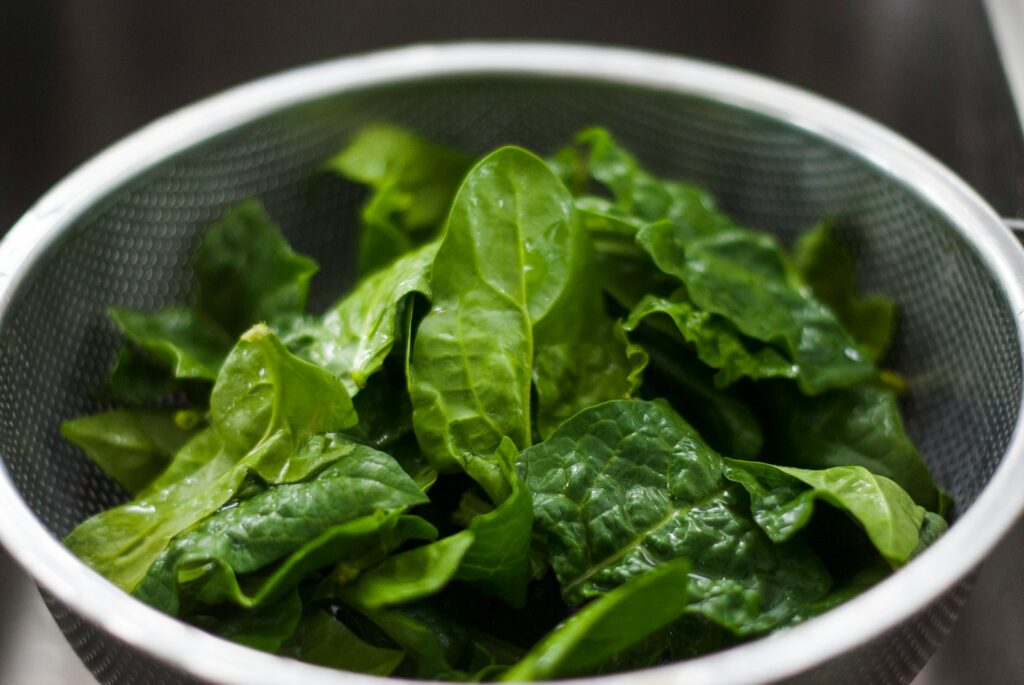
Spinach contains vitamin C, beta-carotene, and a range of antioxidants.
Light cooking can improve the absorption of some nutrients, though overcooking may reduce vitamin content.
Ginger
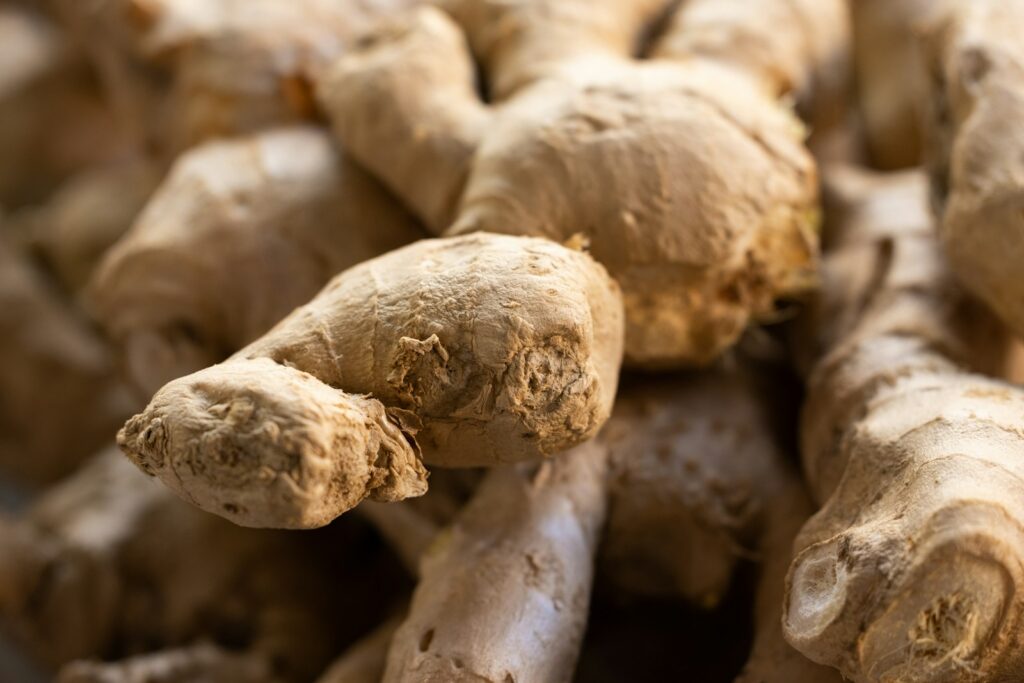
Ginger is commonly used to help with nausea and may have mild anti-inflammatory effects.
It’s often included in teas or meals for both flavor and potential health benefits.
Shellfish

Shellfish like oysters, crab, and mussels are rich in zinc, a mineral essential for immune cell function.
Getting enough zinc supports normal immune responses, though more isn’t always better—balance matters.
Almonds
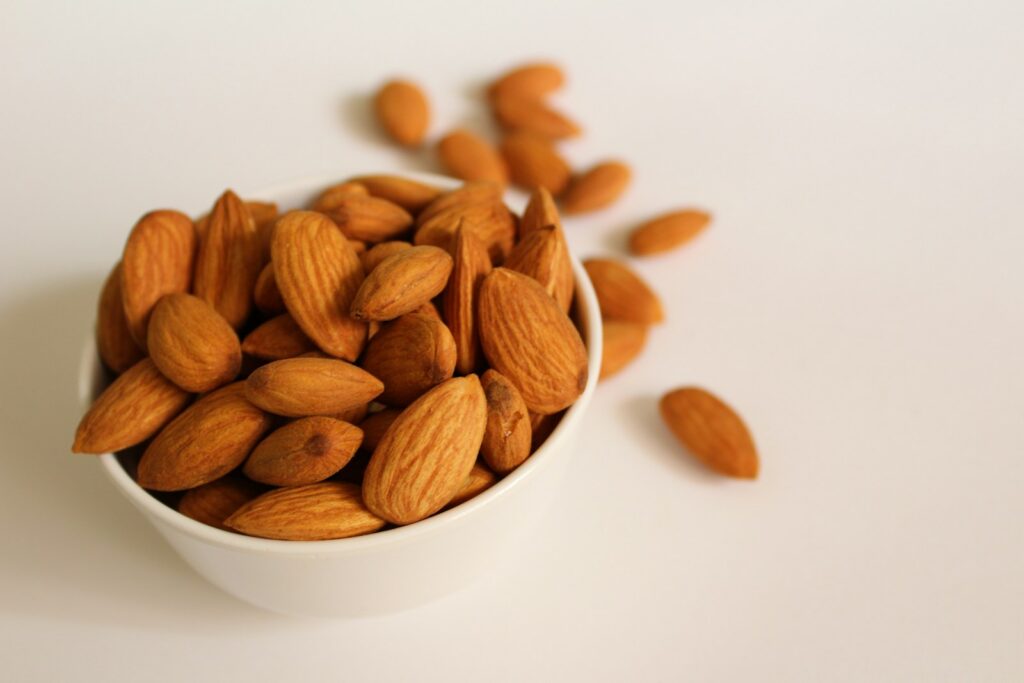
Almonds are a great source of vitamin E, an antioxidant that helps protect cells from damage.
They also provide healthy fats and can be an easy, nutrient-dense snack.
Green Tea

Green tea contains antioxidants, including EGCG (epigallocatechin gallate), which has been studied for its potential anti-inflammatory and immune-supporting effects.
While promising, these effects are best viewed as supportive rather than curative.
Yogurt
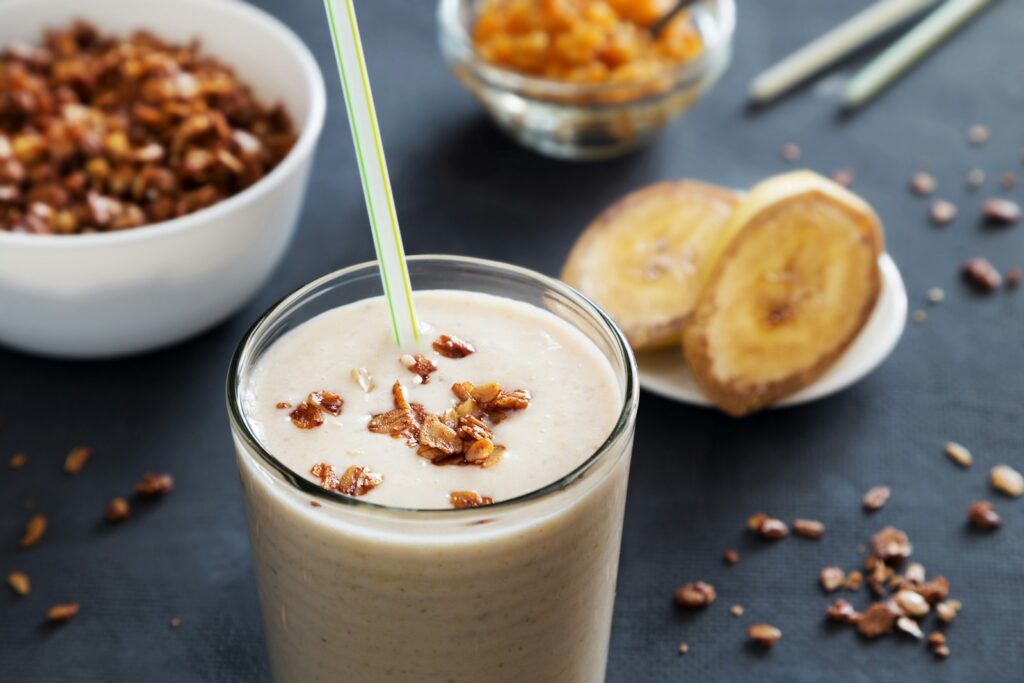
Yogurt with live and active cultures contains probiotics, which help support gut health.
Since a large portion of the immune system is linked to the gut, maintaining a healthy microbiome can play a role in overall immune function.
Sunflower Seeds
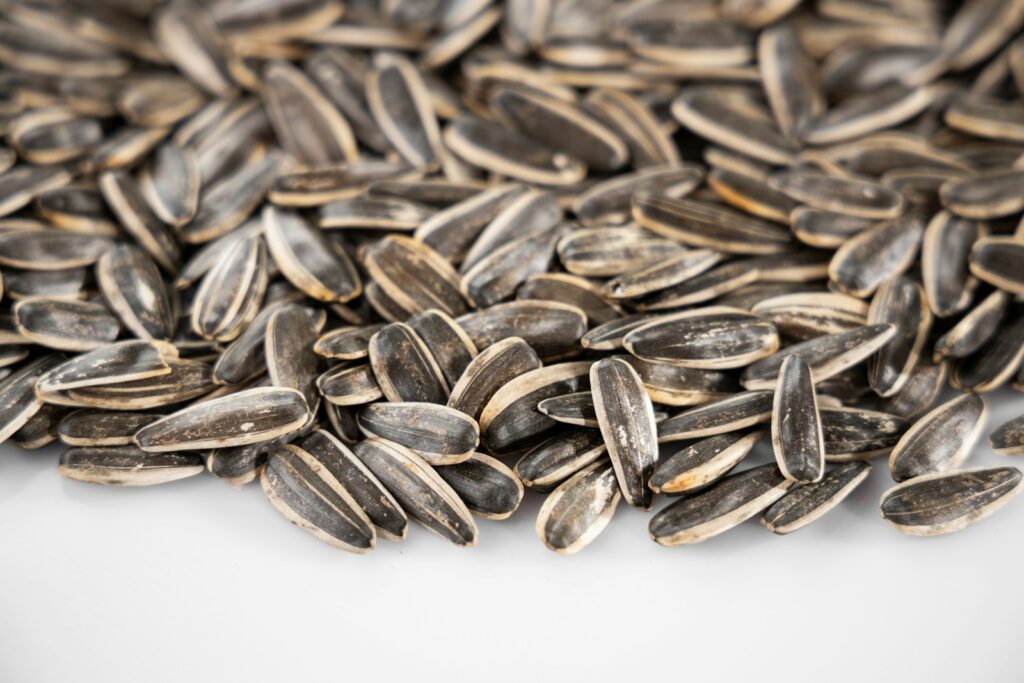
Sunflower seeds are rich in vitamin E, vitamin B6, and minerals like magnesium.
These nutrients support various immune processes and make for an easy addition to meals or snacks.
Chicken

Chicken is a good source of vitamin B6, which plays a role in immune system function.
Chicken soup, in particular, may help with hydration and symptom relief when you’re sick, though it’s not a cure.
Turmeric
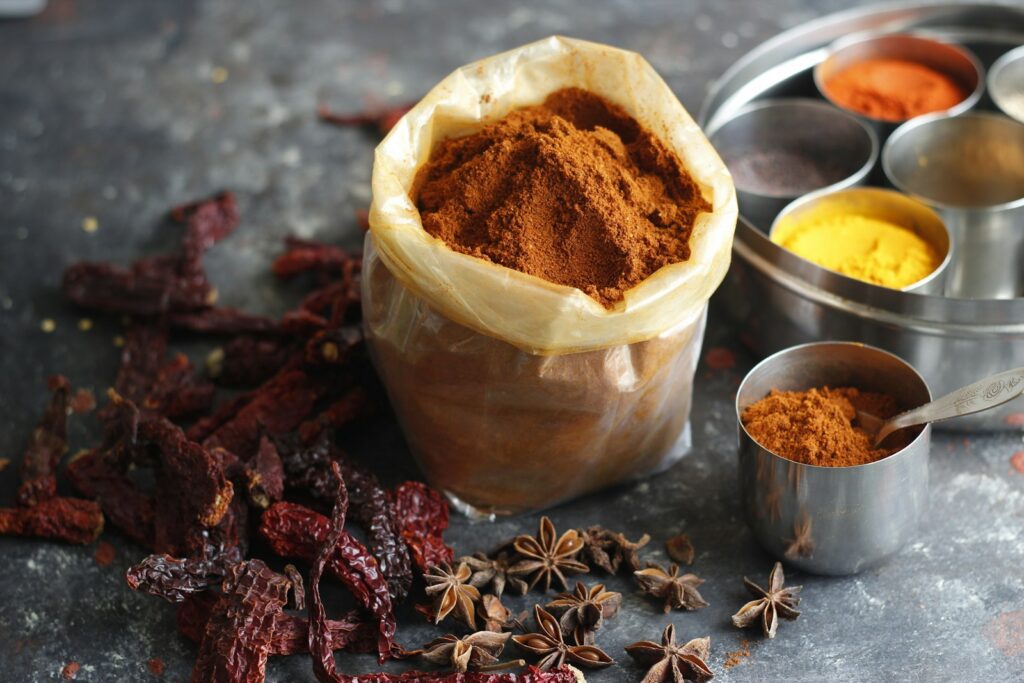
Turmeric contains curcumin, a compound with anti-inflammatory properties.
While it’s widely studied, its effects in food form are relatively modest unless consumed regularly and in combination with ingredients like black pepper.
Papaya
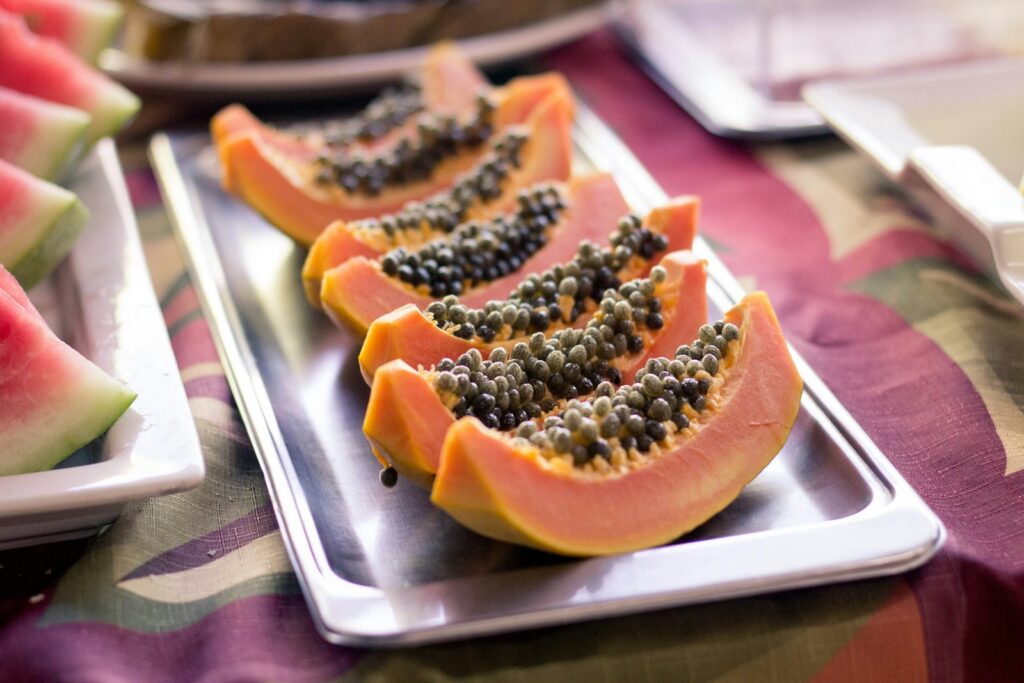
Papaya is rich in vitamin C—often providing more than 100% of your daily needs in a single serving.
It also contains digestive enzymes and nutrients like folate and potassium.
See 10 Surprising Foods That Can Improve Your Digestion for more food-based wellness tips.
Kiwi
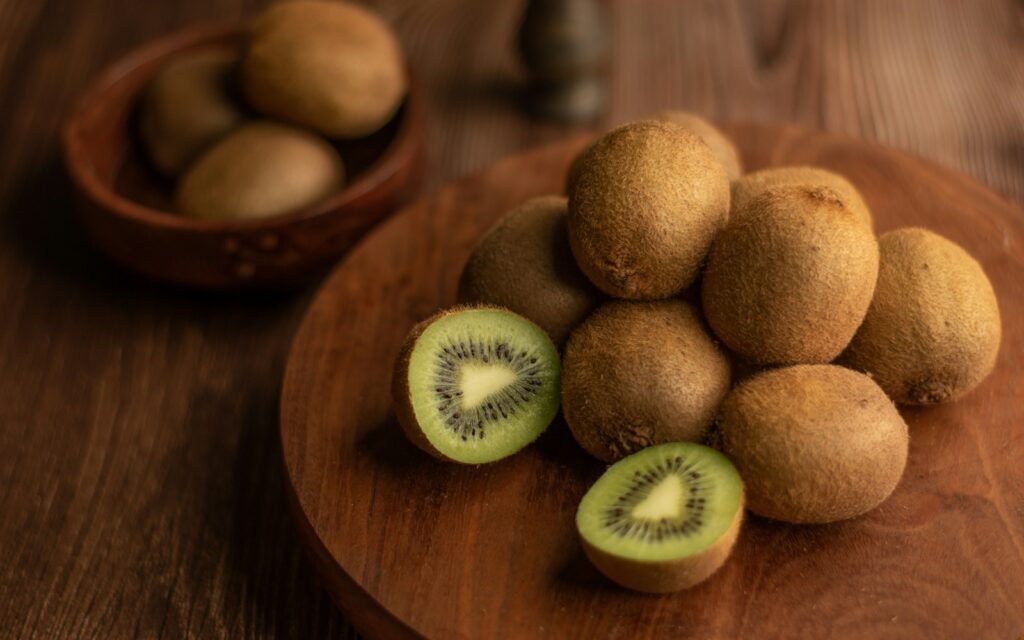
Kiwi is packed with vitamin C, vitamin K, potassium, and folate.
Its nutrient density makes it a strong addition to a diet focused on supporting immune health.
Explore 10 Foods That Have More Vitamin C Than Oranges for more vitamin C-rich foods.
The Bottom Line
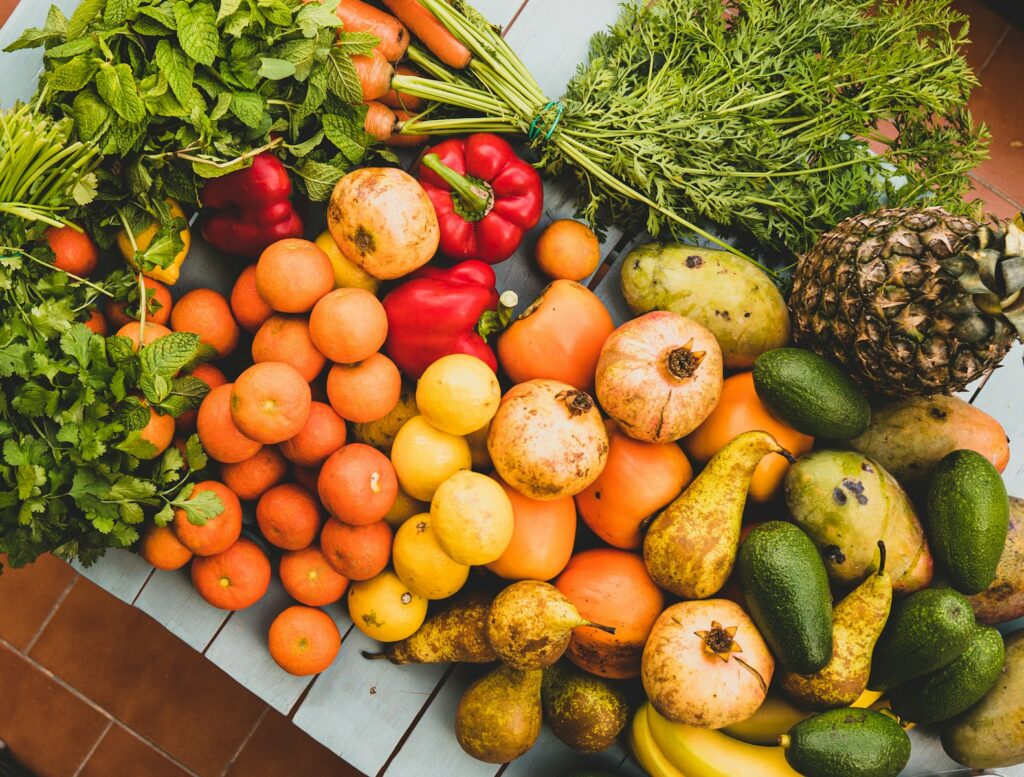
A strong immune system isn’t built on a single “superfood.” It’s supported by a consistent, balanced diet rich in whole foods.
Fruits, vegetables, lean proteins, healthy fats, and nutrient-dense snacks all work together to help your body function at its best.
Check 10 Foods That Support Brain Health (Backed by Science) for more healthy food picks.