Baby Boomers, who were born from 1946 to 1964, grew up in a world that worked very differently from today’s phone-in-hand default. Many of these habits were not exclusive to Boomers, but they were a normal part of daily life before the internet, smartphones, and on-demand everything changed the routine.
These 15 examples show how much ordinary life used to depend on patience, paper, and physical tools. Gen Z can still use many of them in theory. In practice, some now feel like props from a period movie.
15. Dialing a phone with a rotary wheel
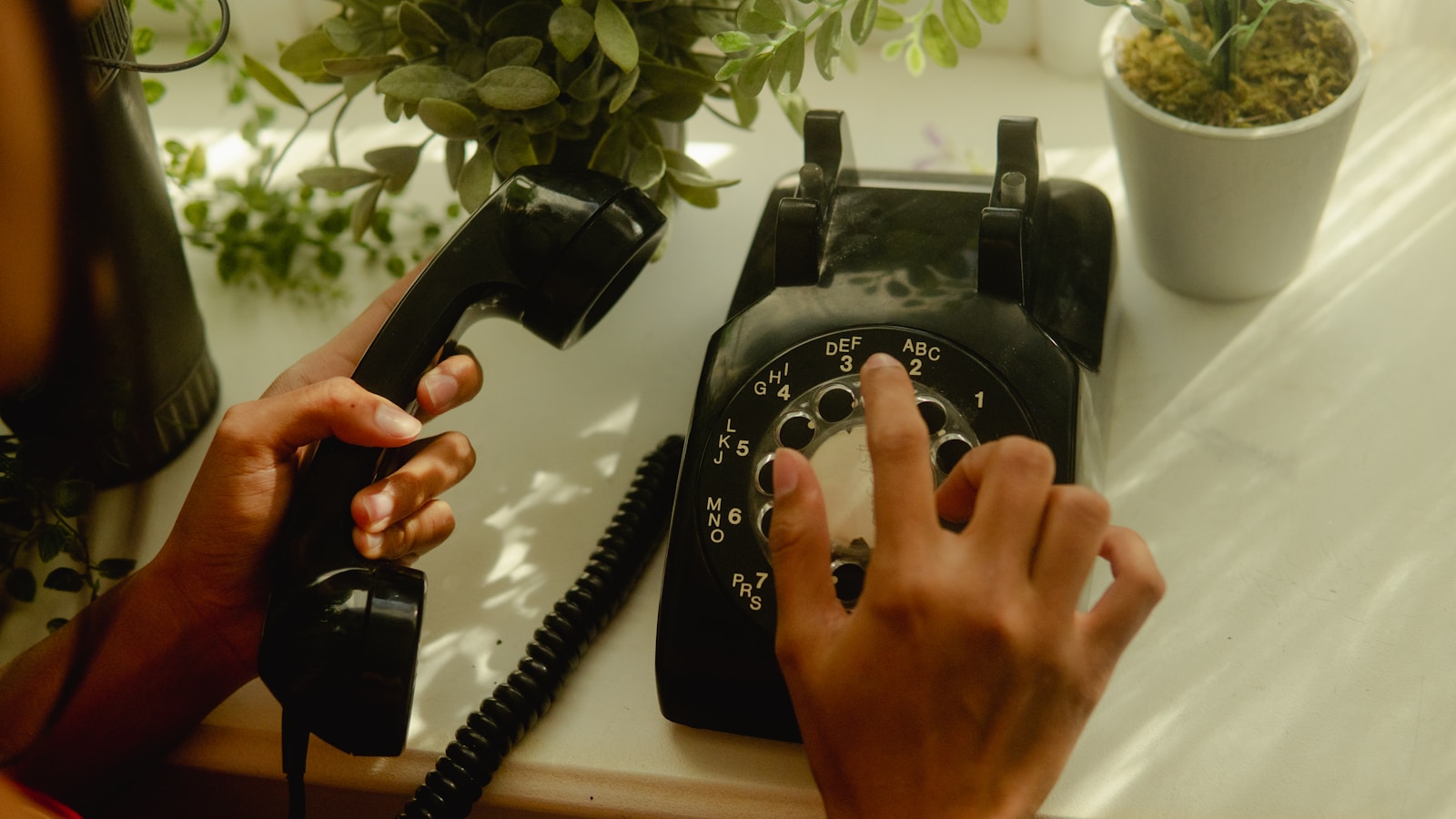
A phone call once meant placing your finger in a numbered hole and turning the dial for every digit. If you made a mistake, you started over. It worked fine for its time, but speed was not exactly the selling point.
14. Navigating with paper maps

Before GPS, people planned trips with folded road maps and written directions. Missing a turn could mean pulling over, refolding a giant sheet of paper, and trying to figure out where things went wrong without a calm voice rerouting you.
13. Typing on manual typewriters
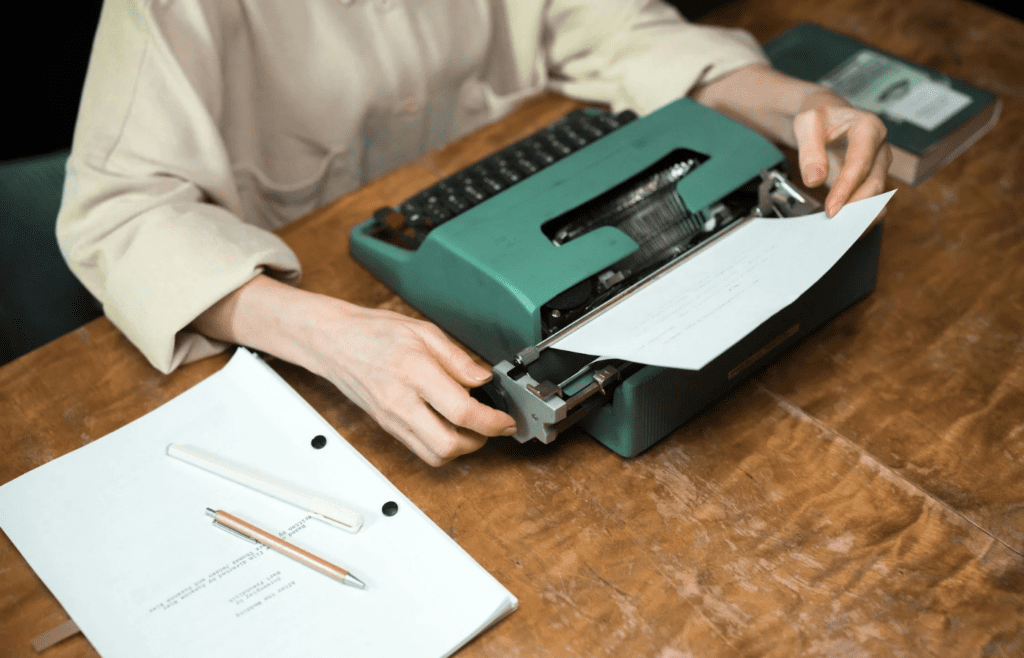
Typewriters were a standard writing tool long before personal computers took over, and commercial models were on the market by the 1870s. Every keystroke hit the paper directly through an inked ribbon, so mistakes were harder to hide and much harder to love. The sound was satisfying, but the corrections were not.
12. Hunting down a payphone
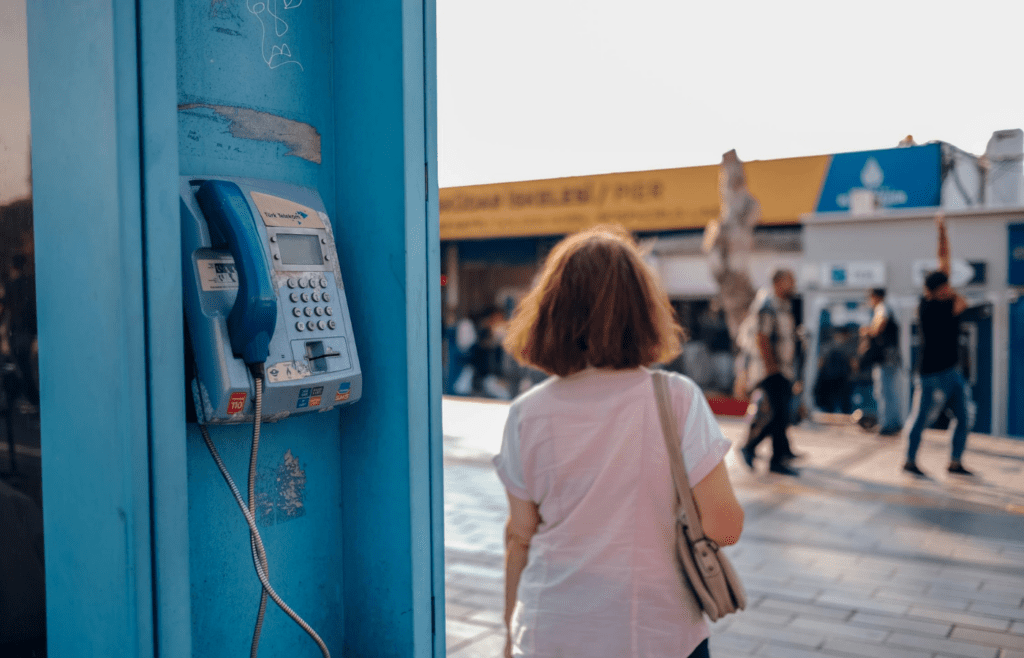
Payphones were once a basic part of public life, especially before mobile phones became common. The FCC has noted how steeply they declined as cell service took over, which helps explain why many younger people encounter them so rarely now. Carrying coins used to count as communication prep.
11. Looking things up in encyclopedias
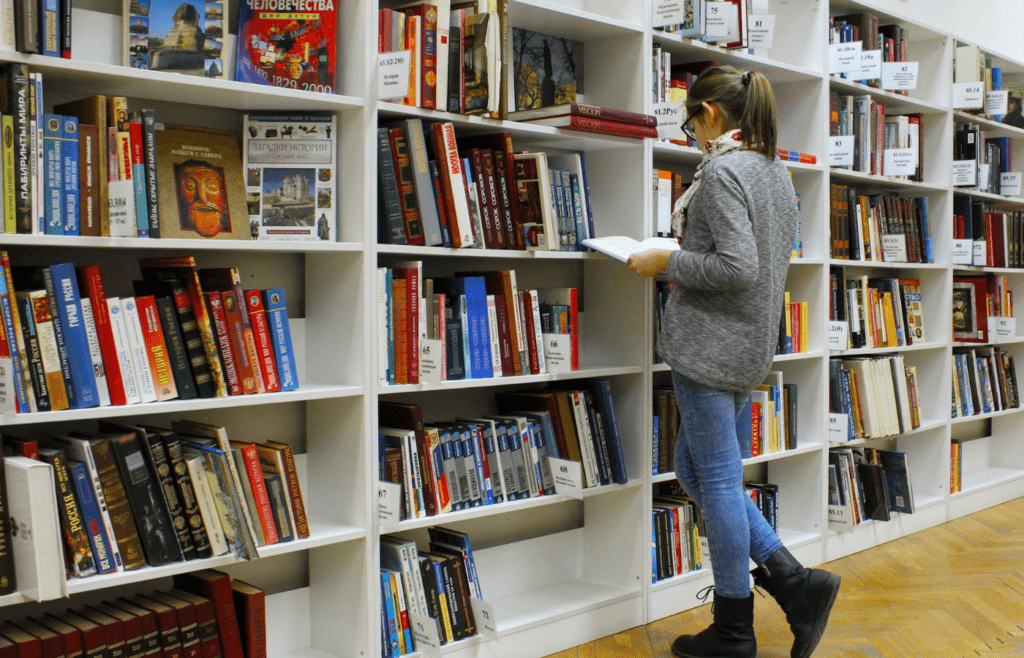
Research once meant pulling a heavy volume off a shelf and flipping to the right letter. Families bought encyclopedia sets because they were one of the most practical ways to keep information at home before the web made updates instant.
10. Waiting for photos to be developed
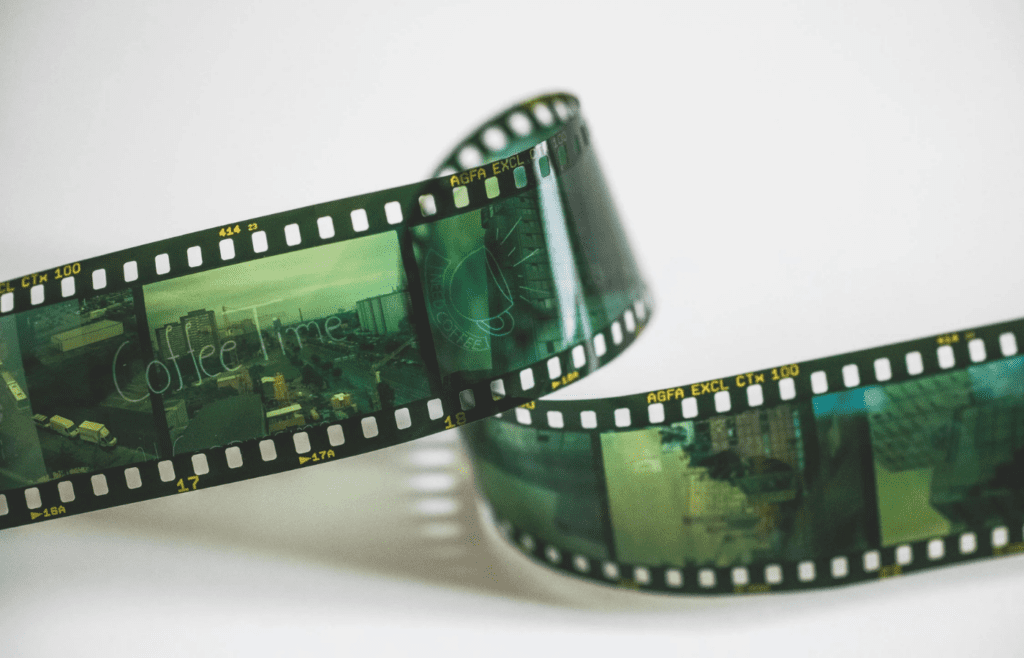
Film cameras gave you a limited number of shots, and there was no screen to check whether anyone blinked. You finished the roll, dropped it off, and waited to see what you actually captured.
9. Making mixtapes on cassette
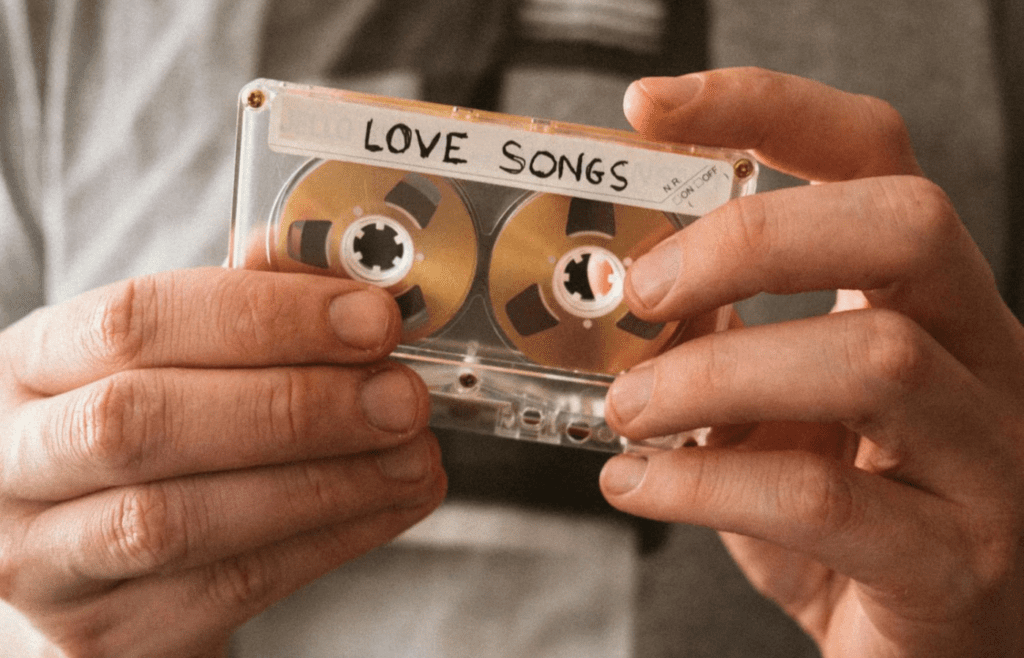
Recording songs onto cassette tapes took time, patience, and a willingness to forgive the occasional DJ interruption. You had to catch the song live, press record fast enough, and accept that perfection was unlikely. Mixtapes were personal, like a small project.
8. Using a phone book to find numbers

Phone numbers once lived in thick printed directories delivered to homes and businesses. If you needed a number, you looked it up alphabetically and hoped the listing was up to date. It was searchable, technically. Just not instantly.
7. Watching TV on the network’s schedule
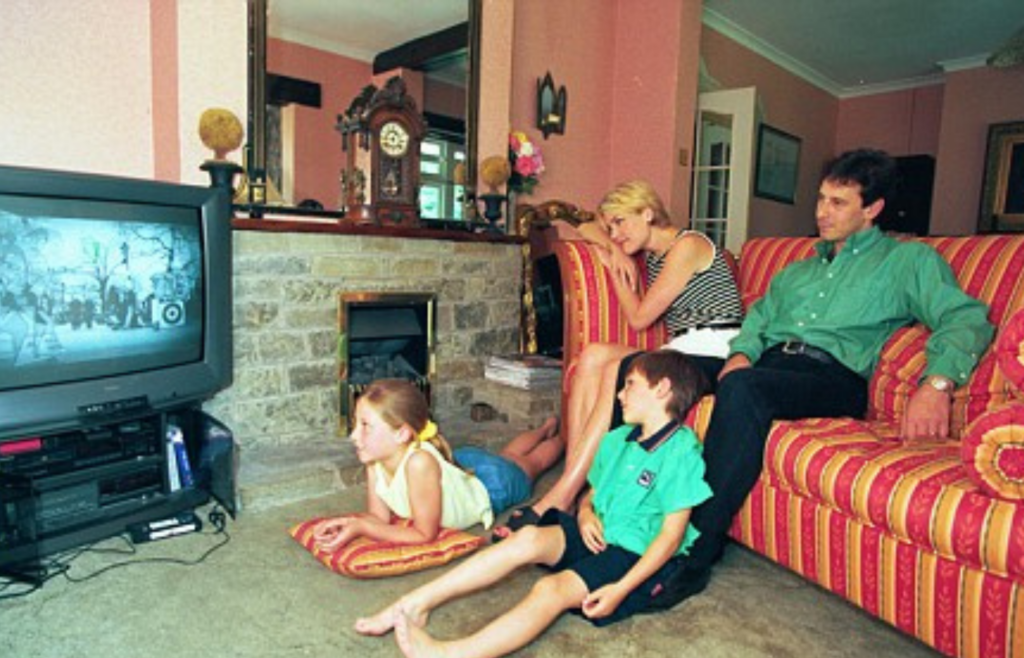
Shows used to air at a fixed time, and missing them often meant waiting for a rerun. Families really did plan evenings around television because there was no streaming queue sitting there patiently in the background. Appointment TV was a real thing for boomers.
6. Saving files on floppy disks
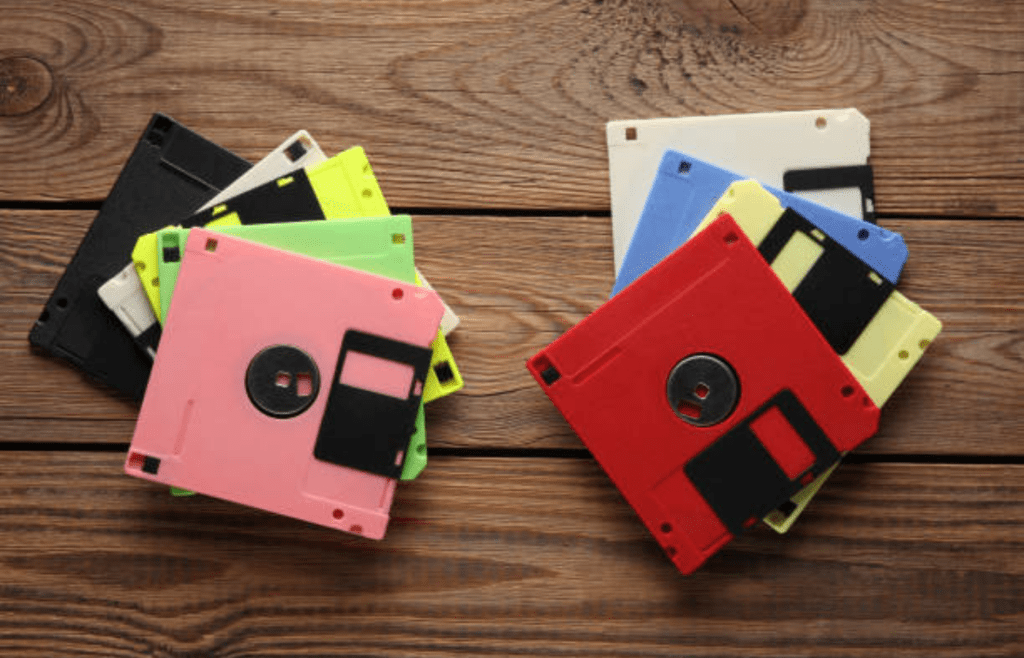
Floppy disks once handled everyday file storage and transfer, even though their capacity looks tiny now. They were useful, fragile, and easy to misplace, which is a combination modern cloud storage was happy to replace. Many younger people know the shape mainly as the save icon.
5. Writing and mailing letters by hand

Long-distance communication often meant paper, envelopes, stamps, and a wait that could last days or weeks. Writing a letter took more effort, but it also slowed people down in a way texting never does. It was more deliberate. It was also much harder to unsend.
4. Using carbon paper to make copies
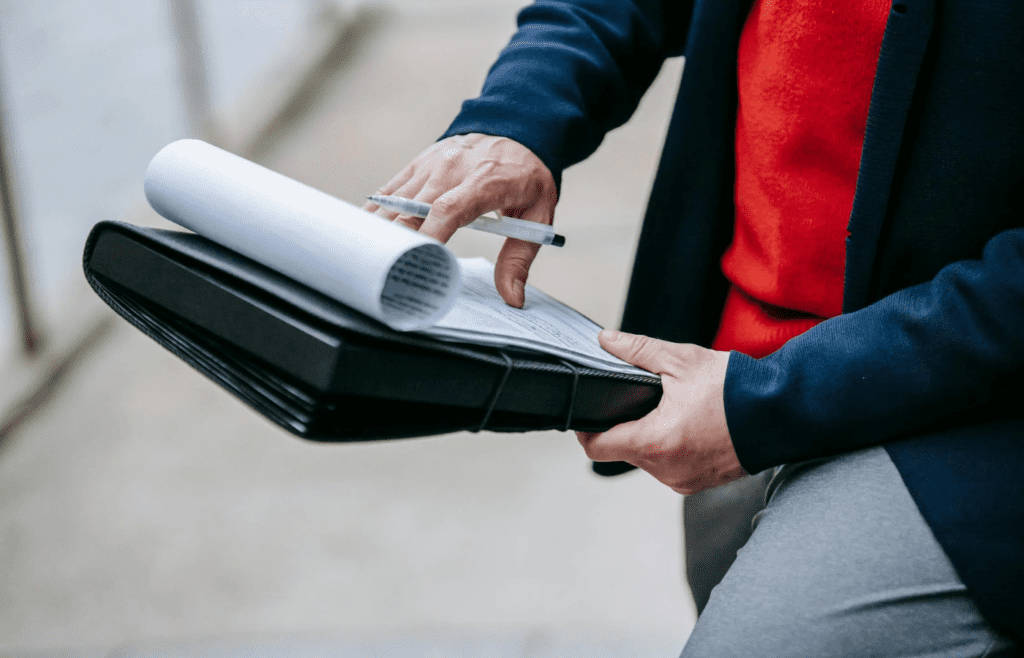
Before copying became effortless, carbon paper helped people make duplicates while writing or typing. You stacked the pages carefully, pressed hard enough to transfer the text, and hoped the extra copy came out readable.
3. Waiting by the radio for one specific song
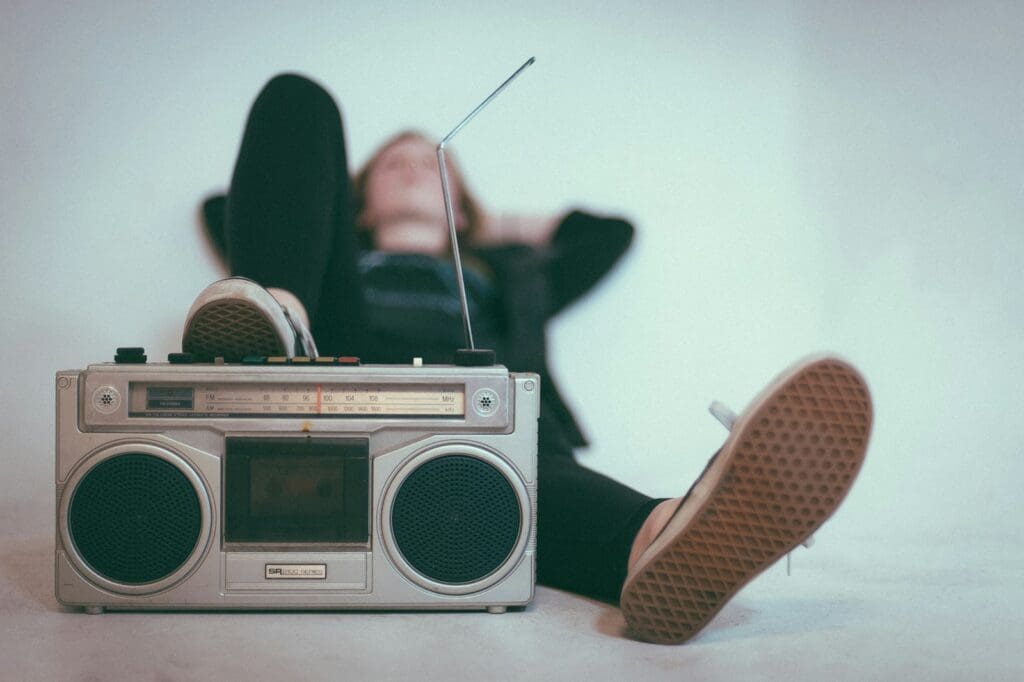
Getting a favorite song sometimes meant sitting near the radio, hoping the station would play it before you had to leave. Then you had to hit record at the right moment and accept that the finished version might include a DJ talking over part of it.
2. Giving presentations with slide projectors
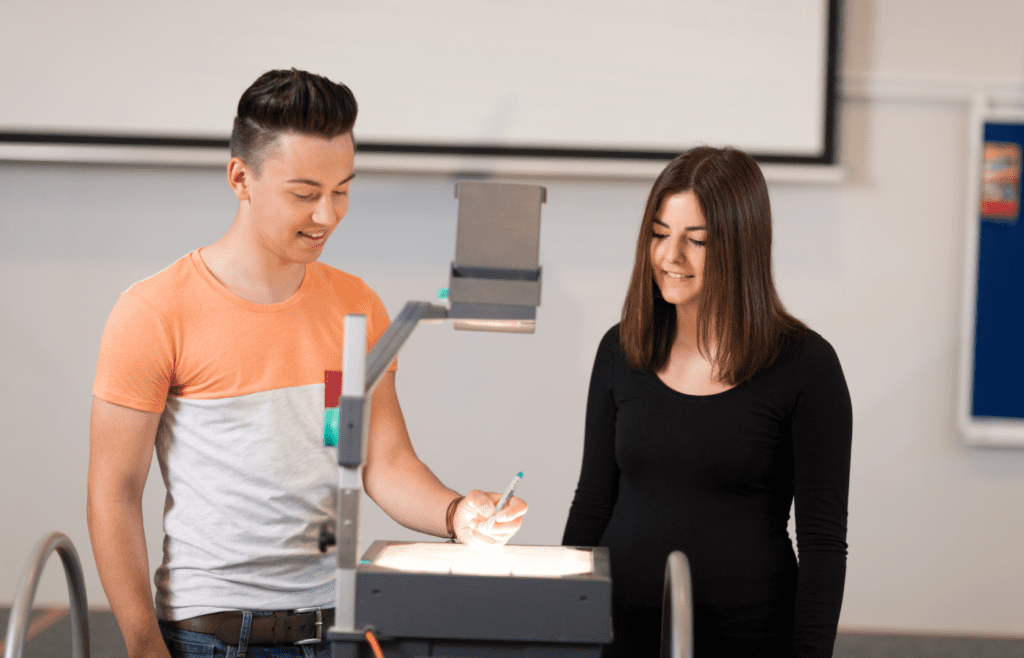
Presentations once involved physical slides, bulky equipment, and a setup process that offered several chances for public embarrassment. Moving from one image to the next was manual, which made the whole thing feel more mechanical. Modern presentation software has had an easier life.
1. Playing music on record players
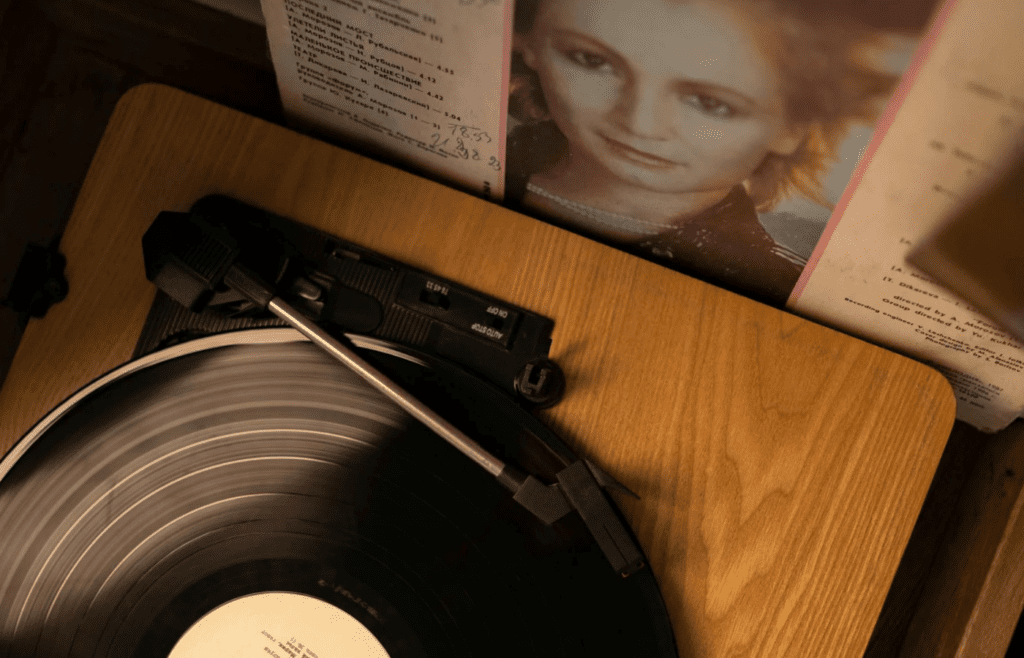
Vinyl records are not gone at all. In fact, the RIAA says vinyl continued to lead the pack among physical formats, which is a nice reminder that some “old” habits never fully disappeared.
Still, using a turntable every day once felt normal rather than nostalgic, and that makes it a fitting final example of how much daily life used to be slower, more physical, and less automated.
Read More:
- 15 Things Boomers Did Right About Retirement That Millennials Ignore
- 30 Throwback Moments Only ’80s Kids Will Understand
- 10 Financial ‘Rules’ That Are Outdated in Today’s Economy