
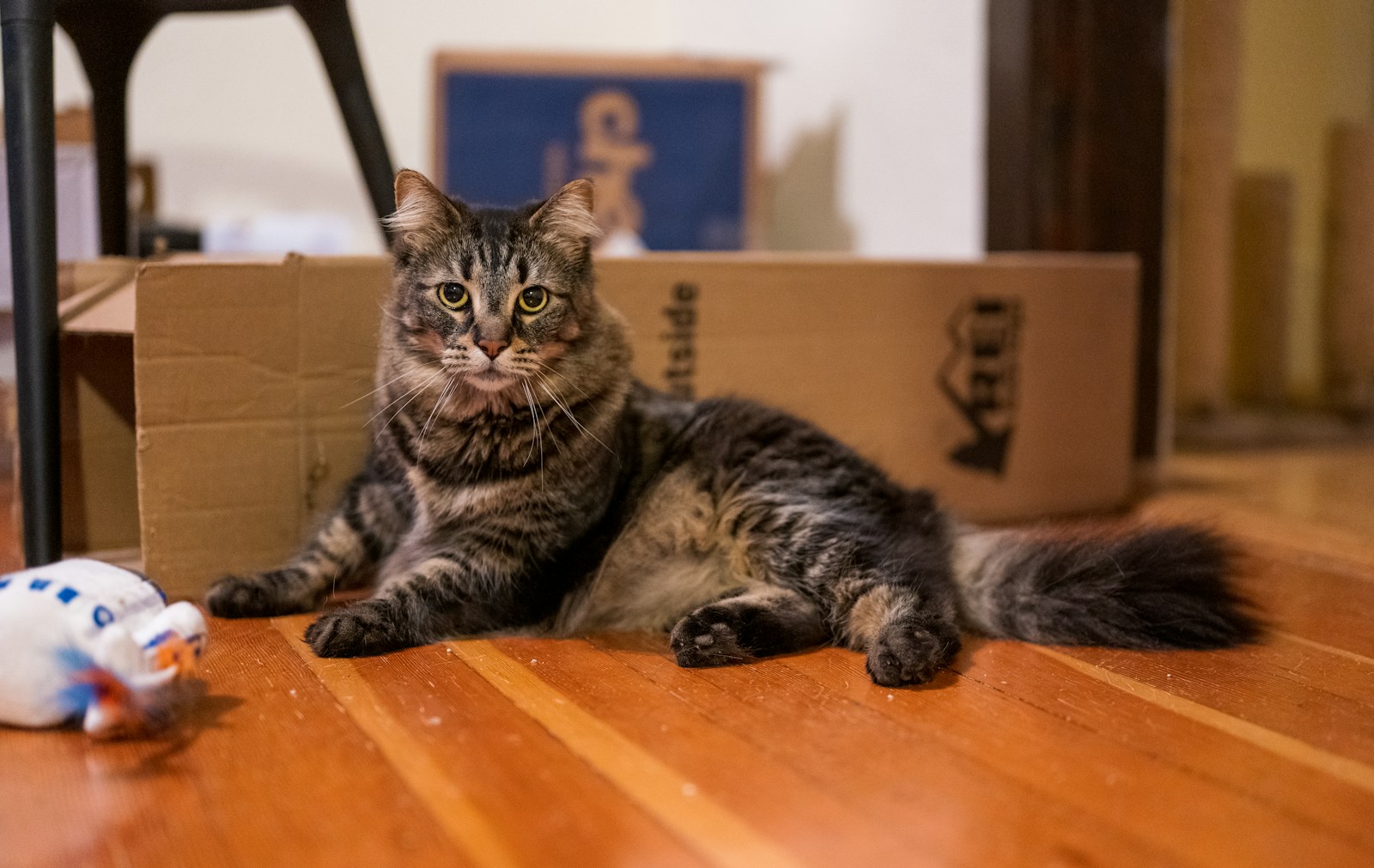
Bringing an outdoor cat indoors can be one of the best things you do for their safety and longevity, but it takes patience, planning, and the right approach.
Whether you’re working with a friendly outdoor cat or a more cautious stray, here’s how to make the transition smoother for both of you.
Why Bring a Cat Indoors?
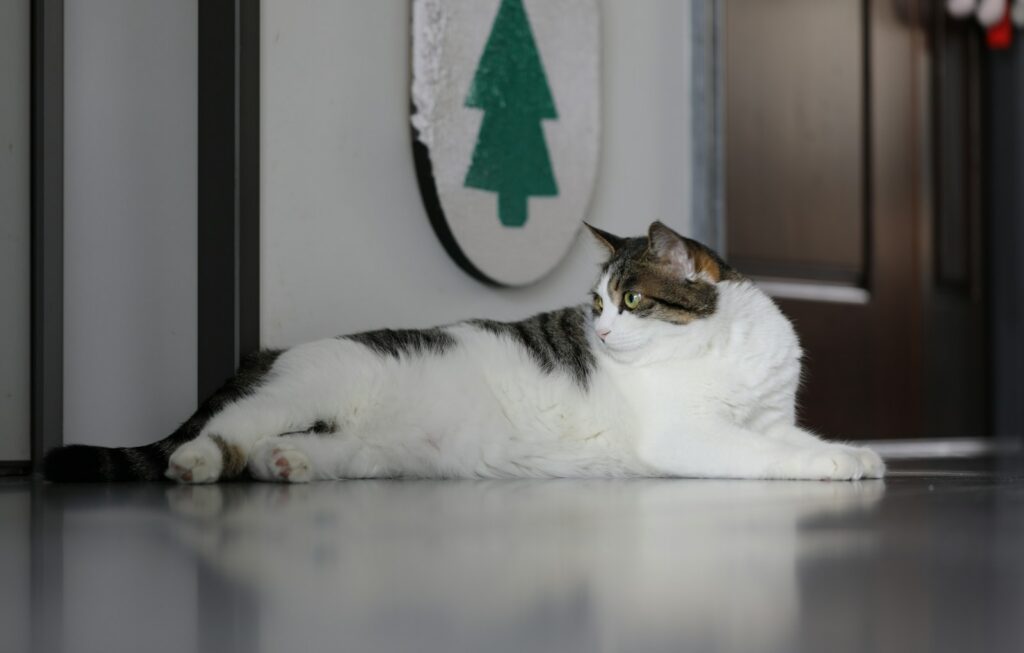
Indoor cats generally live longer and face fewer risks than outdoor cats.
They’re less exposed to traffic, predators, disease, toxins, and harsh weather. Bringing cats indoors also helps protect local wildlife, as free-roaming cats are natural hunters.
Know the Difference: Stray vs. Feral

Not all outdoor cats are the same.
Stray cats are typically socialized to humans and often adapt well to indoor life. Feral cats, on the other hand, may have had little to no human interaction and can be much harder to transition.
Some feral cats may never become comfortable living indoors, and a gradual or alternative approach (like a barn or managed outdoor space) may be more appropriate.
Use Humane Traps if Needed

If the cat isn’t comfortable being handled, use a humane live trap rather than trying to pick them up.
This keeps both you and the cat safe and minimizes stress. Many local shelters or rescue groups can lend traps and provide guidance.
Start with a Vet Visit
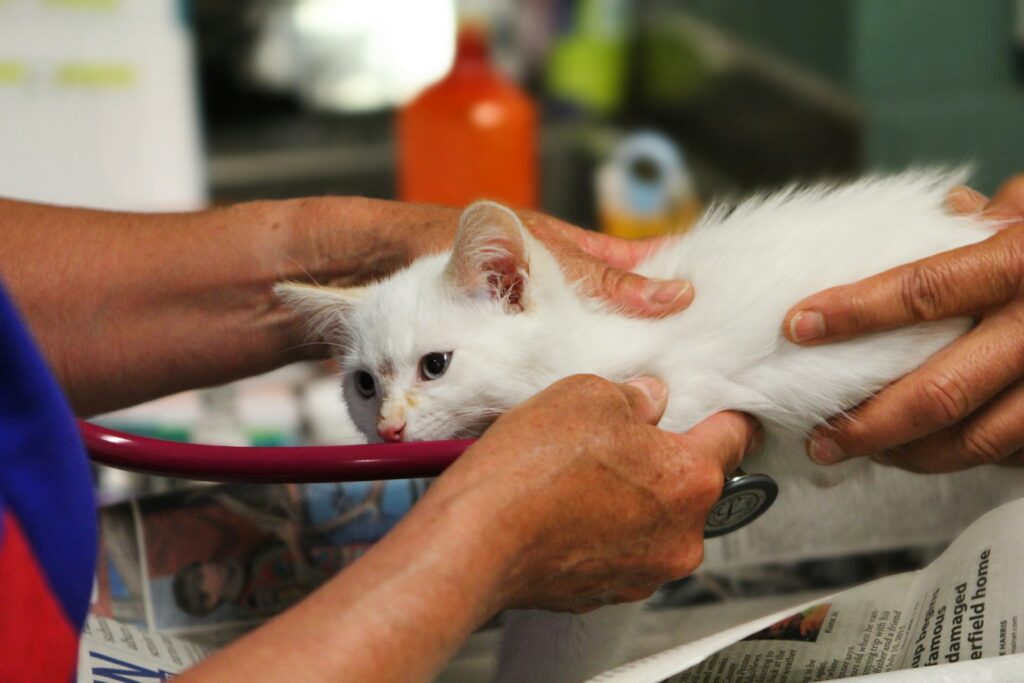
Before fully introducing the cat to your home, schedule a veterinary check.
Spaying or neutering is essential—not just to prevent unwanted litters, but also to reduce roaming behaviors. Your vet can also check for parasites, illness, and ensure vaccinations are up to date.
Begin with a Safe, Confined Space
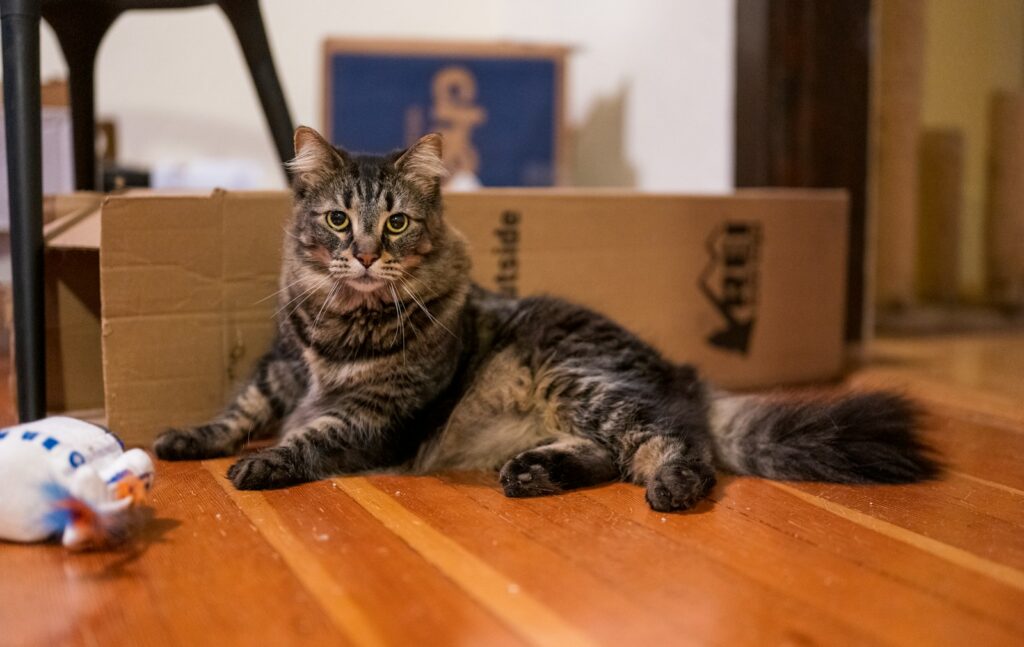
Start your cat in a quiet, enclosed room rather than giving them access to the whole house.
Provide food, water, a litter box, and a comfortable place to hide. This smaller space helps them feel secure while they adjust to new sights, sounds, and smells.
Give Them Time to Adjust
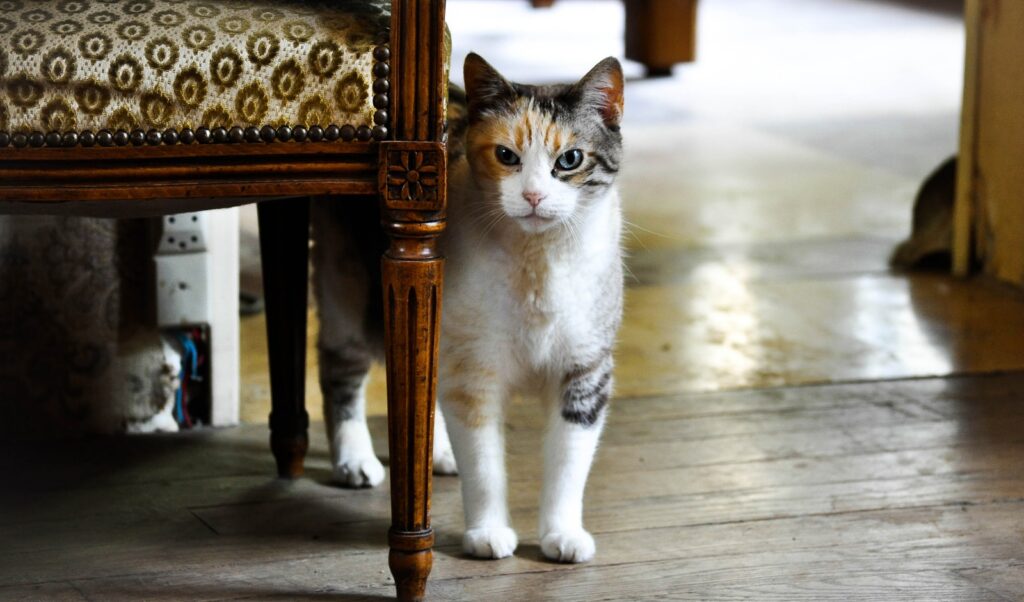
Some cats adapt quickly, while others take days or even weeks.
Let them explore at their own pace. Avoid forcing interaction—trust builds gradually, especially with shy or semi-feral cats.
Provide Enrichment and Play

Outdoor cats are used to constant stimulation.
Interactive toys, scratching posts, and regular playtime help prevent boredom and reduce stress. Puzzle feeders can also mimic the “hunt” they’re used to.
Consider a Catio or Safe Outdoor Space
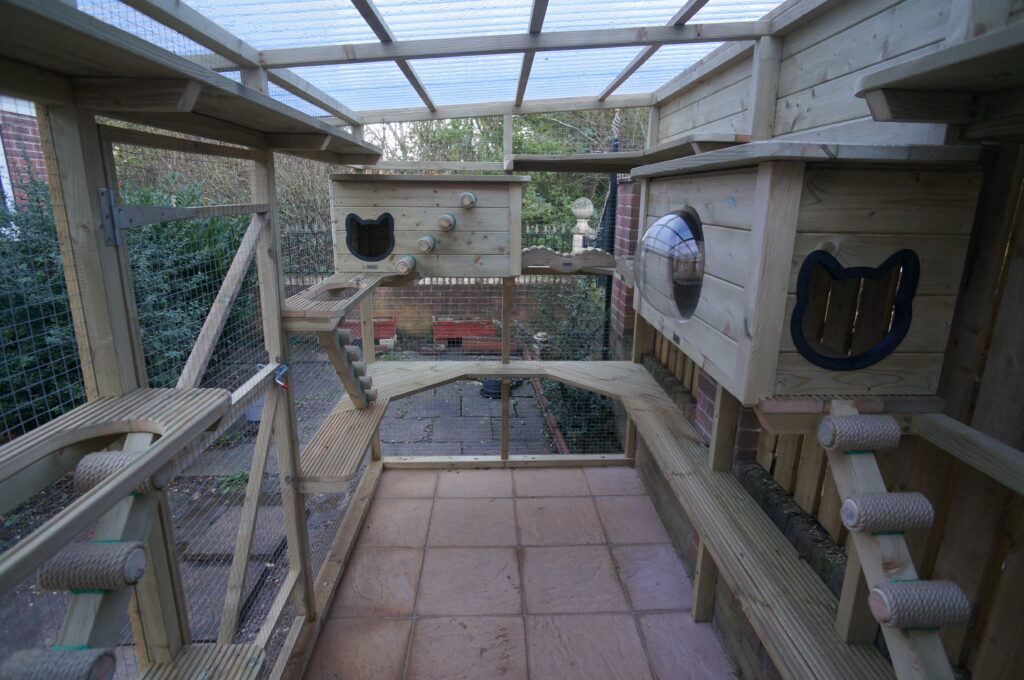
If your cat seems restless, a secure outdoor enclosure (often called a “catio”) can offer fresh air and stimulation without the risks of free roaming.
Window perches can also help indoor cats stay engaged with the outside world.
Use Calming Aids if Needed

Synthetic pheromone products (like diffusers or sprays) can help reduce anxiety in some cats.
They’re not a cure-all, but they can make the transition smoother in a stressful environment.
Read These Common Household Items Are Toxic to Pets for more pet safety tips.
Be Patient and Consistent

This process takes time, and sometimes more than you expect.
Stick to a routine for feeding and interaction, and let the cat set the pace. Even very shy cats can make progress with consistency and patience.
Explore How to Introduce a New Puppy to Your Existing Dogs for another pet transition guide.
Set Up Your Home for Success
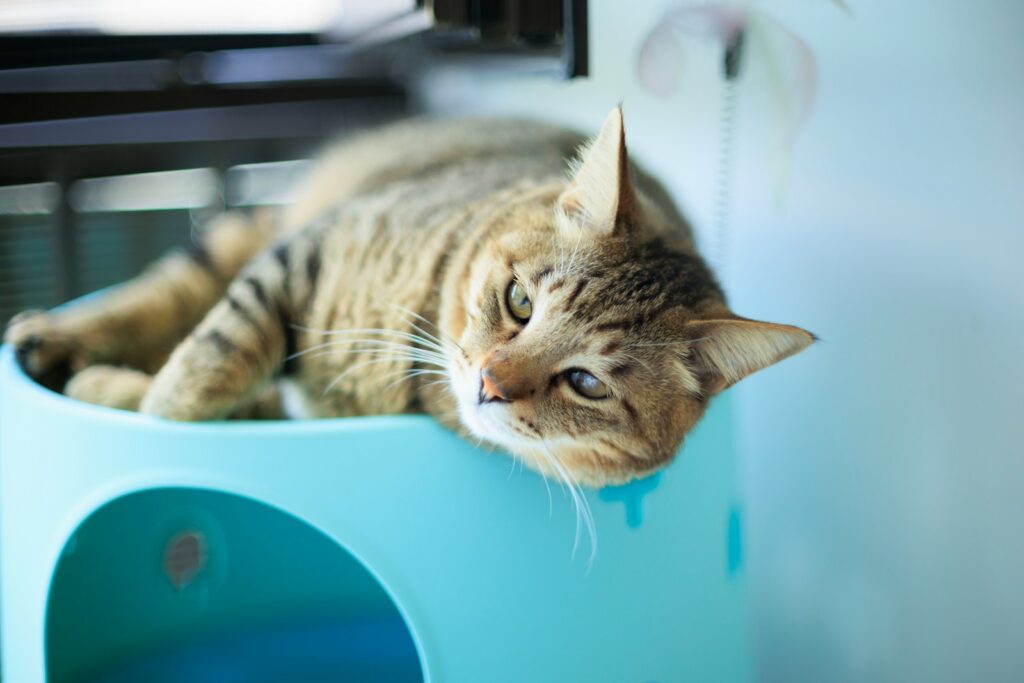
Before bringing the cat inside, make sure you’re prepared.
Have enough litter boxes (a common rule is one per cat plus one extra), scratching surfaces, and vertical spaces like cat trees or shelves. Planning ahead helps prevent behavioral issues later.
Check 10 Common Foods You Should Never Give Your Dog for another everyday pet care guide.