
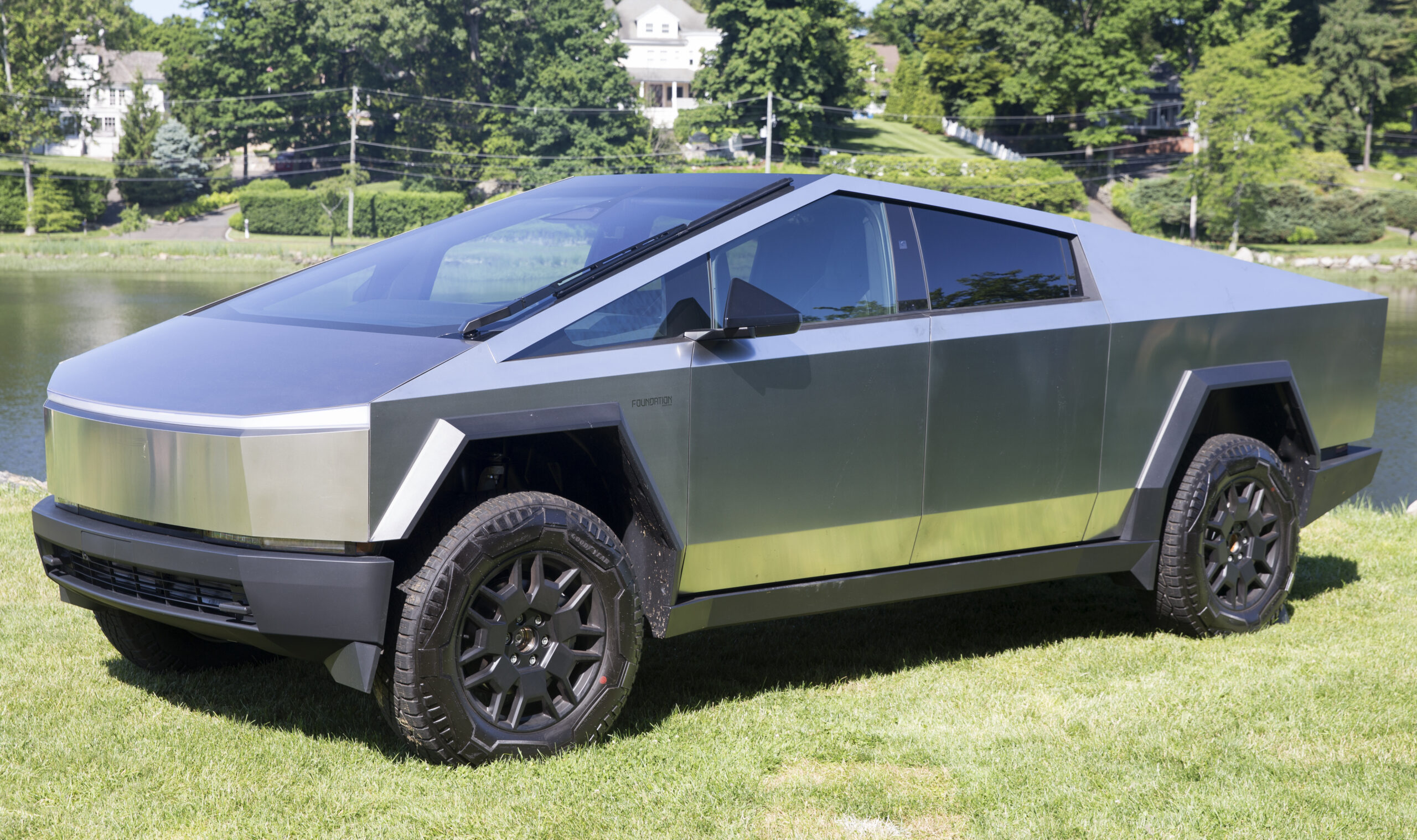
Car safety isn’t just about the vehicle itself—it’s a mix of design, crash-test performance, recalls, and how people actually drive them. Some vehicles earn reputations as “dangerous” due to design flaws or recalls, while others exhibit higher fatality rates because of driver behavior or usage patterns.
Here are notable vehicles—past and present—that have raised safety concerns based on recalls, crash data, or real-world statistics.
Ford Pinto (1970s)
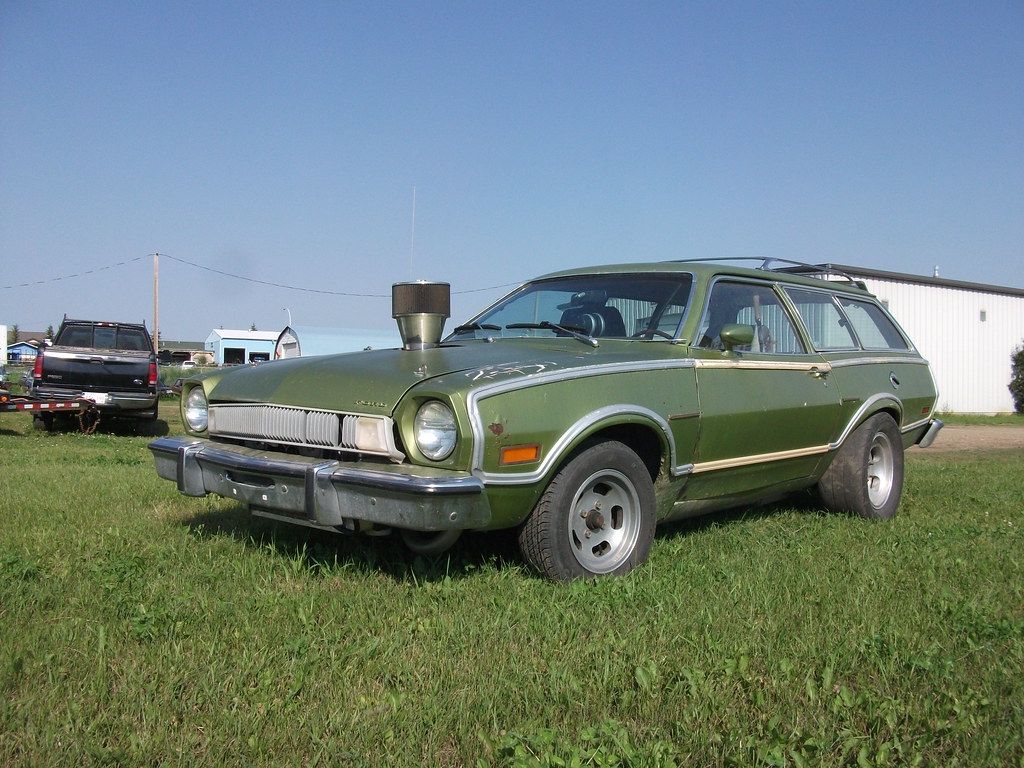
The Ford Pinto is one of the most infamous cases in automotive history. Its fuel tank placement made it vulnerable to rear-end collisions, increasing the risk of fires.
Ford eventually issued recalls and made design changes, but the controversy remains a landmark case in vehicle safety ethics.
Chevrolet Cobalt (2000s–2010s)
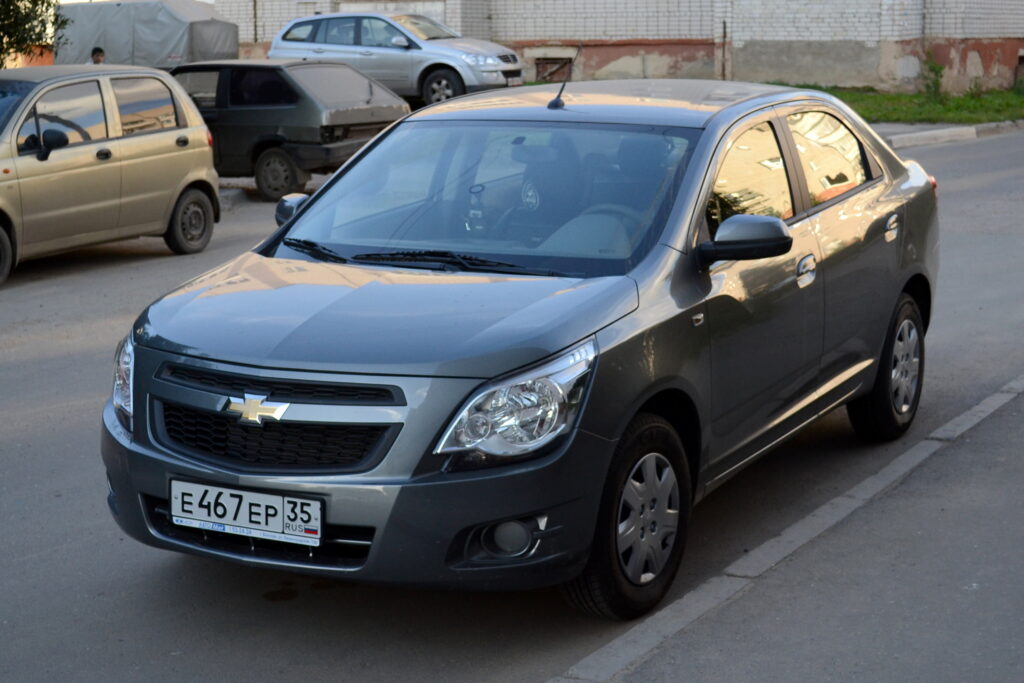
The Chevy Cobalt was part of a major GM recall involving faulty ignition switches.
The defect could:
- Shut off the engine while driving
- Disable airbags
This issue was linked to over 100 deaths and led to widespread scrutiny of GM’s safety practices.
Ford Explorer & Firestone Tires (1990s–2000s)
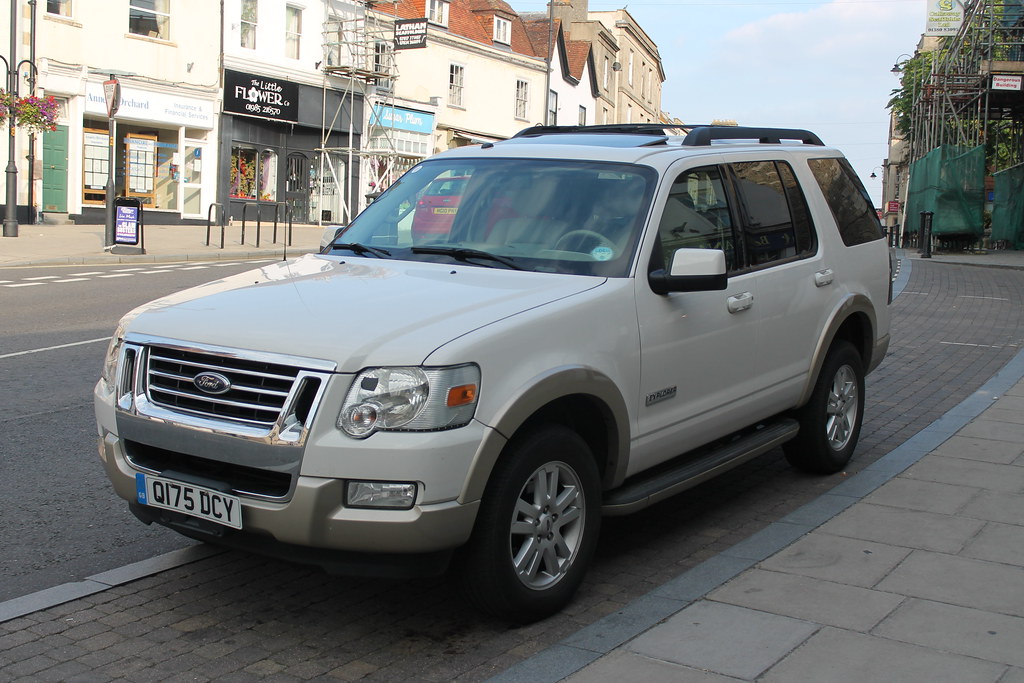
The Ford Explorer became associated with rollover accidents, particularly when paired with certain Firestone tires.
Millions of tires were recalled, and the issue highlighted how vehicle design + tire performance together affect safety.
Toyota Pickup Trucks (Early 1980s)
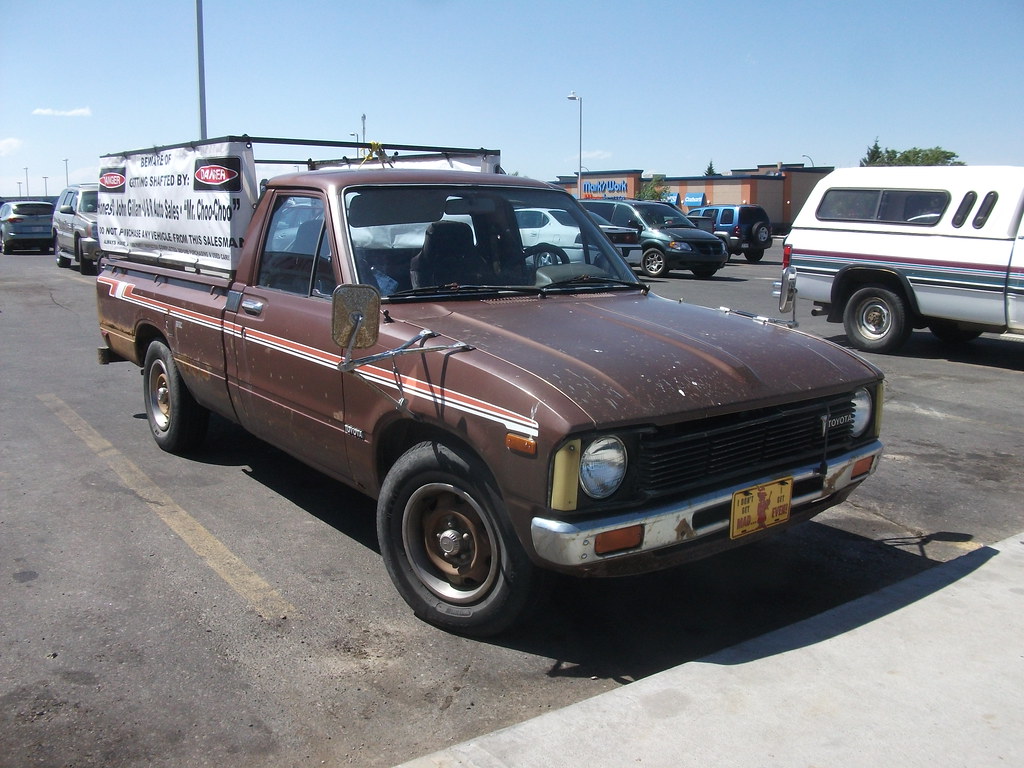
Toyota recalled hundreds of thousands of trucks due to steering component failures that could lead to loss of control.
While serious, this was resolved through recalls and does not reflect Toyota’s overall long-term safety reputation.
Toyota Prius (2010s Recall Issues)
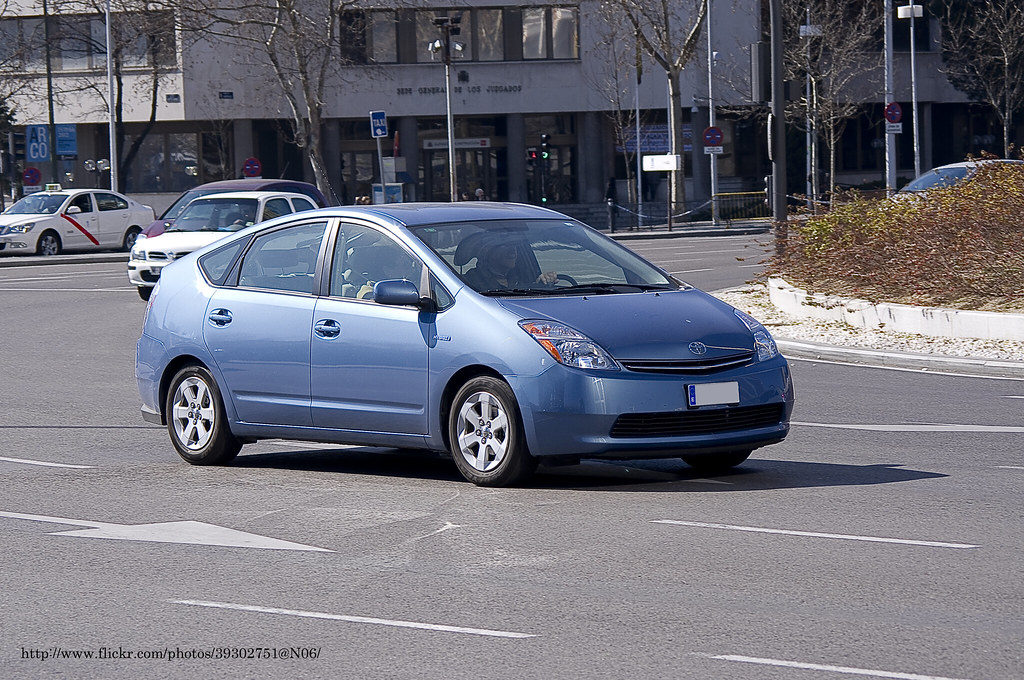
Certain Prius models were recalled for hybrid system software issues that could cause power loss.
While concerning, modern Prius models maintain strong safety ratings and reliability overall.
Tesla Cybertruck (2023–Present)
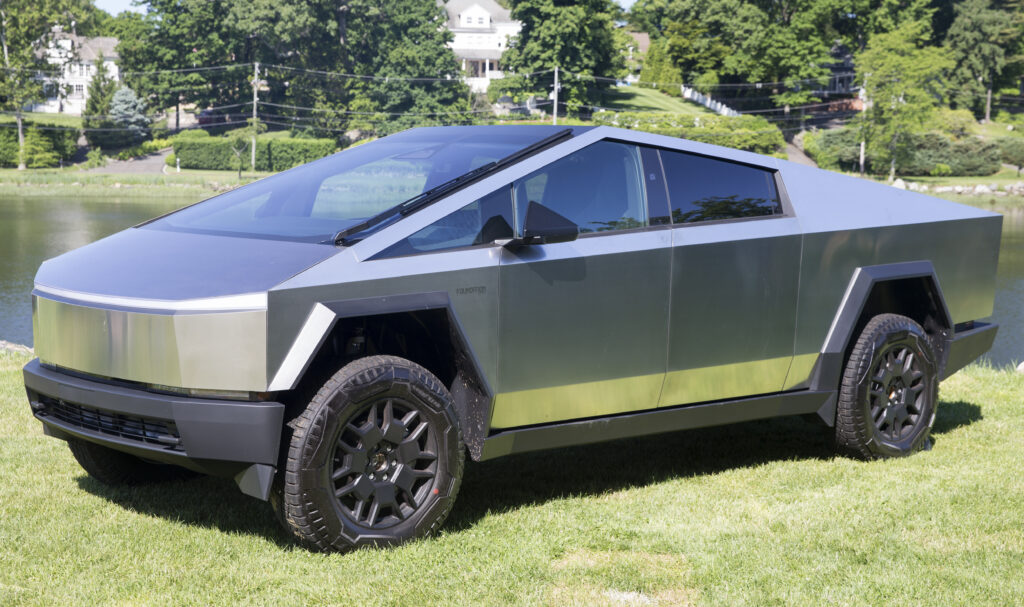
The Cybertruck has had multiple early recalls—common for new vehicle launches—related to issues like:
- Software faults
- Hardware adjustments
There is not yet enough long-term safety data to classify it among historically dangerous vehicles.
Volkswagen Tiguan (Late 2000s Models)
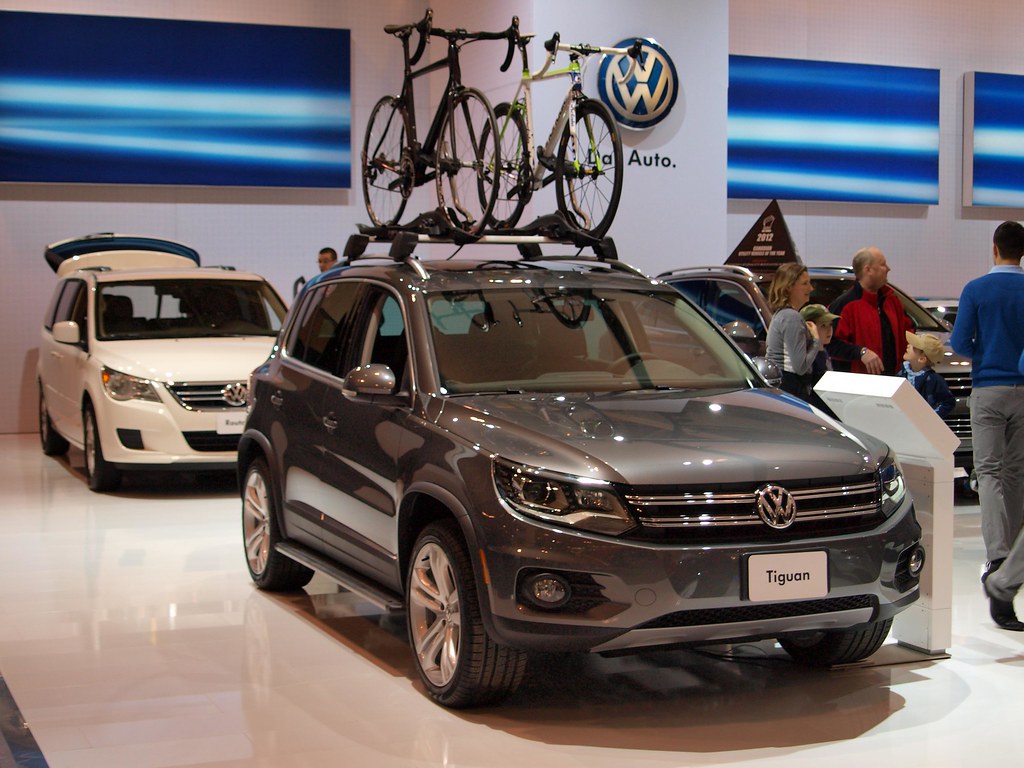
Some early Tiguan models were recalled for fuel system issues that could increase fire risk.
Volkswagen has addressed these issues, and newer models have significantly improved safety ratings.
Subaru Ascent (2019 Recall)
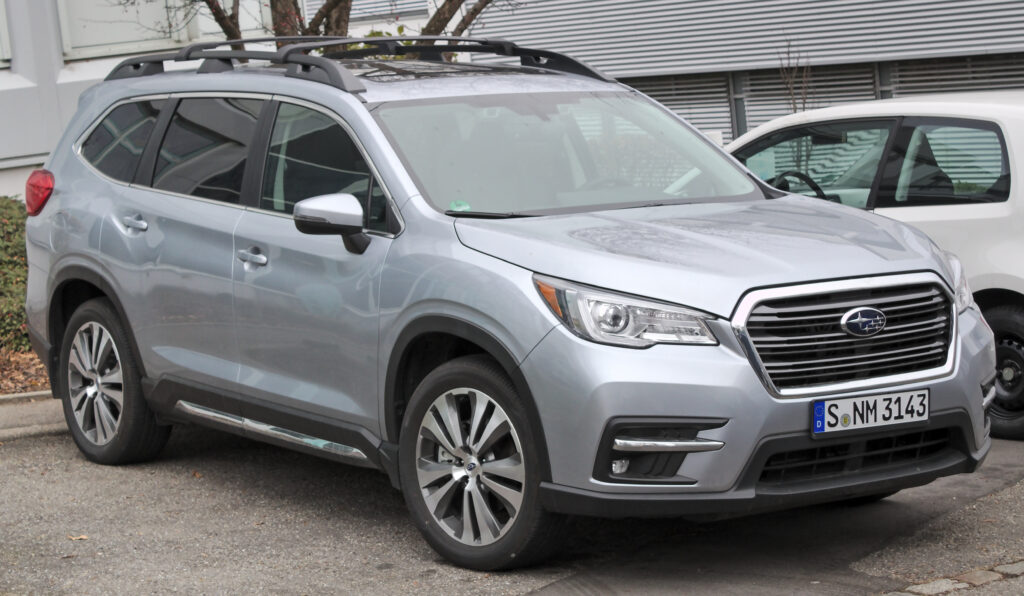
A small number of early Ascents were recalled due to missing welds affecting structural integrity.
Subaru took the unusual step of destroying most affected vehicles, underscoring the seriousness—but also the limited scope—of the issue.
BMW 7 Series (2016–2017)
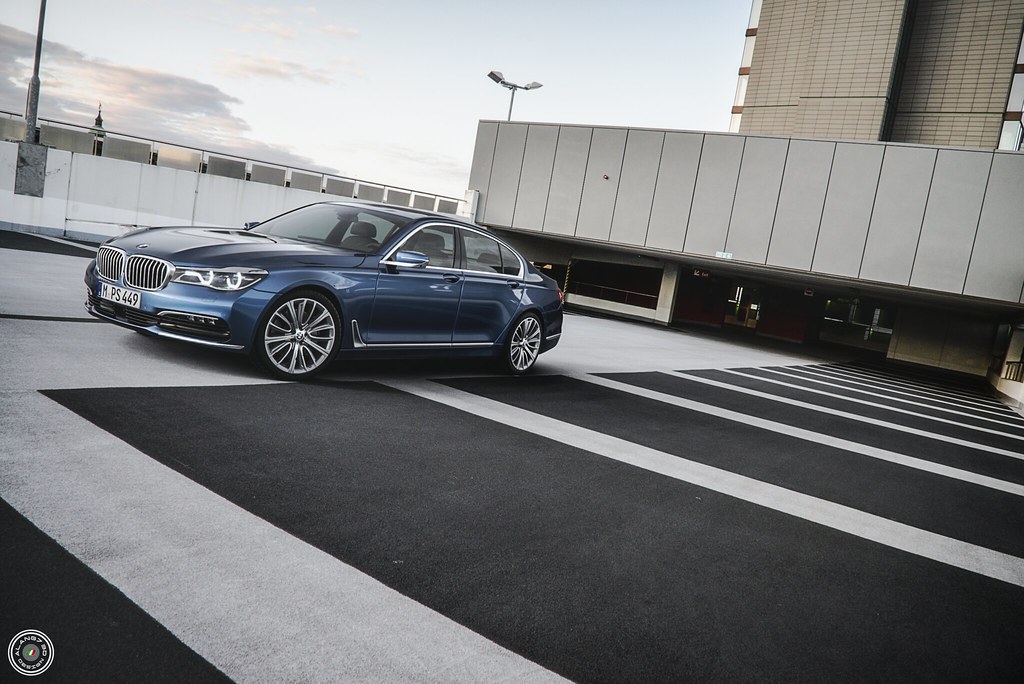
Some models were recalled due to door-latch issues that could cause doors to open unexpectedly.
This was a targeted recall rather than a widespread safety trend across the model line.
Mitsubishi Mirage
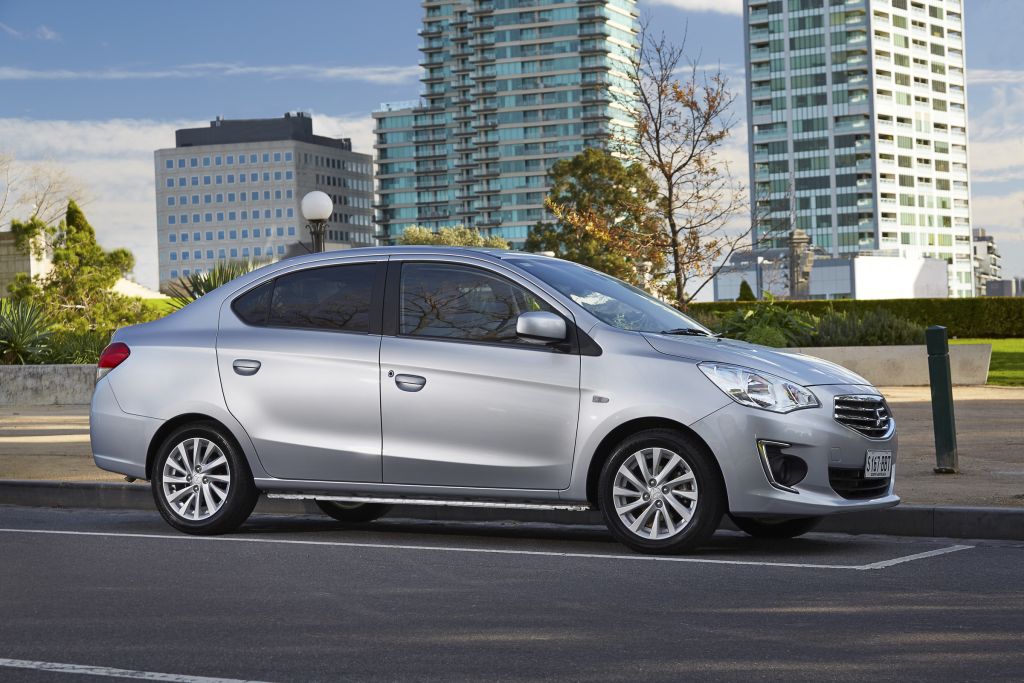
Often cited for high driver fatality rates in recent studies.
Factors include:
- Lightweight design
- Lower cost (less advanced safety tech in older models)
- Urban/high-risk driving conditions
Ford Fiesta (2010s Models)
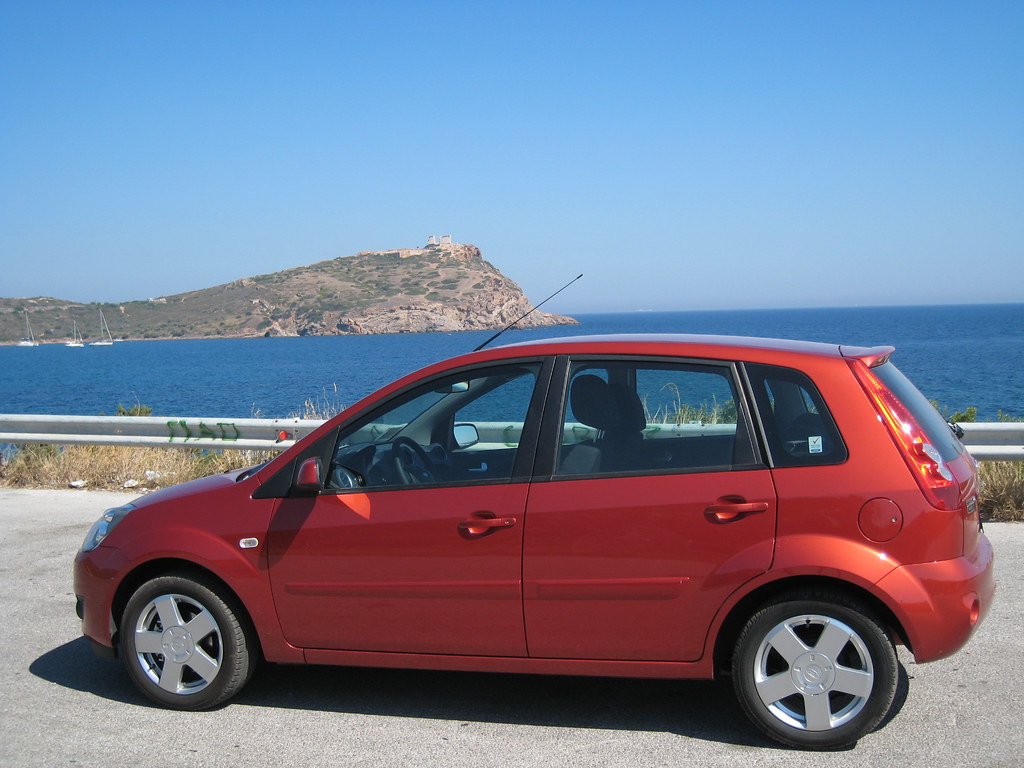
Certain model years showed elevated fatality rates.
However, this is partly attributed to:
- Smaller size
- Driver demographics
- Crash exposure
Chevrolet Spark
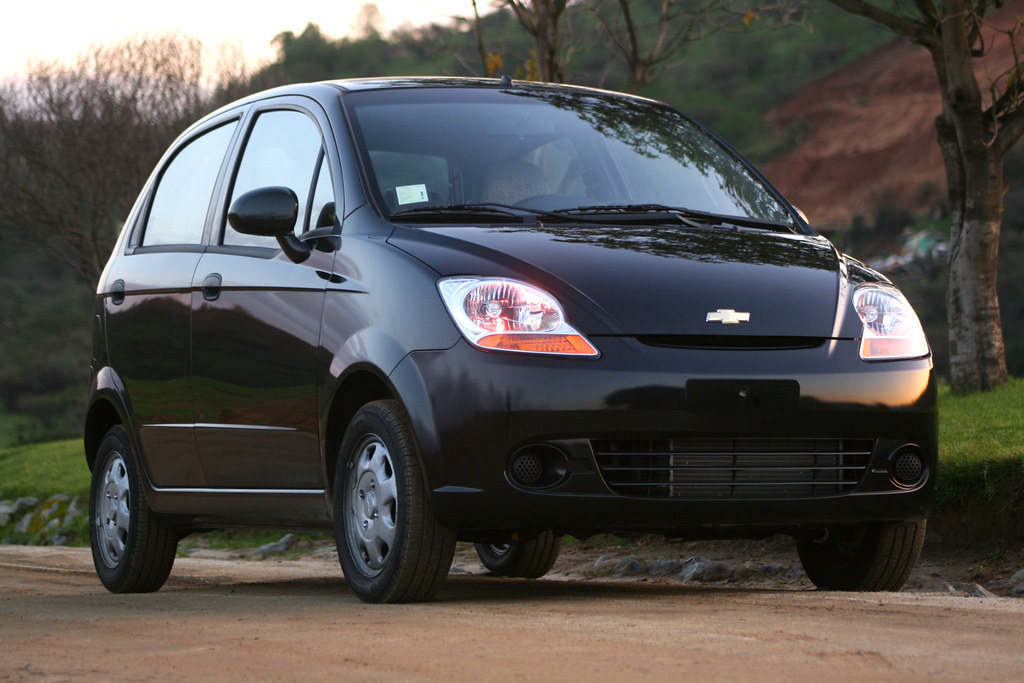
Subcompact cars like the Spark tend to perform worse in multi-vehicle crashes simply due to size.
Modern safety features have improved outcomes, but physics still plays a role.
Hyundai Accent
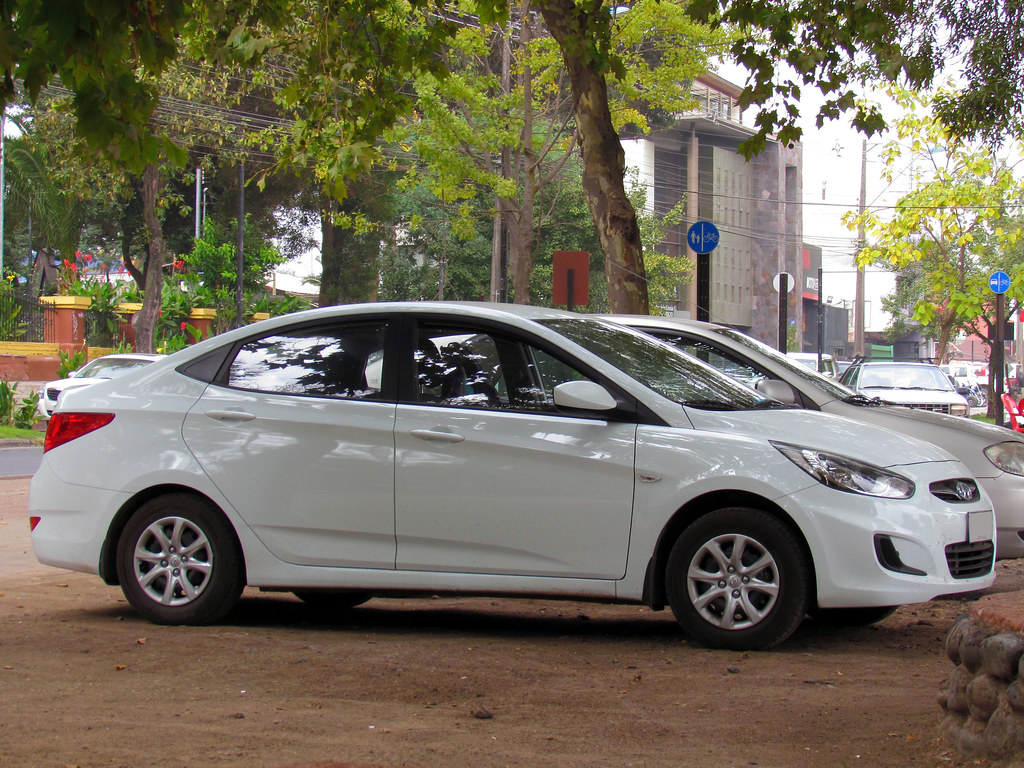
Another smaller sedan with higher fatality rates in some studies.
Again, size and usage patterns are major factors—not necessarily poor engineering.
Muscle Cars (Dodge Charger & Challenger)
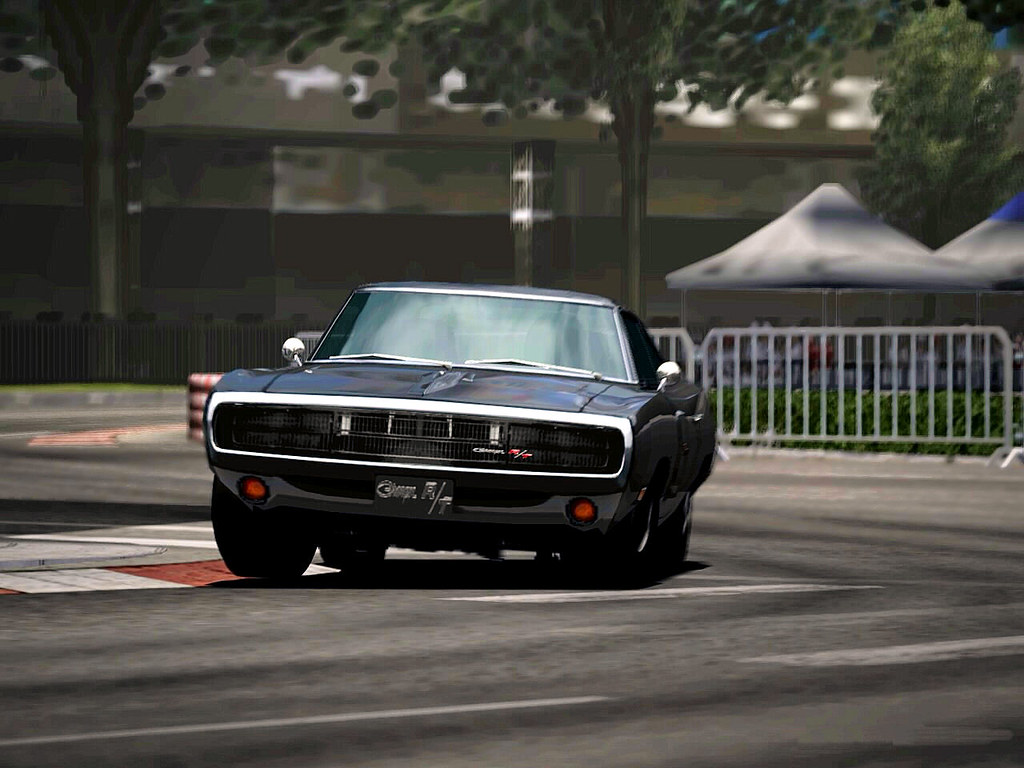
These vehicles often rank high in fatality statistics.
Key reasons:
- High horsepower
- Rear-wheel drive
- Higher incidence of risky driving behavior
Not inherently unsafe—but often driven more aggressively.
Nissan 350Z
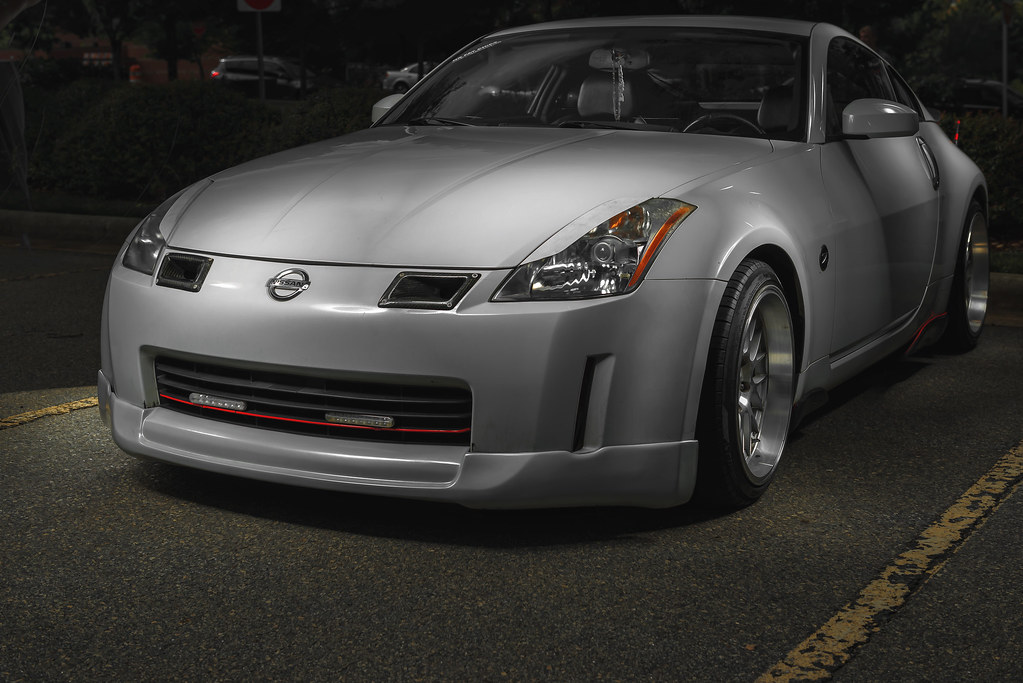
Sports cars like the 350Z combine:
- High performance
- Lower cost on the used market
This makes them more accessible to inexperienced drivers, which can skew crash data.
Mazda MX-5 Miata
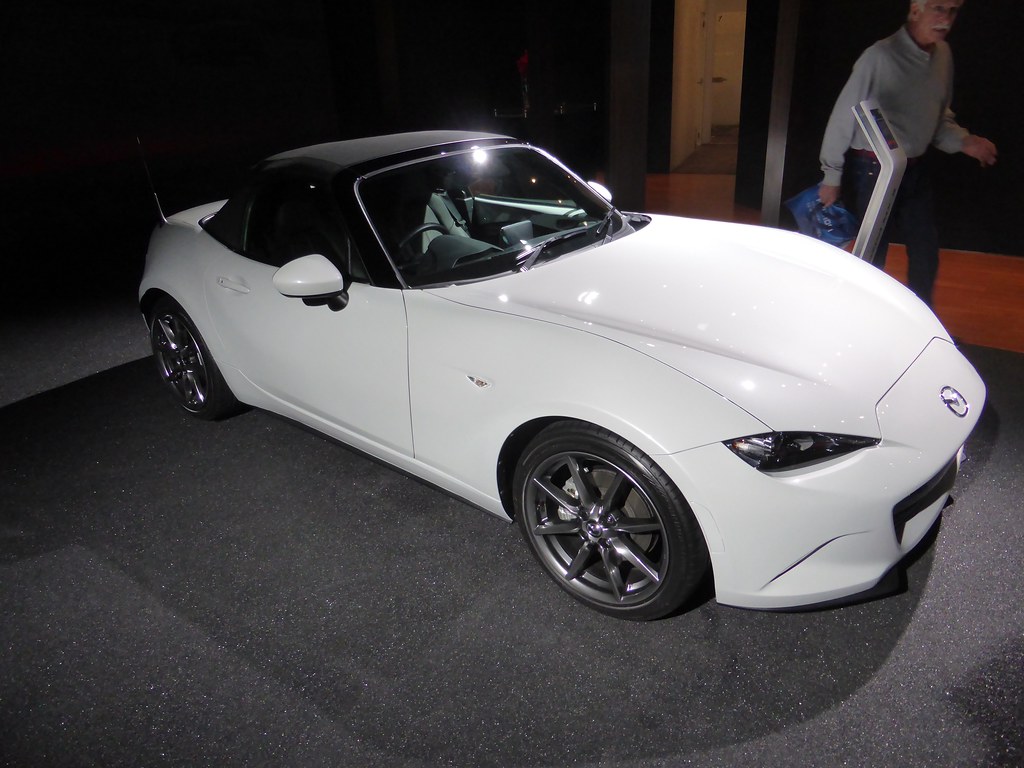
The Miata is lightweight and low to the ground, which can make it more vulnerable in collisions with larger vehicles.
However, it consistently scores well in crash tests—showing the difference between design safety and real-world risk.
Full-Size Pickup Trucks (F-Series, Silverado, Ram 3500)
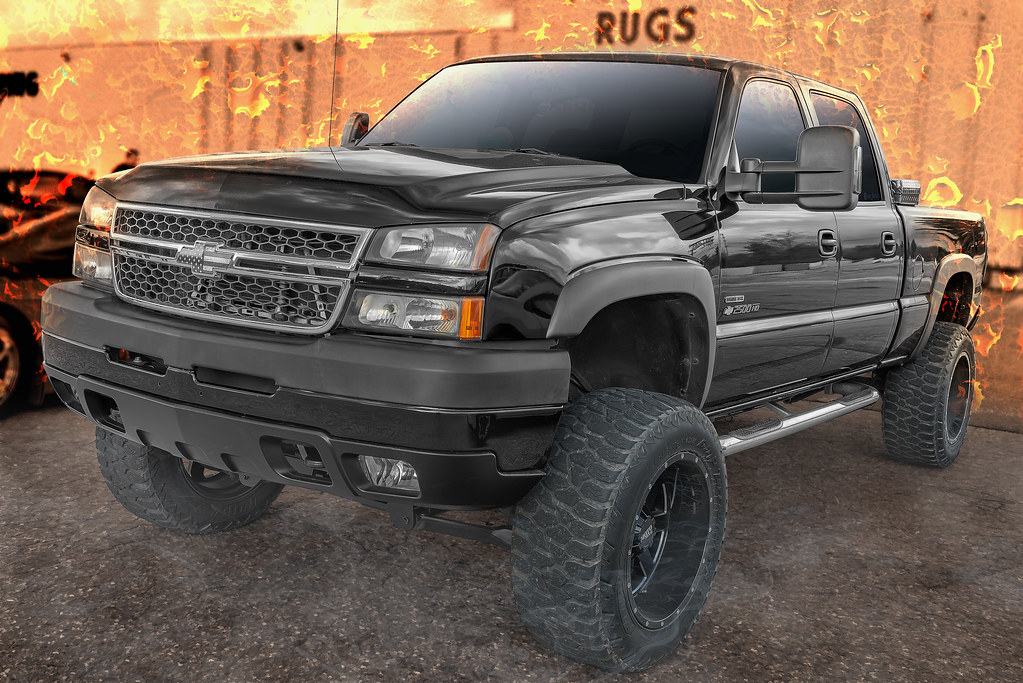
Large trucks are often involved in more severe crashes due to:
- Size and weight
- Higher ride height
They can pose greater risk to other vehicles and pedestrians, even if they protect occupants well.
Nissan Altima
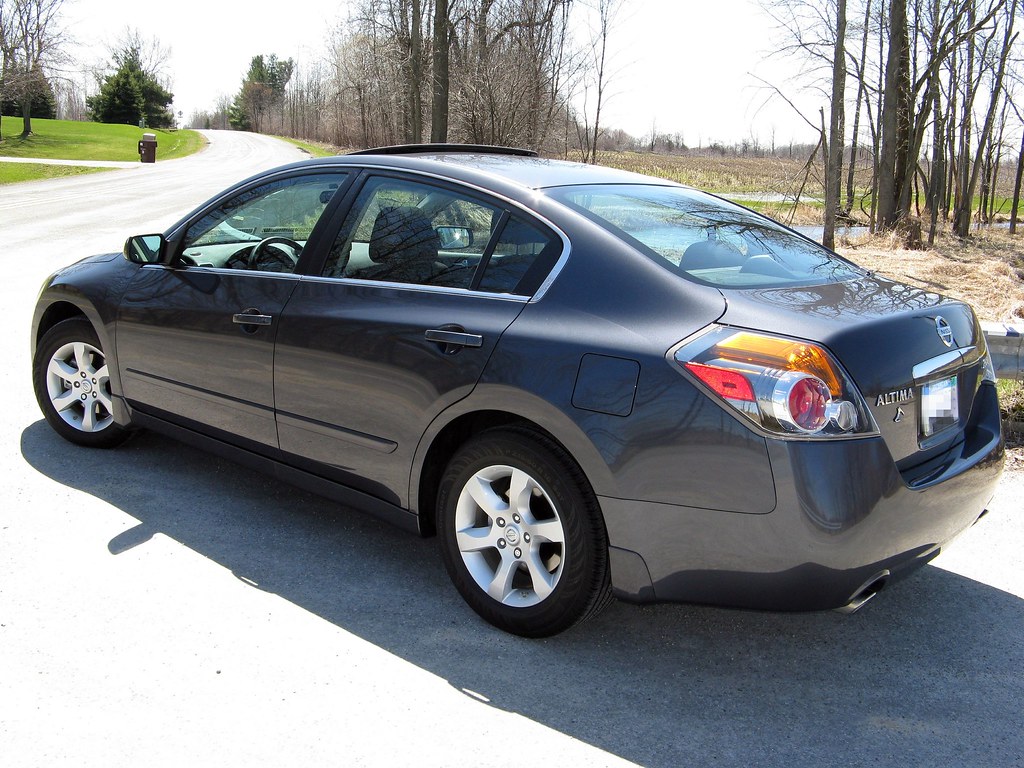
Some studies show higher crash involvement rates for Altima drivers.
This is widely believed to reflect driver behavior patterns, not vehicle safety design.
Kia Forte & Kia Rio
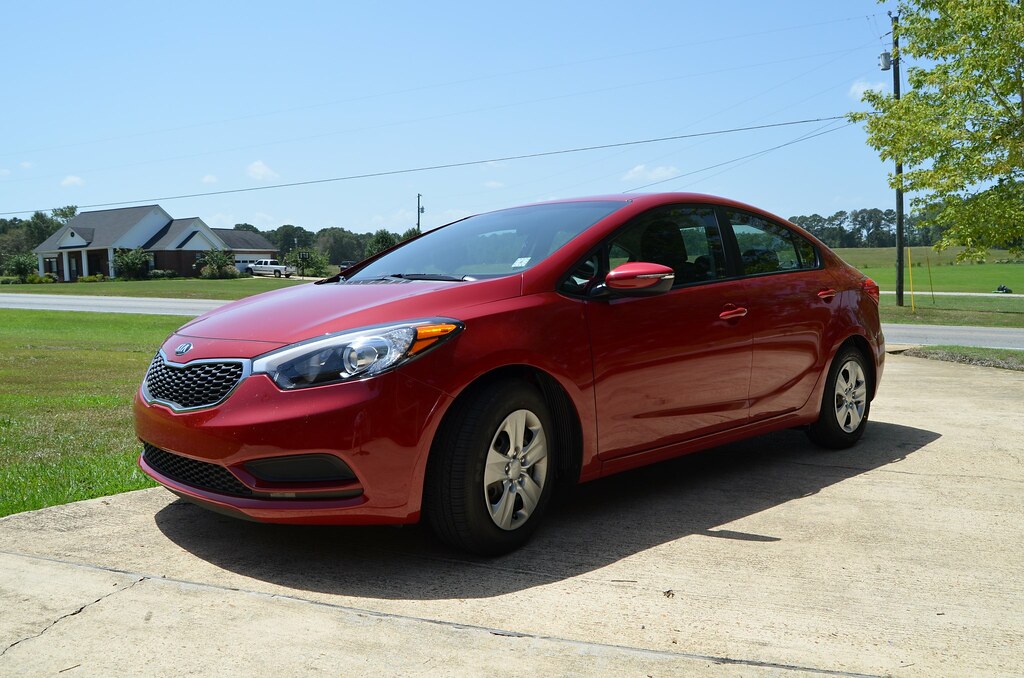
Certain model years had lower crash ratings or higher fatality rates.
Newer versions have improved significantly with modern safety tech.
The Bigger Picture: What Actually Makes a Car “Dangerous”?
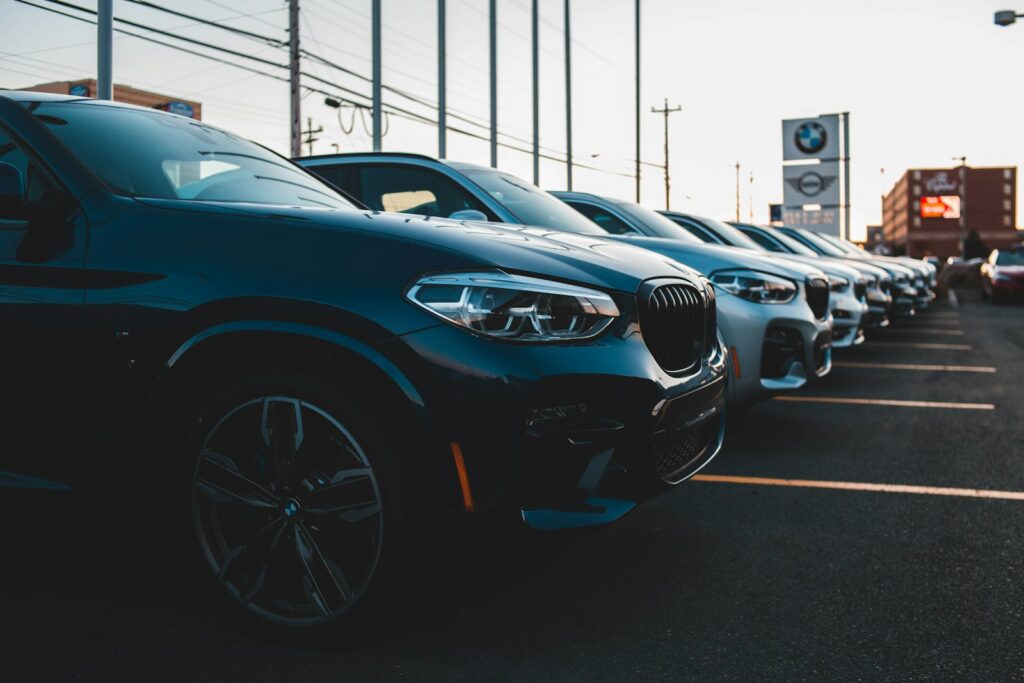
It’s rarely just the car.
Key factors include:
- Vehicle size and weight
- Safety technology (airbags, driver assist)
- Crash-test ratings (IIHS, NHTSA)
- Driver behavior
- Road conditions and usage
Some vehicles become infamous due to design flaws or recalls—but many “dangerous car” rankings are heavily influenced by how people drive them.
Historically risky due to design:
- Ford Pinto
- Chevy Cobalt (ignition switch)
- Explorer/Firestone tire issue
Higher risk due to real-world data:
- Subcompact cars (Mirage, Spark)
- High-performance cars (Charger, Challenger)
- Large trucks (risk to others)