
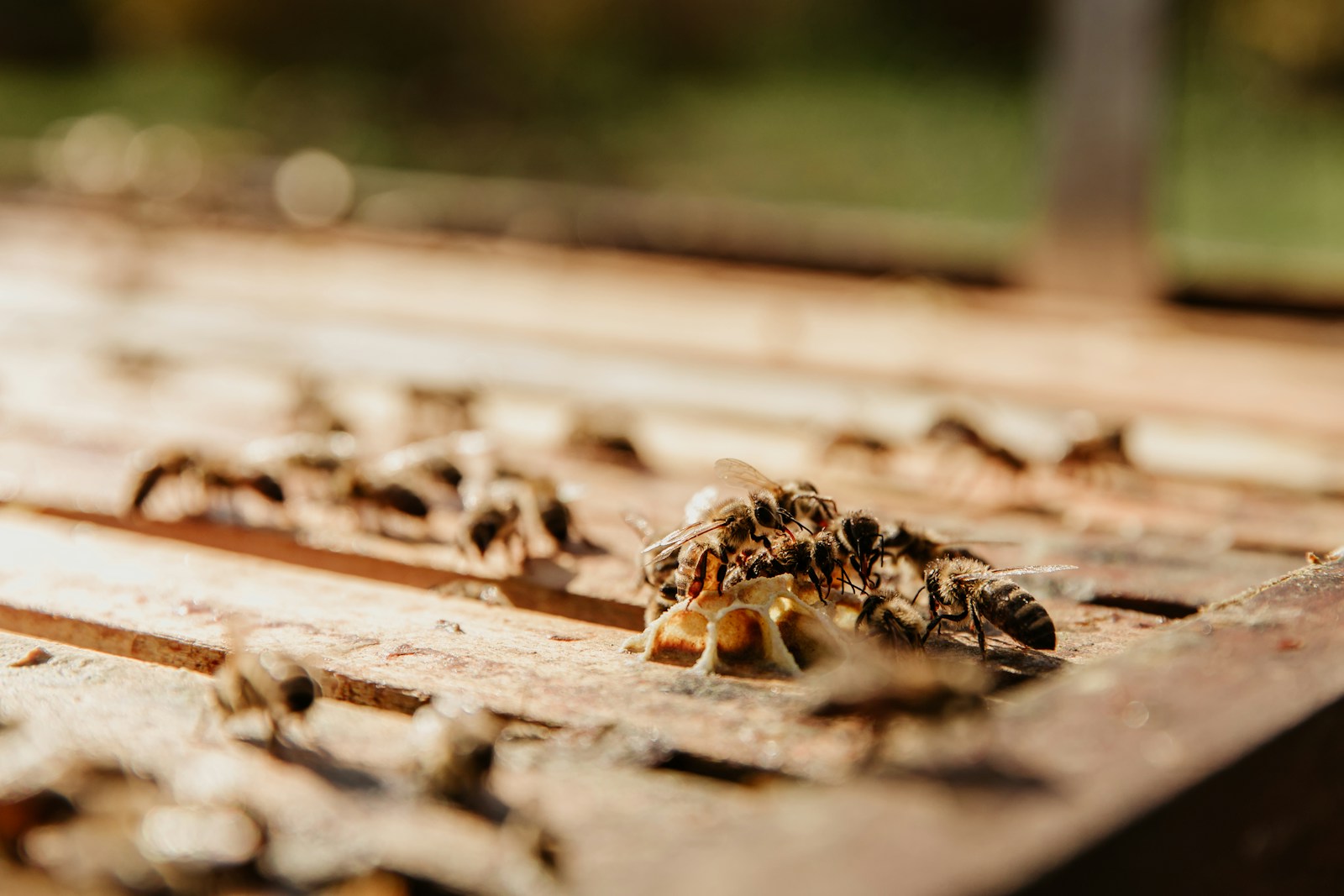
Warmer weather doesn’t just bring sunshine. It also brings bugs. And while most insects are harmless (and important to the ecosystem), a few are more than just annoying. Some can damage your home, while others can pose real health risks.
There are millions of insect species worldwide, but these are some of the most common troublemakers you might actually encounter indoors.
Bed Bugs
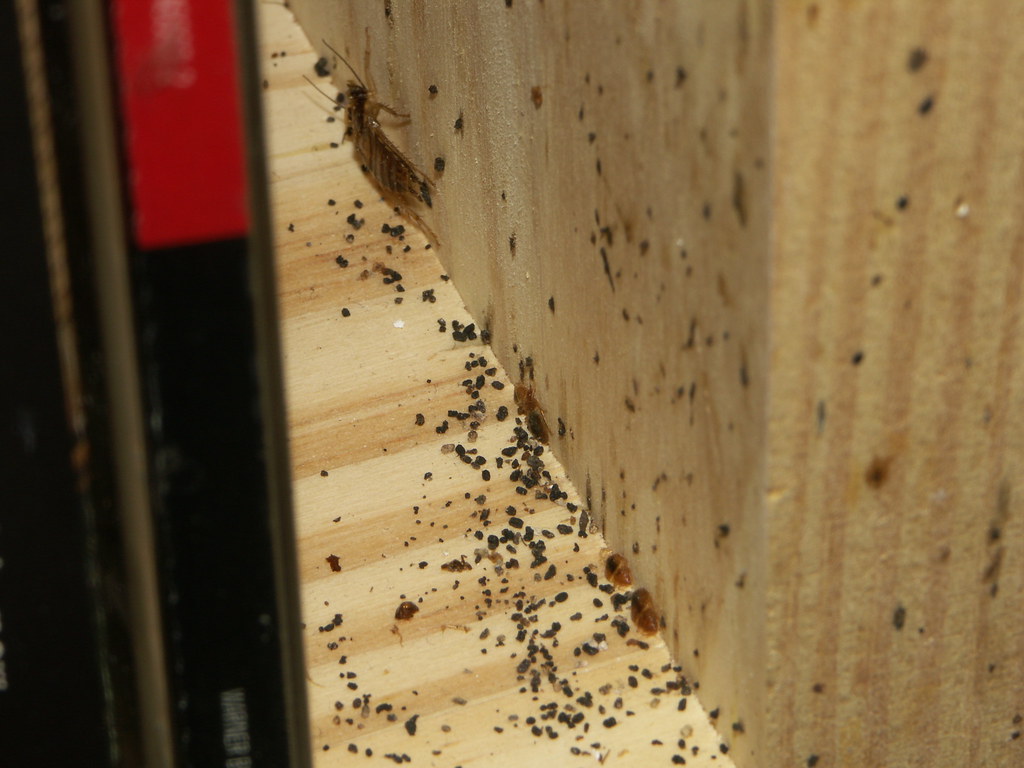
Bed bugs are small, nocturnal insects that feed on blood, usually while you sleep. Their bites can cause itching, skin irritation, and allergic reactions in some people. They’re notoriously difficult to eliminate and can survive for months without feeding, which is why professional treatment is often needed.
Ants
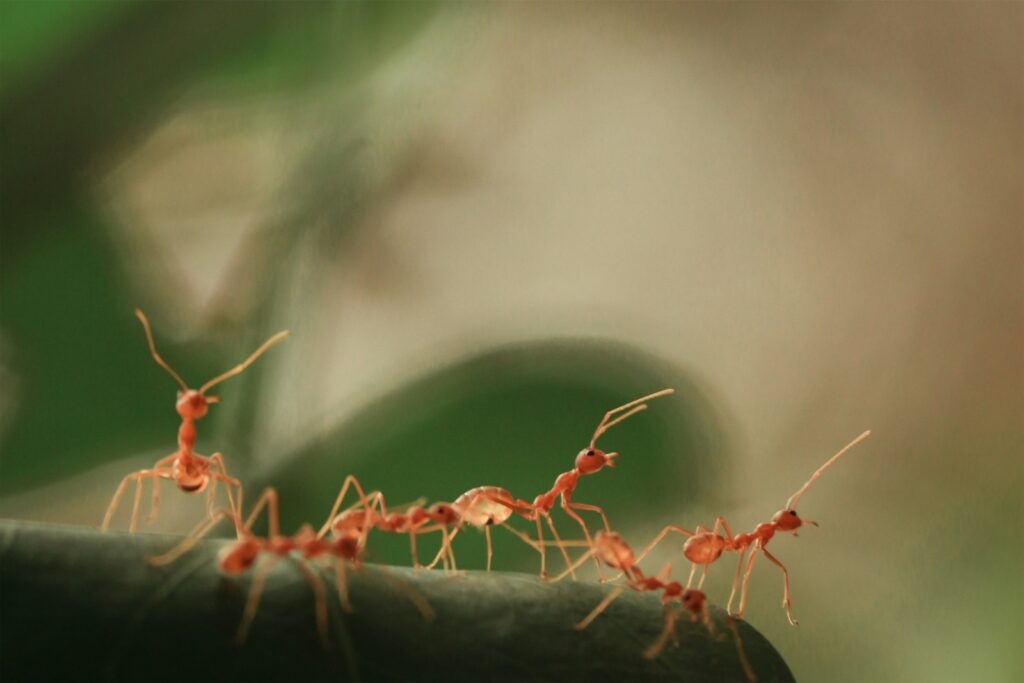
Ants are everywhere, and once they find food, they tend to bring the entire colony with them. Most species aren’t dangerous, but they can quickly become a major nuisance. Some types, like carpenter ants, can even damage wood over time.
Cockroaches
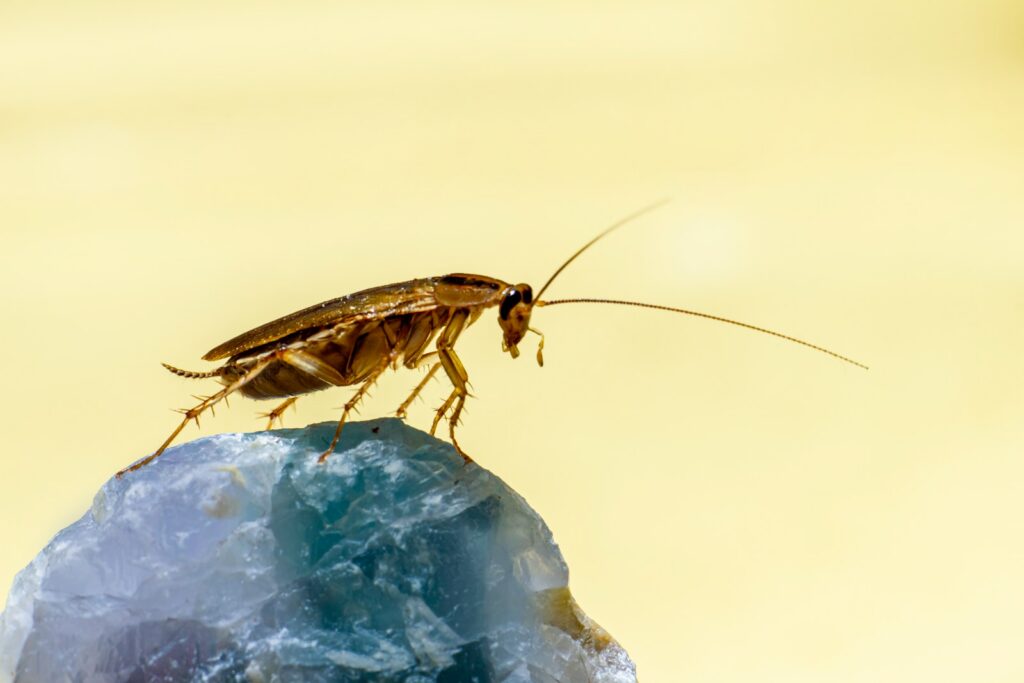
Only a small number of cockroach species infest homes, but those that do can multiply quickly. They’re known to spread bacteria and can trigger allergies and asthma, especially in children. They’re also extremely resilient, which makes them tough to eliminate without consistent treatment.
Fleas
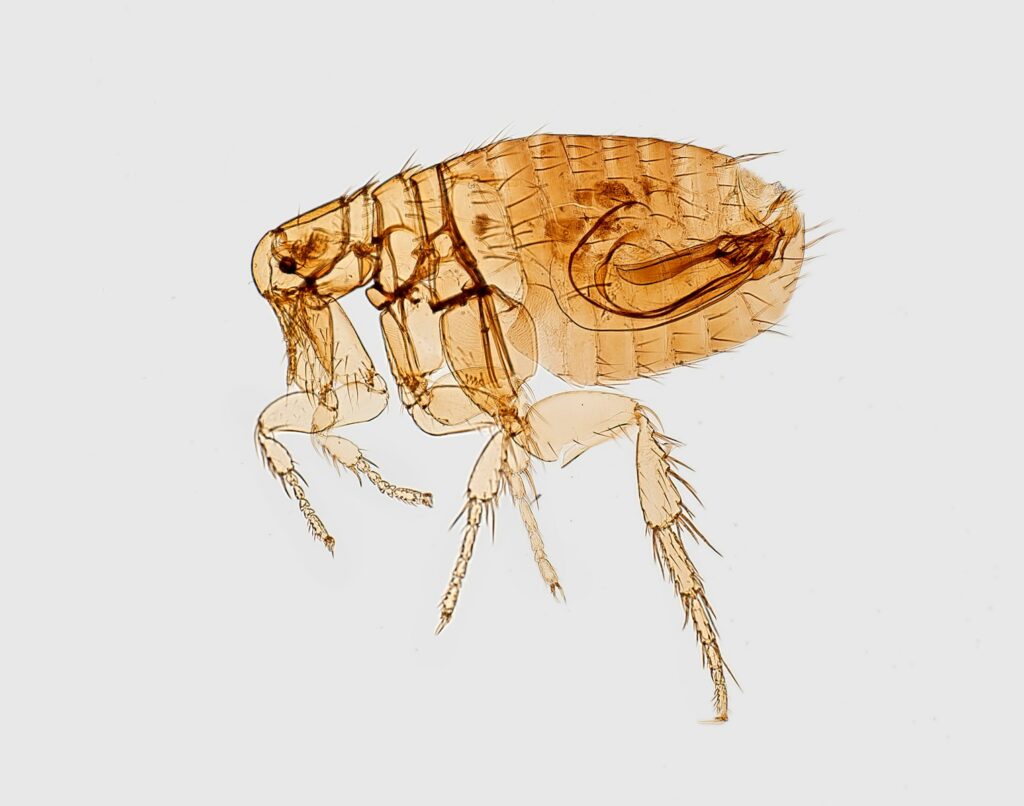
Fleas often hitch a ride into your home on pets. Once inside, they can lay eggs in carpets, bedding, and furniture. Their bites can irritate both humans and animals, and they can transmit diseases (though serious illness is rare in the U.S.). Treating both pets and the home is key.
Wasps
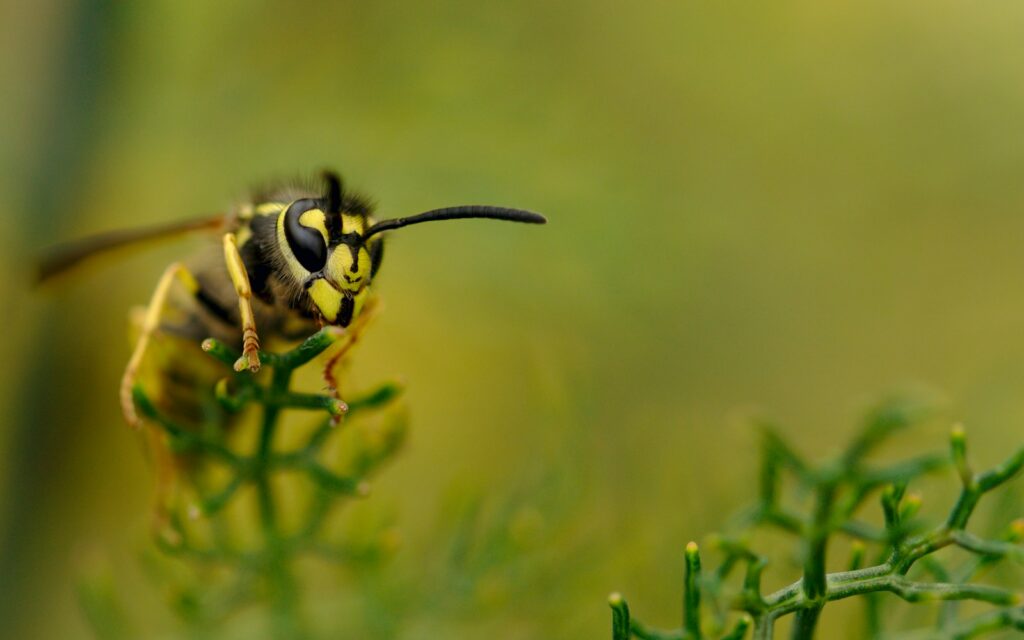
Wasps may build nests in eaves, attics, or wall voids. They can become aggressive if their nest is disturbed and will sting to defend it. For most people, stings are painful but manageable, but for those with allergies, they can be dangerous.
Spiders
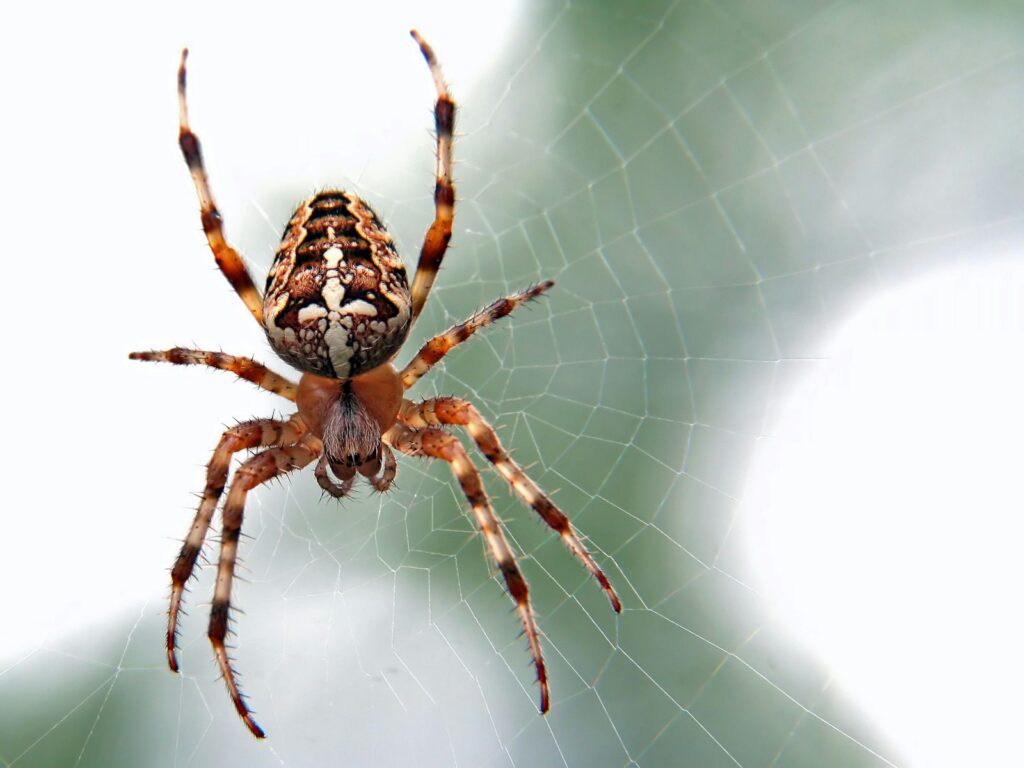
Most spiders are harmless and even help control other pests. However, a few species in North America, like the black widow and brown recluse, can deliver medically significant bites. These spiders tend to hide in dark, undisturbed areas.
Bees
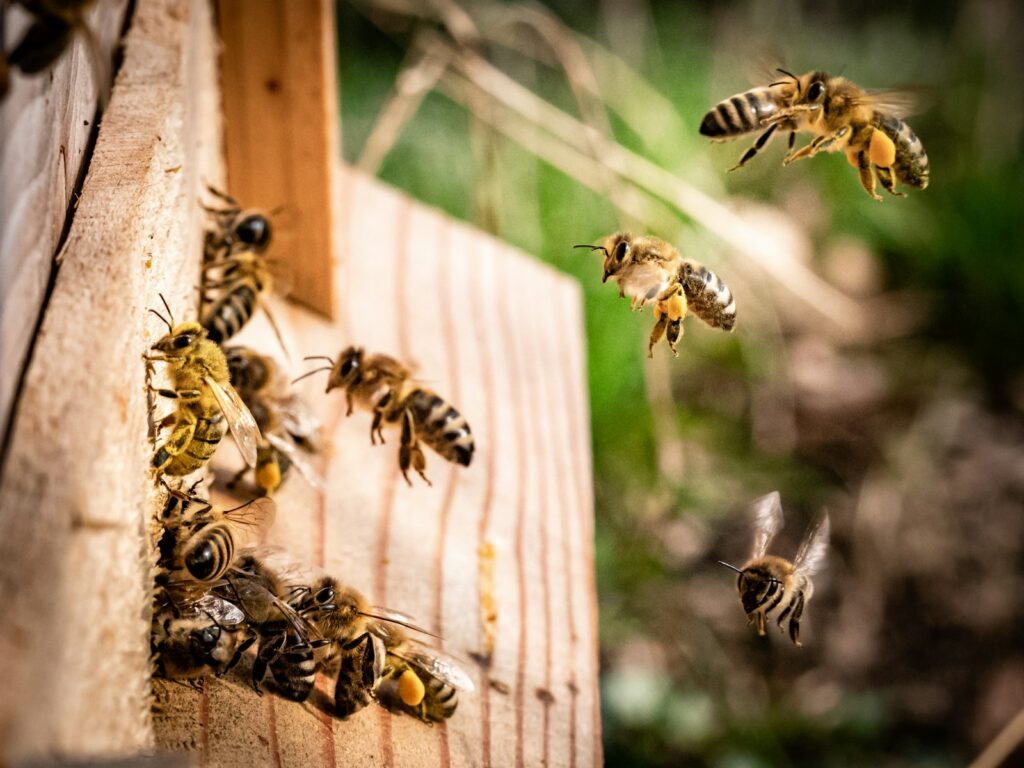
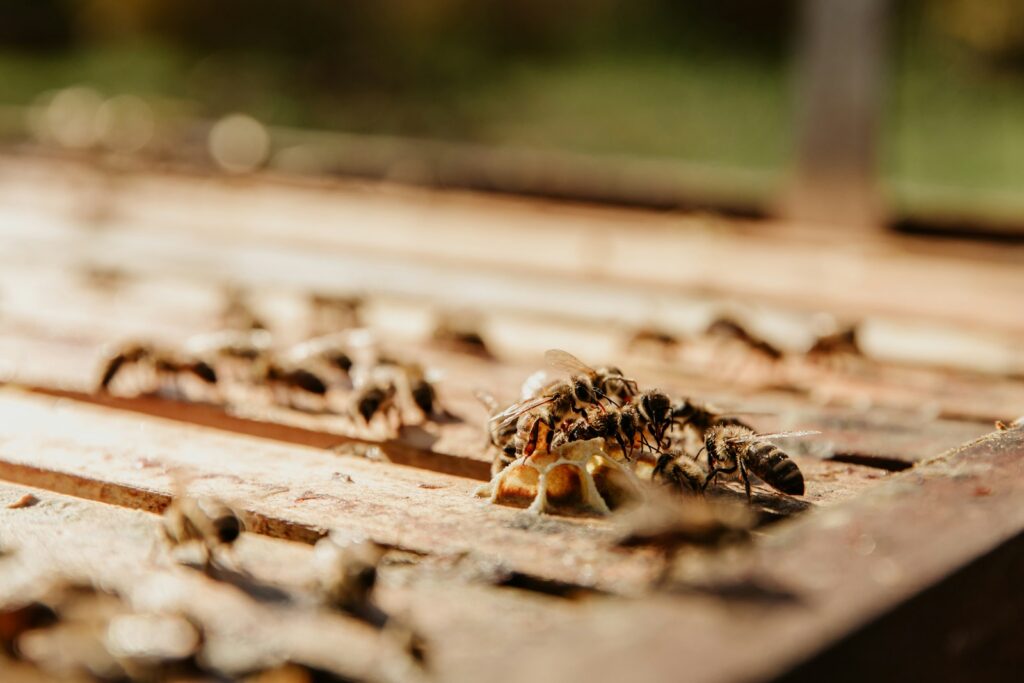
Bees are essential pollinators, but they can become a concern if they nest inside walls or near entry points. Honeybees usually sting only when threatened, but multiple stings—or stings in allergic individuals—can be serious. In many cases, professional relocation (not extermination) is recommended.
Mosquitoes
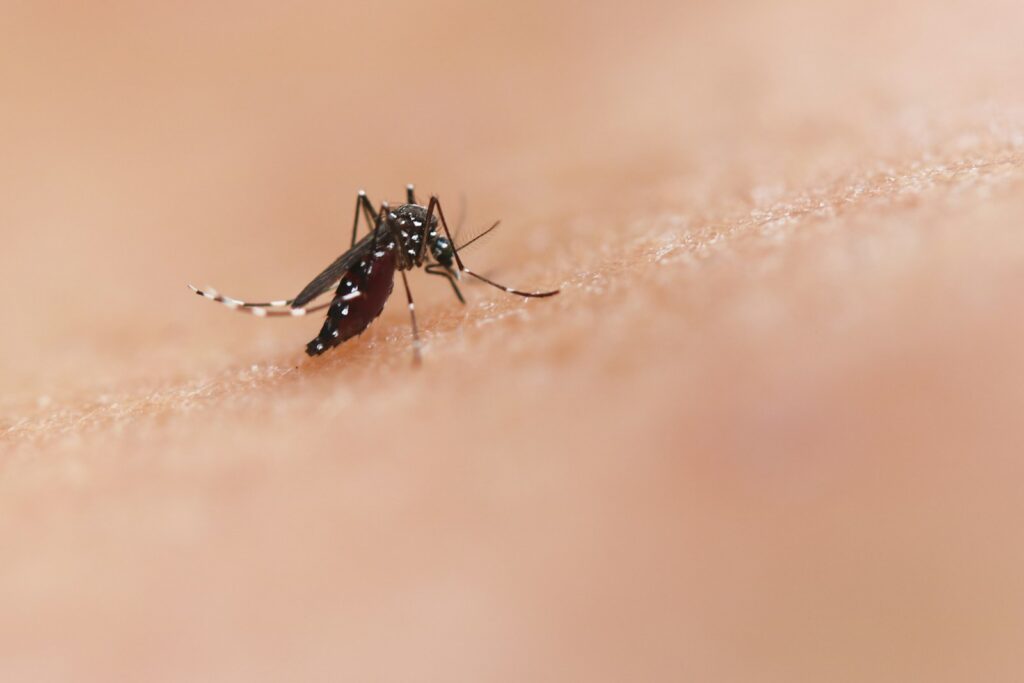
Mosquitoes are more than just itchy—they can carry diseases. In the U.S., they’re known to transmit viruses like West Nile and, more rarely, Zika. They breed in standing water, so eliminating water sources is one of the best prevention methods.
Ticks
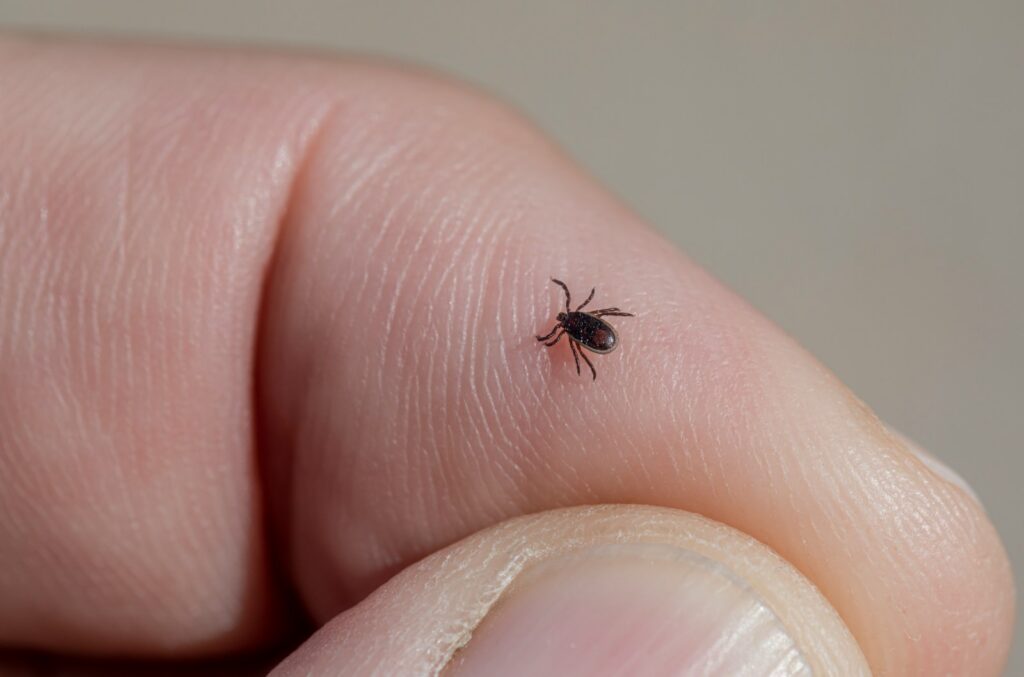
Ticks don’t typically “nest” indoors, but they can be brought inside on pets or clothing. They’re known carriers of several diseases, including Lyme disease. Prompt removal and prevention (especially for pets) are important.
Termites
Termites are one of the most destructive household pests. They feed on cellulose found in wood and can cause significant structural damage over time, often before you even notice them. Regular inspections and early treatment are key to preventing costly repairs.
Not every bug in your home is cause for alarm, but some definitely are. The best defense is prevention: keep your home clean, seal entry points, and address issues early before they turn into full-blown infestations.
Related:
- Bringing Your Outdoor Cat Inside? Avoid These Common Mistakes
- These Common Household Items Are Toxic to Pets
- The Strangest Cryptids and Legendary Creatures Ever Reported