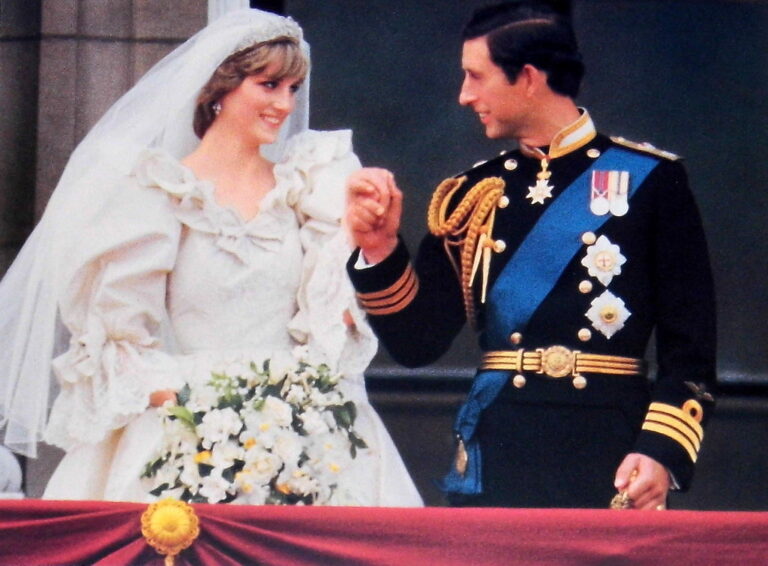
The pursuit of beauty has inspired countless trends throughout history. Some were harmless. Others were uncomfortable. And a surprising number were genuinely dangerous.
Long before modern safety regulations and scientific testing, people routinely applied toxic chemicals, swallowed hazardous substances, and endured painful procedures in the name of fashion and beauty. In some cases, these trends caused permanent injury—or even death.
Here are 10 of the deadliest beauty trends in history.
10. Belladonna Eye Drops
During the Renaissance, women sought wide, luminous eyes that were considered a sign of beauty and romance.
To achieve the look, some used drops made from belladonna, also known as deadly nightshade. The plant’s compounds dilated the pupils, creating a dramatic appearance that was highly fashionable.
The downside was significant. Regular use could cause blurred vision, headaches, sensitivity to light, and, in severe cases, poisoning. Belladonna remains toxic and potentially deadly if misused.
9. Lead-Based Face Powder
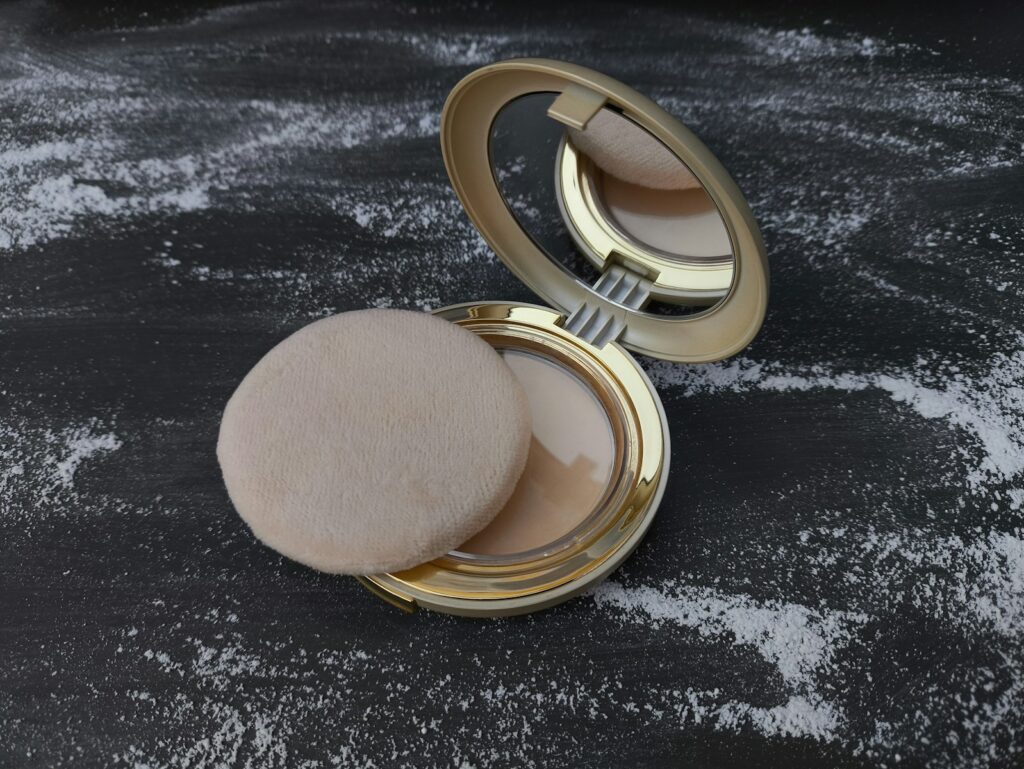
For centuries, pale skin was associated with wealth and status because it suggested a life spent indoors rather than working in the fields.
To achieve this look, many Europeans applied face powders made with white lead. The cosmetic created a smooth, porcelain complexion but slowly poisoned the wearer.
Symptoms included hair loss, tooth decay, skin damage, neurological problems, and organ failure. Some users applied the powder daily for years without realizing it was harming them.
8. Mercury Skin Treatments
Mercury was once a common ingredient in beauty products around the world.
Creams, lotions, and skin-lightening treatments often contained mercury compounds that promised smoother, brighter skin. The metal could temporarily reduce blemishes, making it popular among consumers.
Unfortunately, mercury is highly toxic. Long-term exposure can damage the nervous system, kidneys, and brain while causing tremors, memory problems, and serious health complications.
7. Arsenic Complexion Wafers
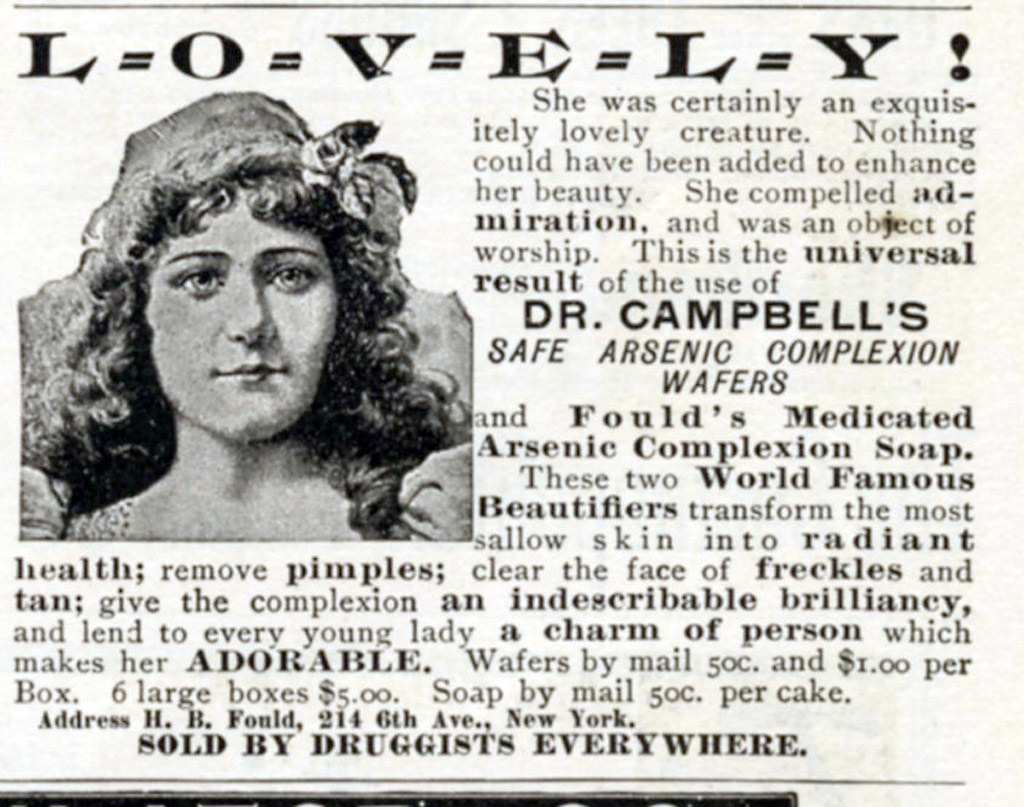
In the Victorian era, some beauty products promised to create flawless skin from the inside out.
Arsenic wafers and pills were marketed as complexion enhancers that could produce a delicate, pale appearance. Some advertisements even claimed arsenic improved health and vitality.
In reality, arsenic poisoning can cause digestive problems, nerve damage, skin lesions, organ failure, and death. Consumers often had little idea what they were actually ingesting.
6. X-Ray Shoe Fittings
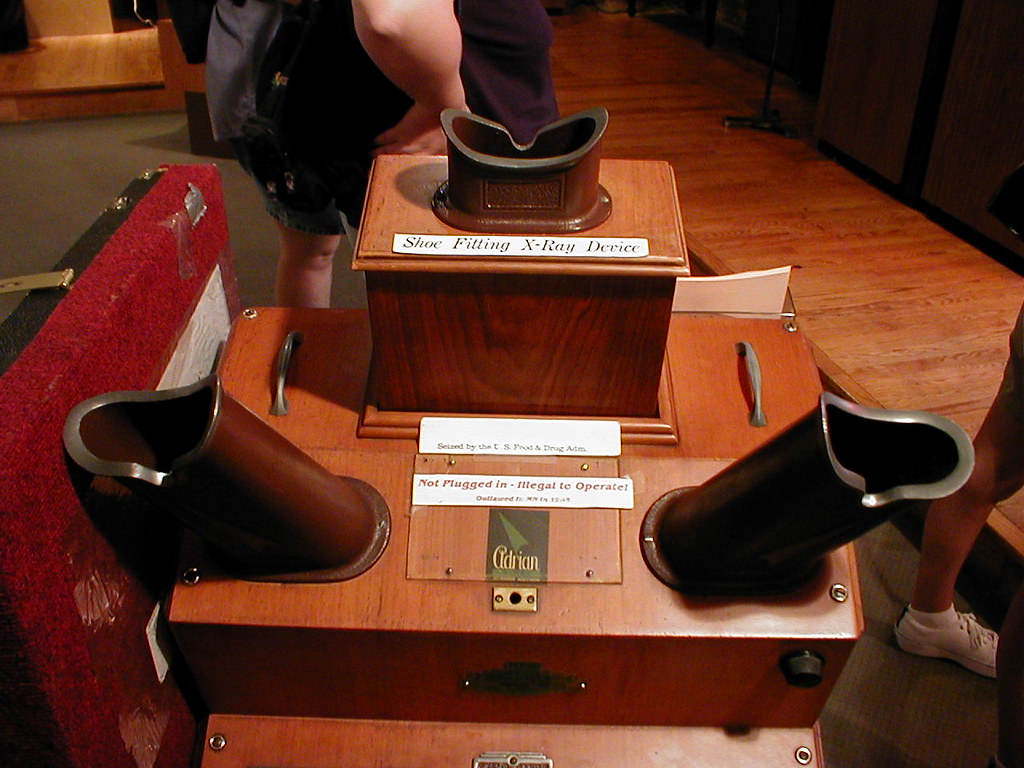
While not a cosmetic product itself, this beauty-adjacent trend reflected the obsession with fashionable footwear.
From the 1920s through the 1950s, shoe stores often featured X-ray machines that allowed customers to view the bones of their feet inside new shoes.
Children frequently used the machines repeatedly while shopping. Years later, concerns emerged about cumulative radiation exposure to customers and store employees, leading to the devices being phased out.
5. Radium Cosmetics
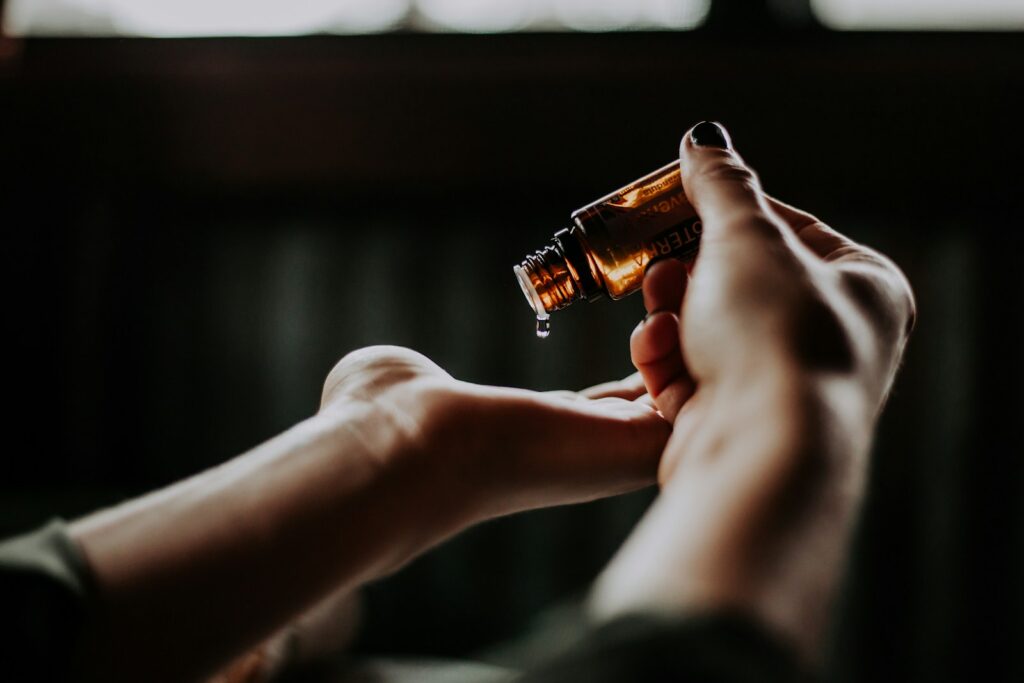
The early 20th century’s fascination with radioactivity extended into the beauty industry.
Manufacturers sold radioactive face creams, powders, soaps, and beauty treatments that promised youthful skin and increased vitality. Some products openly advertised their radium content as a selling point.
Consumers had little understanding of the long-term dangers of radiation exposure, which can damage tissues and increase cancer risk.
4. Corsets That Reshaped the Body
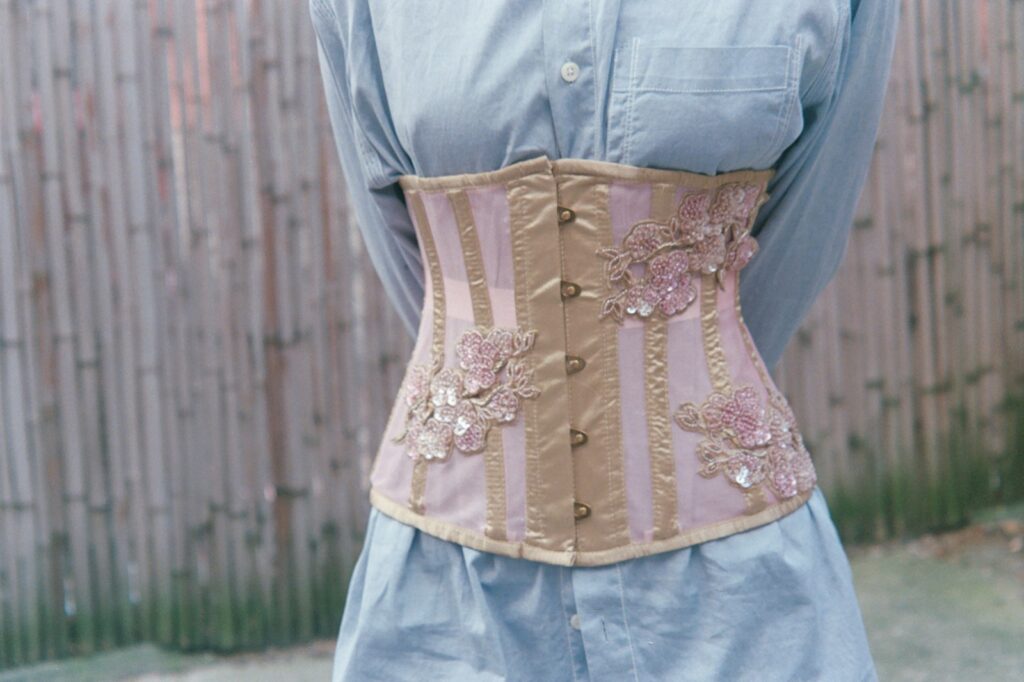
Victorian corsets remain one of history’s most famous fashion trends.
While many women wore corsets safely, extreme tight-lacing became fashionable in some circles. The practice dramatically reduced waist size by compressing the ribcage and internal organs.
Medical reports from the period described breathing difficulties, digestive problems, fainting episodes, and musculoskeletal issues associated with excessive tight-lacing.
3. Hair Dye Made With Lead
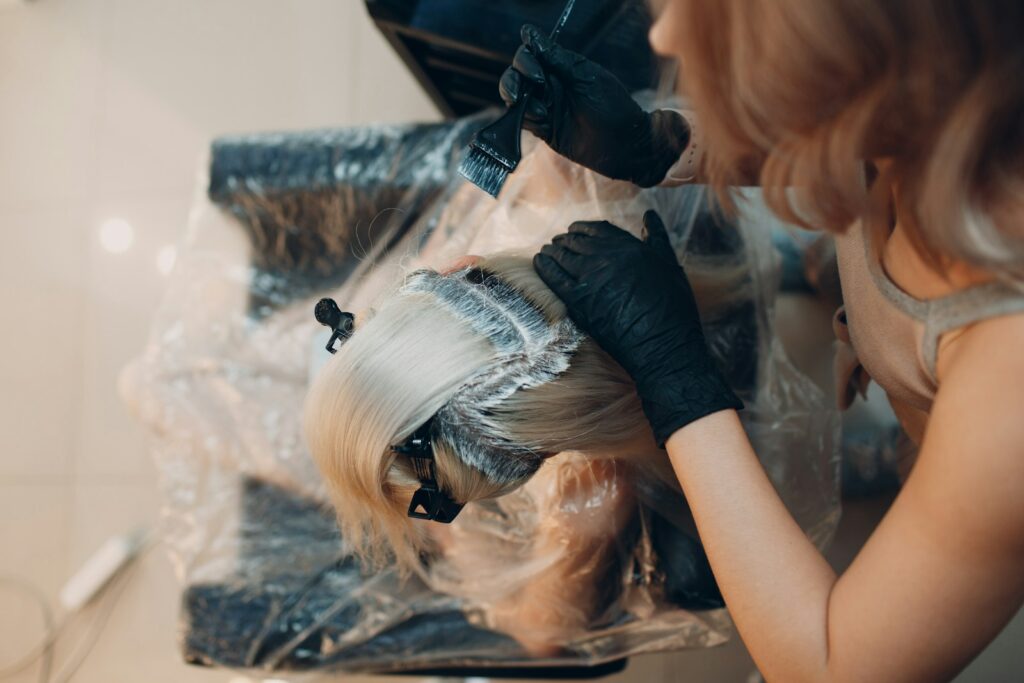
Before modern cosmetic regulations, hair dyes often contained ingredients that would never be approved today.
Some popular formulas relied on lead acetate to gradually darken gray hair. Users applied the products repeatedly, exposing themselves to a toxic heavy metal over long periods.
Chronic lead exposure has been linked to neurological damage, kidney problems, reproductive issues, and other serious health concerns.
2. Foot Binding
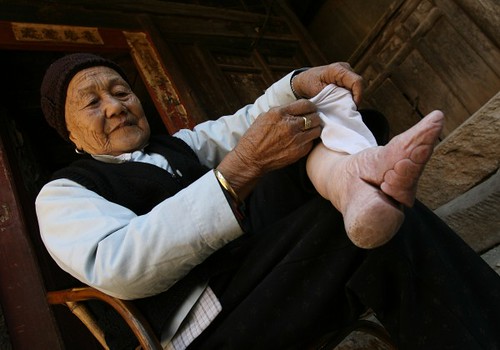
For nearly a thousand years, foot binding was practiced among some communities in China.
Young girls’ feet were tightly wrapped to prevent normal growth, creating the small “lotus feet” that were considered beautiful and desirable. The process often began in childhood and permanently altered the structure of the foot.
Many women experienced lifelong pain, infections, mobility limitations, and complications resulting from the practice.
1. The Radium Girls’ Beauty Routine
The deadliest beauty-related trend may have involved workers rather than consumers.
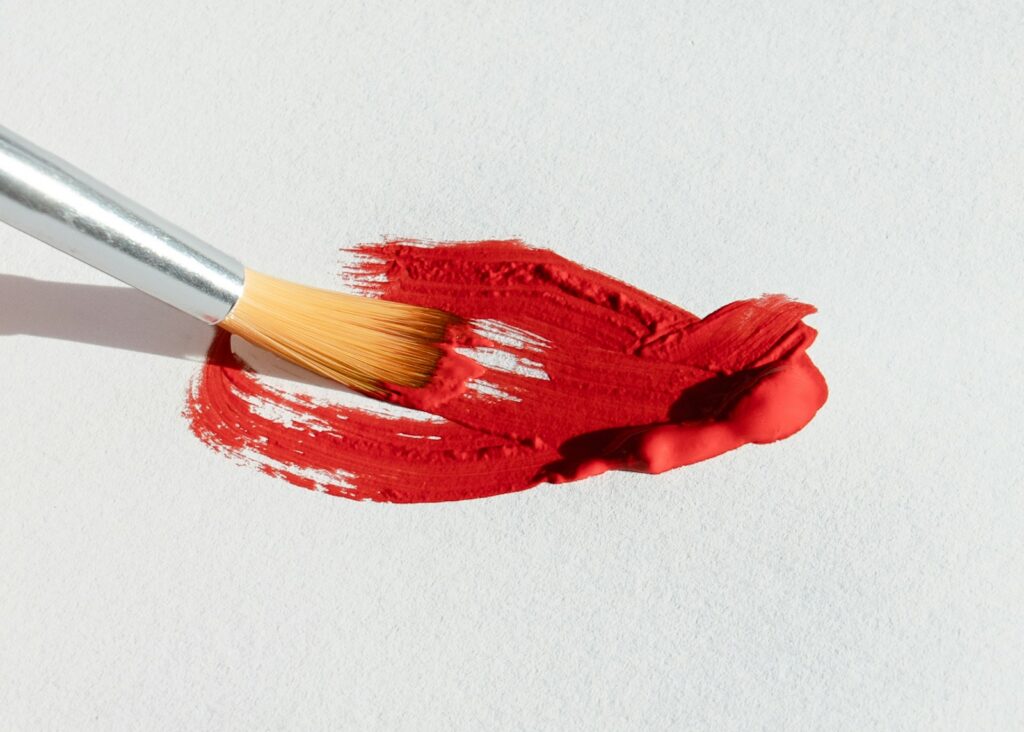
In the early 1900s, women employed to paint glow-in-the-dark watch dials used radium-based paint. Many were encouraged to point their brushes with their lips, accidentally ingesting radioactive material throughout the workday.
Some workers even used the glowing paint on their nails, teeth, and skin for fun. The consequences were devastating. Many developed severe radiation poisoning, jaw deterioration, cancer, and other fatal illnesses.
Their lawsuits helped establish modern workplace safety standards and increased public awareness of radiation dangers.
Why Dangerous Beauty Trends Persisted
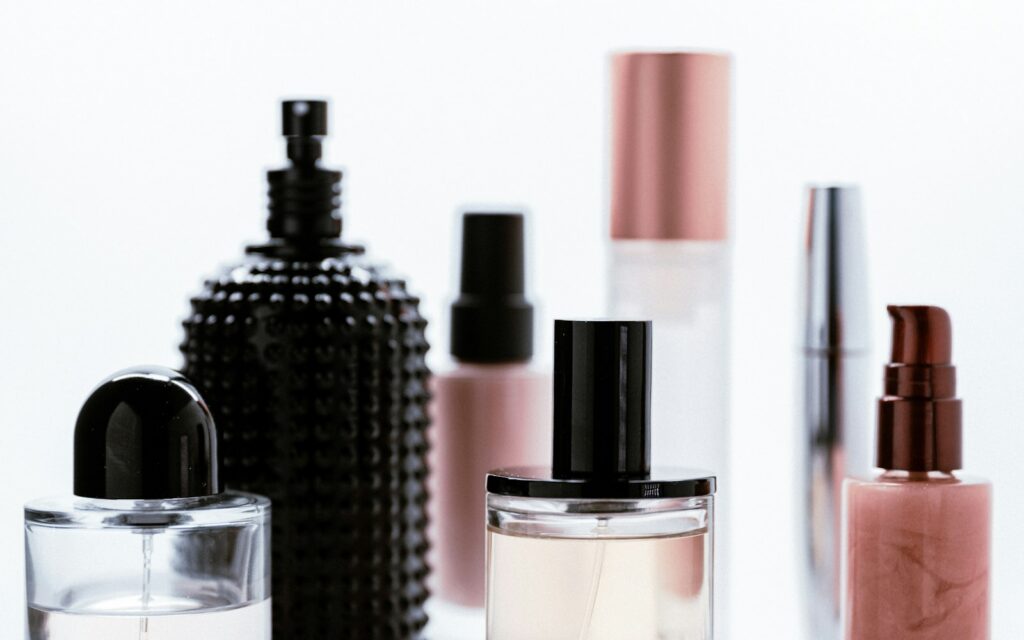
Many of these practices became popular because people lacked access to modern scientific information. Others were fueled by aggressive marketing, social pressure, or beauty ideals that prioritized appearance over health.
In many cases, the risks emerged gradually over years, making it difficult for consumers to connect their health problems to the products they used.
The Legacy of Beauty Safety
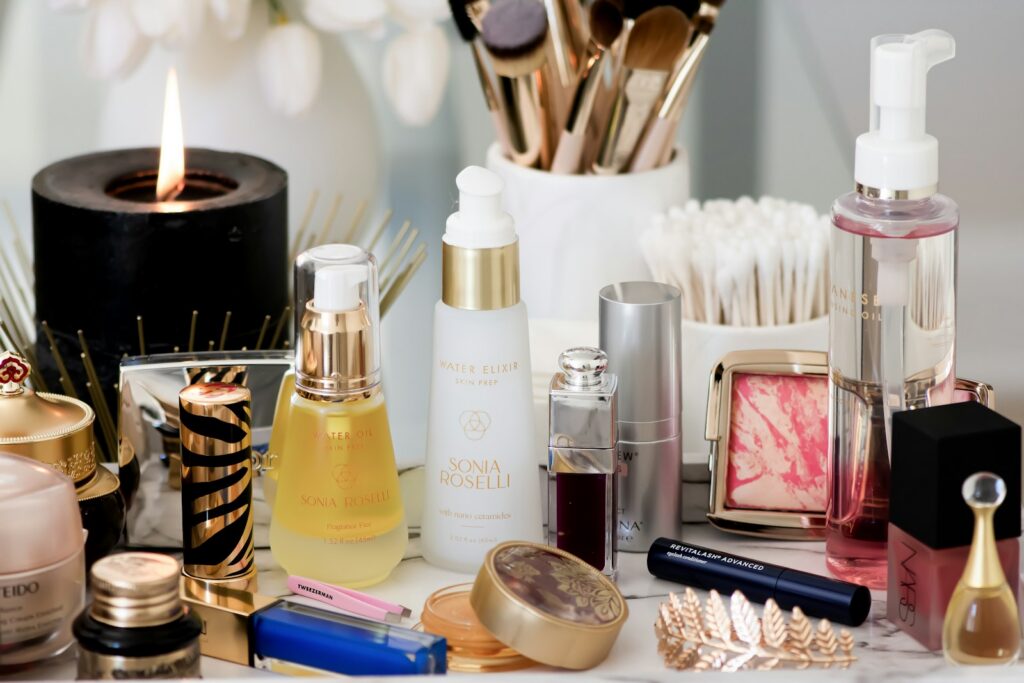
Today’s cosmetics are far safer than many products from the past, thanks to scientific testing, ingredient regulations, and consumer protections.
Still, the history of beauty trends serves as a reminder that “new” and “popular” do not always mean safe. From lead powder to radioactive face cream, the pursuit of beauty has sometimes come at a surprisingly high cost.
Read More:
- 10 Times Science Fiction Predicted the Future
- 15 “Historical” Movies That Got a Lot Wrong
- 10 Ancient Cities That Still Puzzle Historians