

In recent years, South Korea has seen a surge in the popularity of so-called “dopamine sites.” These online platforms provide virtual consumption experiences that mimic real-world activities, offering users the emotional thrill of shopping, eating, or socializing without spending a dime. This trend is particularly appealing to young South Koreans facing economic pressures and a culture of high consumerism.
These sites capitalize on the brain’s reward system, offering a sense of anticipation and satisfaction similar to real purchases. Let’s explore the reasons behind South Korea’s fascination with these innovative digital platforms.
Here are 10 reasons why “dopamine sites” have captured the hearts of many in South Korea:
10. Emotional Satisfaction Without Financial Strain

These sites allow users to experience the joys of shopping and dining without the financial burden.
By simulating purchases, users can enjoy the thrill of anticipation and satisfaction, which is often enough to fulfill their desires.
9. Hyper-Realistic Experiences
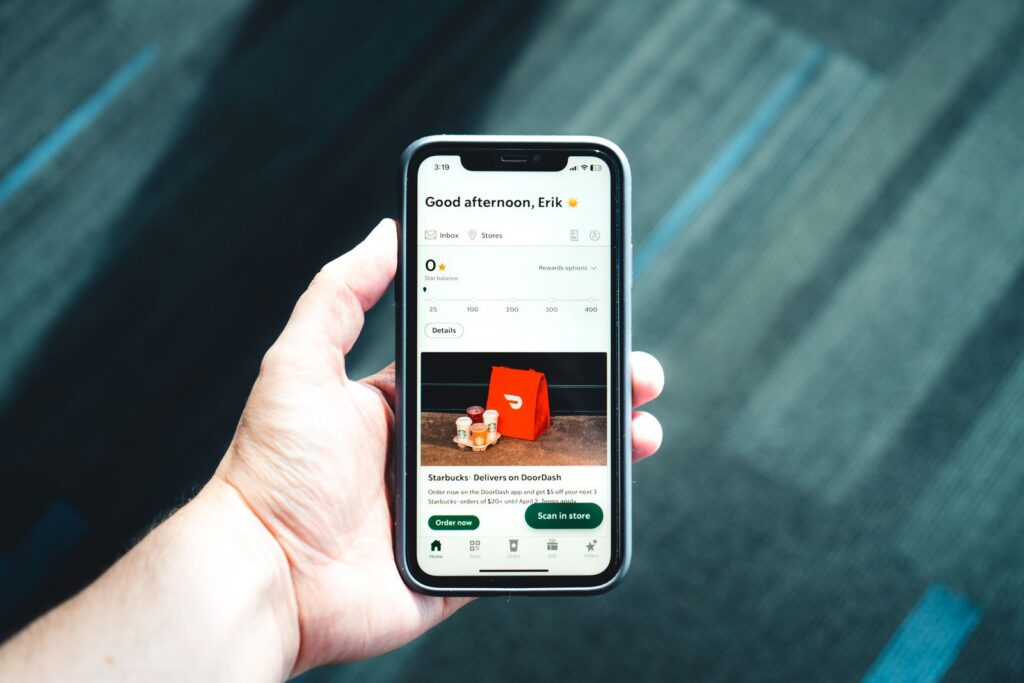
The sites mimic major e-commerce and food delivery apps, providing a realistic experience.
From browsing menus to watching a virtual courier, these platforms replicate the entire consumption journey.
8. Positive Reinforcement
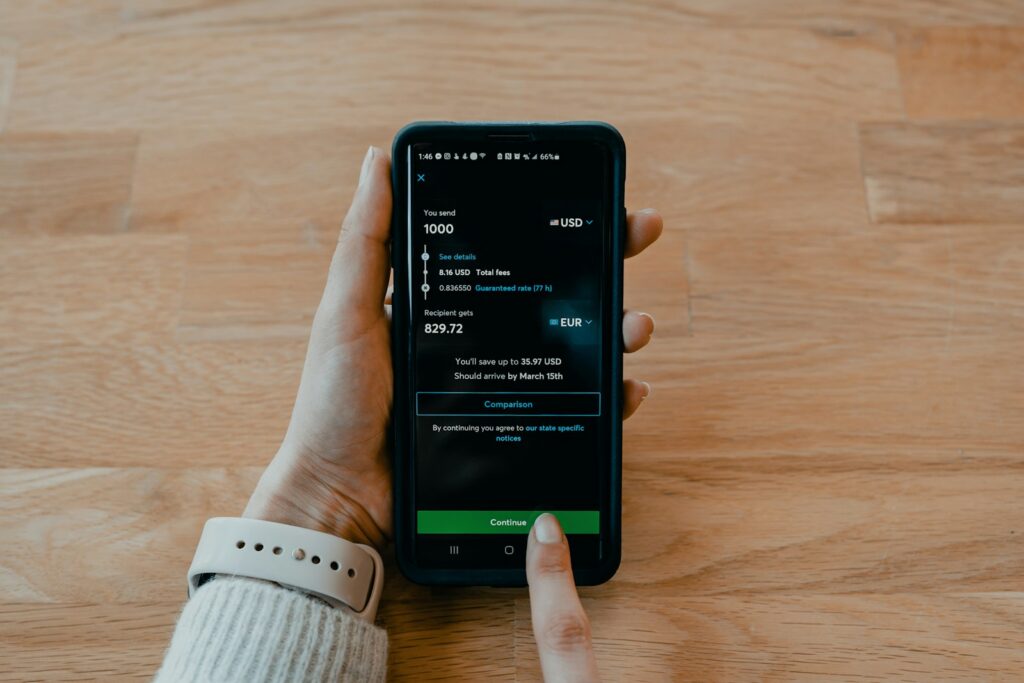
Some sites offer rewards like calories or cash saved, reinforcing the decision not to purchase.
This feedback loop encourages users to continue engaging with these platforms, reinforcing positive behavior.
7. Coping with Economic Pressures

With rising living costs, these sites offer a financial reprieve for those feeling economic strain.
They provide a way to engage in consumer culture without the associated expenses.
6. Managing Cravings

For some, these sites help manage late-night cravings by simulating the ordering process.
This allows users to satisfy their desires without actual consumption, aiding in self-control.
5. Social Connection

Virtual break rooms offer a sense of community and connection, reducing loneliness.
These platforms recreate social rituals, providing a space for interaction without physical presence.
4. Ritualistic Comfort

Engaging in familiar rituals like ordering food or taking breaks provides comfort and structure.
These activities can offer a break from stress, tapping into the soothing nature of routine.
3. Mental Simulation

These platforms allow users to simulate future experiences, triggering real emotions.
Anticipating an event can be as rewarding as the event itself, providing a psychological boost.
2. Safe Exploration

Users can explore desires and fantasies without real-world consequences.
This safe space allows for experimentation, helping users understand and manage their impulses.
1. Behavioral Substitution

These sites offer a substitute for real-world behaviors, potentially reducing harmful habits.
By associating virtual experiences with positive outcomes, users may develop healthier habits over time.
Read More:
- 10 Reasons Gen Z Singles Are Embracing ‘Solomaxxing’
- The Rise of “Glowing Down”: Gen Z’s Simpler Beauty Approach
- Why Gen Z Is Frustrating Employers (And Changing Work Forever)