
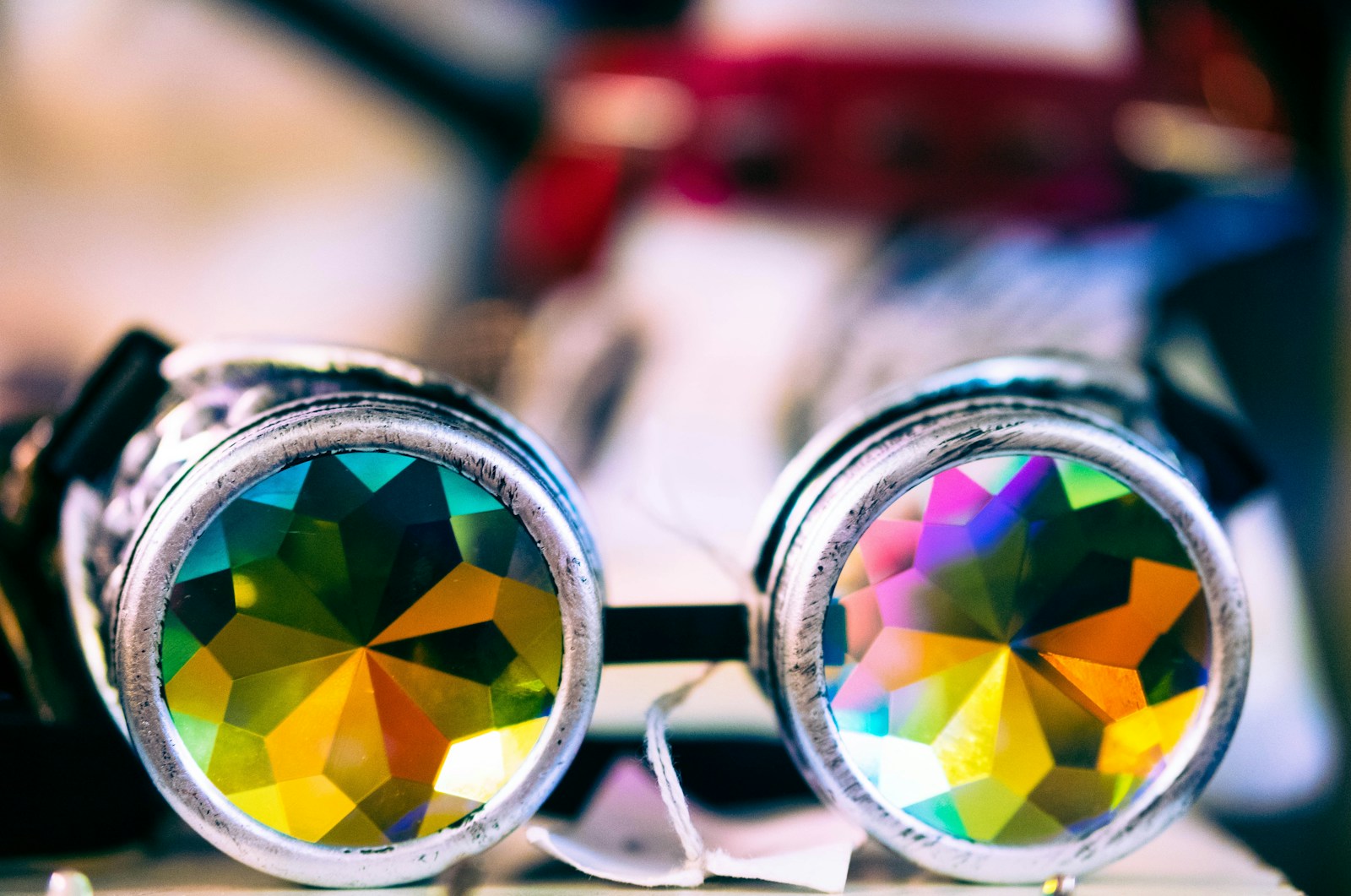
Synesthesia is a remarkable condition where the boundaries between senses blur, leading to extraordinary perceptual experiences. For some individuals, this means seeing colors when they hear music or visualizing time in a spatial format. This fascinating phenomenon challenges our conventional understanding of perception and reality.
While synesthesia is not universally experienced, it provides a unique lens through which to explore the human mind and its capabilities. Here are 10 captivating insights into the world of synesthesia.
10. Seeing Time as a Physical Space

For some synesthetes, time is not just an abstract concept but a tangible entity.
These individuals might visualize a week as a circle surrounding them or a year as a spiral stretching out into the distance. Such vivid perceptions can influence how they organize their daily lives.
9. Colors and Days of the Week

In the world of synesthesia, days of the week can have distinct colors.
For example, Monday might be perceived as blue, while Wednesday is vividly green. This association between colors and days adds a layer of sensory richness to everyday experiences.
8. Shapes and Months

Months of the year can take on unique shapes for those with synesthesia.
One might envision January as a triangular shape while March appears as a circle. This synesthetic experience transforms the abstract concept of time into a more concrete and visual form.
7. Enhanced Memory Abilities

Synesthesia can lead to remarkable memory capabilities.
Some synesthetes report an enhanced ability to recall events and details, possibly due to the additional sensory cues that accompany their memories.
6. Music and Color Fusion
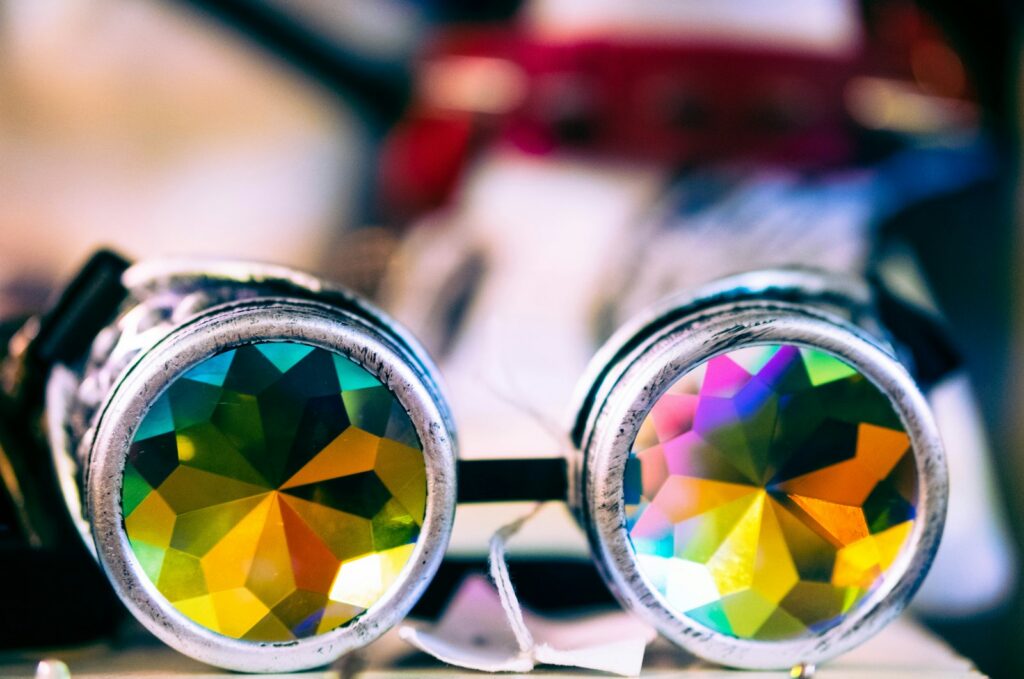
For some, music is not just heard but seen.
Notes and melodies might trigger a kaleidoscope of colors, enhancing the auditory experience with a vibrant visual display. This fusion of senses creates a unique and immersive way to enjoy music.
5. Letters and Numbers with Personalities
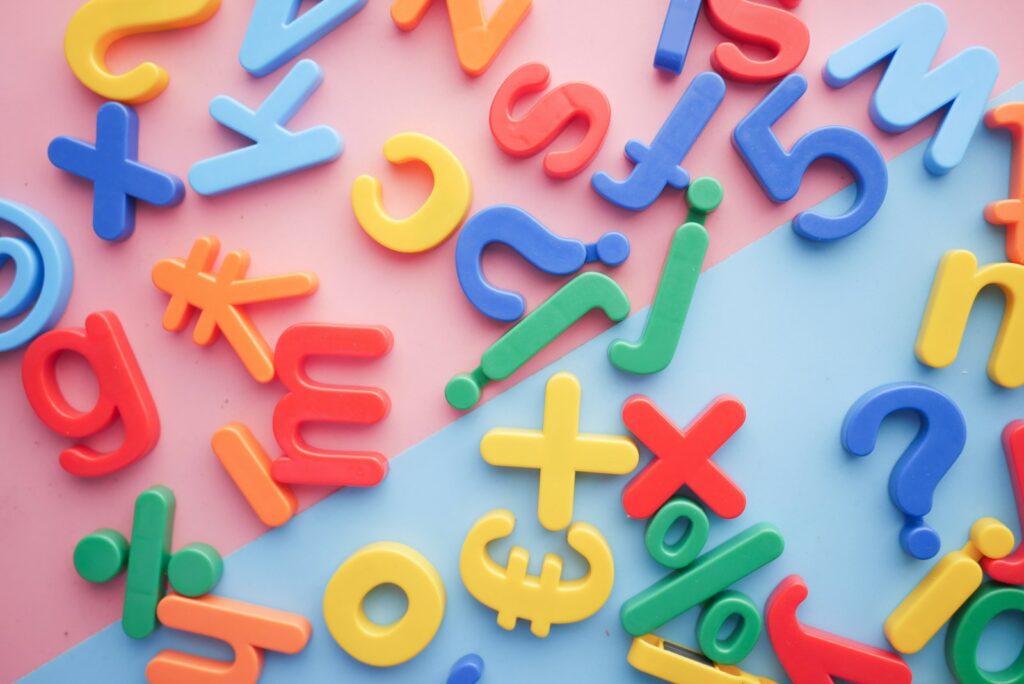
In some cases, letters and numbers have distinct personalities or colors.
This personification adds a layer of depth to reading and mathematics, making these experiences more engaging and personal for synesthetes.
4. The Genetic Link

Synesthesia often runs in families, suggesting a genetic component.
Research indicates that this condition might be passed down through generations, with certain genes influencing the likelihood of developing synesthetic traits.
3. Creativity and Synesthesia

Many synesthetes are noted for their creativity and artistic abilities.
The blending of senses can inspire unique artistic expressions, with synesthetes often excelling in fields like music, visual arts, and literature.
2. The Quiet Influence on Perception

Synesthesia quietly shapes the way some individuals perceive the world.
This condition offers a different perspective on reality, enriching everyday experiences with a depth and complexity that others might not perceive.
1. A Hidden Superpower

Synesthesia is often described as a hidden superpower.
While not visible to others, this condition can provide synesthetes with unique insights and abilities that enhance their interaction with the world around them.
Read More:
- 5-Minute Mental Health Check-Ins You Can Do Anywhere
- 15 Tiny Mindset Changes That Can Improve Your Mental Health
- Tuning Into Tinnitus: What to Do When Silence Isn’t Quiet