Designing a great car is harder than it looks. Automakers must balance engineering, safety, performance, style, and cost—all while trying to predict what drivers actually want.
Sometimes everything comes together perfectly. Other times… not so much.
Throughout automotive history, certain vehicles have become infamous for reliability problems, disappointing performance, or design choices that left buyers scratching their heads.
Some of the cars on this list sold surprisingly well despite their flaws. Others became cautionary tales that manufacturers would rather forget.
Here are 15 cars that earned a reputation for being among the most problematic, controversial, or disappointing vehicles ever sold.
15. Crosley Hotshot
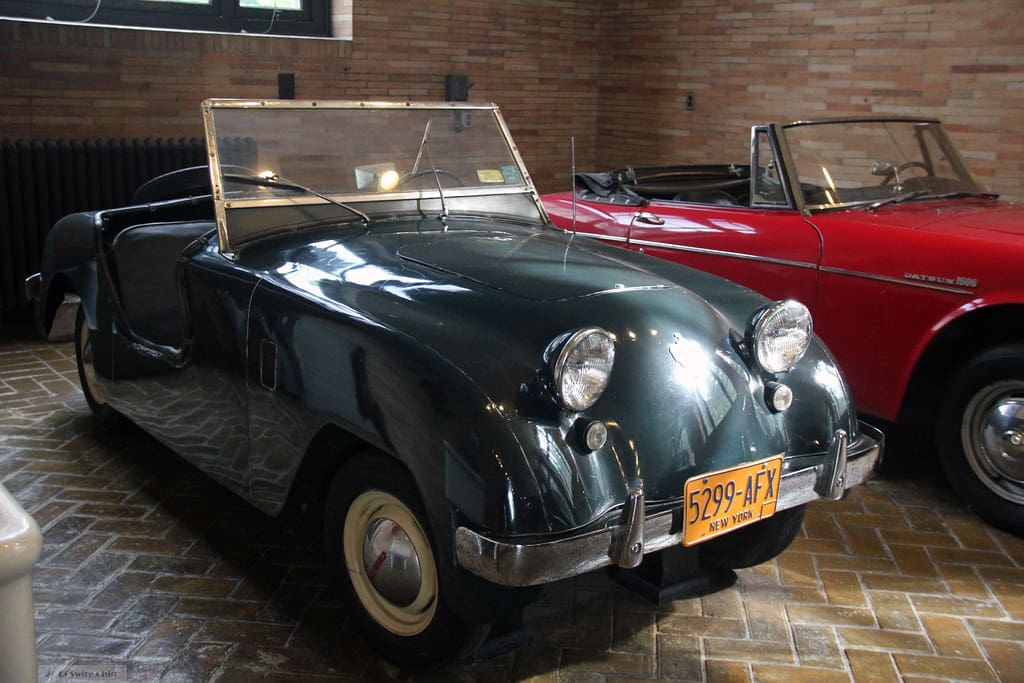
The Crosley Hotshot holds an unusual place in automotive history. Introduced in 1949, it’s often considered the first American post-war sports car.
Unfortunately, its innovative ideas didn’t always translate into reliability. Early versions used a lightweight engine design that suffered durability issues, especially when pushed hard.
While the car was small, affordable, and even found some racing success, many owners quickly learned that the Hotshot’s engineering quirks could make everyday driving frustrating.
It was a bold attempt at a new kind of American sports car—but not exactly a polished one.
14. Renault Dauphine
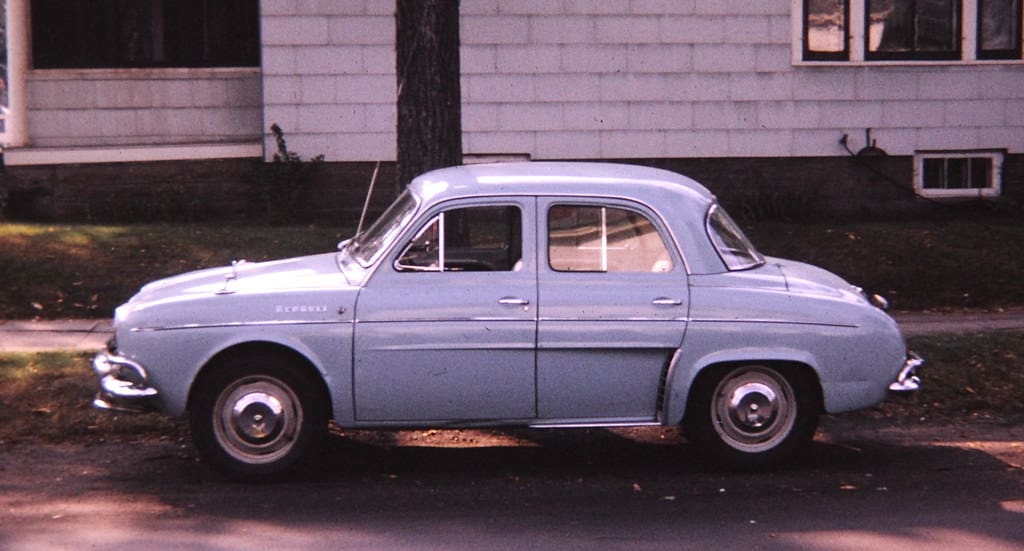
The Renault Dauphine became a surprising sales success in the United States during the late 1950s.
However, its reputation didn’t age well. The compact car struggled with slow acceleration and durability problems, particularly in American driving conditions.
Rust issues and reliability concerns eventually hurt its long-term reputation.
While millions were sold worldwide, the Dauphine is often remembered today as one of the more troublesome imports to gain popularity in the U.S.
13. Ford Edsel
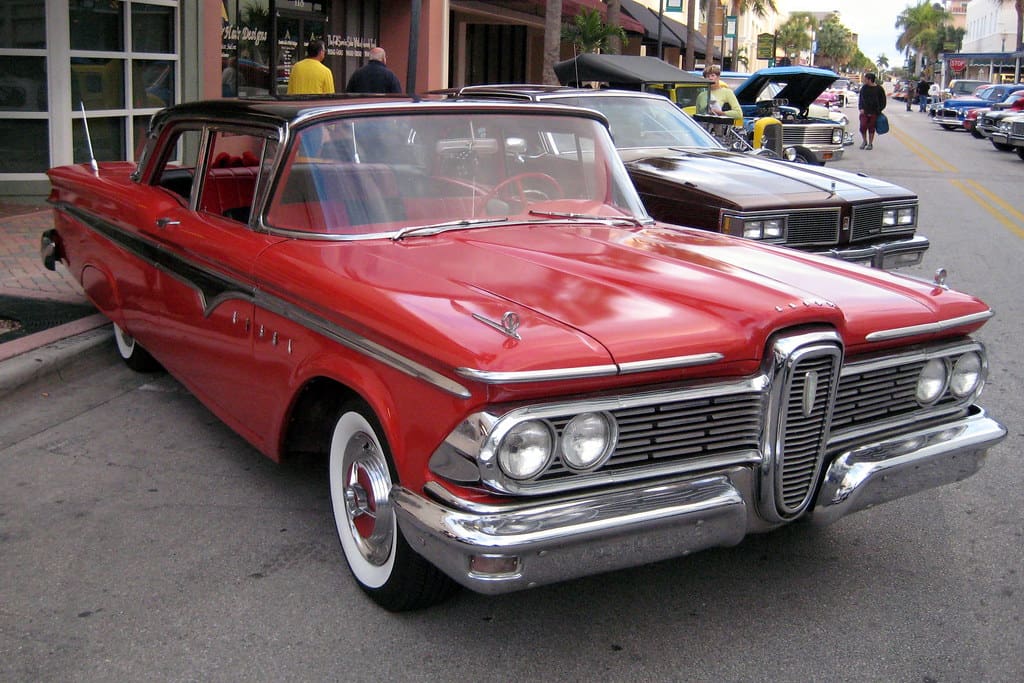
Few automotive flops are as famous as the Ford Edsel.
Introduced in 1958 with enormous marketing hype, the Edsel was supposed to become Ford’s next big brand. Instead, confusing styling and disappointing sales turned it into one of the most notorious failures in automotive history.
The distinctive vertical grille became the subject of endless jokes, and the brand lasted only a few years.
Today, the Edsel is remembered less for mechanical problems and more for being one of the most famous marketing misfires ever.
12. Amphicar
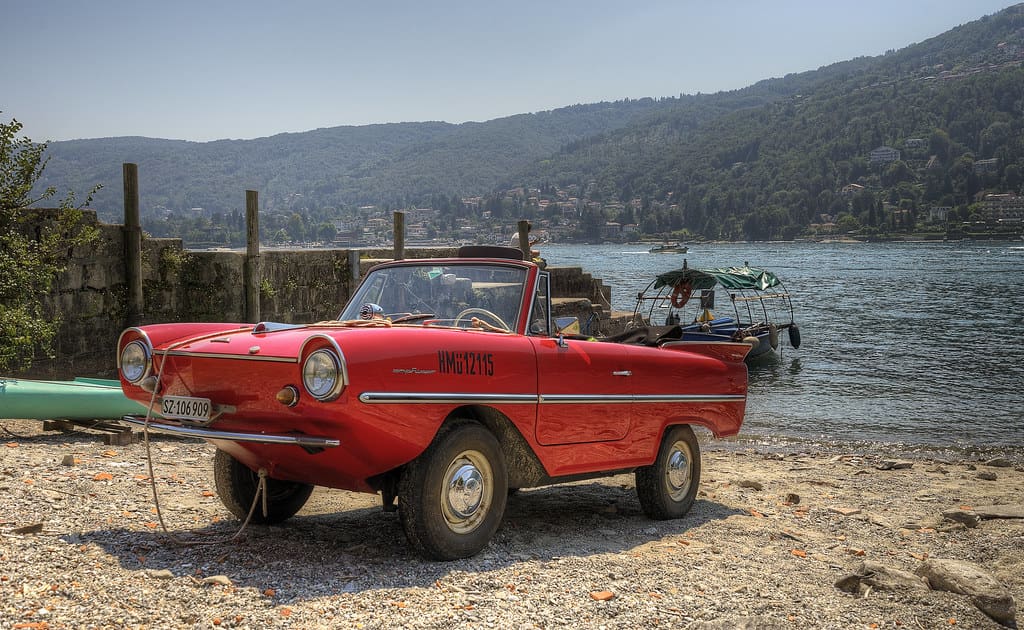
The Amphicar was exactly what it sounded like: a car that could also function as a boat.
Built in the 1960s, it could drive into the water and cruise across lakes using small propellers. While the concept was undeniably fun, the execution left much to be desired.
On land, the Amphicar was slow and awkward. On water, it wasn’t particularly impressive either.
Still, it remains one of the most unusual vehicles ever sold—and a fascinating example of ambitious engineering.
11. Triumph Stag
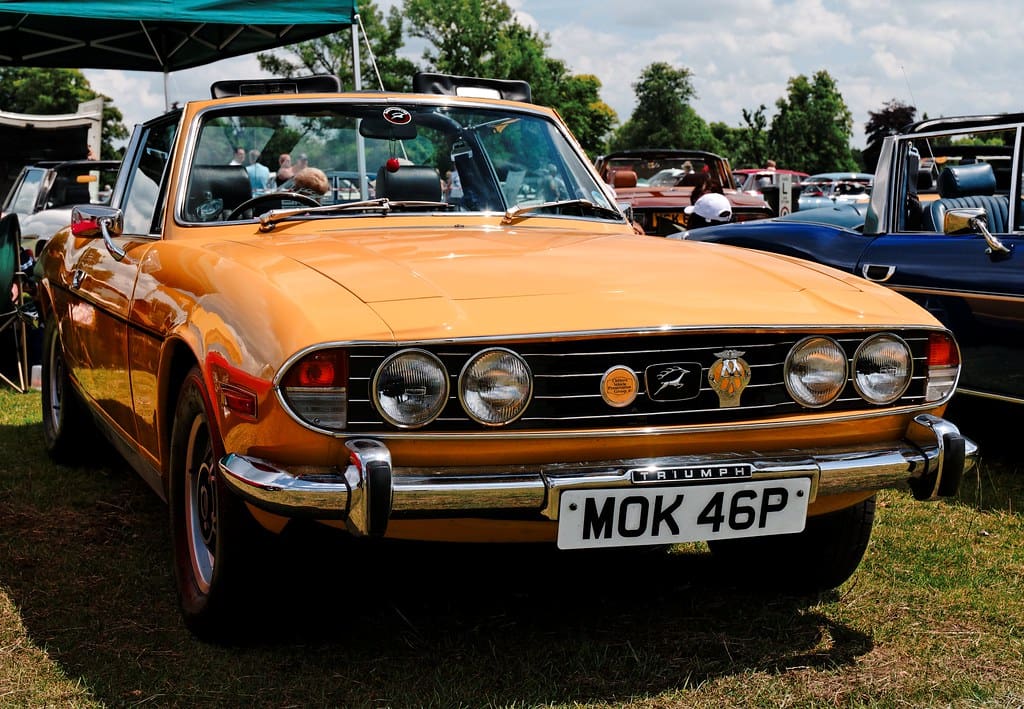
The Triumph Stag had the potential to be a classic British grand tourer. Its sleek styling and convertible design made it look like a serious rival to other luxury sports cars of the era.
Unfortunately, the car’s V8 engine quickly developed a reputation for overheating and mechanical problems.
Many owners ended up replacing the original engine with alternatives just to keep the car running reliably.
Today, well-restored Stags can be enjoyable classics, but their early reliability issues still define the model’s reputation.
10. Bricklin SV-1
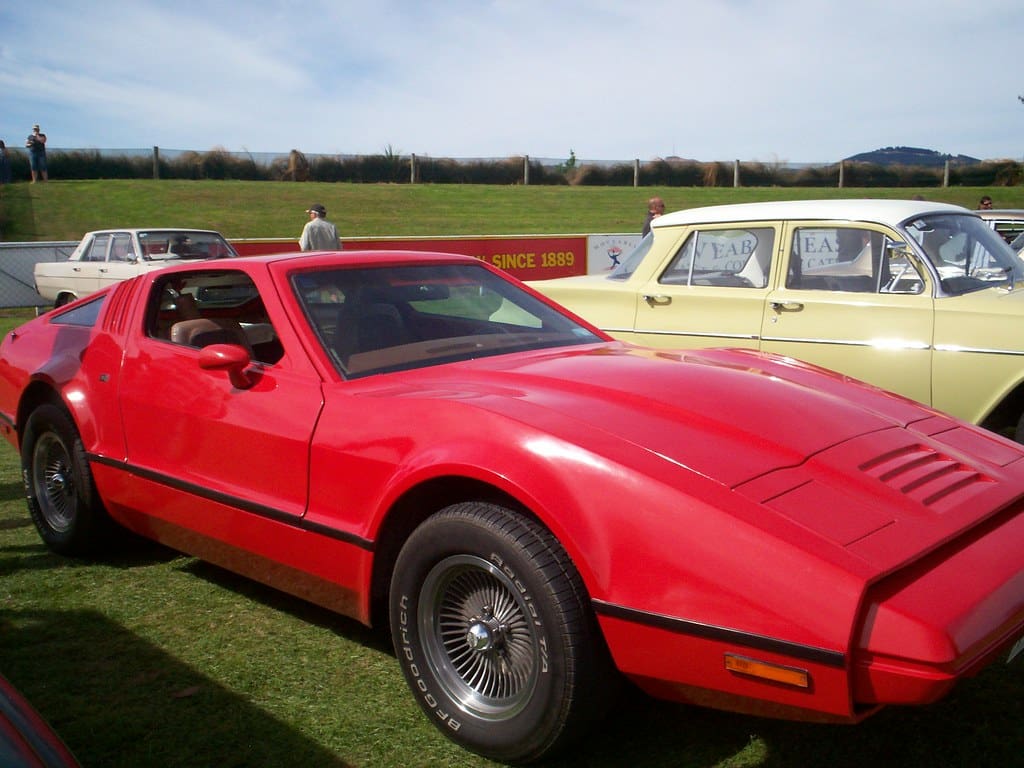
The Bricklin SV-1 was marketed in the 1970s as a futuristic “safety sports car.”
It featured distinctive gull-wing doors and energy-absorbing body panels meant to improve crash protection.
However, the car’s ambitious design was plagued by production issues and inconsistent quality. The gull-wing doors, in particular, were known for slow and unreliable operation.
Despite the bold concept, the Bricklin brand lasted only a short time, making the SV-1 a rare but troubled chapter in automotive history.
9. Chevrolet Chevette
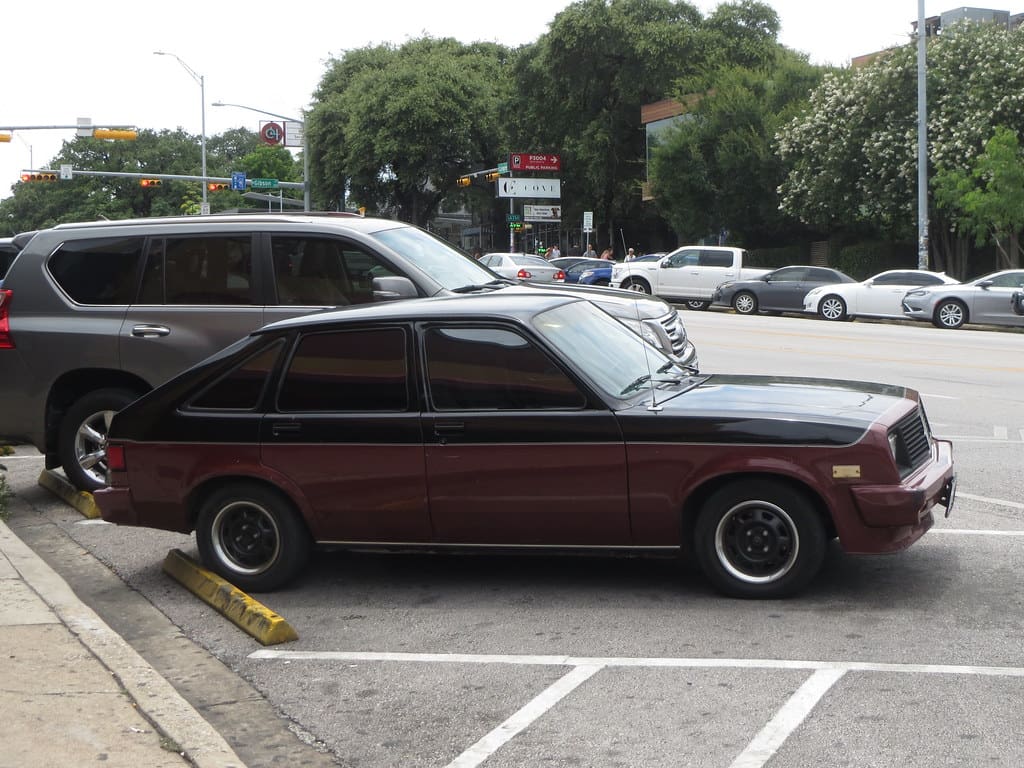
The Chevrolet Chevette was never meant to be exciting. Introduced in the 1970s, it was designed to be a simple, affordable compact car during an era when fuel economy mattered more than performance.
In that role, it actually sold quite well.
However, its modest power and basic design made it one of the least exciting cars of its era. With minimal horsepower and simple styling, it became a symbol of the no-frills economy cars of the time.
Reliable? Often yes. Thrilling? Definitely not.
8. AMC Pacer
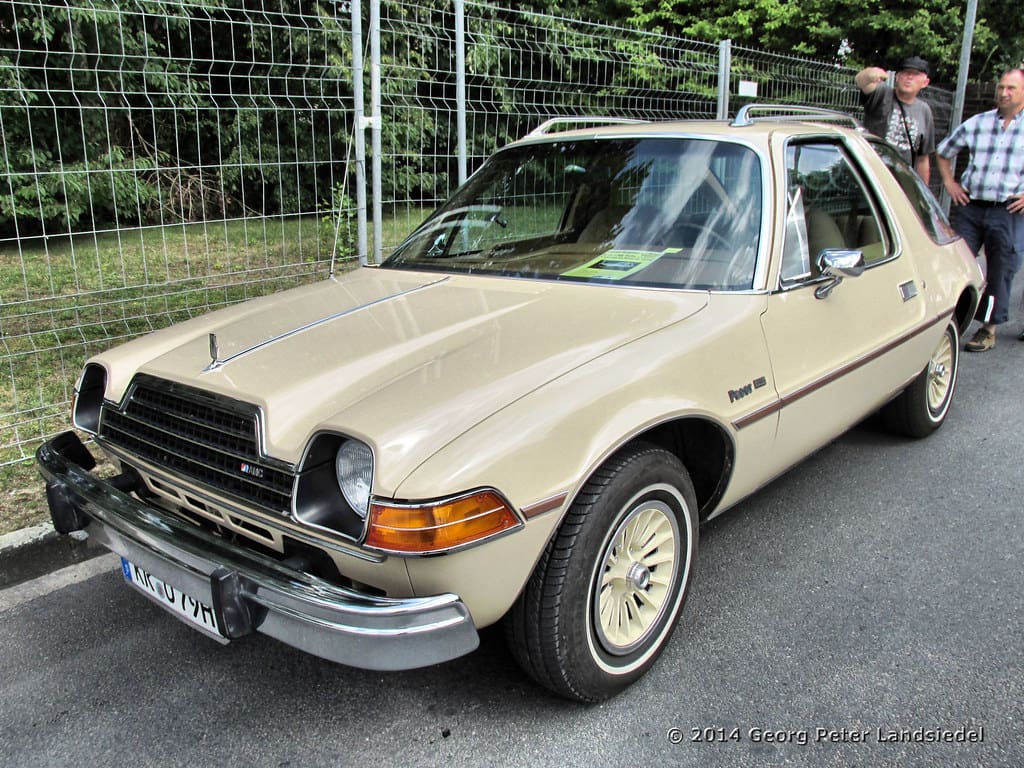
The AMC Pacer is one of the most recognizable cars of the 1970s—mostly because it looks unlike anything else.
Its rounded shape and enormous windows were meant to create a futuristic compact car with excellent visibility.
Instead, the unusual styling earned it a reputation as one of the strangest cars ever produced.
Despite the jokes, the Pacer wasn’t entirely unsuccessful. But its design remains one of the most debated in automotive history.
7. Ferrari Mondial 8
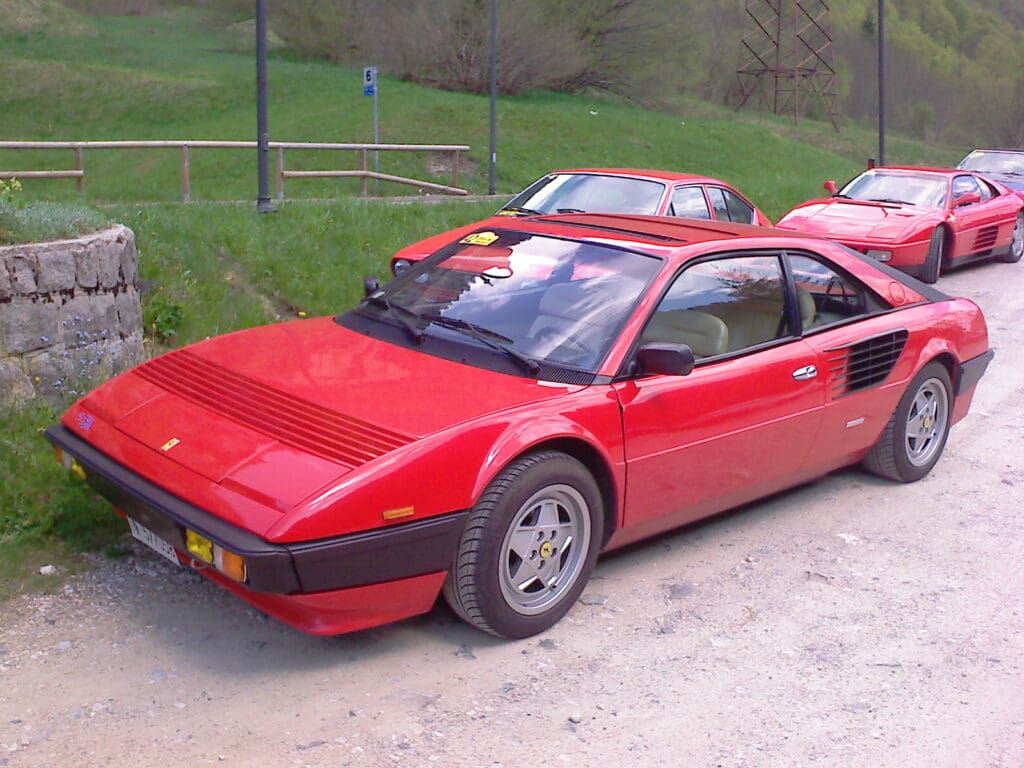
Even legendary automakers occasionally produce disappointing models.
The Ferrari Mondial 8, introduced in 1980, received criticism for being heavier and slower than many buyers expected from a Ferrari.
While it offered four seats and improved practicality, early versions struggled to deliver the performance enthusiasts wanted.
Later versions improved significantly, but the Mondial 8’s lukewarm reception has continued to shape its reputation.
6. Cadillac Cimarron
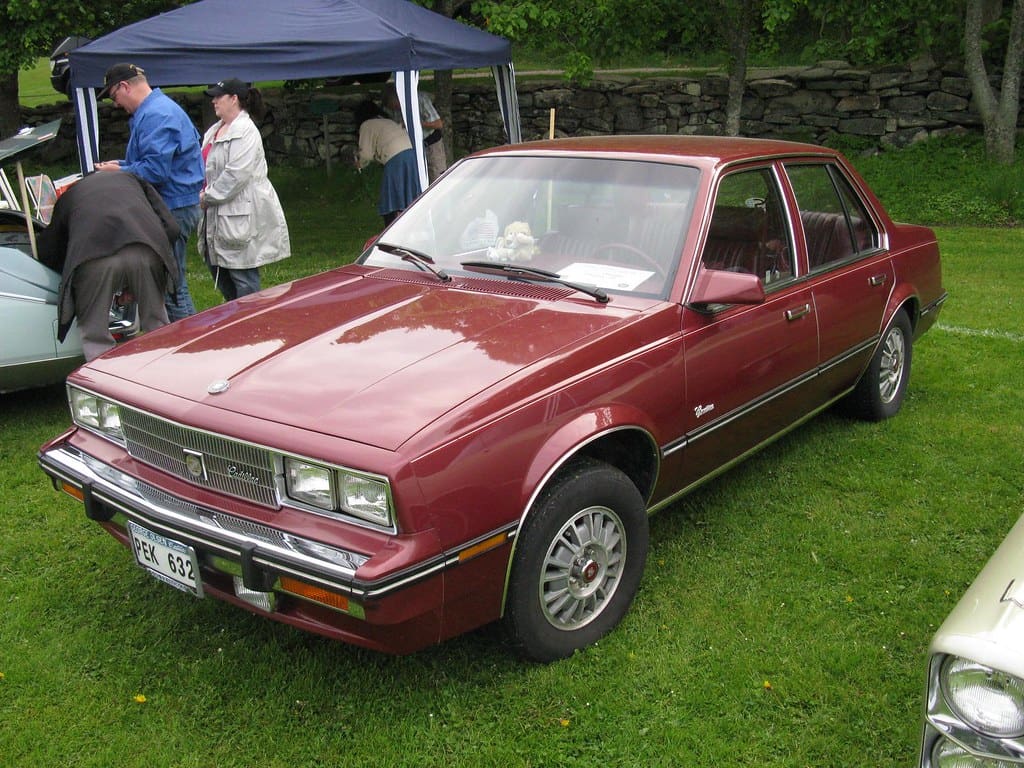
The Cadillac Cimarron remains one of the most controversial vehicles ever produced by the luxury brand.
Introduced in the early 1980s, it was essentially a heavily rebadged version of a compact GM sedan. Cadillac hoped it would compete with emerging European luxury compacts.
Unfortunately, buyers felt the car didn’t offer enough distinction to justify its premium price.
The Cimarron became a symbol of the risks involved in brand stretching.
5. Yugo GV
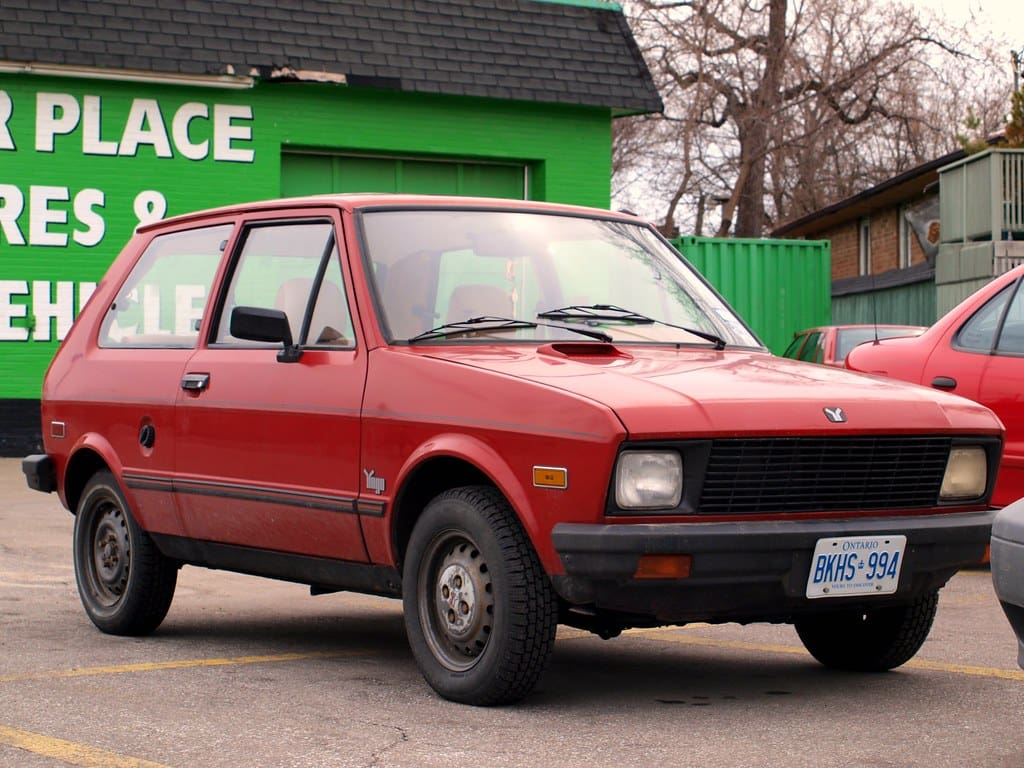
The Yugo GV arrived in the United States during the 1980s with a very simple promise: extremely cheap transportation.
While the low price attracted attention, the car quickly developed a reputation for poor reliability and questionable build quality.
Jokes about the Yugo became common, and the car soon turned into a cultural punchline.
Despite that reputation, it remains an interesting example of Cold War-era automotive imports.
4. Ford Pinto
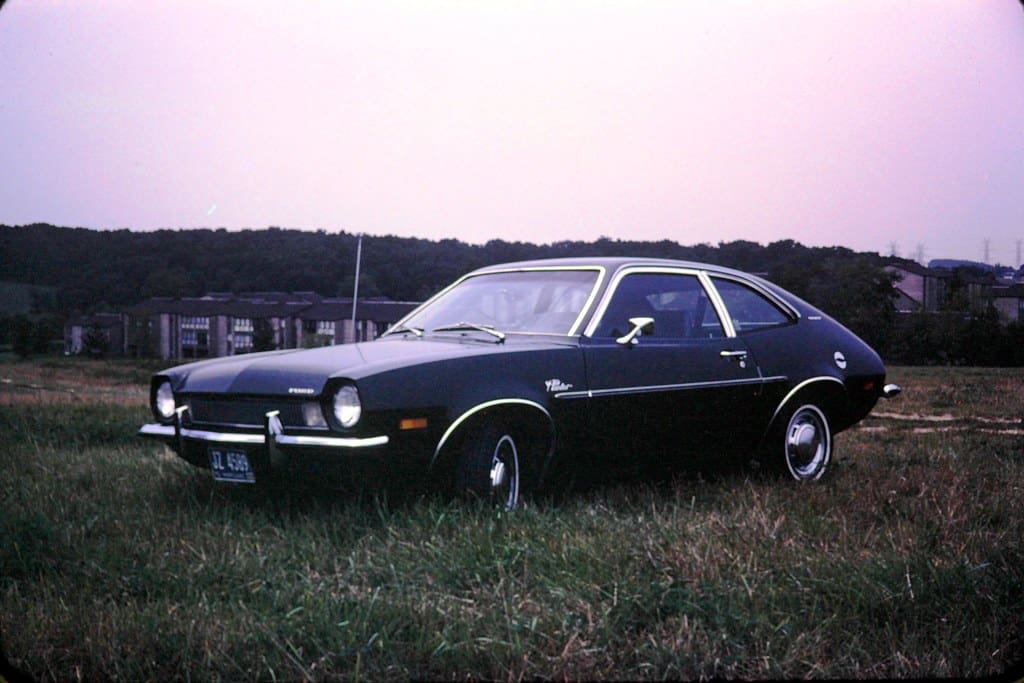
The Ford Pinto became infamous because of a major safety controversy in the 1970s.
Certain rear-end collisions could rupture the fuel tank, which in rare cases led to fires. The issue resulted in lawsuits, recalls, and intense media attention.
While many Pintos operated without problems, the controversy permanently shaped the car’s reputation.
It remains one of the most widely discussed safety scandals in automotive history.
3. Pontiac Aztek
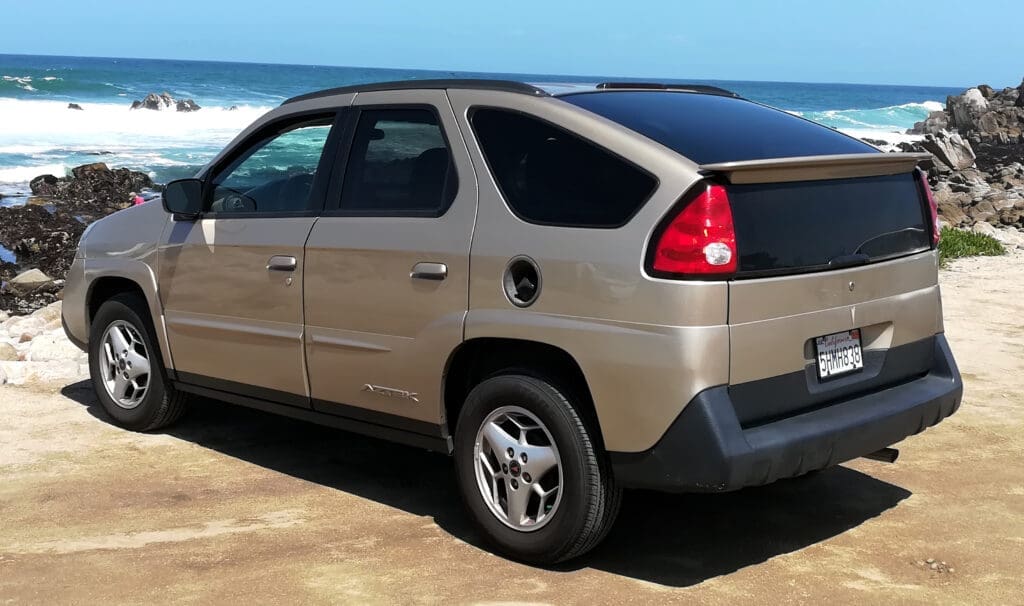
The Pontiac Aztek has become a pop-culture legend thanks in part to its appearance in Breaking Bad.
When it debuted in 2001, however, the reaction from critics and consumers was far less kind.
The Aztek’s awkward styling and unusual proportions quickly made it one of the most mocked designs of the early 2000s.
Ironically, the vehicle was actually practical and fairly capable—it was the styling that ultimately doomed it.
2. Hummer H2
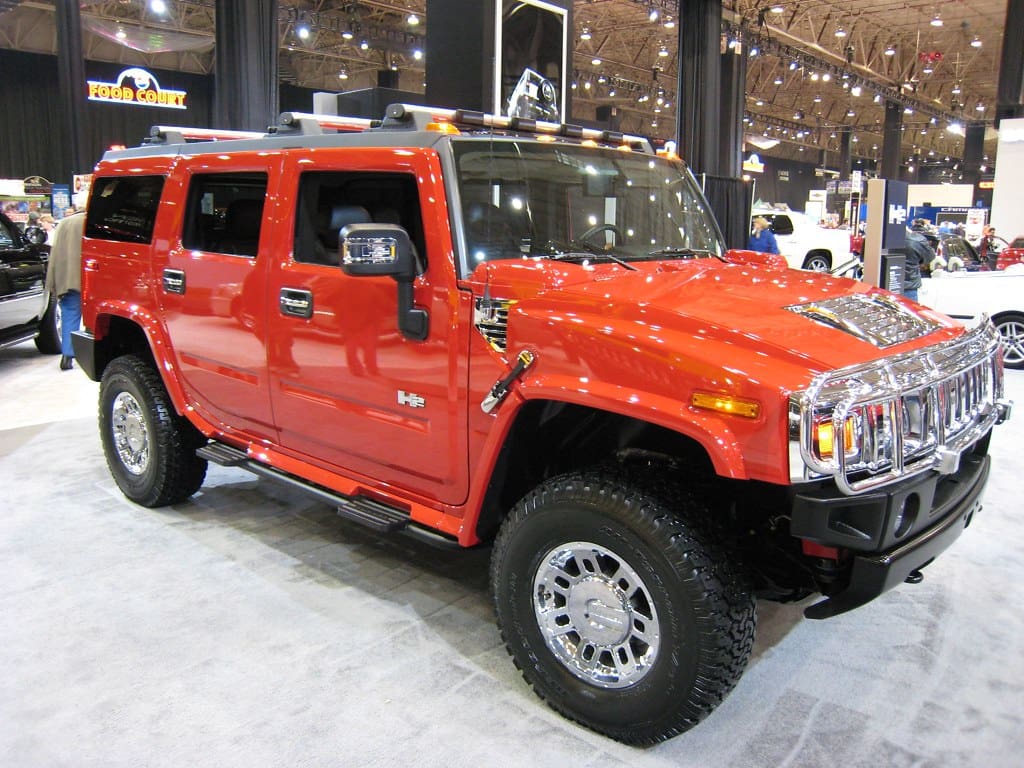
The Hummer H2 arrived in the early 2000s as a civilian version of the rugged military-inspired brand.
While it certainly looked imposing, critics argued that the H2 prioritized size and style over practicality.
Fuel economy was extremely poor, and many drivers found the oversized SUV difficult to maneuver in everyday situations.
For some buyers it represented status and capability—but for others it became a symbol of excess.
1. DeLorean DMC-12
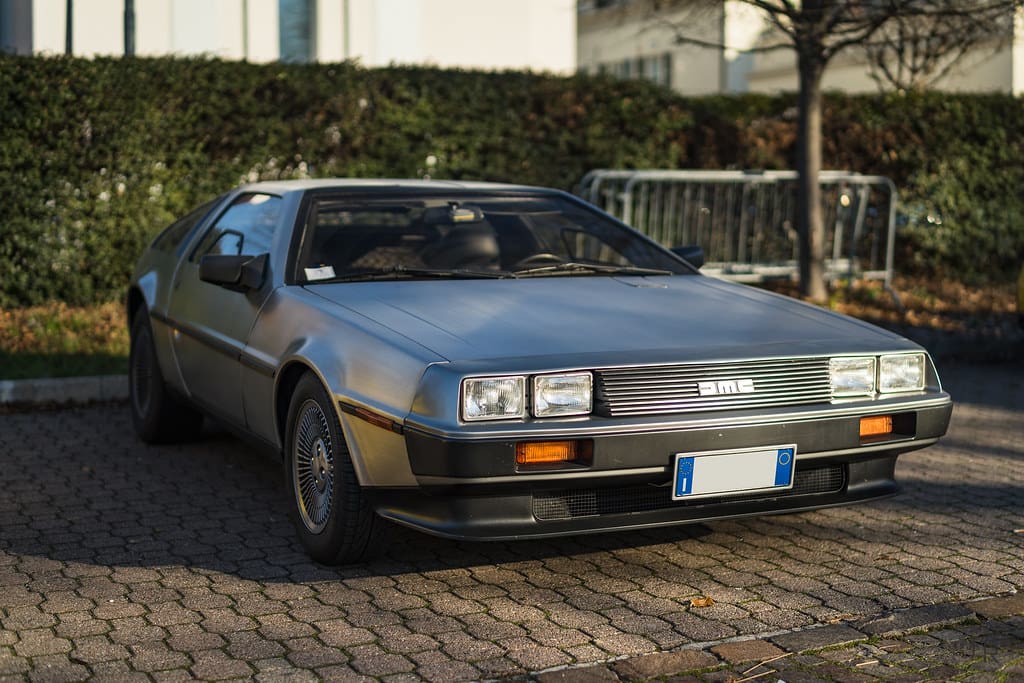
Few cars are as iconic—and as misunderstood—as the DeLorean DMC-12.
With its stainless-steel body and gull-wing doors, the car looked like something straight out of the future.
Unfortunately, performance didn’t match the dramatic design. The engine was underpowered compared with other sports cars of the era, and production quality varied.
Even so, the DeLorean achieved lasting fame thanks to its starring role in Back to the Future, turning what might have been a forgotten failure into a true cultural icon.