

The fitness industry is a multi-billion-dollar business built on one simple promise: better results. Every year, new gadgets, supplements, and training trends claim to help you lose weight, build muscle, recover faster, or get in shape with less effort.
While some innovations genuinely help, others deliver far more hype than results. Before spending hundreds—or even thousands—of dollars on the latest fitness craze, it’s worth asking whether the science supports the claims.
Here are 15 fitness trends and products that often cost more than they’re worth.
15. Smart Water Bottles

Smart water bottles can track hydration and send reminders to your phone, but most people don’t need a $100 gadget to remember to drink water.
A basic reusable water bottle and a little common sense usually accomplish the same goal for a fraction of the cost.
14. Altitude Training Masks

These masks claim to simulate high-altitude training and improve endurance.
While they may make breathing feel more difficult and can strengthen respiratory muscles, they don’t replicate the physiological benefits of actually training at altitude, such as increased red blood cell production.
13. Oxygen-Infused Water

Oxygen-infused water promises better performance, faster recovery, and more energy.
The problem? Your body gets oxygen primarily through your lungs, not your digestive system. Research has found little evidence that oxygen-enhanced water improves athletic performance.
12. Infrared Fitness Clothing

Some activewear brands claim embedded infrared technology can improve circulation, recovery, and performance.
While small studies have shown mixed results, the benefits appear modest at best and rarely justify the premium price tags attached to these products.
11. DNA-Based Fitness Programs

Personalized fitness plans based on your genetics sound futuristic and appealing.
Unfortunately, current research suggests that genetic testing offers limited practical advantages over traditional fitness recommendations based on your goals, activity level, and health history.
10. EMS (Electrical Muscle Stimulation) Suits

EMS suits use electrical impulses to stimulate muscle contractions during workouts.
While they can activate muscles, studies generally show that traditional strength training remains more effective and far less expensive for most people.
9. Cryotherapy Sessions

Whole-body cryotherapy involves standing in extremely cold chambers for several minutes.
Some users report temporary pain relief and reduced soreness, but research has yet to demonstrate significant long-term benefits compared to far less expensive recovery methods.
8. Recovery Boots for Casual Exercisers

Compression recovery boots have become popular among professional athletes and endurance competitors.
For elite athletes training multiple times daily, they may provide recovery benefits. For the average gym-goer working out a few times per week, the return on investment is often questionable given their high cost.
7. Waist Trainers

Waist trainers continue to attract attention through celebrity endorsements and social media marketing.
They may temporarily compress the waistline, but they don’t burn fat or permanently reshape the body. Long-term use may even cause discomfort and breathing restrictions.
6. Expensive Detox Programs

Fitness and wellness influencers frequently promote detox cleanses, teas, and programs that promise dramatic results.
In reality, your liver and kidneys already handle detoxification. Most detox products produce little more than temporary water-weight changes.
5. Vibration Platforms

Whole-body vibration machines claim to improve strength, flexibility, circulation, and weight loss.
While some studies suggest modest benefits, the results are generally similar to what can be achieved through traditional exercise without investing in expensive equipment.
4. Fitness Supplements With Proprietary Blends
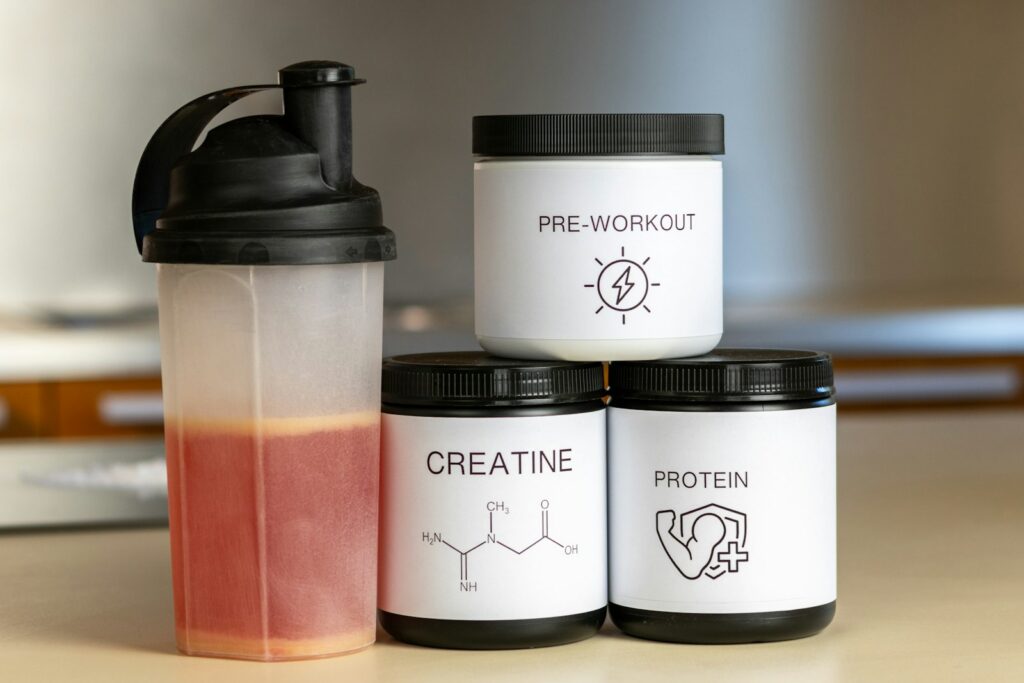
Many supplements hide ingredient quantities behind “proprietary blend” labels.
This makes it difficult to know whether you’re getting effective doses of the ingredients you’re paying for. In many cases, consumers are buying marketing more than measurable results.
3. Fitness Apps With Excessive Subscription Fees
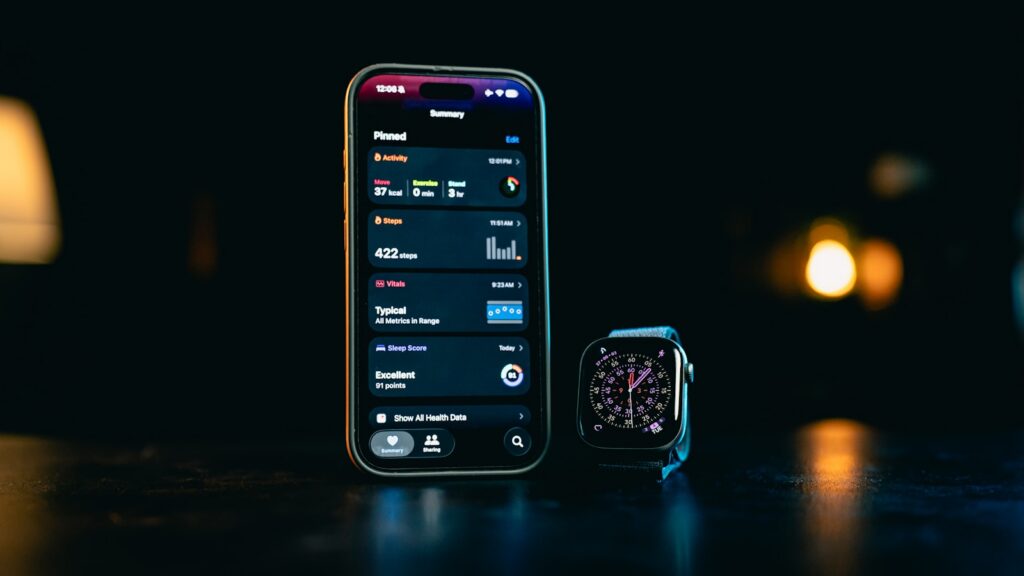
Many workout apps offer excellent content, but some charge premium monthly fees while providing little more than workout videos available elsewhere for free or at a lower cost.
Before subscribing, consider whether you’re actually using the features you’re paying for.
2. Designer Home Fitness Equipment

The rise of connected fitness has introduced exercise bikes, mirrors, and smart equipment costing thousands of dollars.
These products can be effective, but results ultimately come from consistency—not expensive hardware. Many people achieve similar outcomes with far less costly alternatives.
1. Fitness Influencer Challenges and “Secret Programs”

Many social media fitness programs promise dramatic transformations in 30 days or less.
The reality is that sustainable fitness results still come from proven fundamentals: strength training, cardiovascular exercise, proper nutrition, adequate sleep, and consistency. No viral challenge can replace those basics.
Read More:
- 15 Easy Ways to Hit 10,000 Steps Without Going to the Gym
- 15 Clever Ways to Drink More Water Every Day (Without Trying Hard)
- The Most Extreme Diets Ever—and Why They’re a Terrible Idea