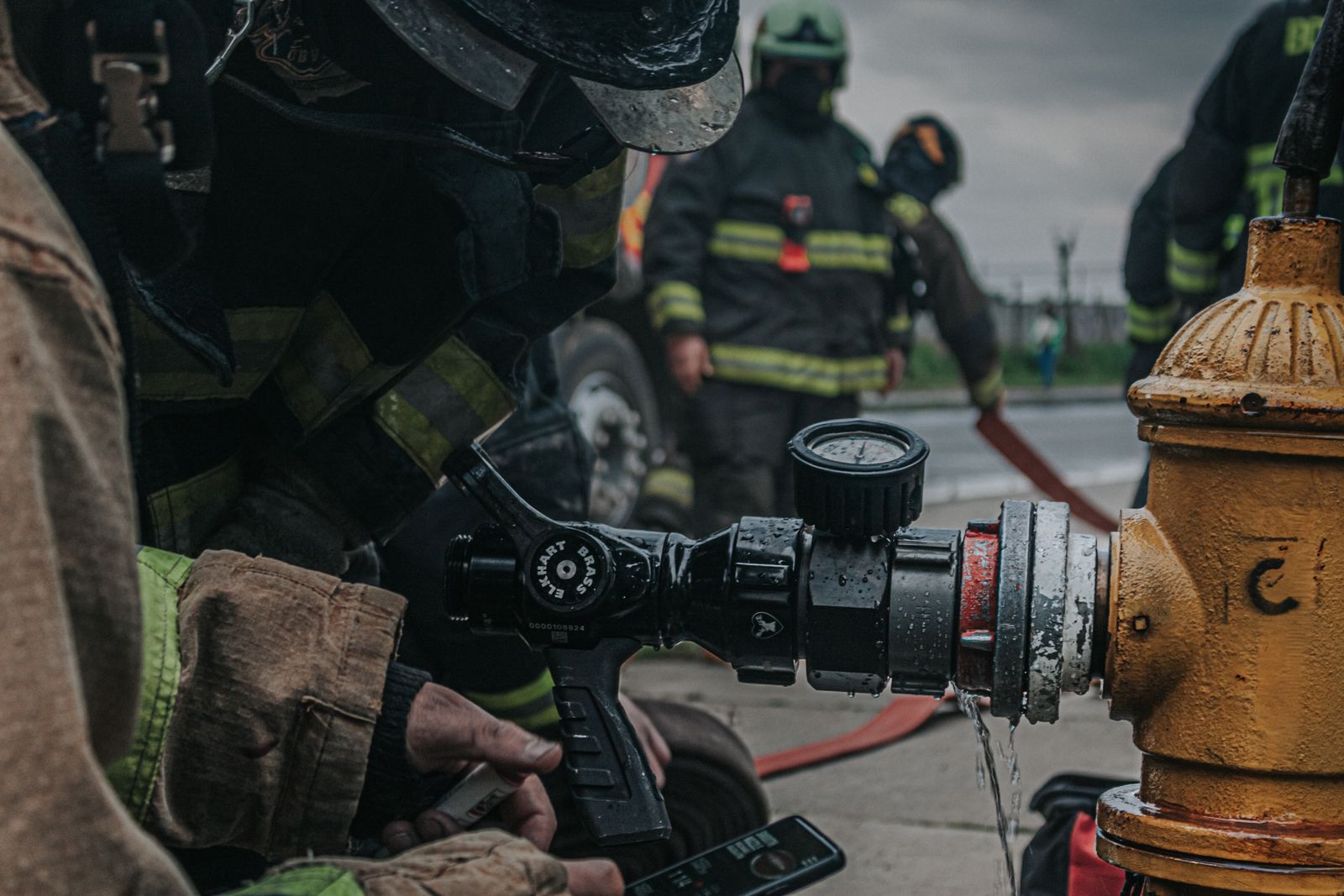
Fire hydrants are a common sight in many urban landscapes, serving as crucial tools for fire services during emergencies. While they might look similar, their colors can communicate useful information—or simply reflect local requirements.
Unlike fire extinguishers, which contain different materials for various types of fires, hydrants all serve the same fundamental purpose: providing water. So, the question arises, why the need for different colors? Here are 8 reasons why fire hydrants are painted in varying hues.
8. Regional Regulations
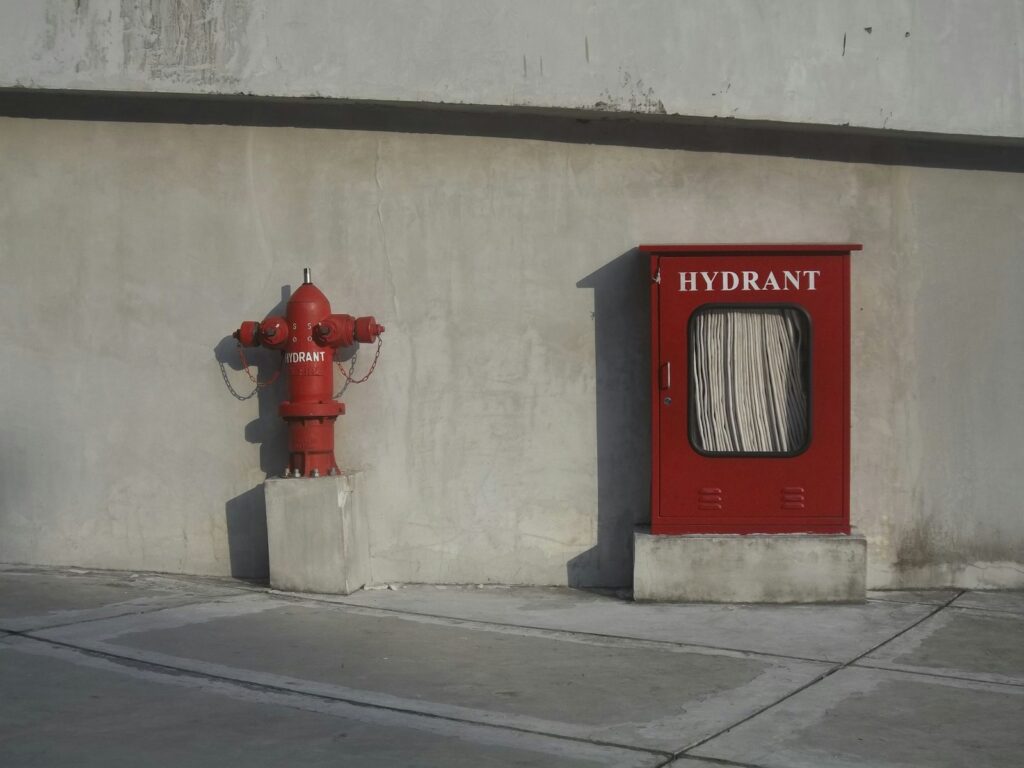
Different regions have distinct rules for hydrant appearance.
In some countries, hydrants are hidden below ground, while in others, they are prominently above ground. Each locale may have its own regulations dictating hydrant visibility, color, and design.
7. Visibility
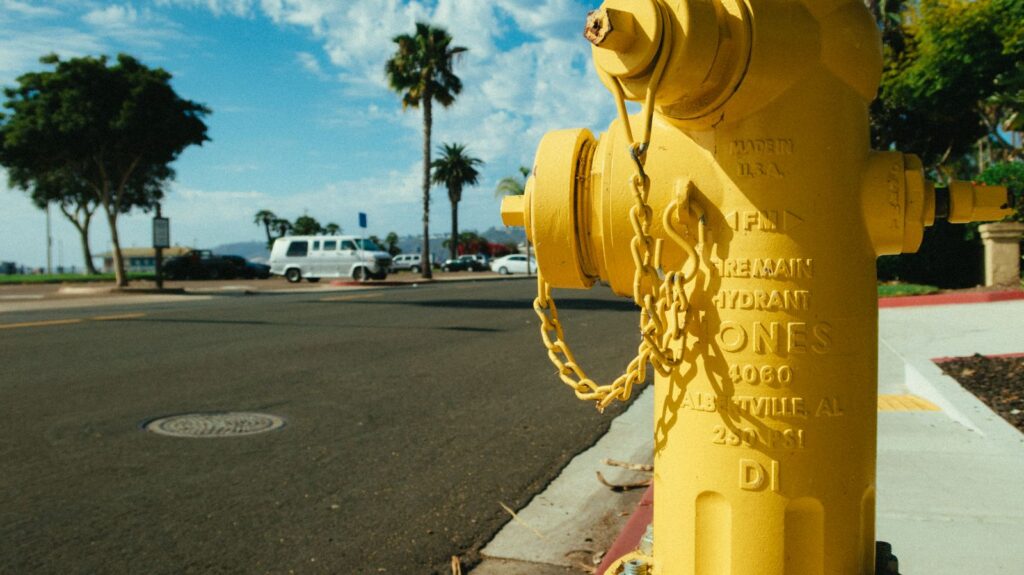
Bright colors help make hydrants easy to spot.
Hydrants are often painted in vivid colors like red, yellow, or white to ensure they stand out against their surroundings, making them easily locatable during emergencies.
6. Color-Coding System

Colors can indicate the water flow capacity.
In US jurisdictions that follow NFPA 291 recommendations, the color of a hydrant’s bonnet or caps may inform firefighters about its available flow capacity.
5. Capacity Indicators
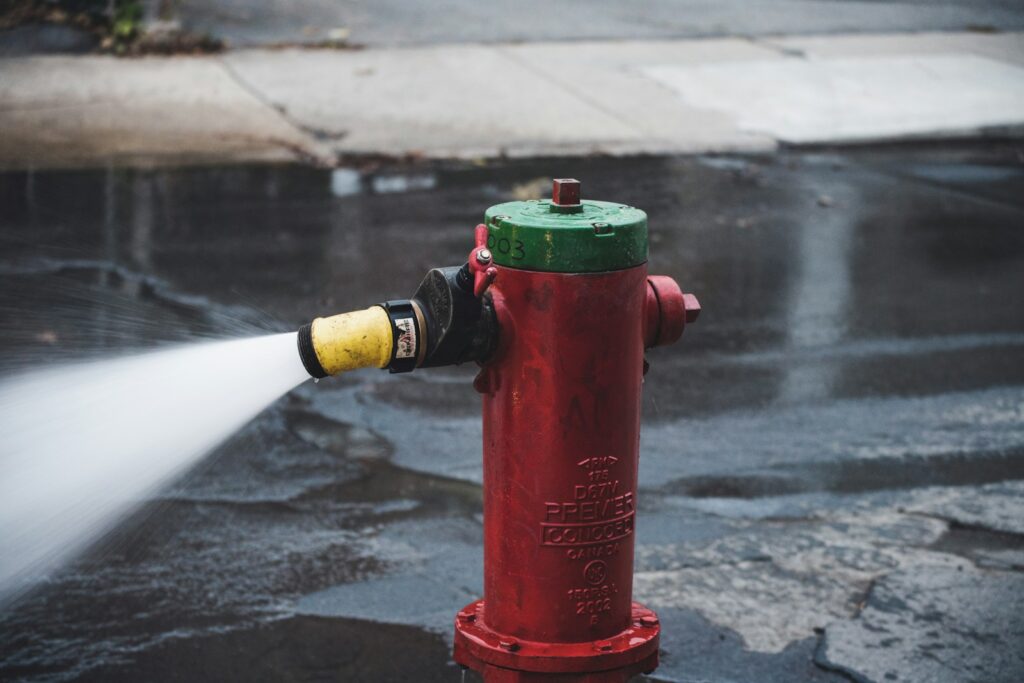
Colors help firefighters gauge a hydrant’s output.
From pale blue to red, each color under the commonly used NFPA system signifies a range of gallons per minute, helping fire crews quickly determine the most effective hydrant in a crisis.
4. Standardization Across Jurisdictions
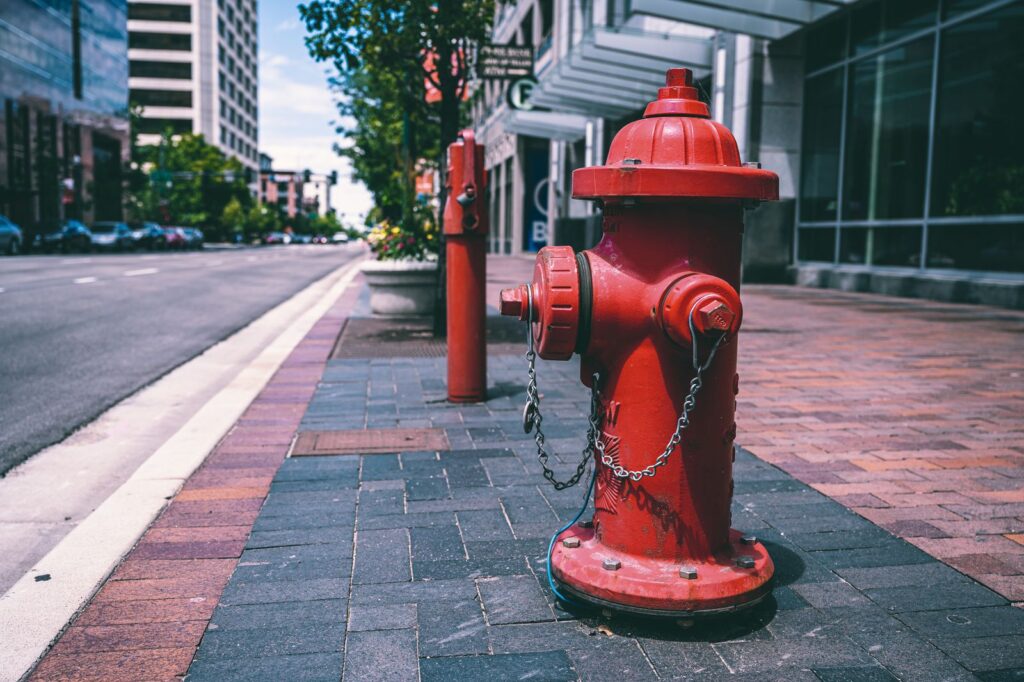
Recommended standards can aid in a quick response.
While specific colors can vary, the concept of using color for quick identification remains consistent, aiding firefighters who may operate across different areas.
3. Local Adaptation
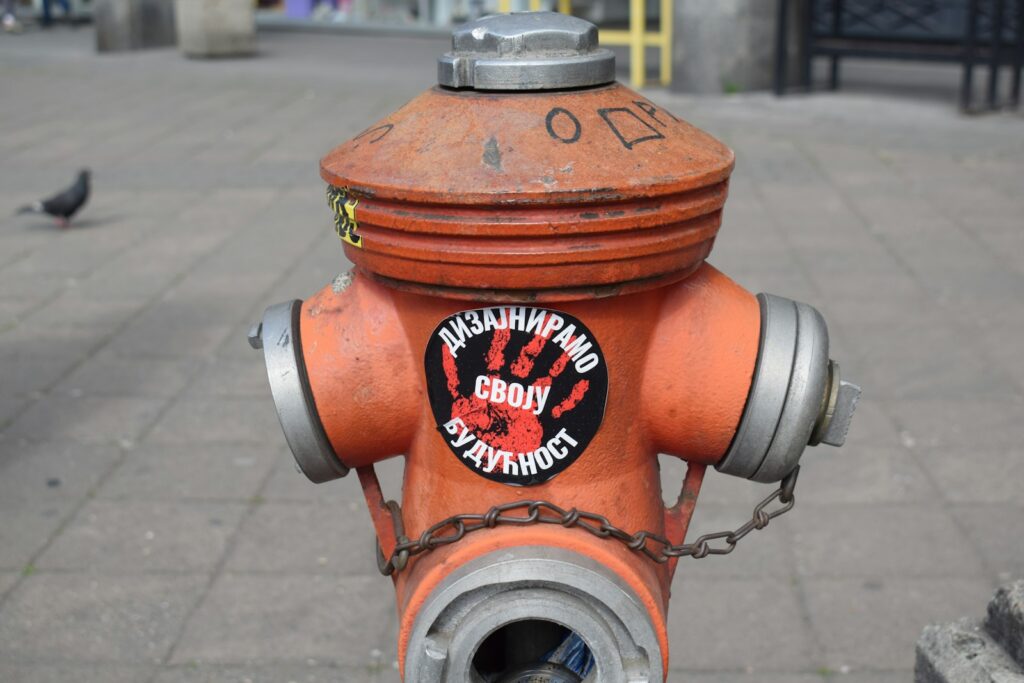
Colors may reflect local conditions.
Some areas might adapt colors to better suit local needs or environmental factors, ensuring hydrants remain effective and visible in their specific context.
2. Historical Practices
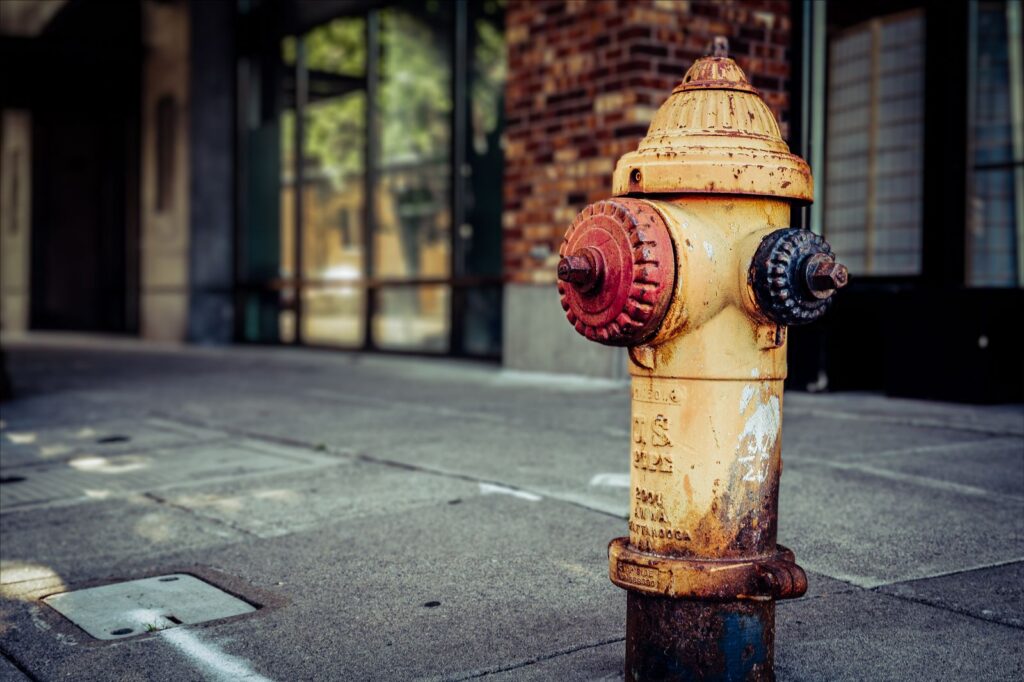
Tradition can influence color choices.
Some regions may follow historical color schemes that have been in place for decades, providing a sense of continuity and familiarity for local fire services.
1. Enhancing Public Safety
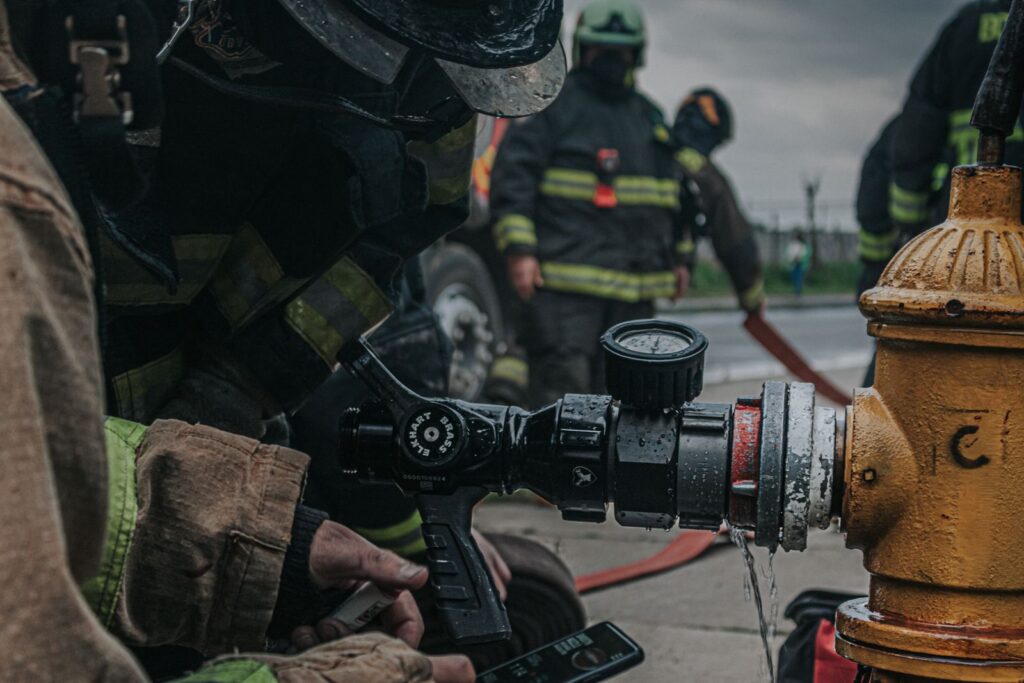
Colors can play a role in safety protocols.
Ultimately, the diverse colors of fire hydrants contribute to public safety by ensuring that hydrants are easily identifiable and that their capabilities are quickly understood by emergency responders.
Read More:
- 8 Paint Colors That Transform Your Home into a Luxury Hotel Experience
- How to Use Color Psychology to Boost Your Mood at Home
- 9 Surprising Truths About Rosé Wine Colors