If you automatically toss food the moment the date on the package arrives, you might be throwing away perfectly good groceries. Many of the dates printed on food packaging aren’t strict safety deadlines—they’re simply guidelines for peak freshness.
Before you clear out your fridge or pantry, here are a few things to understand about what those expiration labels actually mean.
Different Types of Dates
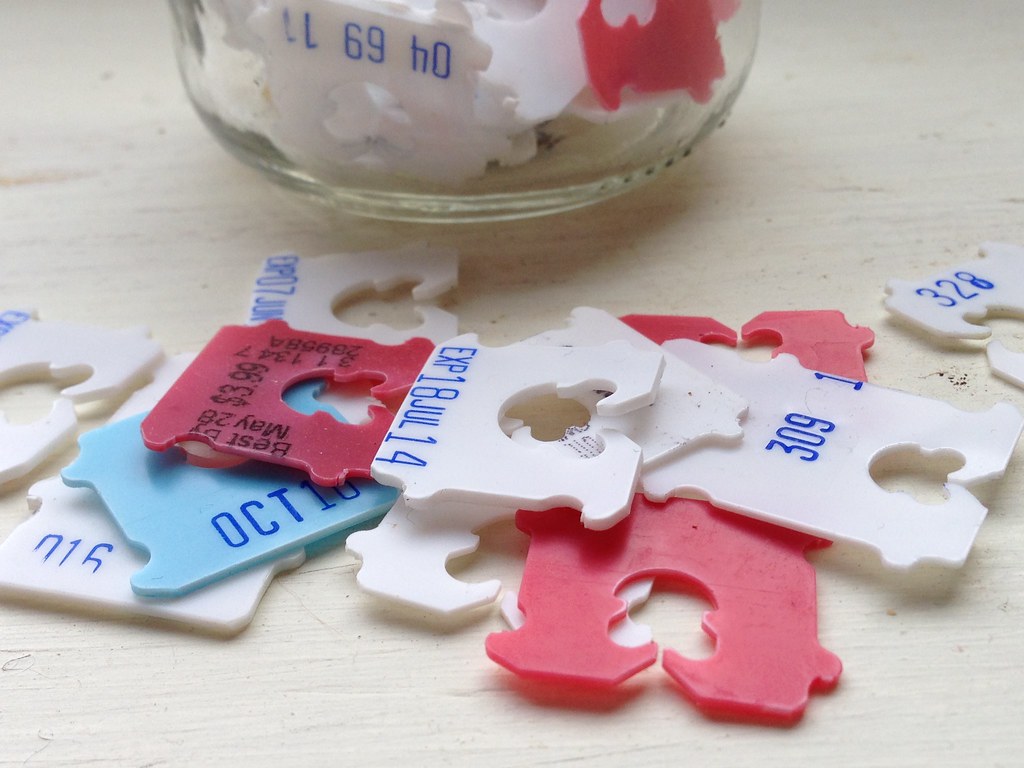
Food packages often carry several different types of date labels, and they don’t all mean the same thing.
A “Best Before” or “Best By” date refers to when a product will taste its freshest or have the best texture. Many foods remain safe to eat after this date.
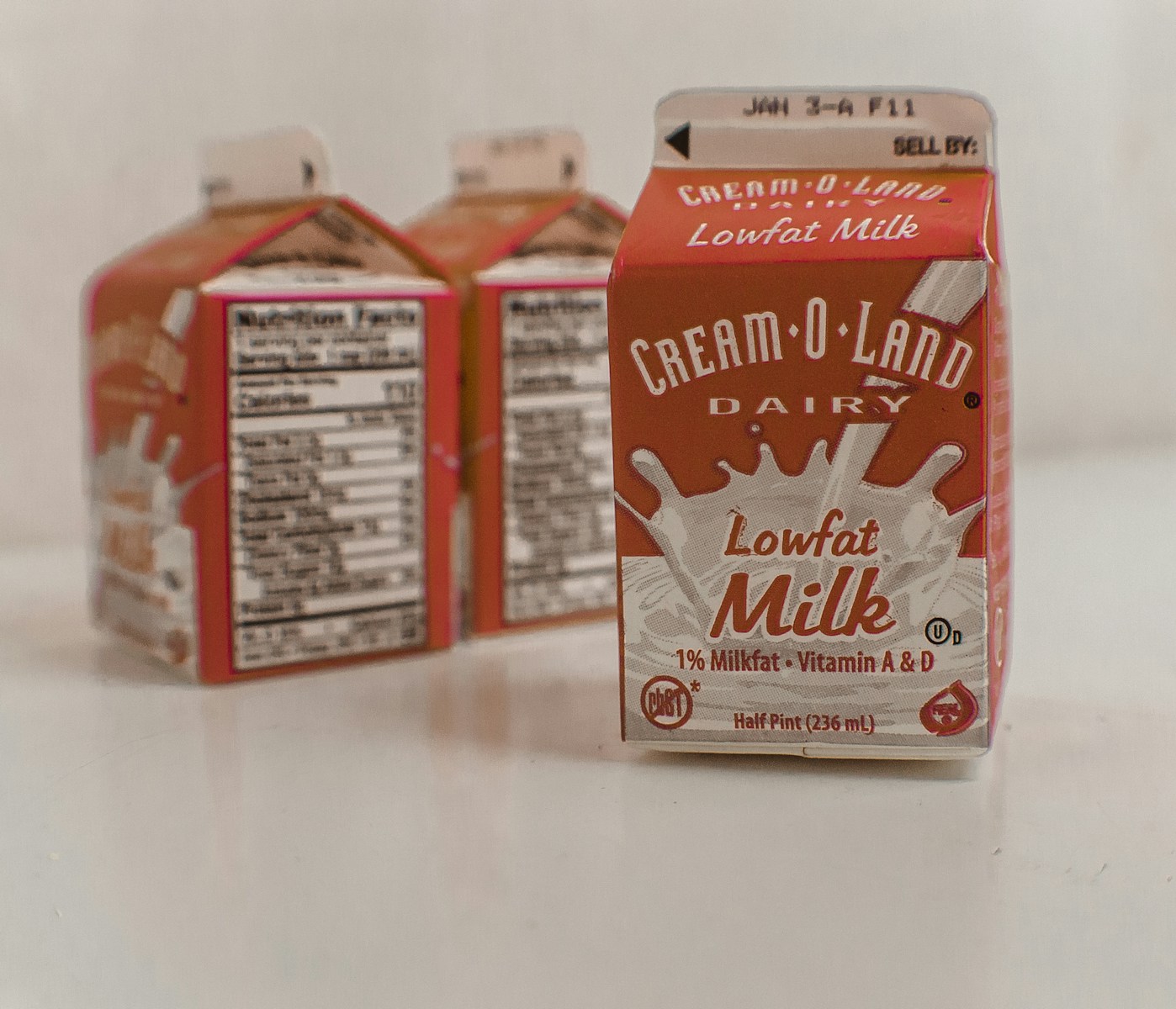
A “Sell By” date is meant for retailers, indicating how long the item should stay on store shelves.
“Use By” or “Expiration” dates are typically the most important ones to follow. These labels usually appear on more perishable foods and indicate when the product should be consumed for safety or quality reasons.
Quality vs. Safety

Most food date labels are about quality rather than safety. That means a product might not taste quite as fresh after the listed date, but it may still be safe to eat.
For example, milk may remain drinkable for several days past its printed date if it has been properly refrigerated. The flavor might change slightly, but it isn’t automatically unsafe.
Dates Are Often Conservative Estimates

Manufacturers tend to be cautious when assigning date labels. The goal is to ensure customers experience the product at its best quality.
In many cases, foods can still be perfectly usable after the printed date—especially shelf-stable items that haven’t been opened.
Storage Conditions Matter
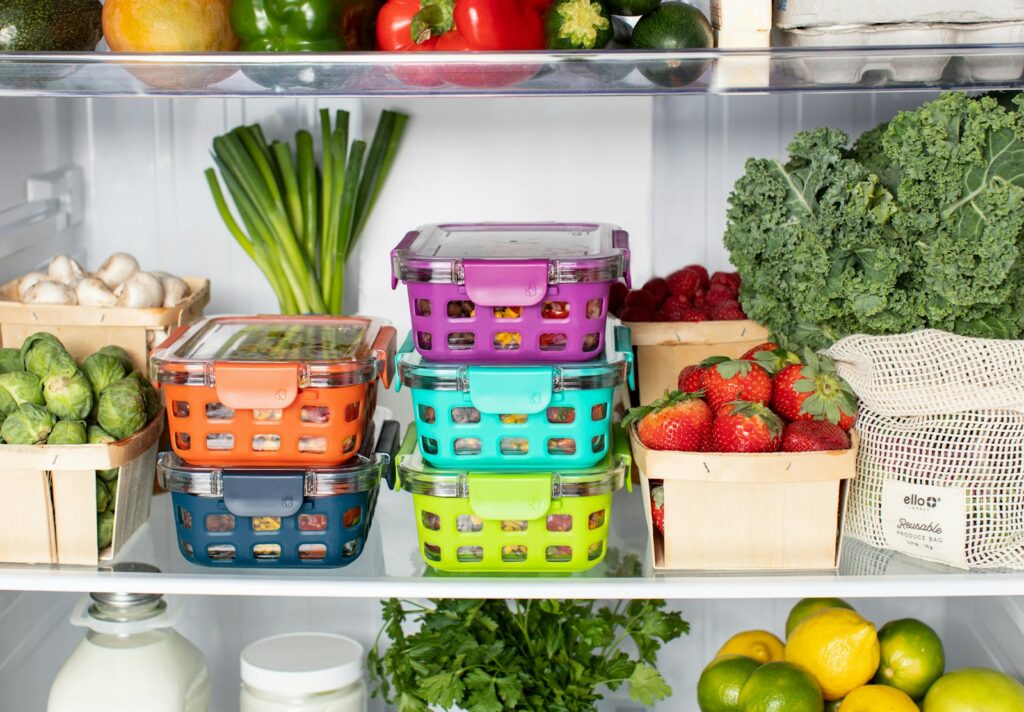
How food is stored often matters more than the printed date.
For instance, a box of crackers stored in a cool, dry pantry may stay fresh well beyond the date on the package. But if that same box sits in a hot or humid kitchen, it may go stale much sooner.
Proper storage can significantly extend the life of many foods.
Dairy Products Sometimes Last Longer
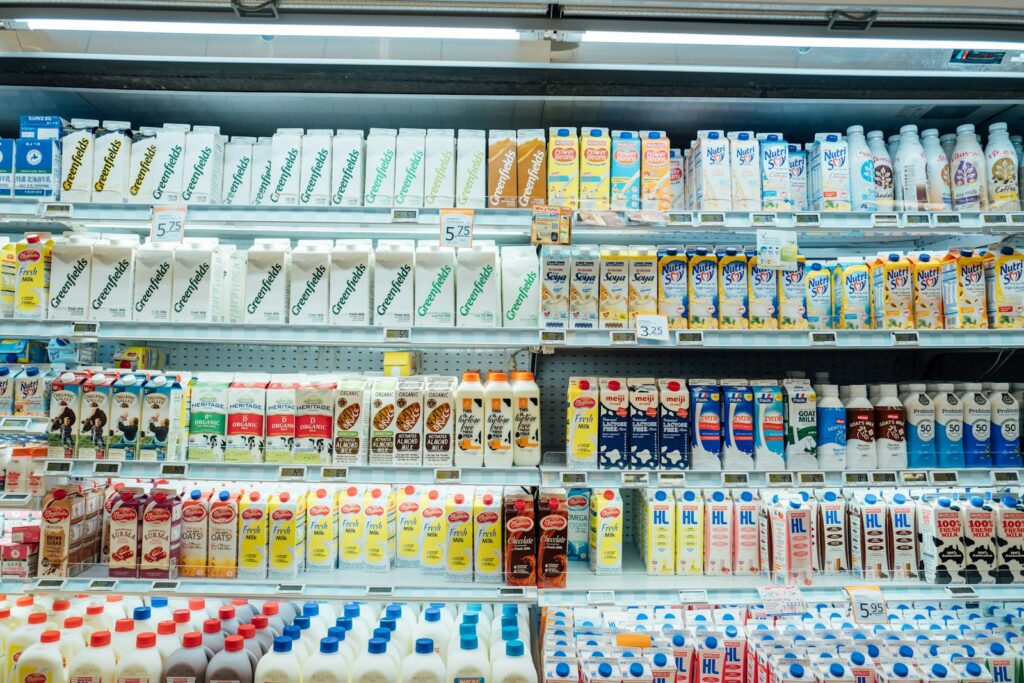
Dairy products and eggs are more perishable, but they don’t always spoil exactly on the printed date.
If milk smells normal and hasn’t separated, it may still be safe to use. The same goes for eggs stored properly in the refrigerator. When deciding whether to keep or toss these items, it’s often best to rely on your senses.
Canned Goods Can Last for Years
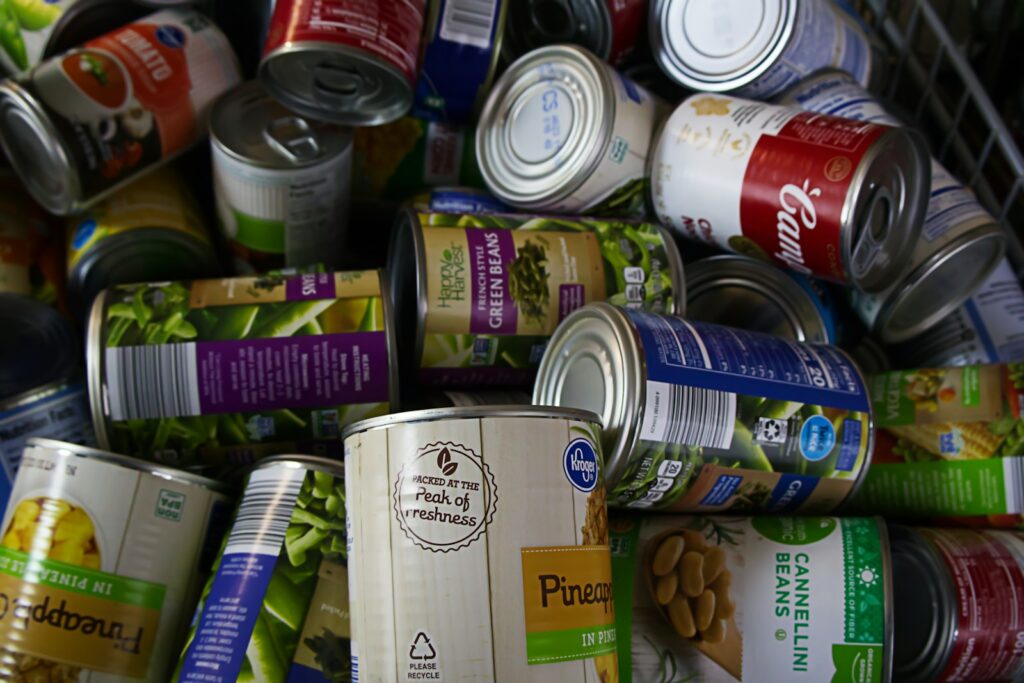
Canned foods are among the longest-lasting items you can keep in your pantry. Thanks to the sealing and preservation process, they often remain safe to eat long after their “Best By” dates.
As long as the can isn’t dented, rusted, or bulging, the contents are usually still safe—though the flavor or texture may gradually decline over time.
Freezing Extends Shelf Life
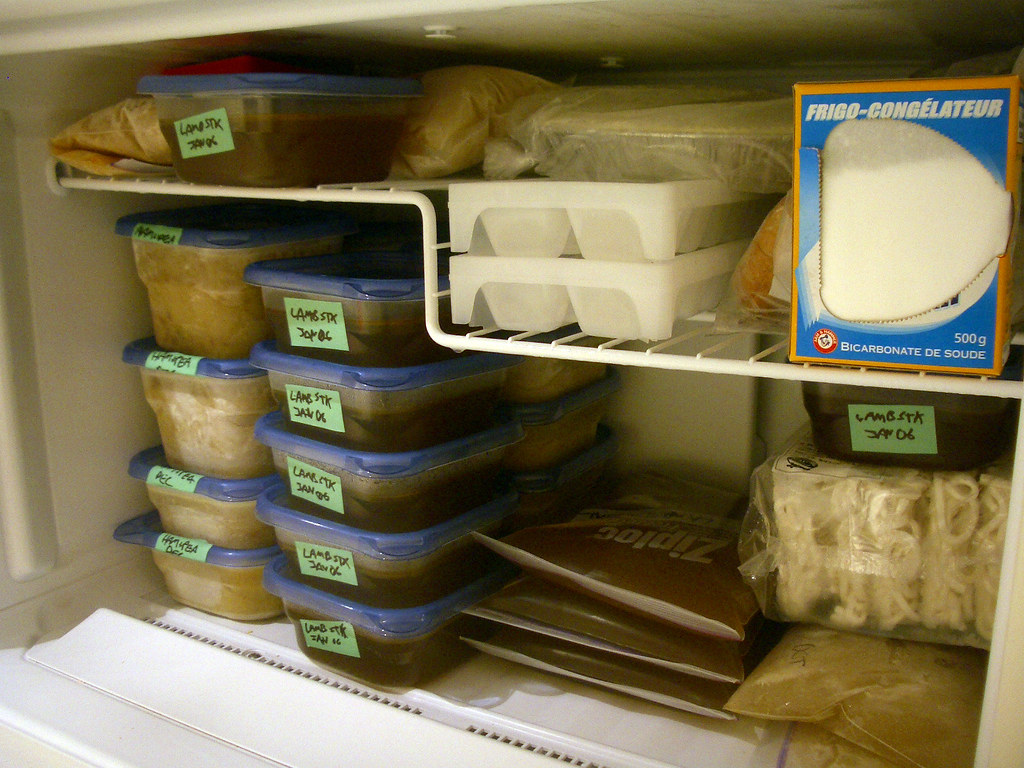
If you’re worried about using food before the date on the package, freezing is often a great solution.
Many foods freeze well, including breads, fruits, vegetables, cheese, and even baked goods. Freezing slows the growth of bacteria and helps preserve food until you’re ready to use it.
Trust Your Senses

Sometimes the best test is simply paying attention to how food looks, smells, and tastes.
If something smells sour, looks discolored, or tastes off, it’s safest to throw it away. But if it appears normal and has been stored properly, it may still be perfectly usable.
Some Foods Don’t Really Expire
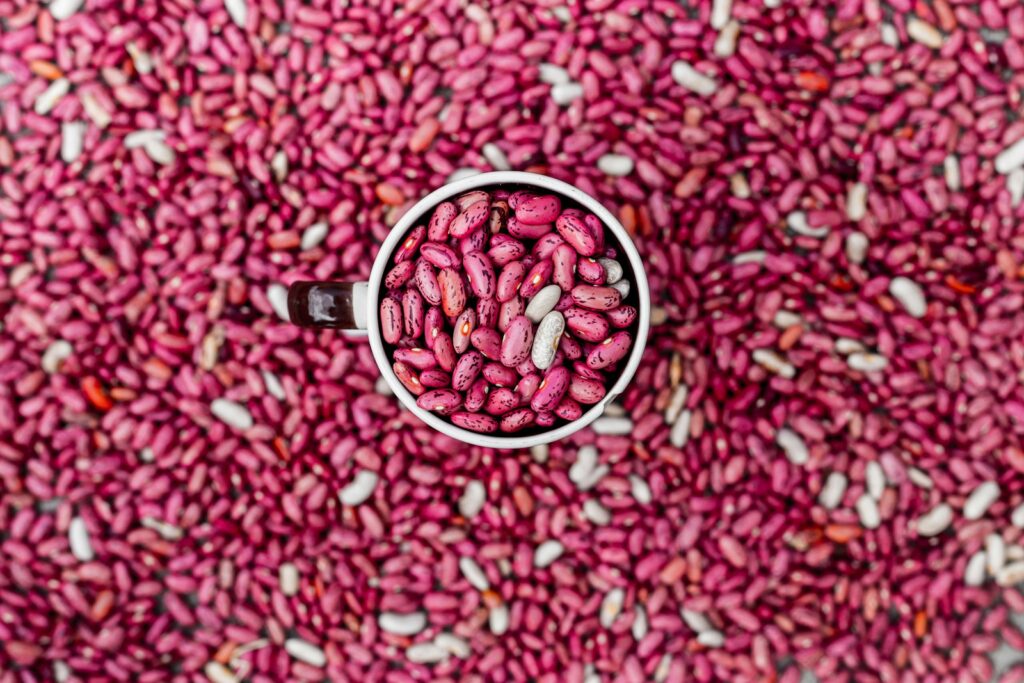
Certain pantry staples are extremely stable and can last for years when stored correctly.
Items like sugar, salt, dried beans, and dried pasta rarely spoil. While their texture or flavor might slowly change over time, they generally remain safe to consume.
Reducing Food Waste
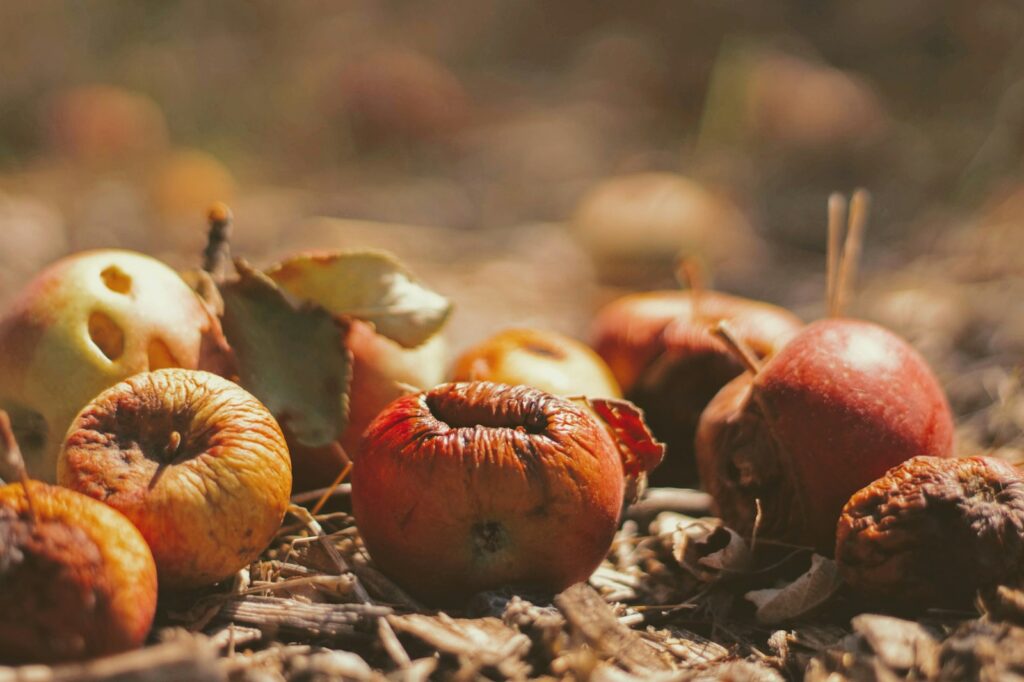
Understanding food labels can help reduce unnecessary food waste. Throwing away food that’s still usable not only wastes money but also contributes to landfill waste.
Planning meals, freezing extra food, and storing groceries properly are all simple ways to make the most of what you buy.