

Vitamin D plays a key role in bone health, immune function, and more, but many people don’t get enough. While sunlight is the primary source, certain foods can help boost your intake, especially during colder months or if you spend a lot of time indoors.
Here are 10 often-overlooked dietary sources of vitamin D.
10. Eggs
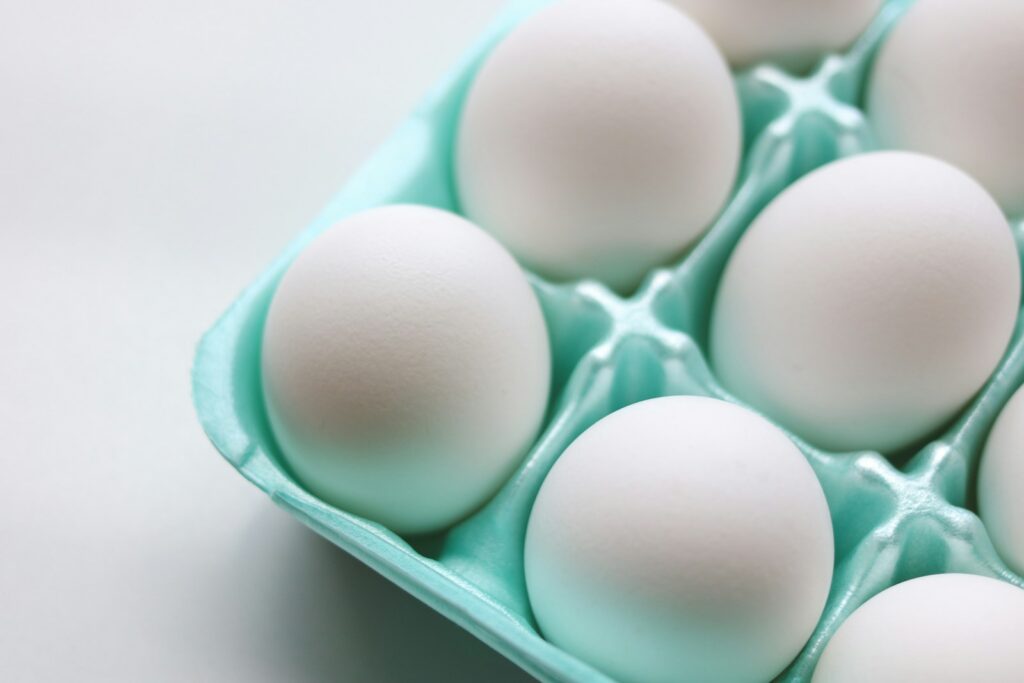
Eggs contain small but meaningful amounts of vitamin D, primarily in the yolk. One large egg typically provides about 5–6% of the daily value.
While not a major source on their own, eggs can contribute to your overall intake when eaten regularly.
9. Pork

Some cuts of pork contain modest amounts of vitamin D, though levels vary depending on the cut and how the animal was raised.
Lean pork chops may provide small amounts per serving, but pork isn’t considered a primary source compared to fatty fish or fortified foods.
8. Fortified Orange Juice

Many brands of orange juice are fortified with vitamin D and calcium.
An 8-ounce glass can provide around 10–15% of your daily value, making it a convenient non-dairy option. Just keep an eye on added sugars.
7. Fortified Yogurt

Some yogurts—especially in the U.S.—are fortified with vitamin D.
A single serving can provide roughly 10–20% of your daily value, depending on the brand. It’s also a good source of calcium and probiotics.
6. Fortified Tofu

Tofu doesn’t naturally contain much vitamin D, but many brands are fortified.
Depending on the product, a serving can provide a significant portion of your daily needs. Always check the label, as levels vary widely.
5. Fortified Plant-Based Milks
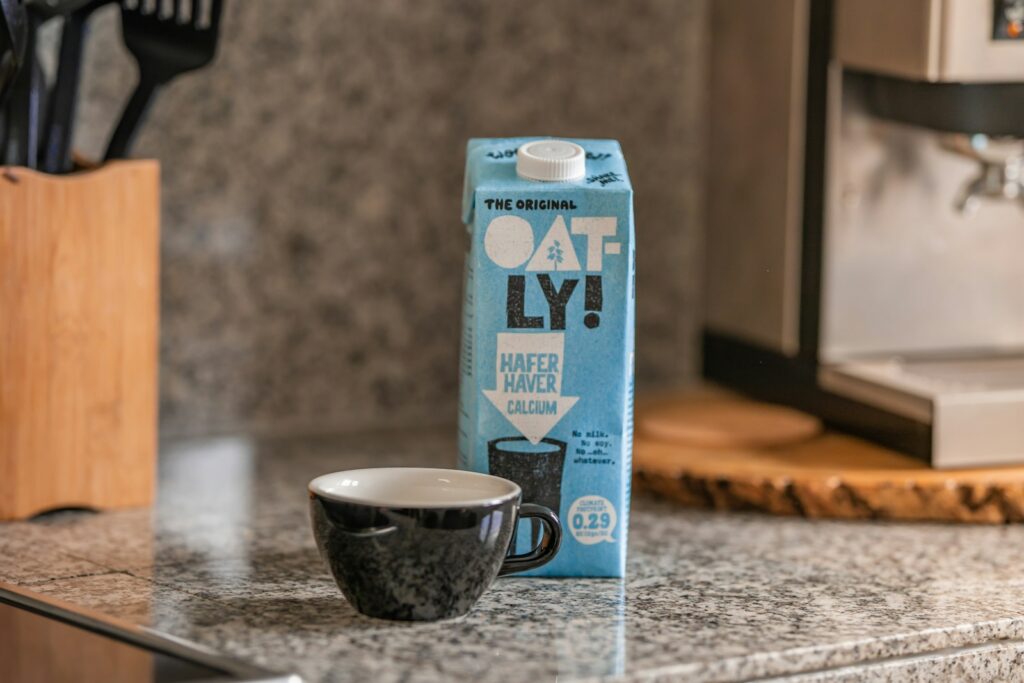
Plant-based milks like soy, almond, oat, and rice milk are often fortified with vitamin D.
An 8-ounce serving typically provides about 15–30% of your daily value, making them one of the easiest ways to boost intake, especially for those avoiding dairy.
4. Fortified Dairy Milk
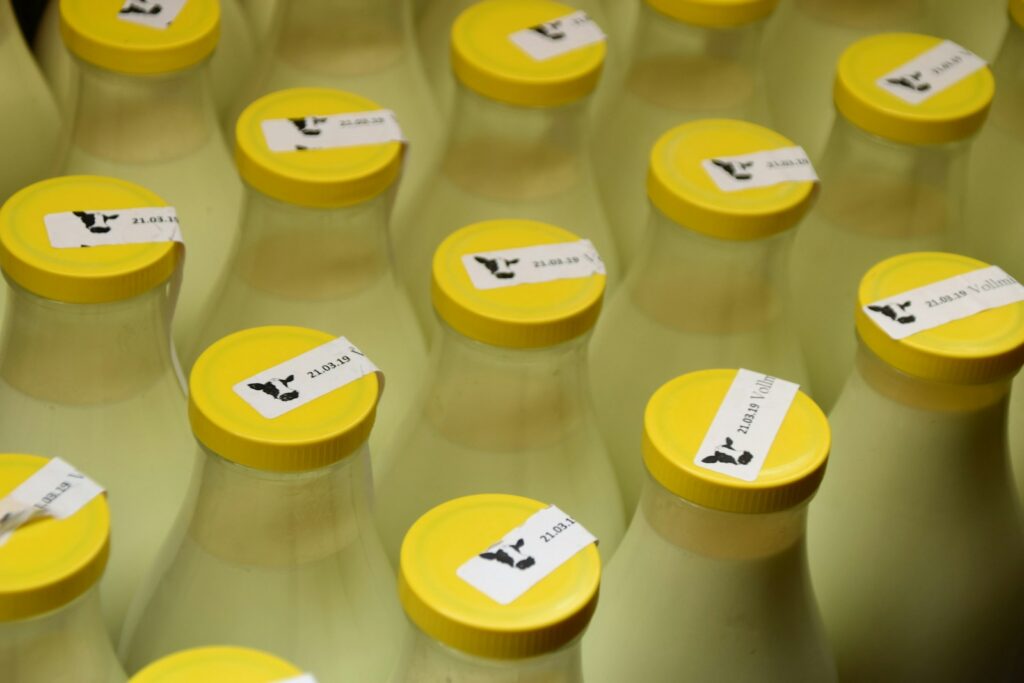
In many countries, cow’s milk is commonly fortified with vitamin D.
An 8-ounce glass usually provides about 15–20% of your daily value. It’s one of the most consistent and widely available dietary sources.
3. Canned Sardines

Sardines are a natural source of vitamin D and also provide calcium, omega-3 fatty acids, and protein.
A small serving (about 3 ounces) can deliver roughly 20–30% of your daily value.
2. Mushrooms (Especially UV-Exposed)
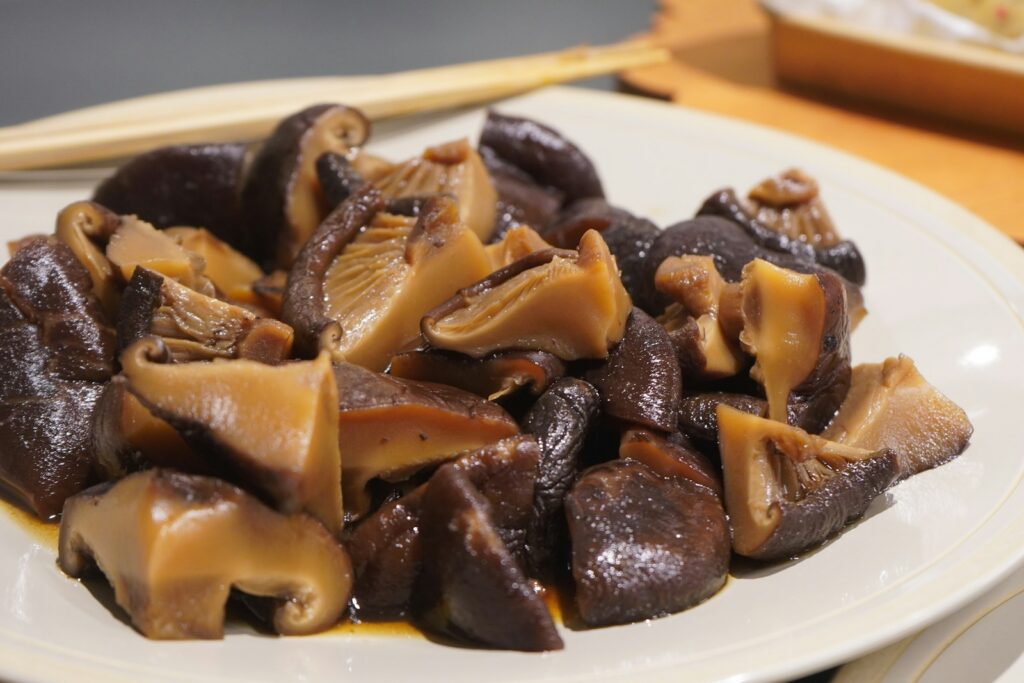
Mushrooms are unique because they can produce vitamin D when exposed to UV light—similar to how humans synthesize it from sunlight.
UV-exposed mushrooms can provide a substantial amount of vitamin D, sometimes reaching or exceeding 100% of the daily value per serving, while regular mushrooms contain much less.
Explore 10 Surprising Foods That Can Improve Your Digestion for another food roundup.
1. Salmon and Fatty Fish
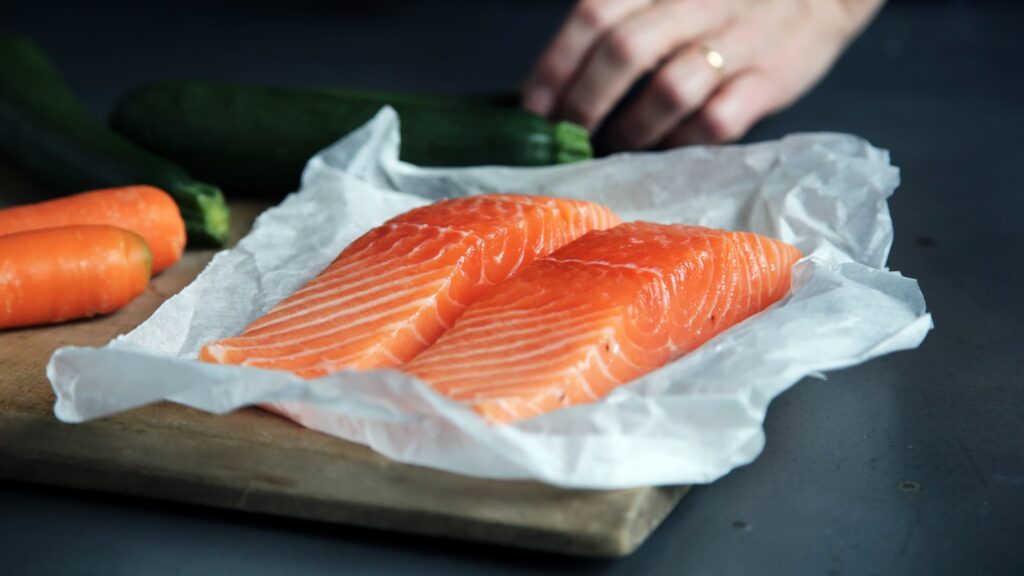
Fatty fish are among the best natural sources of vitamin D.
Salmon, trout, mackerel, and similar fish can provide a large portion or even more than 100% of your daily value in a single serving. Levels vary depending on whether the fish is wild or farmed.
Check The 15 Best Foods for Your Immune System for more healthy food picks.
The Bottom Line

Vitamin D isn’t found naturally in many foods, which is why fortified options play such an important role.
A combination of fatty fish, fortified products, and occasional sun exposure can help you maintain healthy level without relying solely on supplements.
See 10 Foods That Support Brain Health (Backed by Science) for more nutrient-rich foods.