

Oranges have long been the poster child for vitamin C—but they’re far from the only source. A medium orange provides about 70 milligrams of vitamin C, which already covers a large portion of the recommended daily intake.
But several fruits and vegetables actually contain even more vitamin C per serving. Here are 10 foods that can outshine the classic orange when it comes to this important nutrient.\
10. Brussels Sprouts — About 75 mg per Cup

Brussels sprouts may resemble tiny cabbages, but they pack a serious nutritional punch. One cup of cooked Brussels sprouts delivers around 75 milligrams of vitamin C, slightly more than a medium orange.
They’re also rich in fiber, vitamin B6, potassium, and antioxidants, making them a great addition to roasted vegetable dishes or salads.
9. Pineapple — About 79 mg per Cup
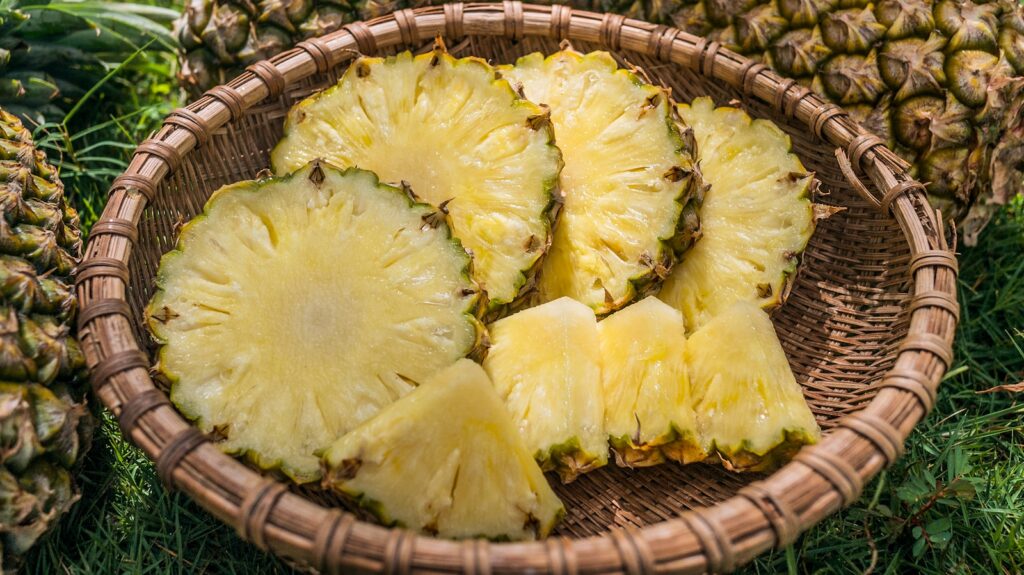
Fresh pineapple is not only sweet and refreshing—it’s also high in vitamin C. A one-cup serving of fresh pineapple contains about 79 milligrams of vitamin C.
Fresh pineapple also provides vitamin B6, manganese, and small amounts of potassium and magnesium. Just keep in mind that canned pineapple may contain significantly less vitamin C depending on processing.
8. Broccoli — About 81 mg per Cup
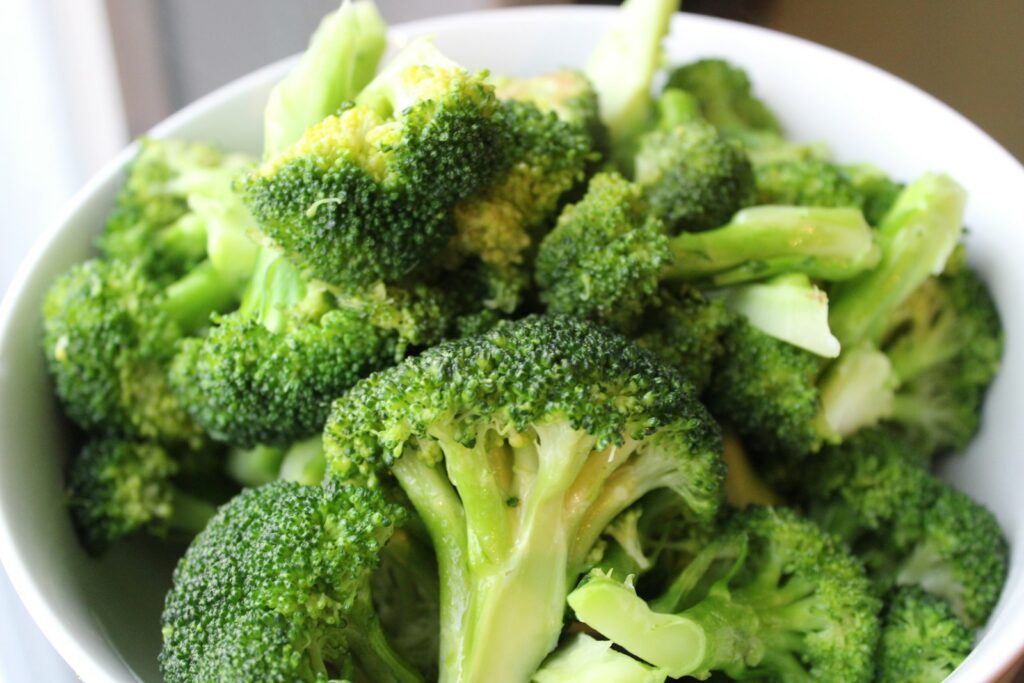
Broccoli is widely known as a healthy vegetable, and vitamin C is one reason why. One cup of chopped broccoli contains around 80 milligrams of vitamin C.
It’s also a great source of fiber, vitamin K, folate, and plant compounds linked to overall health. Steaming broccoli lightly can help preserve many of its nutrients.
7. Strawberries — About 85 mg per Cup
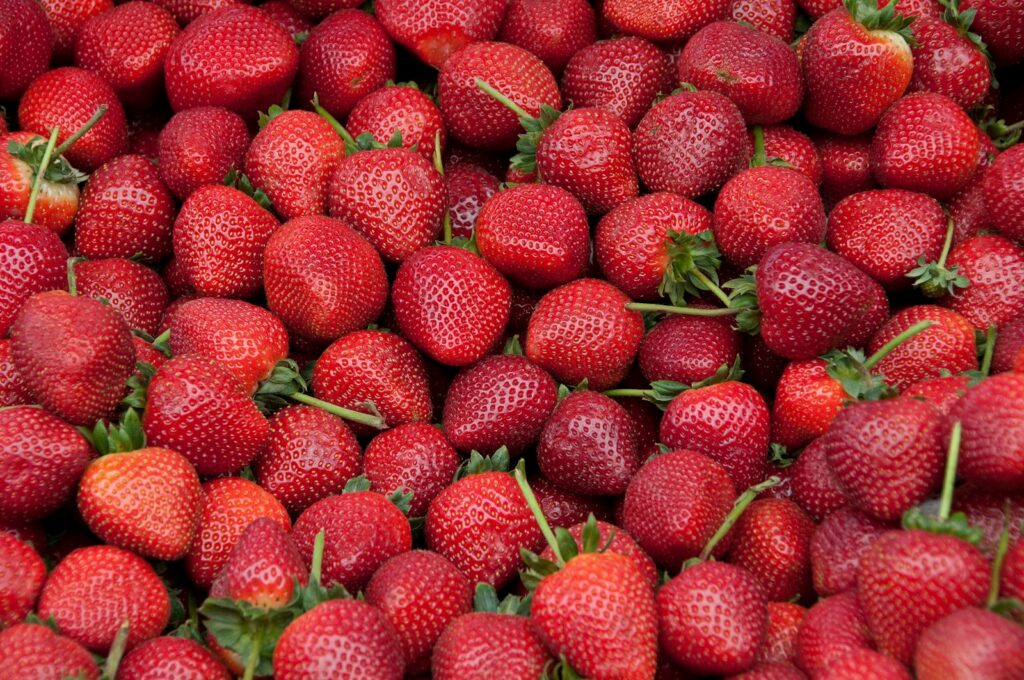
Sweet, juicy strawberries are another vitamin C powerhouse. A one-cup serving of fresh strawberries provides about 85 milligrams of vitamin C.
They’re also rich in antioxidants and fiber, and some research suggests they may help support heart health and reduce inflammation.
6. Papaya — About 96 mg per Cup
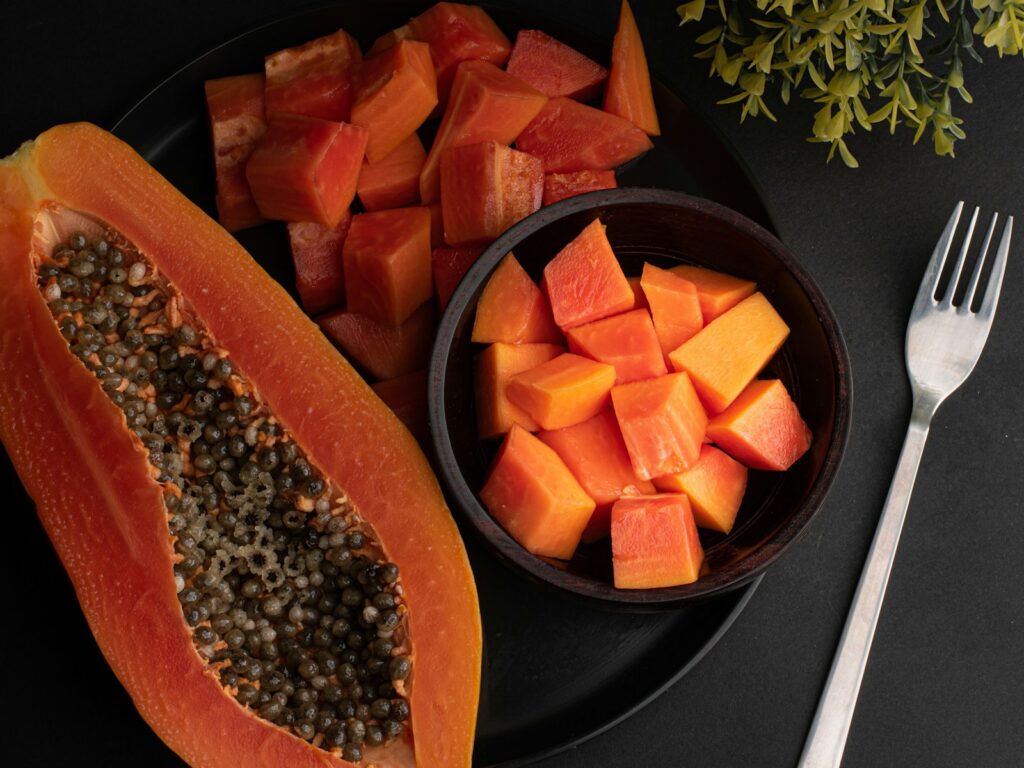
Papaya is a tropical fruit loaded with nutrients. One cup of cubed papaya delivers roughly 95 milligrams of vitamin C, exceeding the amount found in most oranges.
Papaya also contains vitamin A, folate, potassium, and digestive enzymes like papain, which may support digestion.
5. Red Chili Peppers — About 108 mg per Half Cup

Red chili peppers bring both heat and nutrients. Just half a cup of chopped red chili peppers can contain more than 100 milligrams of vitamin C.
They’re also rich in vitamin A and carotenoids, compounds that act as antioxidants in the body.
4. Mango — About 120 mg per Fruit
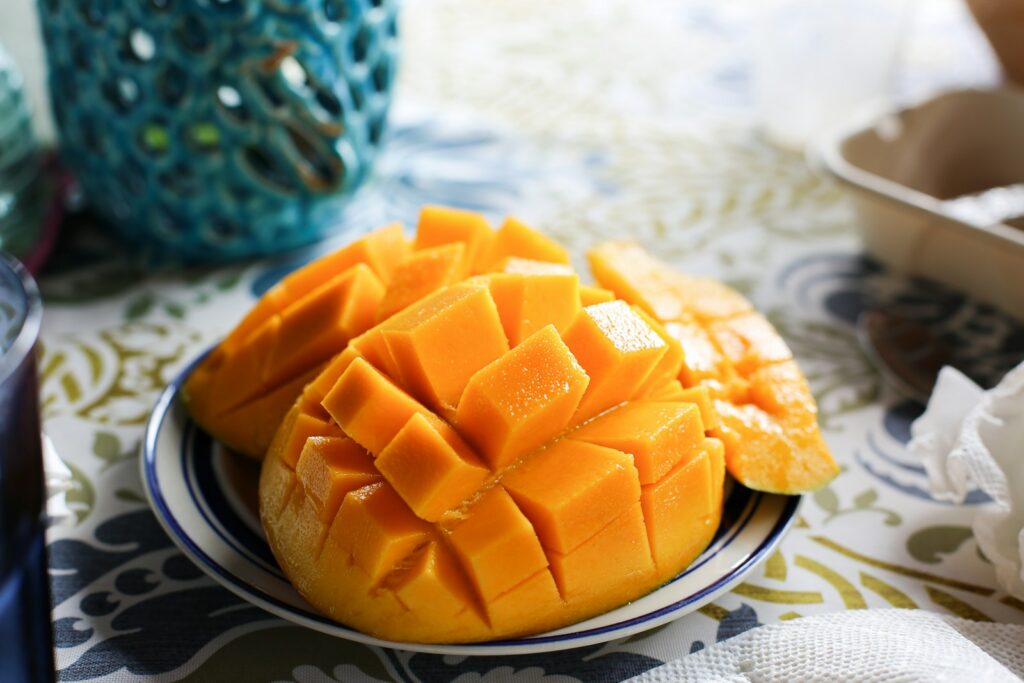
A single mango contains roughly 120 milligrams of vitamin C, along with a variety of other nutrients.
Mangoes are also good sources of vitamin A, fiber, potassium, and antioxidants, making them both flavorful and nutritious.
3. Guava — About 125 mg per Fruit
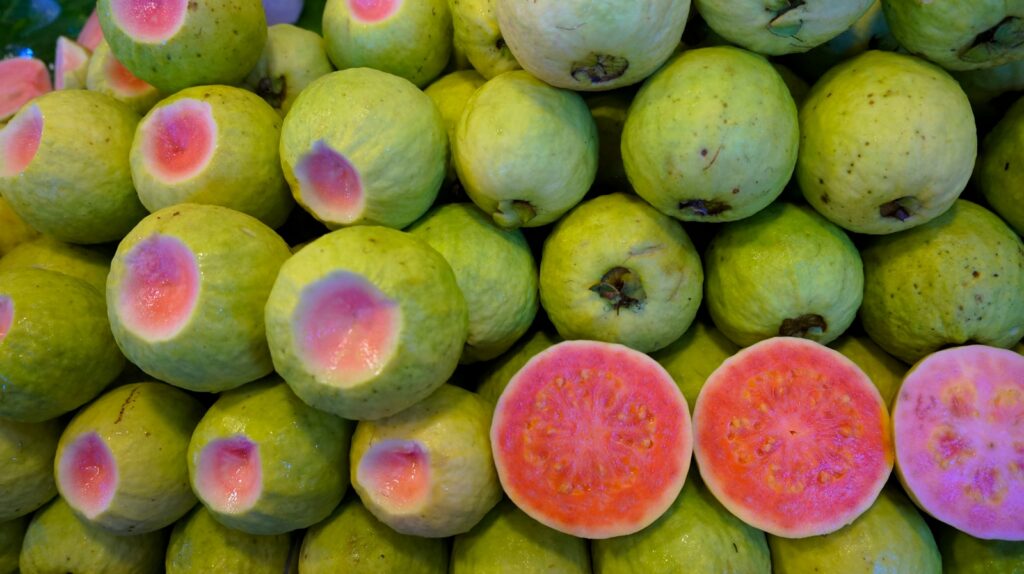
Guava is one of the most vitamin C-dense fruits available. One medium guava can deliver over 120 milligrams of vitamin C, far exceeding the amount in an orange.
It’s also packed with fiber, potassium, and several vitamins including A and B vitamins.
2. Cauliflower — Up to 127 mg per Head
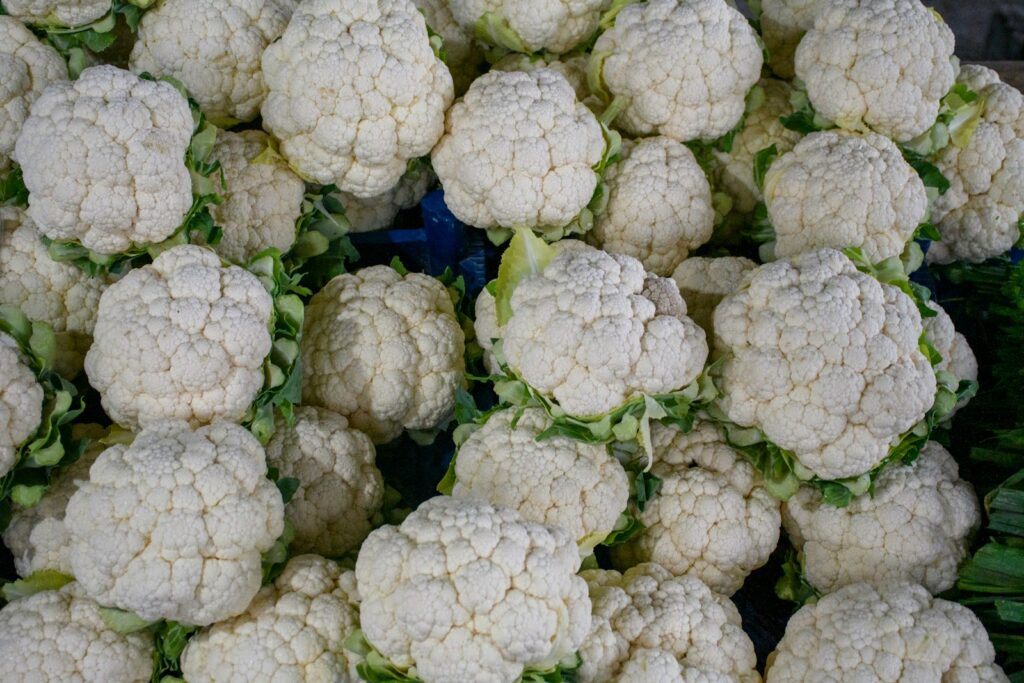
Cauliflower might not seem like a vitamin C superstar, but it contains impressive amounts. A small head of cauliflower can provide over 120 milligrams of vitamin C.
Even a single cup offers a large portion of your daily needs, along with fiber, potassium, and antioxidants.
1. Bell Peppers — Up to 184 mg Each
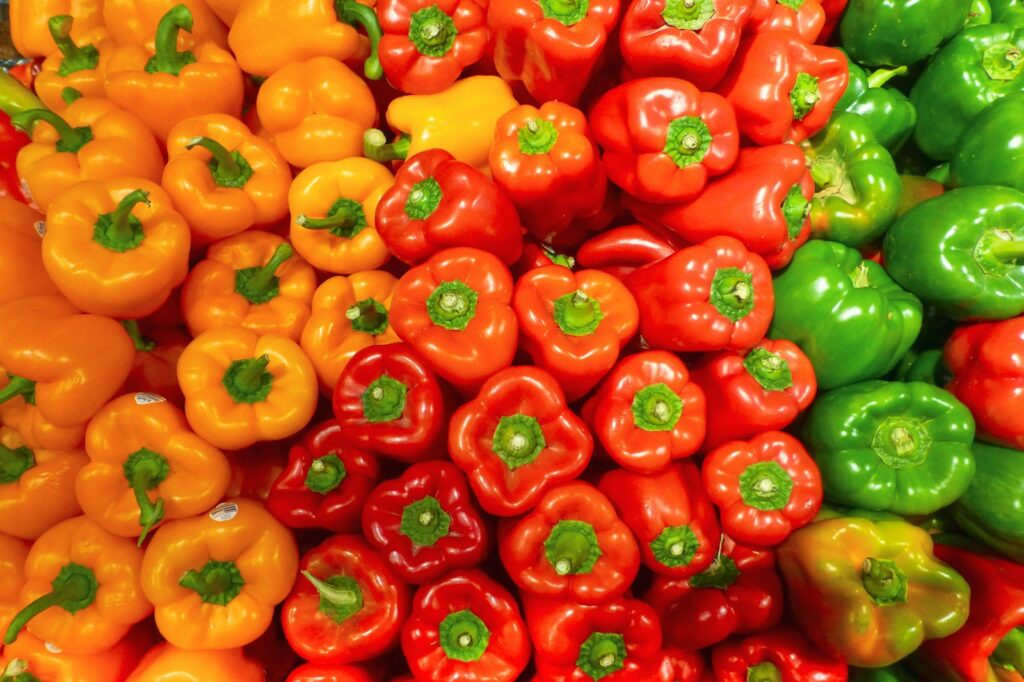
Bell peppers are among the best vitamin C sources you can eat. One medium bell pepper can contain anywhere from 95 to 184 milligrams, depending on the color.
Yellow peppers typically have the most vitamin C, followed by orange and red varieties. Green peppers still provide plenty—but slightly less than the others.