
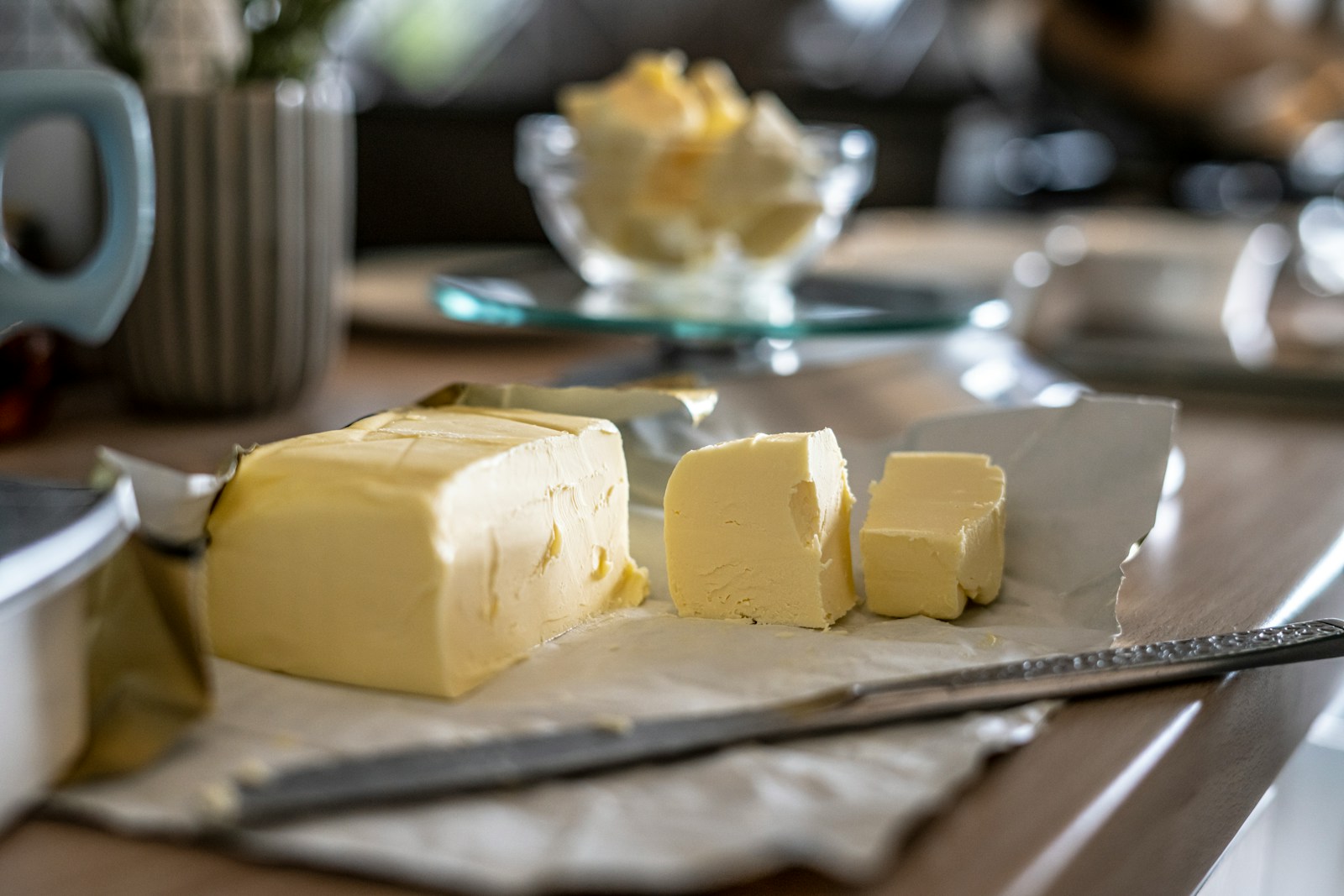
Many of us are guilty of using the refrigerator door as a catch-all for various food items, from milk to eggs. However, the door is the warmest part of the fridge, experiencing frequent temperature fluctuations every time it’s opened. These changes can compromise the freshness and quality of certain foods.
To keep your groceries in top condition, it’s essential to know which items are best stored deeper inside the refrigerator. Here are 10 foods that should be kept away from the refrigerator door.
10. Milk
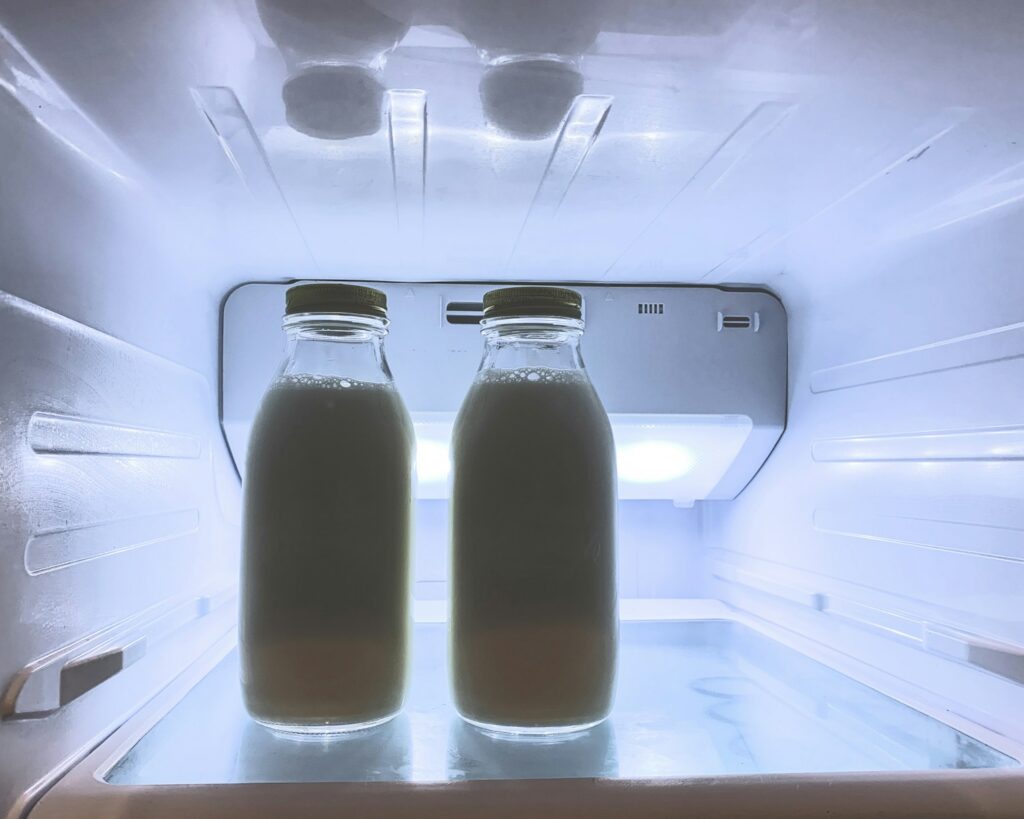
Storing milk in the refrigerator door is a common practice, but it’s not ideal.
The frequent opening and closing of the door exposes milk to temperature fluctuations, which can shorten its shelf life. For optimal freshness, place milk on a shelf toward the back of the fridge.
9. Eggs
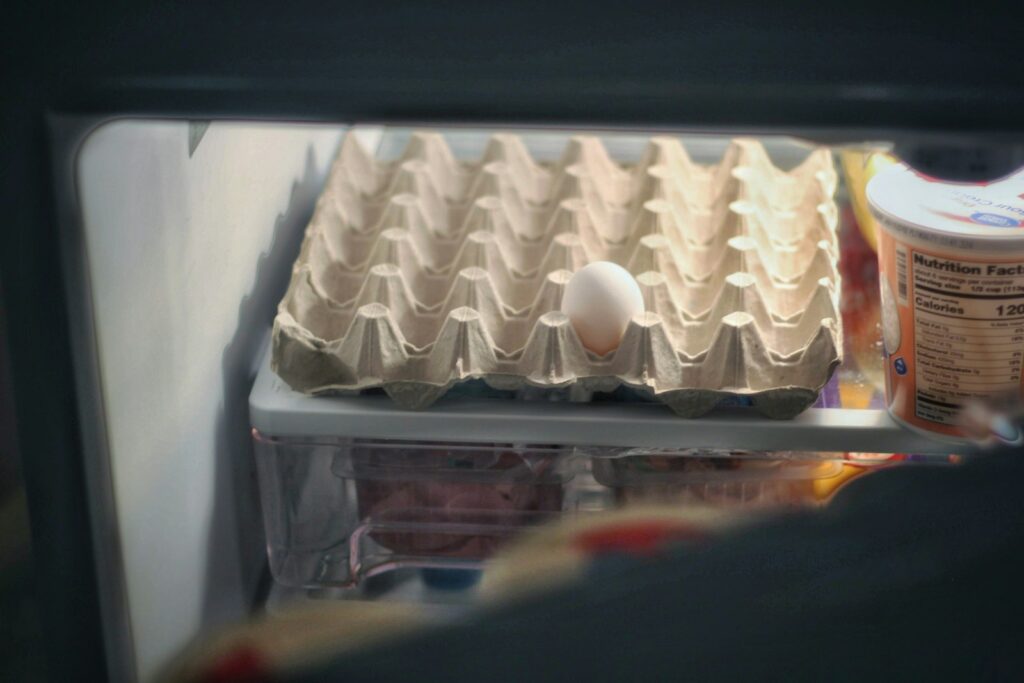
Despite dedicated egg trays in some refrigerator doors, eggs fare better on an interior shelf.
Keeping eggs in their original carton on a stable shelf helps maintain their freshness and protects them from absorbing odors.
8. Soft Cheeses
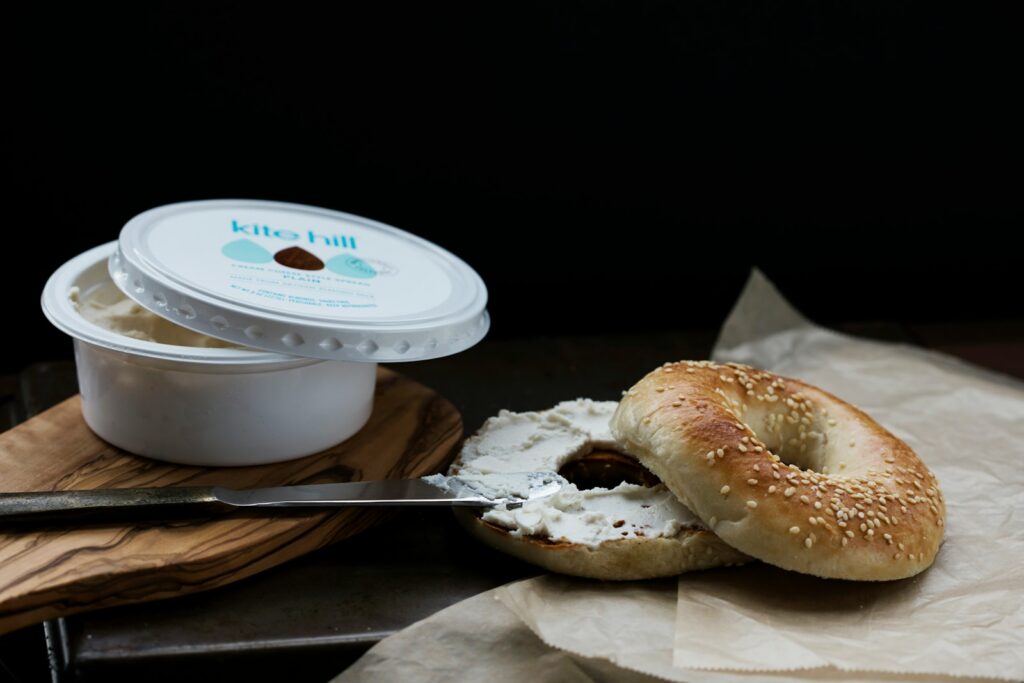
Soft cheeses like cream cheese and ricotta are sensitive to temperature changes.
To preserve their texture and flavor, store these cheeses on a consistent, cold shelf inside the fridge.
7. Yogurt
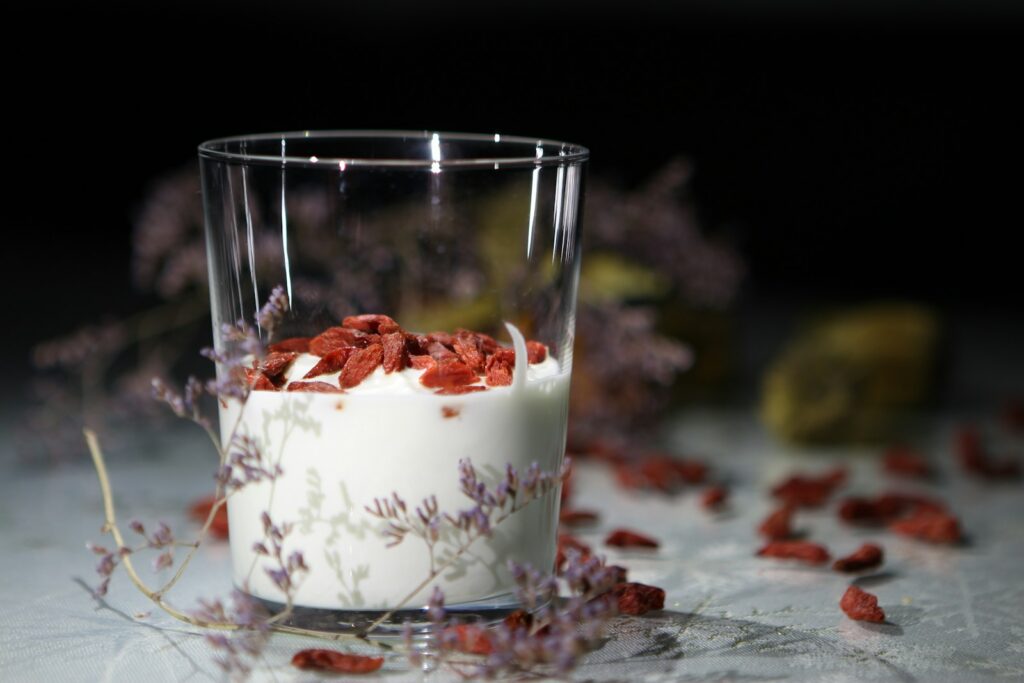
Like milk, yogurt thrives in a stable, cold environment.
Storing yogurt on an interior shelf helps maintain its freshness and prevent spoilage from temperature fluctuations.
6. Deli Meat
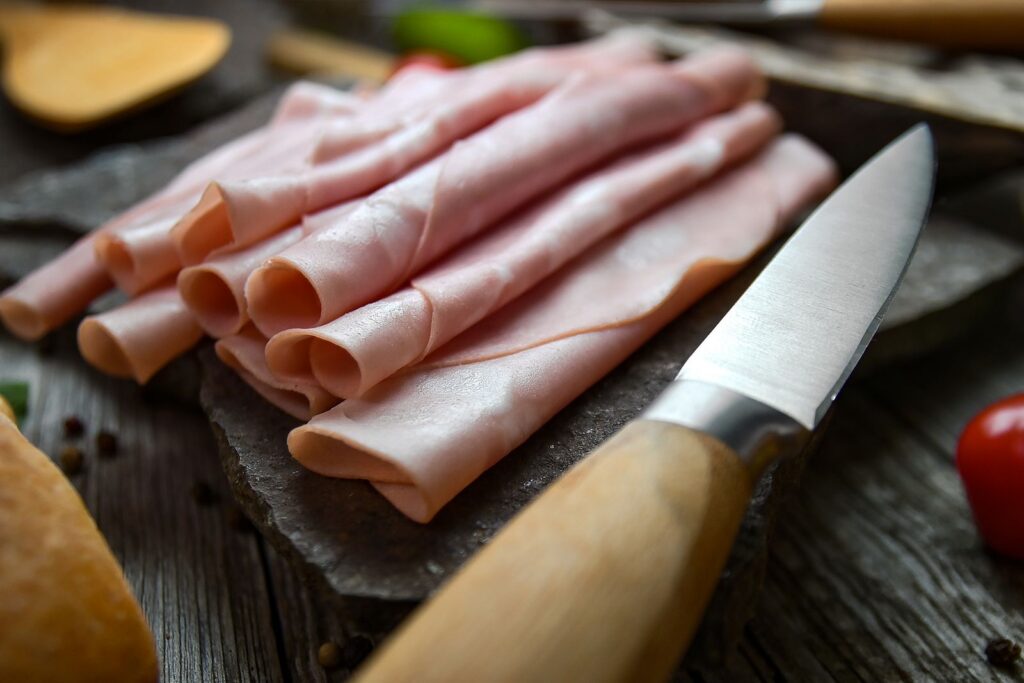
Deli meats should be kept as cold as possible to ensure safety and freshness.
Since these meats are often consumed without further cooking, it’s crucial to store them deeper inside the fridge where temperatures remain stable.
5. Leftovers
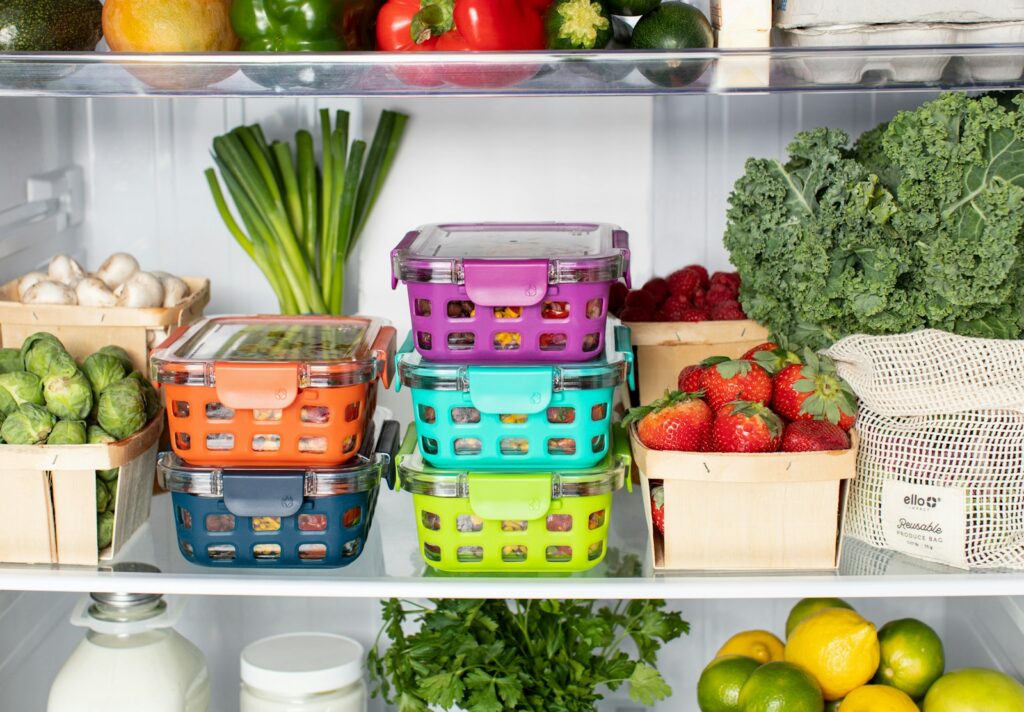
To make the most of your leftovers, store them in the main body of the fridge.
This ensures they remain in a cold, stable environment, preserving their taste and safety for future meals.
4. Butter
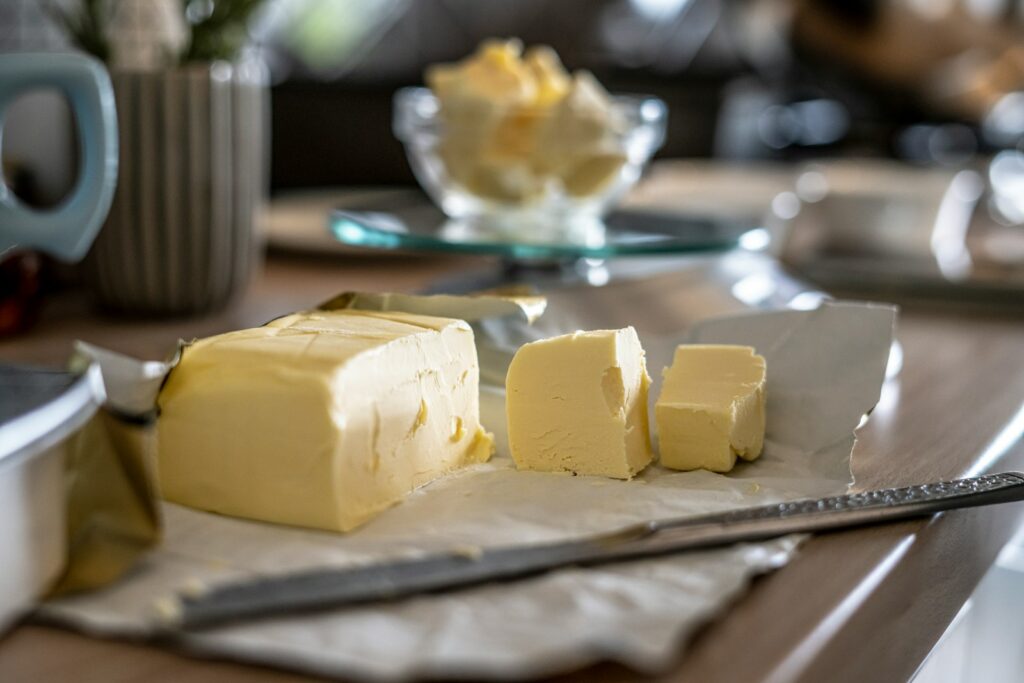
While butter is more forgiving than other dairy products, it still benefits from stable storage.
If you don’t consume butter quickly, keeping it on an interior shelf will help maintain its freshness over time.
3. Fresh Berries
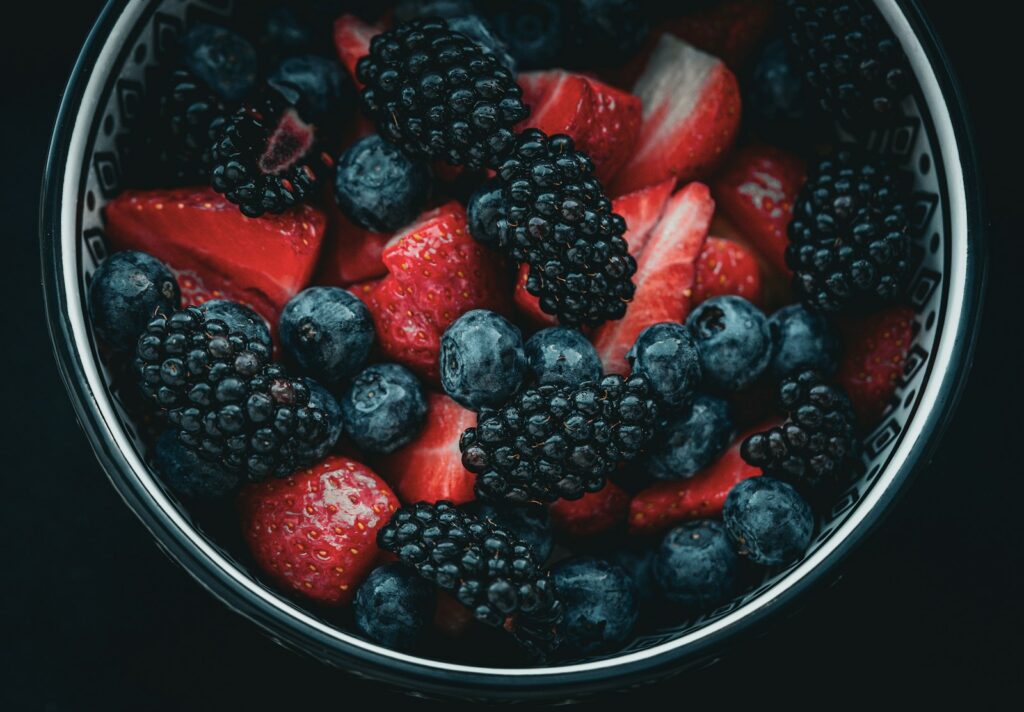
Berries are delicate and prone to quick spoilage.
Storing them in the main compartment of the fridge can help extend their shelf life and keep them fresh longer.
2. Raw Meat and Fish
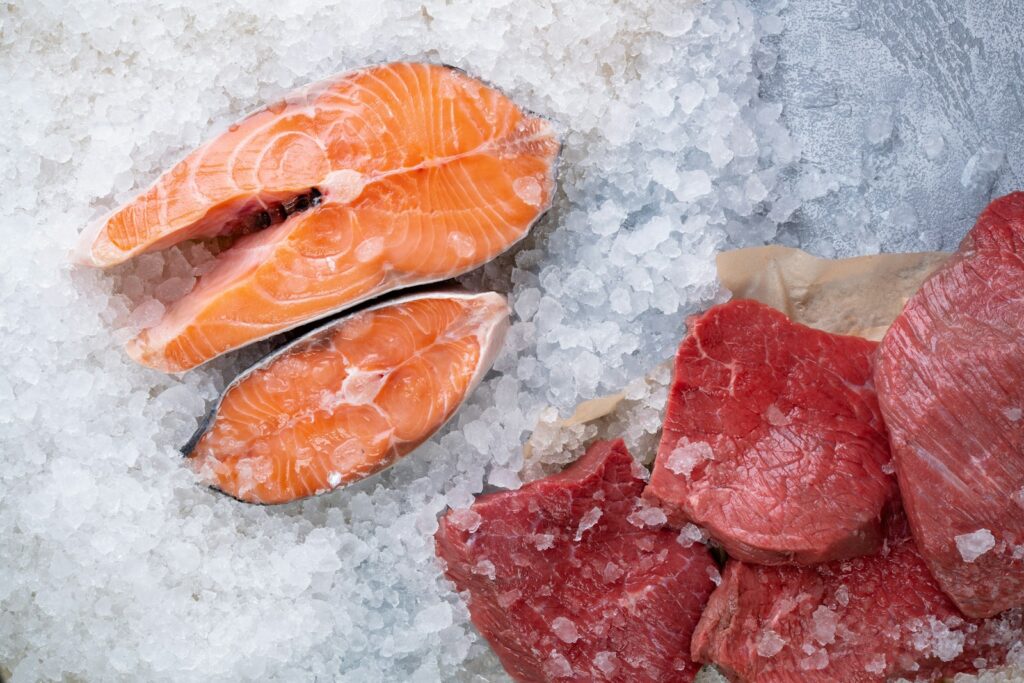
Raw proteins require the coldest and most stable temperatures available.
Always store raw meat and fish on the bottom shelf inside the refrigerator to prevent contamination and ensure they remain safe to consume.
1. Cream-Based Sauces
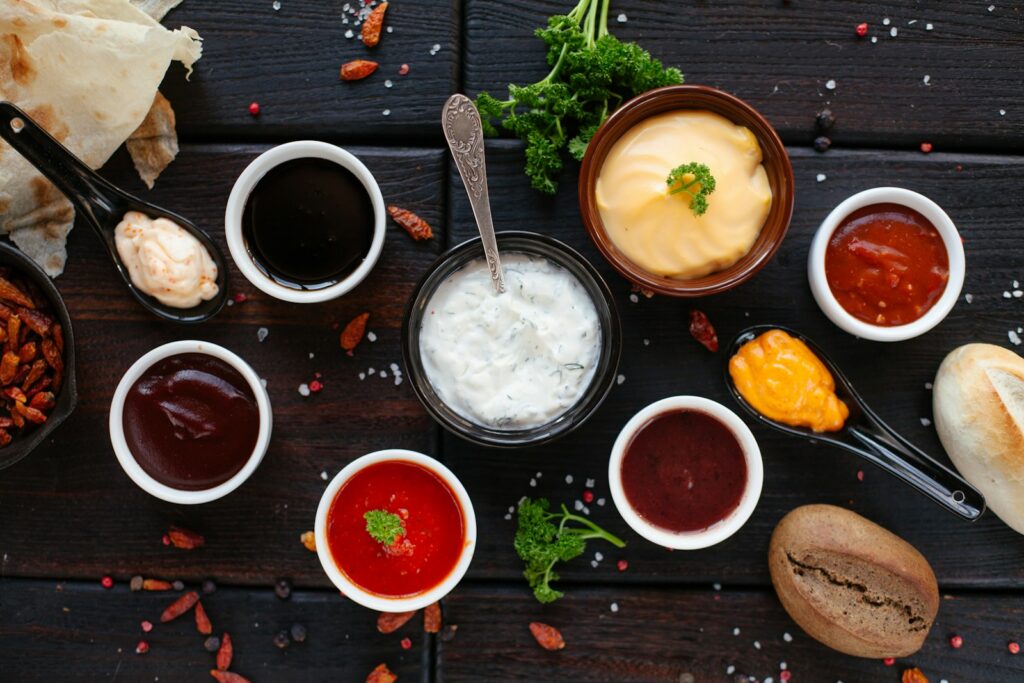
Cream-based sauces are sensitive to temperature changes, which can lead to spoilage.
To maintain their quality and prevent separation, store these sauces on a stable shelf inside the fridge.
Read More:
- Food Expiration Dates Don’t Mean What You Think
- 10 Ways Refrigeration Changed What We Eat
- 12 Foods You Should Always Buy Organic (Based on the Dirty Dozen)