Pets bring joy, companionship, and plenty of personality into our homes. But many everyday household products that seem harmless to people can pose serious risks to animals.
Dogs and cats explore the world with their noses and mouths, which means they sometimes ingest things they shouldn’t. From certain foods to cleaning supplies, some common items can lead to illness or even emergency vet visits.
Knowing what to keep out of reach can go a long way toward protecting your furry friends. Here are 15 household items pet owners should be careful with.
15. Over-the-Counter Pain Relievers
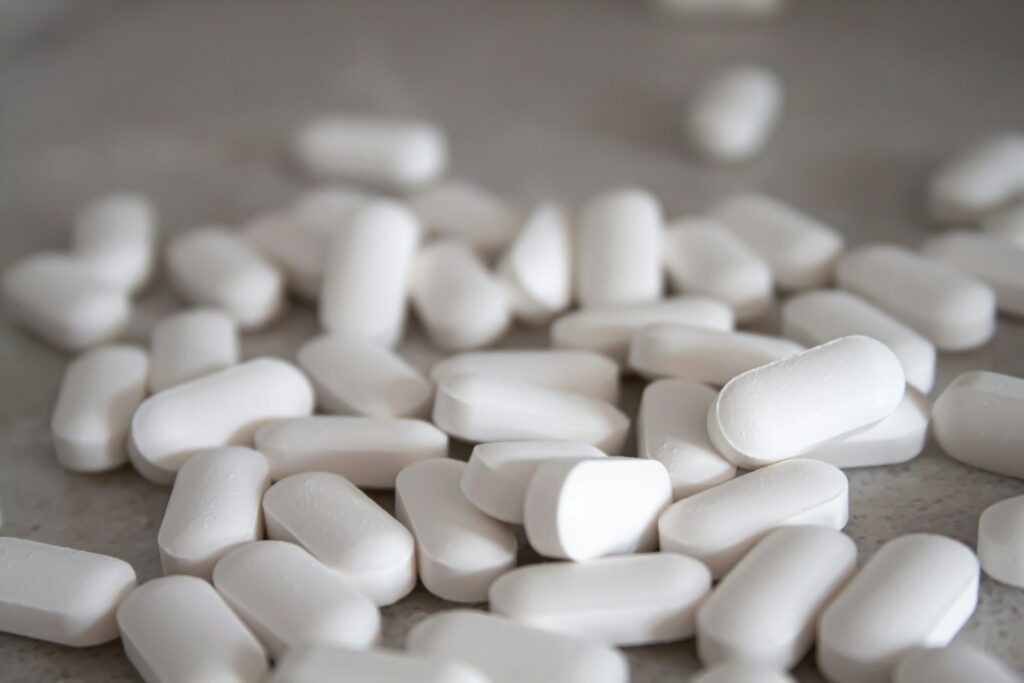
Many common human medications can be extremely dangerous for pets. Pain relievers such as ibuprofen, acetaminophen, aspirin, and naproxen can cause serious complications in dogs and cats.
These medications may damage the liver, kidneys, or stomach lining if ingested. Even small doses can cause problems depending on the animal’s size and species.
Always store medications securely, and never give your pet human medicine unless specifically instructed by a veterinarian.
14. Chocolate

Chocolate contains caffeine and theobromine—two compounds that dogs metabolize very slowly. This makes chocolate particularly toxic for dogs, though cats can also be affected.
Darker chocolate and baking chocolate contain higher levels of these compounds, which makes them more dangerous.
Symptoms of chocolate poisoning may include vomiting, restlessness, rapid heart rate, and seizures, so it’s important to keep sweets out of reach.
13. Grapes and Raisins
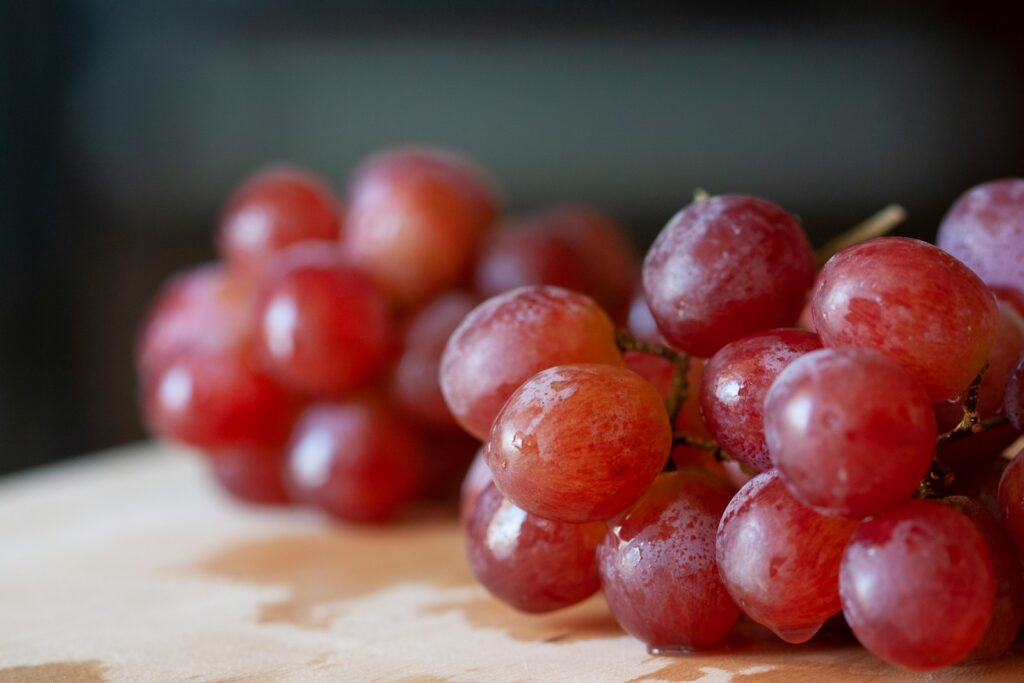
Grapes and raisins can cause serious health problems in dogs, including sudden kidney failure in some cases.
Veterinarians still aren’t certain which compound causes the reaction, but even small amounts can be dangerous for some animals.
Because sensitivity varies between pets, it’s safest to keep grapes and raisins completely off the menu for dogs.
12. Onions, Garlic, and Other Alliums
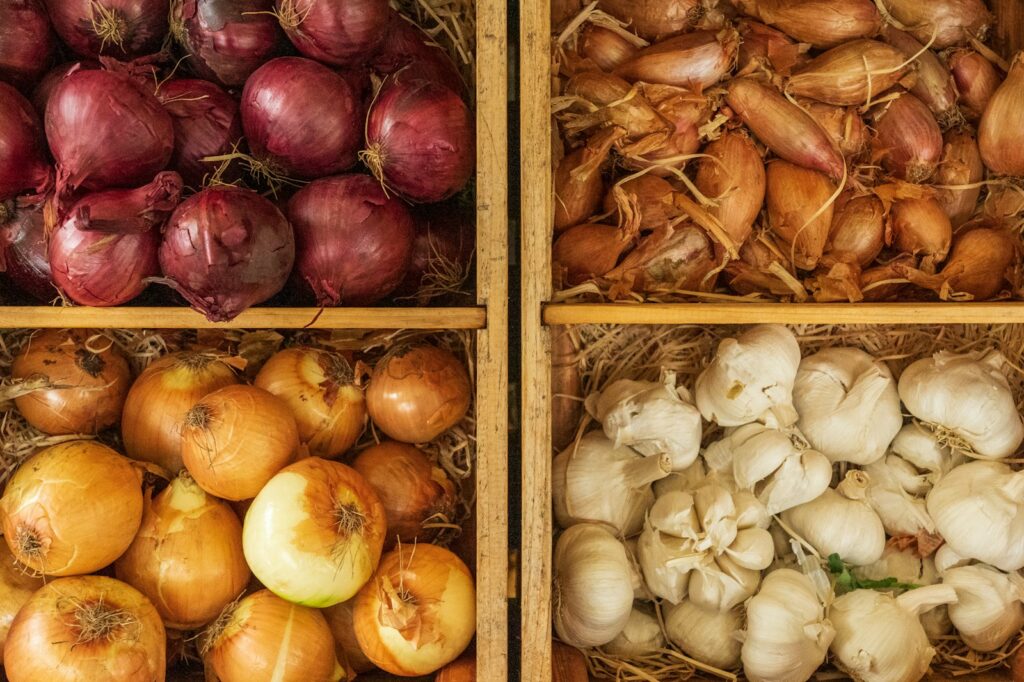
Garlic, onions, chives, and leeks belong to the allium family and can damage red blood cells in dogs and cats.
Large amounts—or repeated exposure—can lead to a condition called hemolytic anemia.
Cooked foods containing onion or garlic powder can also be problematic, which means many leftovers and sauces should stay off your pet’s plate.
11. Toxic Houseplants
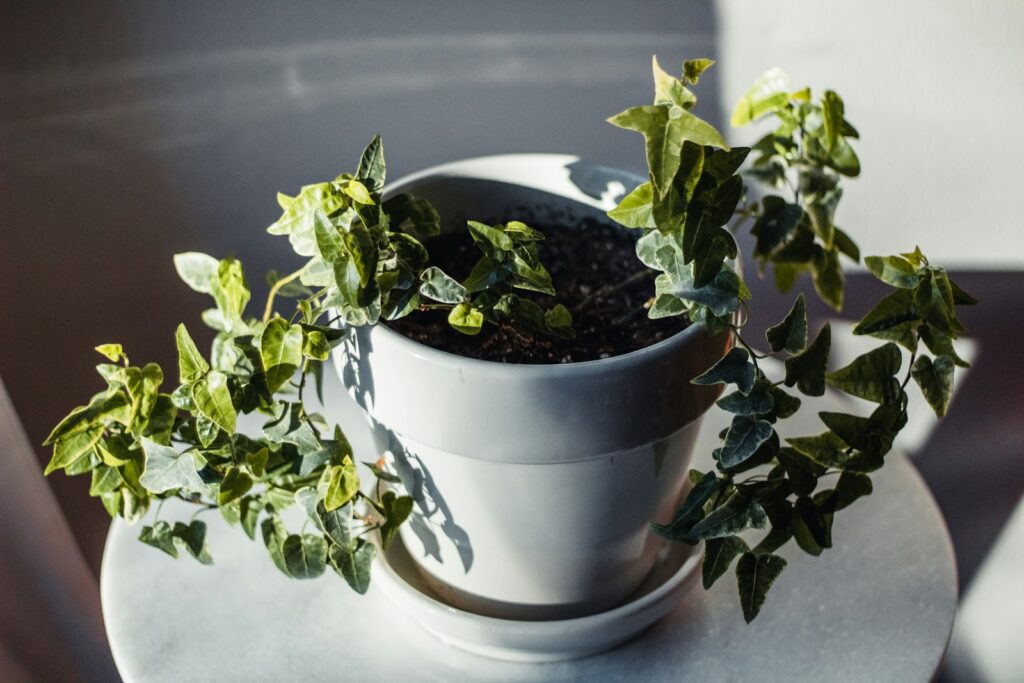
Certain decorative plants can be dangerous for pets if chewed or eaten.
Common examples include lilies (especially dangerous for cats), azaleas, daffodils, ivy, and philodendrons.
Before bringing new plants into your home, it’s a good idea to check whether they appear on veterinary toxic plant lists.
10. Cleaning Products
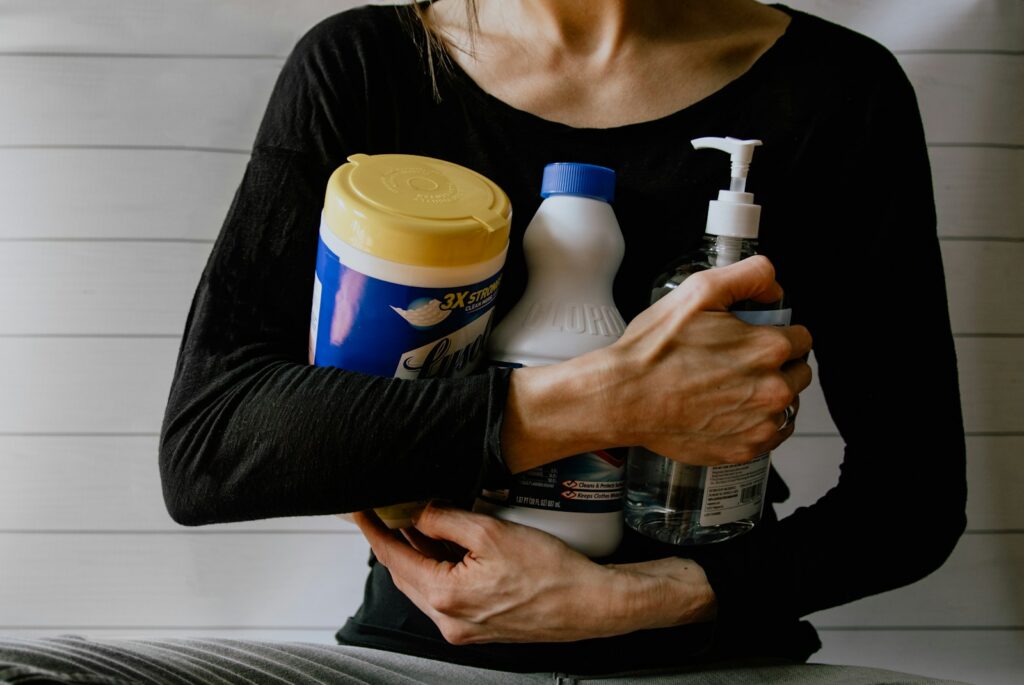
Household cleaners often contain strong chemicals designed to remove stains, grease, and bacteria.
Products containing bleach, ammonia, or disinfectants can irritate pets’ skin, eyes, or digestive systems if ingested.
Store cleaning supplies securely and keep pets out of freshly cleaned areas until surfaces have dried.
9. Rodent Poison
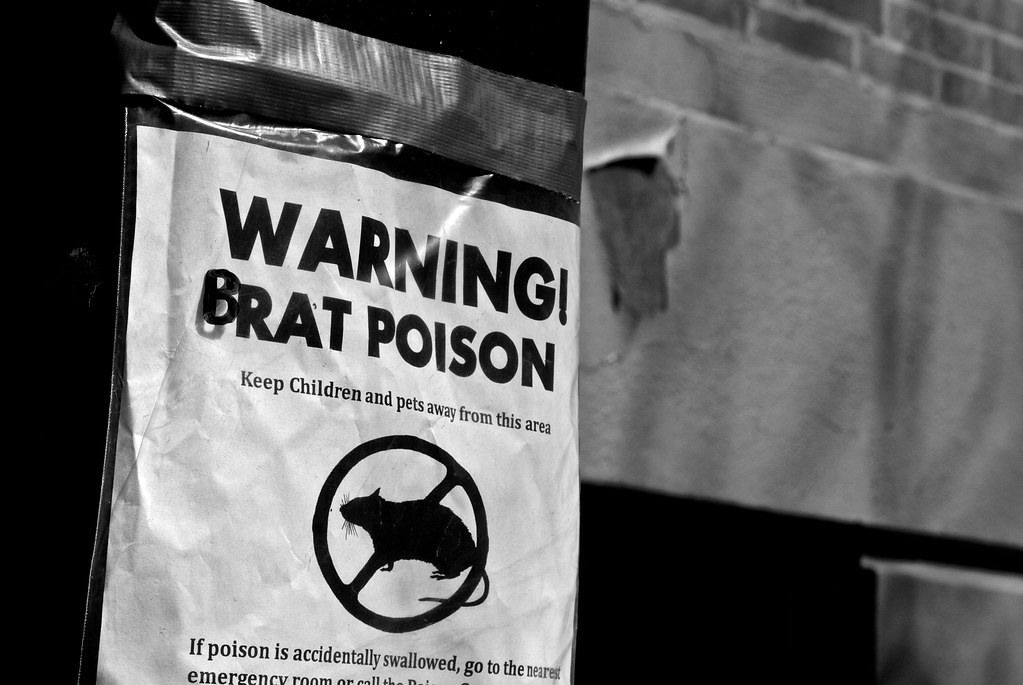
Rodent poisons (rodenticides) are designed to attract animals, which unfortunately makes them appealing to pets as well.
These poisons can cause internal bleeding, organ damage, or neurological problems depending on the formulation.
If you need pest control and have pets, it’s often safer to consult a professional pest control service that can use pet-safe methods.
8. Insecticides and Bug Sprays

Products designed to kill insects—such as ant bait, bug spray, and lawn treatments—can also harm pets if ingested.
Some insecticides affect the nervous system and can cause symptoms like tremors, vomiting, or breathing problems.
Always follow safety instructions and keep pets away from treated areas until products have fully dried.
7. Essential Oils
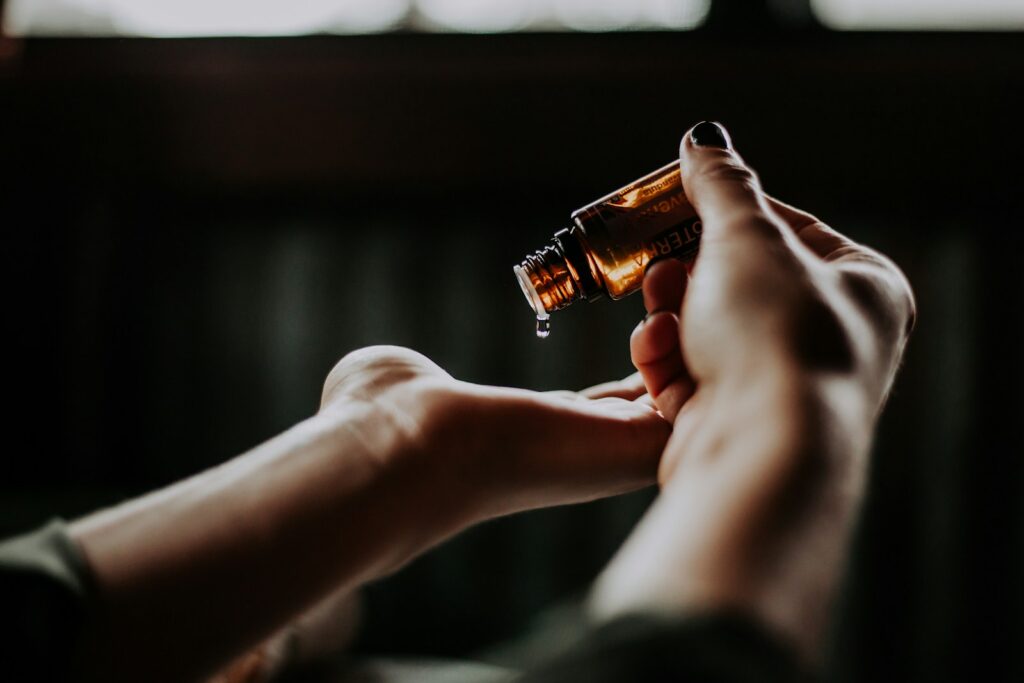
Essential oils are popular in diffusers and household products, but some can be harmful to pets—especially cats.
Oils such as tea tree, eucalyptus, and peppermint can cause symptoms ranging from skin irritation to neurological issues if ingested or absorbed.
Pet owners should be cautious when using essential oils and ensure animals cannot access concentrated oils.
6. Fertilizers
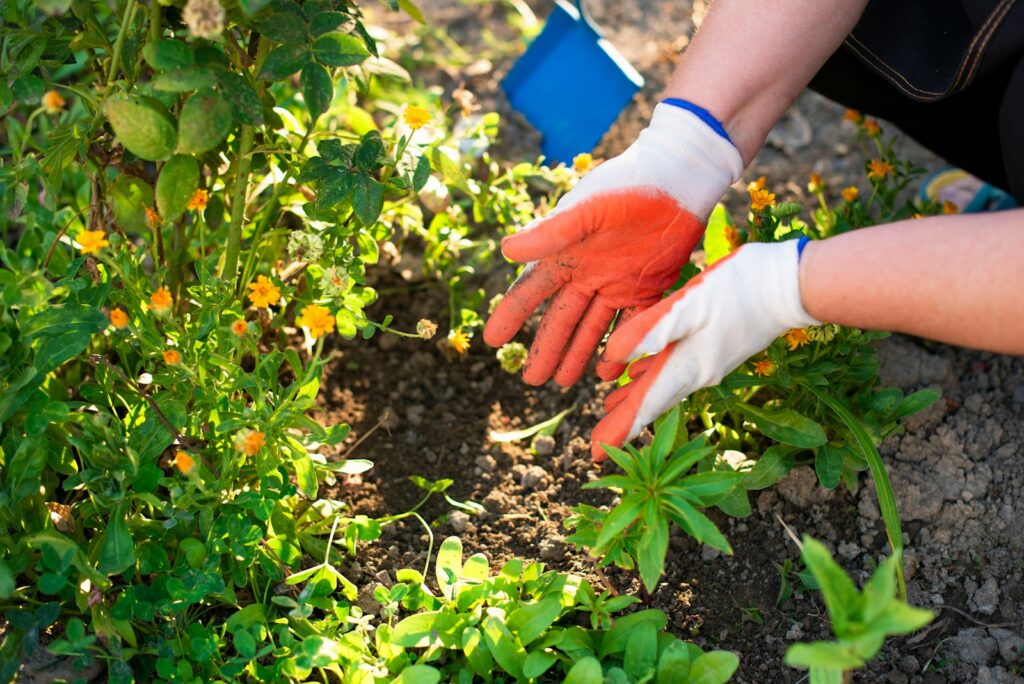
Garden fertilizers may contain chemicals that irritate the digestive tract when ingested.
Some formulas also include bone meal or blood meal, which can attract curious dogs.
While not all fertilizers are highly toxic, they can still cause vomiting, diarrhea, or intestinal blockages if pets eat large amounts.
5. Slug and Snail Bait
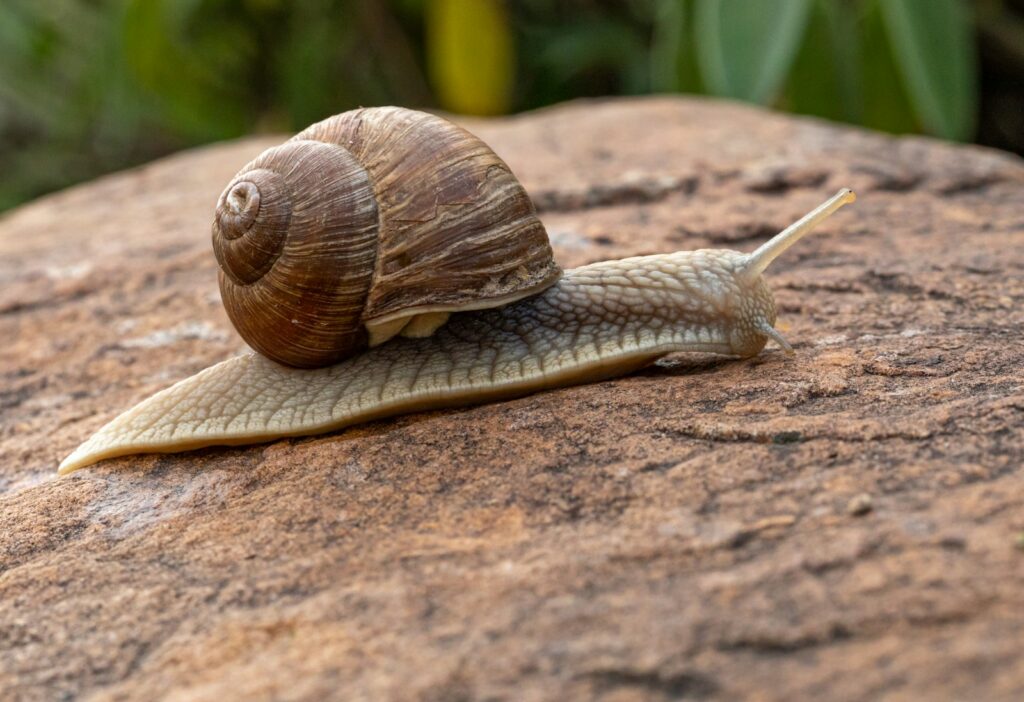
Slug and snail baits are particularly dangerous because they often contain metaldehyde, a chemical that can cause severe poisoning in dogs.
Even small amounts may lead to tremors, seizures, and overheating.
Pet owners who garden should consider pet-safe alternatives when dealing with garden pests.
4. Antifreeze
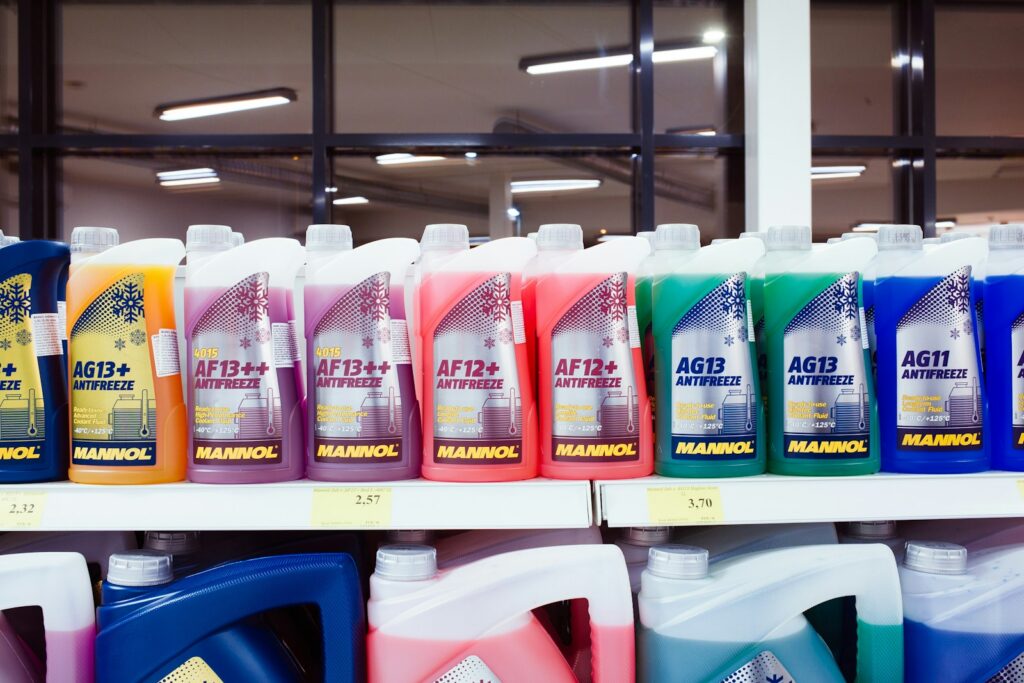
Antifreeze is one of the most dangerous household chemicals for pets. It often contains ethylene glycol, which has a sweet taste that can attract animals.
Even tiny amounts can cause kidney failure in dogs and cats.
Always store antifreeze carefully and clean up spills immediately.
3. Certain Flea and Tick Products
Flea and tick treatments are safe when used correctly, but applying products meant for dogs to cats can be extremely dangerous.
Some products contain permethrin, which is safe for dogs but toxic to cats.
Always use medications specifically designed for your pet’s species and weight.
2. Alcohol
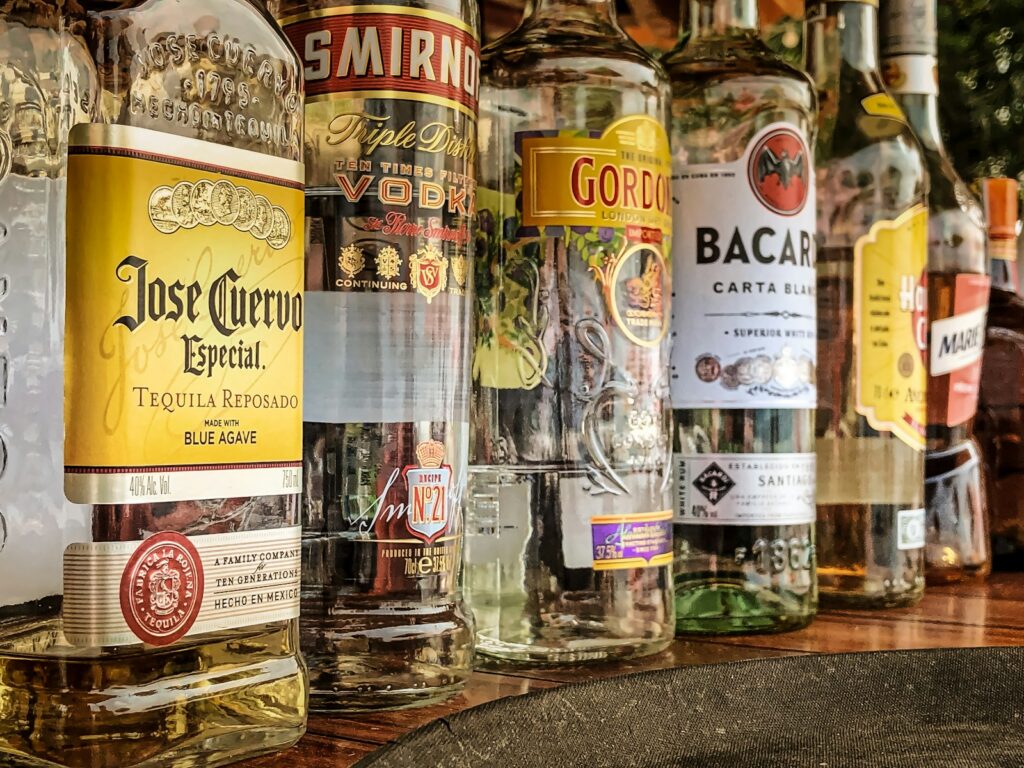
Alcohol affects pets far more quickly than humans because of their smaller body size.
Even small amounts—from beverages, cleaning products, or fermented foods—can cause vomiting, coordination problems, breathing issues, or worse.
Keep alcoholic drinks and foods containing alcohol away from pets.
1. Xylitol (Artificial Sweetener)
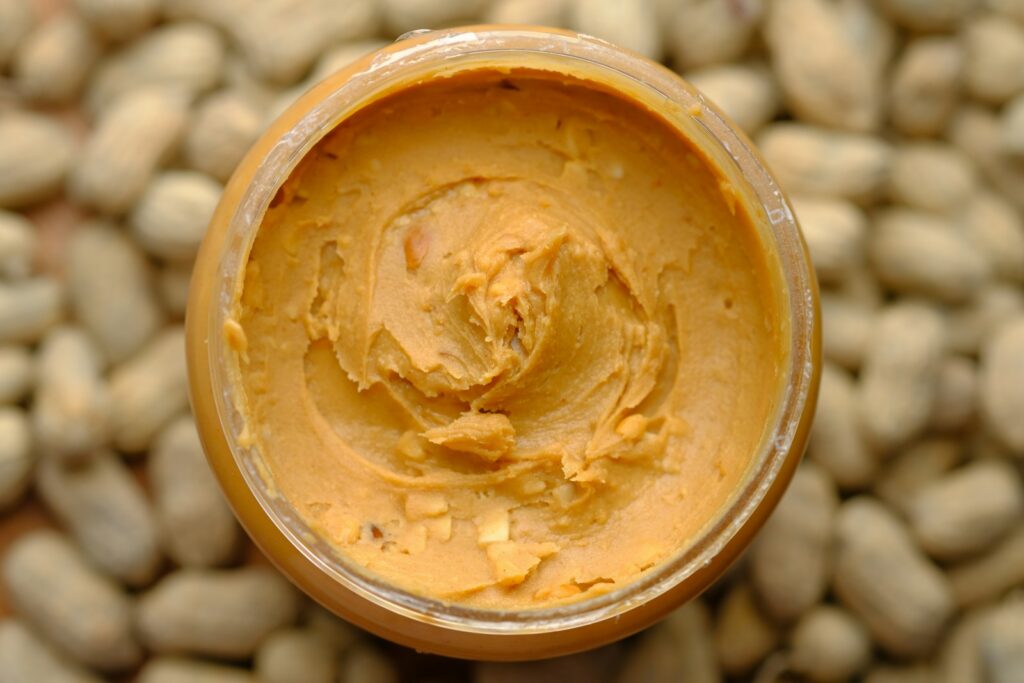
Xylitol is one of the most dangerous food ingredients for dogs. It’s commonly found in sugar-free gum, candy, peanut butter, and baked goods.
In dogs, xylitol can cause a rapid drop in blood sugar and may lead to liver failure in severe cases.
Because it appears in so many everyday foods, checking ingredient labels is especially important for pet owners.