One of the most frustrating parts of starting your career is seeing job listings that ask for experience when you’re trying to get your very first opportunity. The good news? Employers don’t expect students and recent graduates to have years of professional experience.
What they do want to see is evidence that you’re responsible, motivated, and capable of learning. By focusing on your skills, projects, activities, and achievements, you can build a resume that makes a strong impression even without a traditional work history.
10. Start With a Strong Skills Section

When you don’t have much work experience, your skills should take center stage.
Focus on transferable skills that apply across many industries, such as communication, teamwork, organization, problem-solving, leadership, customer service, time management, and technology proficiency.
These skills demonstrate your potential and help employers understand what you can bring to the role.
9. Highlight Relevant Coursework

Classes can provide valuable experience, especially when they’re connected to the job you’re applying for.
If you’ve completed coursework involving research, presentations, data analysis, writing, coding, design, or other practical skills, include those courses on your resume.
This helps employers see the knowledge you’ve already developed.
8. Showcase School Projects

Academic projects often require many of the same skills used in professional settings.
Research papers, marketing plans, business case studies, science experiments, engineering projects, and group presentations all demonstrate valuable abilities.
For example:
Marketing Research Project – Surveyed 100 students, analyzed results, and presented recommendations to faculty members.
This shows initiative, communication, and analytical thinking.
7. Include Volunteer Experience

Volunteer work counts as experience.
Whether you helped organize events, tutor students, assist at a food bank, coach youth sports, or support community programs, these experiences demonstrate responsibility and commitment.
Employers often view meaningful volunteer work very positively because it shows initiative and character.
6. Add Extracurricular Activities

Clubs, student organizations, sports teams, and school activities provide opportunities to develop leadership and teamwork skills.
If you served as a club officer, team captain, committee member, or event organizer, those experiences deserve a place on your resume.
Leadership doesn’t have to come from a paid position to be valuable.
5. Highlight Internships and Job Shadowing
Even short-term internships, externships, or job-shadowing experiences can strengthen your resume.
These opportunities show employers that you’ve taken steps to explore a career field and gain practical exposure to professional environments.
If you’ve participated in any workplace learning experiences, be sure to include them.
4. Feature Certifications and Training
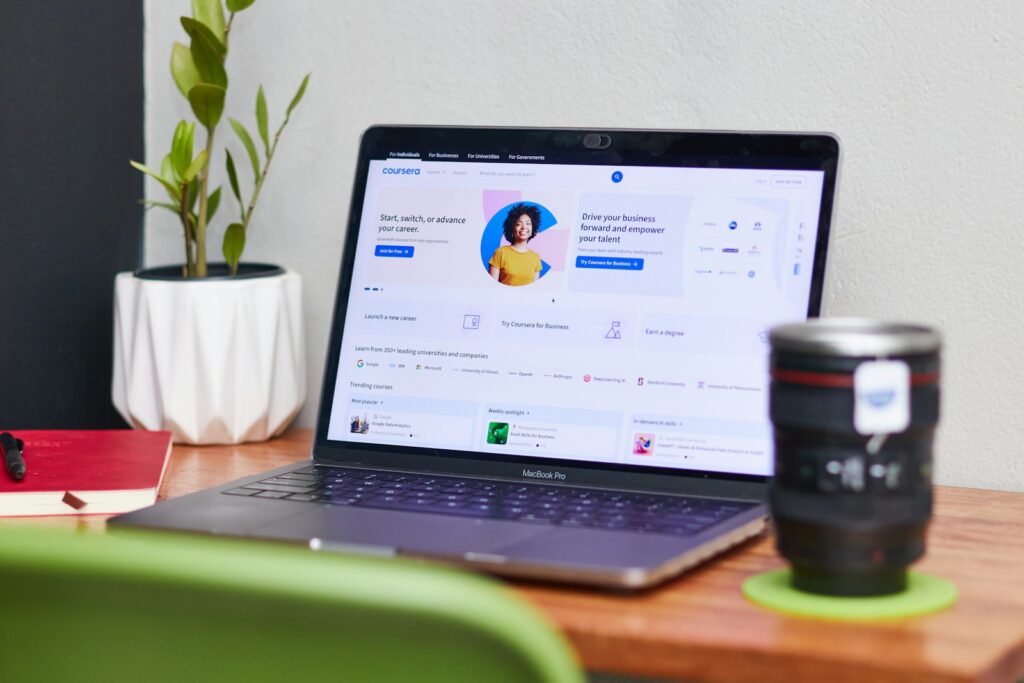
Certifications can help fill experience gaps while demonstrating initiative.
Examples include:
- Microsoft Office certifications
- Google Career Certificates
- CPR and First Aid
- Adobe Creative Suite certifications
- Coding bootcamps
- Industry-specific training programs
These credentials show you’re actively building professional skills.
3. Use Action-Oriented Language

How you describe your experiences matters.
Instead of saying:
“Helped with school fundraiser.”
Try:
“Organized fundraising activities that raised $2,000 for student programs.”
Action verbs such as organized, managed, coordinated, created, designed, led, researched, and developed make your accomplishments sound more professional and impactful.
2. Choose the Right Resume Format
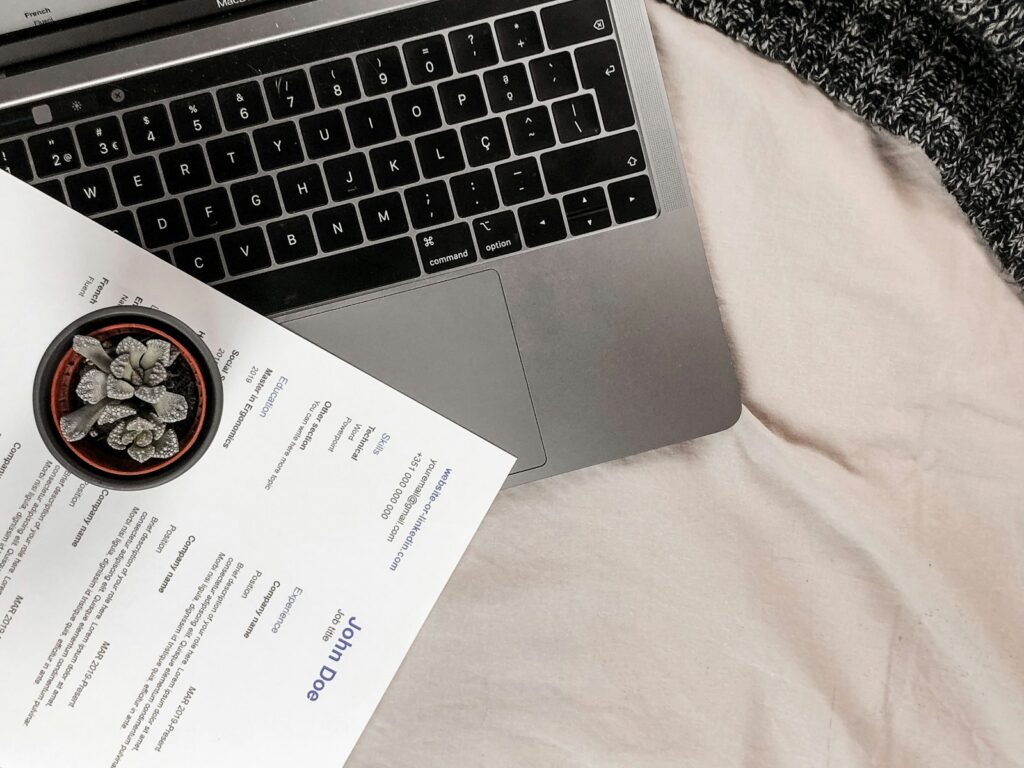
Students often benefit from a hybrid or skills-based resume format.
Rather than leading with work history, place your skills, education, projects, certifications, and activities near the top of the page.
This shifts attention toward your strengths instead of emphasizing a lack of formal employment.
1. Customize Every Resume
One of the biggest mistakes new job seekers make is sending the same resume to every employer.
Carefully read each job description and tailor your resume to highlight the skills and experiences most relevant to that role.
A customized resume shows employers that you’ve taken the time to understand their needs and can significantly improve your chances of getting an interview.
Everyone starts somewhere. Employers know that students and recent graduates won’t have extensive work histories. What matters is demonstrating your potential through skills, projects, volunteer work, leadership experiences, and a willingness to learn. A well-crafted resume can open doors even when you’re just beginning your professional journey.
Read More:
- Is the Five-Day Work Week Becoming Obsolete?
- 13 Tech Skills Employers Can’t Get Enough Of
- Why Gen Z Is Frustrating Employers (And Changing Work Forever)