
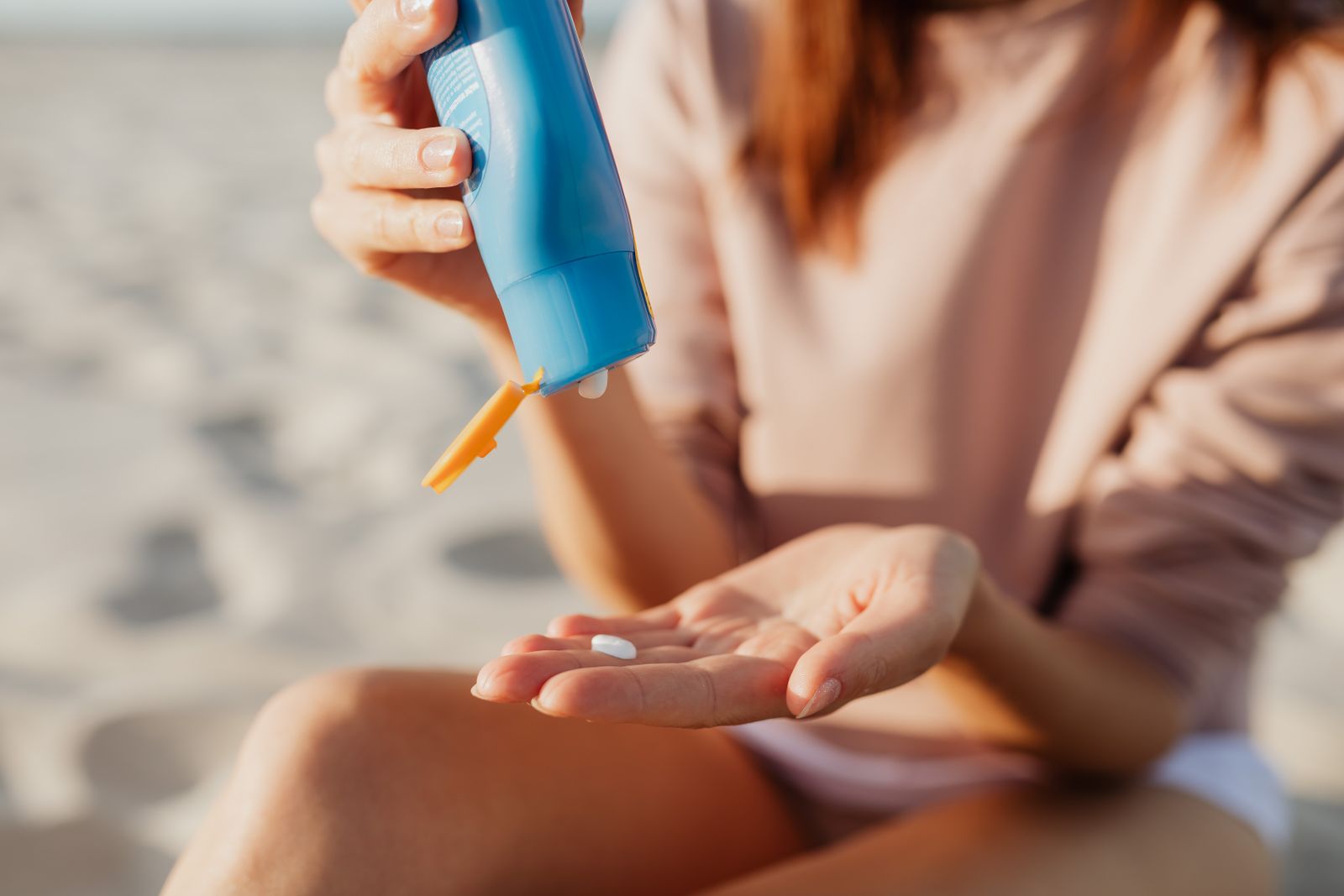
Sunscreen isn’t just for beach days. Dermatologists consider it one of the most important steps in protecting your skin every day. Regular use helps prevent sunburn, reduces the risk of skin cancer, and slows visible signs of aging caused by ultraviolet (UV) exposure.
The best sunscreen is one you’ll actually wear consistently. Look for a broad-spectrum formula with SPF 30 or higher and choose a texture that works well with your skin type and daily routine.
For Oily Skin

If excess shine is a concern, look for lightweight, oil-free sunscreens with a matte or natural finish. Gel, fluid, and water-based formulas tend to absorb quickly without leaving a heavy residue.
Products labeled “non-comedogenic” are less likely to clog pores, making them a good option for oily or breakout-prone skin. Many modern mineral and chemical sunscreens are formulated specifically to control shine throughout the day.
For Dry Skin
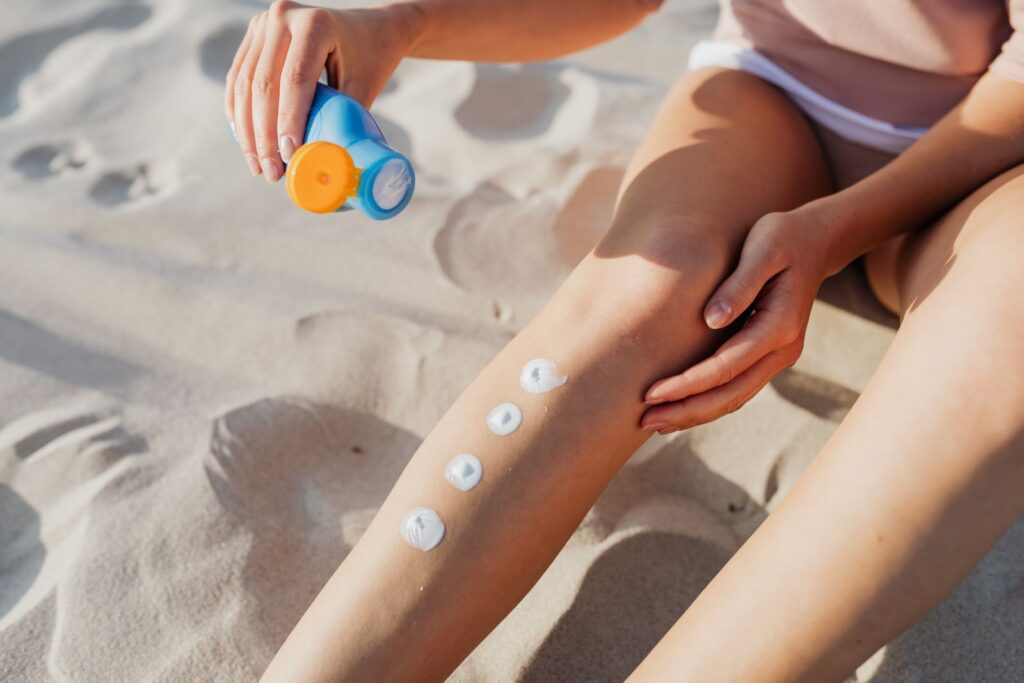
Dry skin benefits from sunscreen formulas that also provide hydration. Cream-based products containing ingredients like hyaluronic acid, glycerin, squalane, or ceramides can help lock in moisture while protecting against UV damage.
Rich lotions often work better than sprays for people dealing with dryness, especially during colder months or in low-humidity climates.
For Sensitive Skin

Sensitive skin often responds best to mineral sunscreens made with zinc oxide, titanium dioxide, or both. These ingredients tend to be less irritating than some chemical UV filters.
Fragrance-free formulas are often a smart choice, and those labeled for sensitive skin typically avoid common irritants such as strong fragrances or drying alcohols.
For Combination Skin
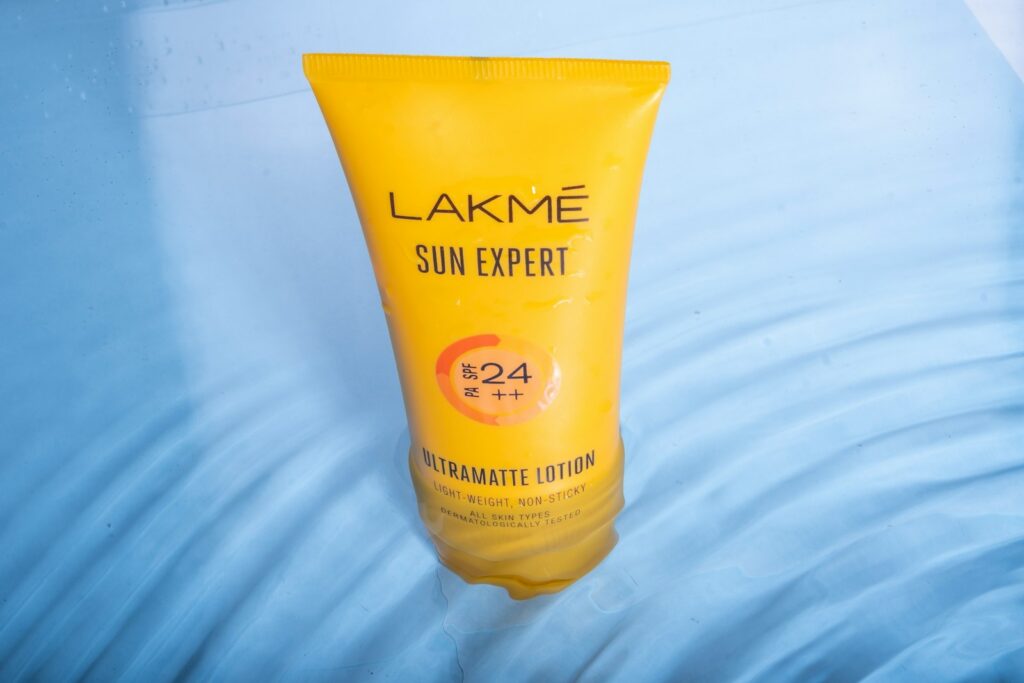
Combination skin requires a balance between hydration and oil control. Lightweight lotions, fluid sunscreens, and fast-absorbing creams often work well because they moisturize dry areas without overwhelming oily zones.
Many people with combination skin prefer formulas that leave a natural or soft-matte finish rather than a heavy glow or completely matte appearance.
For Acne-Prone Skin

People with acne-prone skin should look for non-comedogenic sunscreens designed not to clog pores. Lightweight gels, serums, and fluid formulas are often good choices.
Ingredients like niacinamide may help calm redness and support the skin barrier while providing sun protection. Daily sunscreen use is especially important if you’re using acne treatments that increase sun sensitivity.
For Everyday Wear
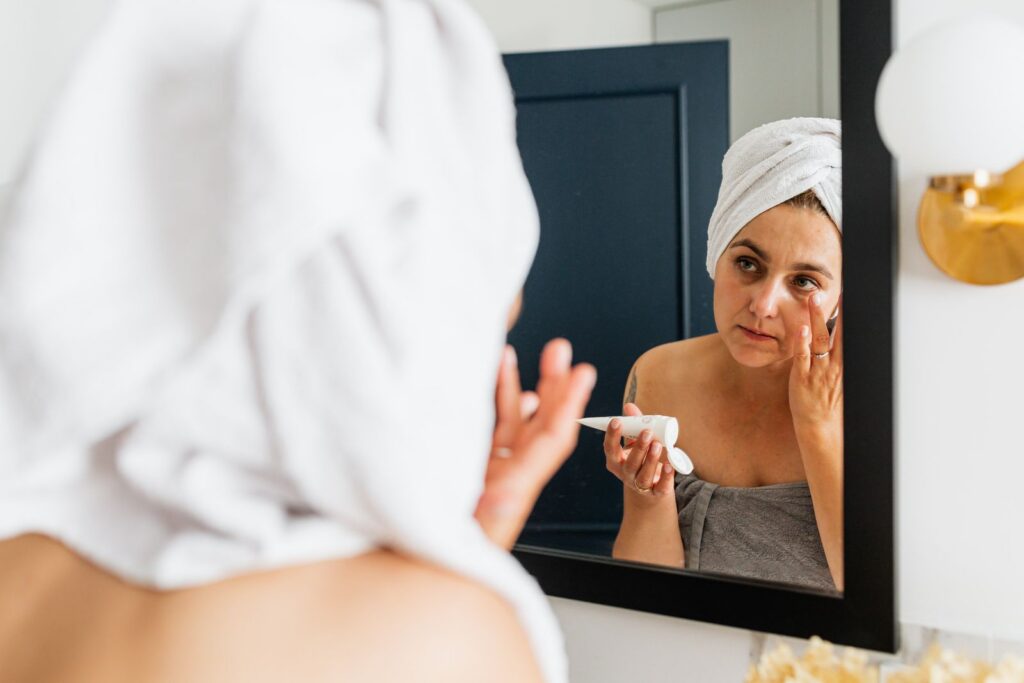
For daily use, comfort matters. Many people prefer lightweight sunscreens that layer well under makeup and don’t leave a noticeable residue.
Tinted sunscreens are particularly popular because they can help even skin tone while providing broad-spectrum protection. Formulas containing iron oxides may offer additional protection against visible light, which can contribute to discoloration and hyperpigmentation.
For Mature Skin

Mature skin often benefits from sunscreen formulas that combine UV protection with hydrating and skin-supporting ingredients.
Look for options containing antioxidants, peptides, ceramides, or hyaluronic acid. These ingredients help support the skin barrier and improve moisture retention while protecting against sun-related aging.
Many people also prefer formulas with a luminous or dewy finish to reduce the appearance of dryness.
For Active Lifestyles
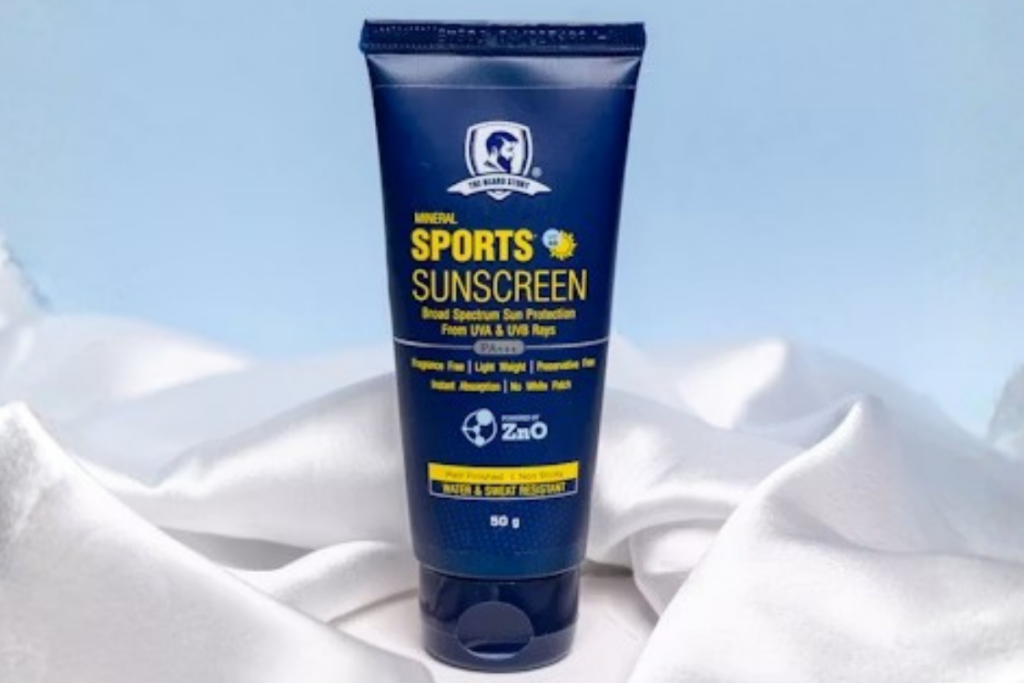
If you’re swimming, exercising, or spending extended time outdoors, choose a water-resistant sunscreen. Water-resistant formulas are designed to stay effective longer during sweating or water exposure, though no sunscreen is completely waterproof.
Most products are labeled as water-resistant for either 40 or 80 minutes. Reapply according to the label directions, especially after swimming, sweating, or towel-drying.
Stick sunscreens can also be useful for quick touch-ups on the face, ears, and other frequently exposed areas.
For Deeper Skin Tones

Many people with deeper skin tones avoid sunscreen because of the white cast some products leave behind. Fortunately, newer formulations have improved significantly.
Tinted mineral sunscreens and many modern chemical formulas blend more easily into a wide range of skin tones. Daily sunscreen use remains important for everyone, regardless of skin tone, because UV exposure contributes to skin cancer, hyperpigmentation, and premature aging.
Reapplication Matters More Than Most People Realize
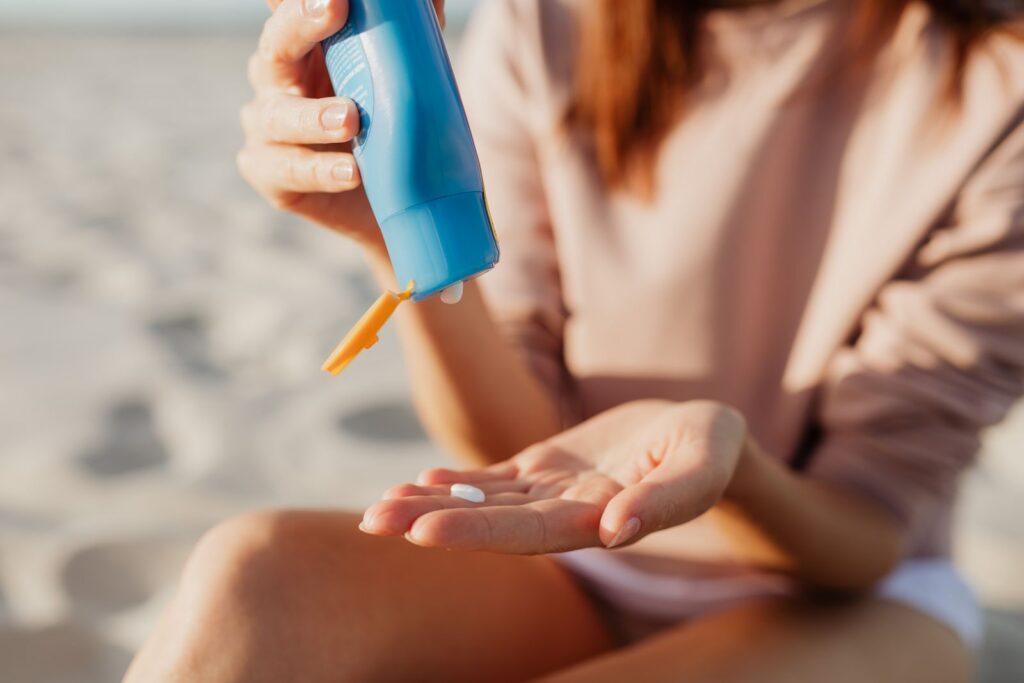
Even the best sunscreen won’t provide full protection if it’s only applied once. Most adults need approximately one ounce (about a shot-glass amount) to cover the body adequately.
Reapply at least every two hours when outdoors and more frequently after swimming, sweating, or towel-drying. Protective clothing, hats, and sunglasses can provide additional defense against UV exposure.
Key Takeaways
The best sunscreen isn’t necessarily the most expensive one. It’s the one that fits your skin type, feels comfortable to wear, and becomes part of your daily routine.
Choose a broad-spectrum SPF 30 or higher, match the formula to your skin’s needs, and remember that consistent use and regular reapplication are what make the biggest difference over time.
Read More:
- 10 Weird Ways People Tried to Stay Healthy in the Past
- Why the Best Wellness Habits Are Often the Cheapest
- The Longevity Kitchen: 10 Foods That May Help You Live Longer