
Homer is a name that resonates through the annals of literary history, yet the details about this iconic figure are as elusive as the myths he penned. Known for the epic tales of the Iliad and the Odyssey, Homer’s life and identity have sparked debates among historians and scholars for centuries. Was he a single individual or a collective of storytellers? Did he even exist at all?
These questions have led to a myriad of theories, each adding layers to the enigma of Homer. Here are nine intriguing aspects of this enduring historical debate.
9. The Blind Poet Theory

One of the most famous legends about Homer is that he was blind. This detail, though widely circulated, remains unverified and speculative.
The association of blindness with Homer could have roots in the Greek word “homeros,” which means “hostage” but can also imply “blind.” This dual meaning fuels the myth of his blindness.
8. The Ionian Connection

The dialect used in the Iliad and the Odyssey suggests a connection to Ionia, a region in what is now modern-day Turkey.
This linguistic clue leads some scholars to propose that Homer hailed from this area, yet no definitive evidence confirms his birthplace.
7. The Homeridae

On the island of Chios, a group known as the Homeridae claimed descent from Homer, adding another layer to his mystique.
These “children of Homer” were said to be keepers of his works, but the historical accuracy of their lineage remains debated.
6. A Composite Identity

Some theories suggest that “Homer” was not a single person but a composite identity of various storytellers.
This idea posits that the epics were collectively crafted over time, with each storyteller adding their own flair to the tales.
5. Mythical Origins
Like his works, Homer himself has been mythologized, with stories of divine ancestry and legendary exploits.
These mythical accounts blur the lines between historical fact and fiction, complicating efforts to uncover the truth.
4. Oral Tradition

The Iliad and the Odyssey were likely part of an oral tradition, passed down through generations before being written.
This oral history could explain variations and embellishments in the stories, as they evolved with each retelling.
3. Historical Inconsistencies

Conflicting accounts of Homer’s life contribute to the debate over his existence, with no single narrative prevailing.
These inconsistencies fuel skepticism and provide fertile ground for alternative theories about his identity.
2. The Hostage Hypothesis
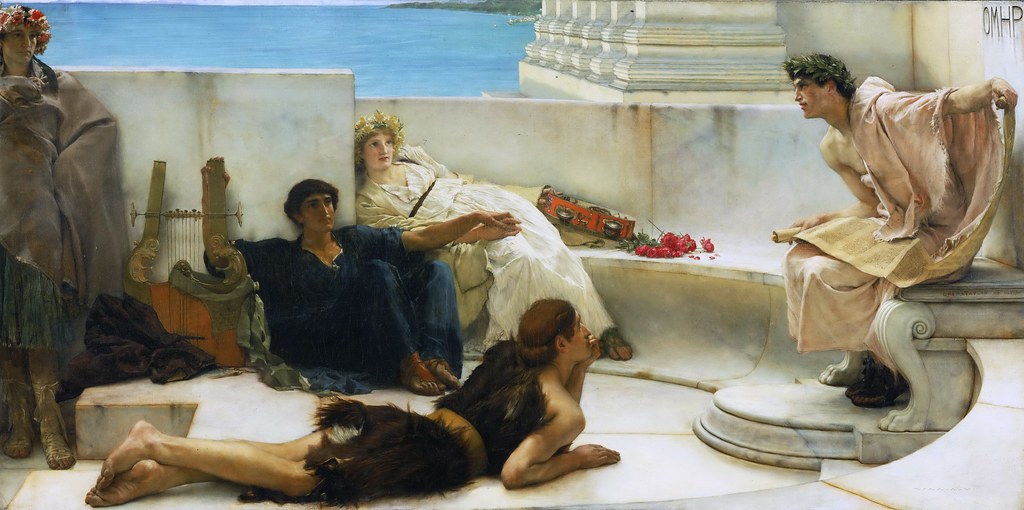
Some suggest that Homer was once a hostage, drawing on the potential translation of his name from Greek.
This hypothesis adds a layer of intrigue to his story, though it remains speculative without concrete evidence.
1. The Eternal Mystery
Ultimately, the question of Homer’s existence remains one of history’s great mysteries, with no definitive answers in sight.
The allure of Homer’s story lies in its uncertainty, inviting endless speculation and fascination with this enigmatic figure.
Read More:
- 10 Inventions That Have Been Lost to Time
- 9 Things You Didn’t Know About the Trojan Horse
- 10 Things Americans Waste That Our Ancestors Would Never Throw Away