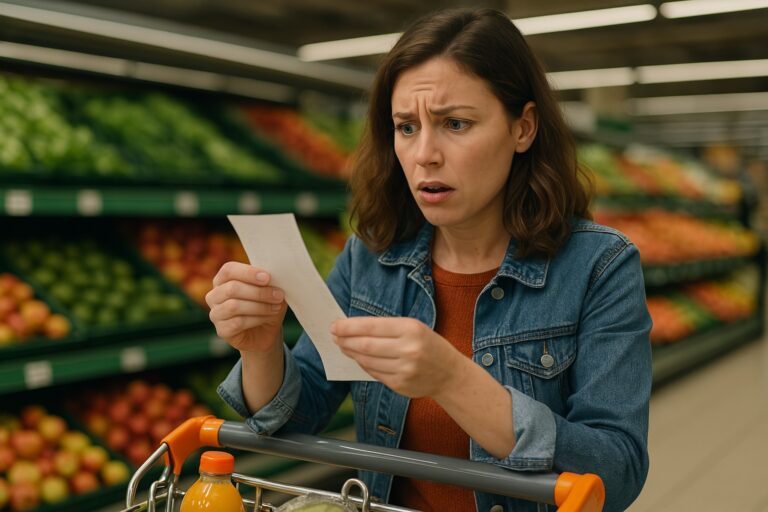

Most of us don’t think twice before throwing something away. Whether it’s leftovers from dinner, an old T-shirt, or a glass jar that came with pasta sauce, modern life has made replacing everyday items faster and easier than ever before.
For most of human history, however, waste wasn’t just frowned upon. It often wasn’t an option. Earlier generations repaired, reused, repurposed, and stretched nearly every resource they had, whether out of necessity, frugality, or simple practicality. Looking back at the things our ancestors routinely saved offers a fascinating glimpse into how dramatically our relationship with everyday possessions has changed. Here are 10 things Americans waste today that our ancestors would have never thrown away.
10. Rainwater
For much of history, rainwater was carefully collected for drinking, washing, cooking, watering gardens, and caring for livestock.
Today, millions of gallons simply run into storm drains after every rainfall.
9. Leftovers

Previous generations routinely transformed leftovers into entirely new meals.
Soup, casseroles, pies, and stews often existed because families refused to let perfectly good food go to waste.
8. Clothing
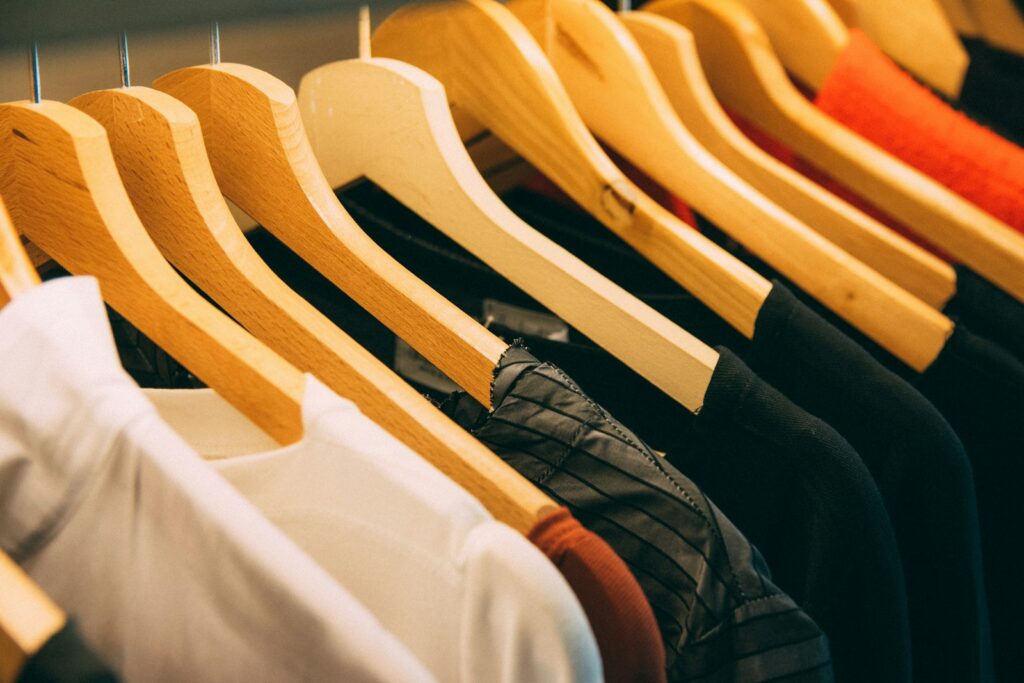
Before fast fashion, clothes were patched, altered, handed down, and repaired repeatedly.
Many garments lasted decades rather than seasons.
7. Glass Jars
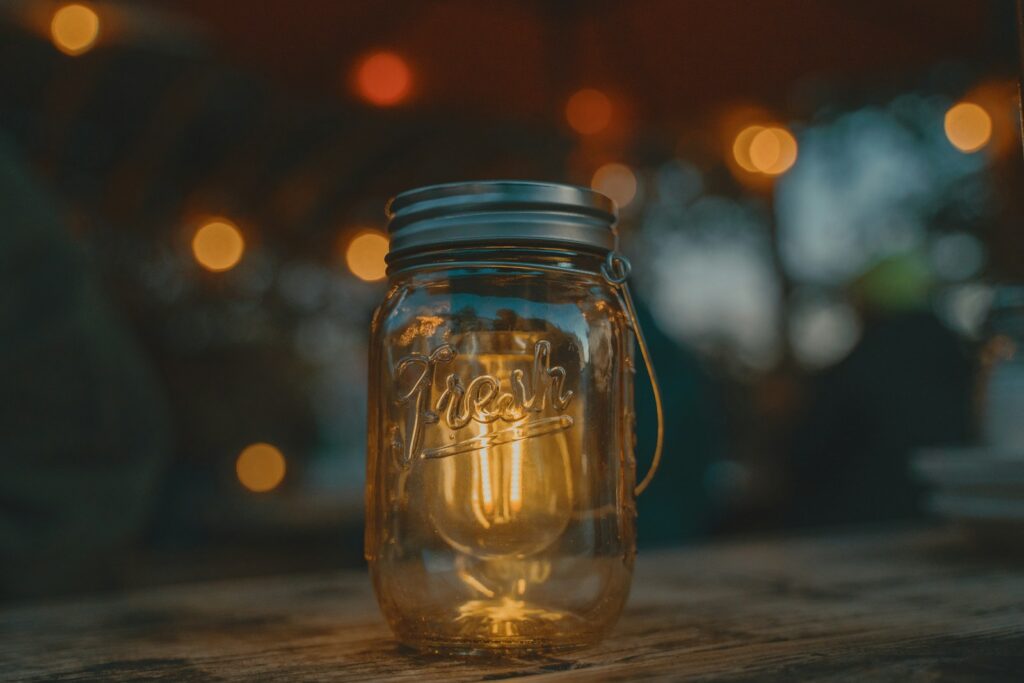
A glass jar was never “packaging.”
It became storage for preserves, buttons, nails, sewing supplies, dry goods, and countless household items.
6. Wood
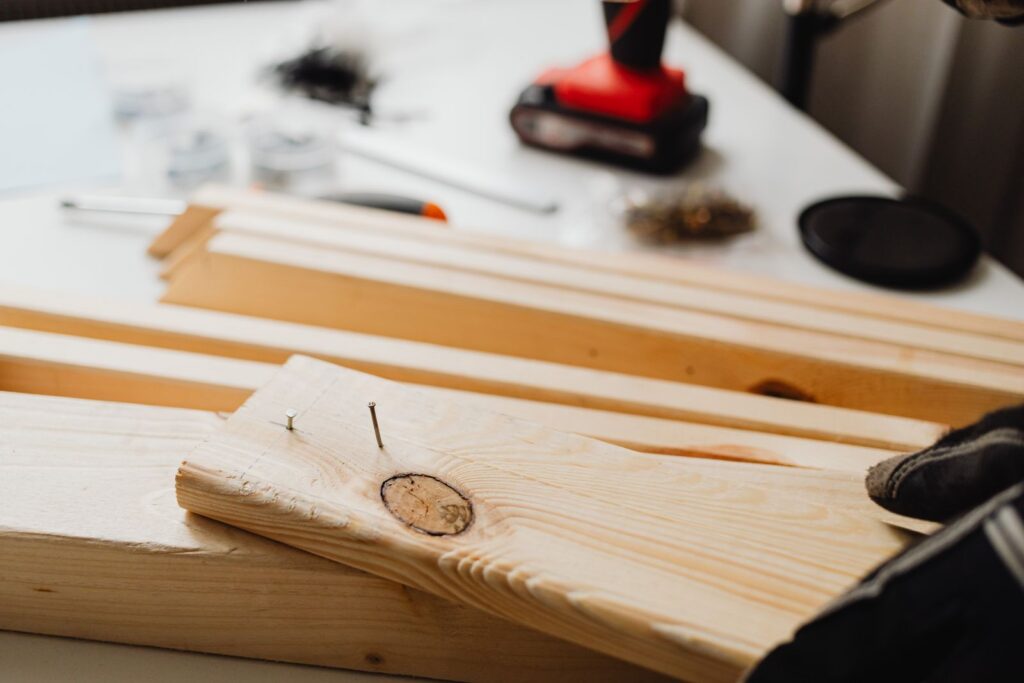
Broken furniture often became firewood, repair material, shelving, or tool handles.
Almost every usable piece found another purpose.
5. Animal Bones

Bones became broth, tools, buttons, fertilizer, and even glue.
Very little of a butchered animal went unused.
4. Bread
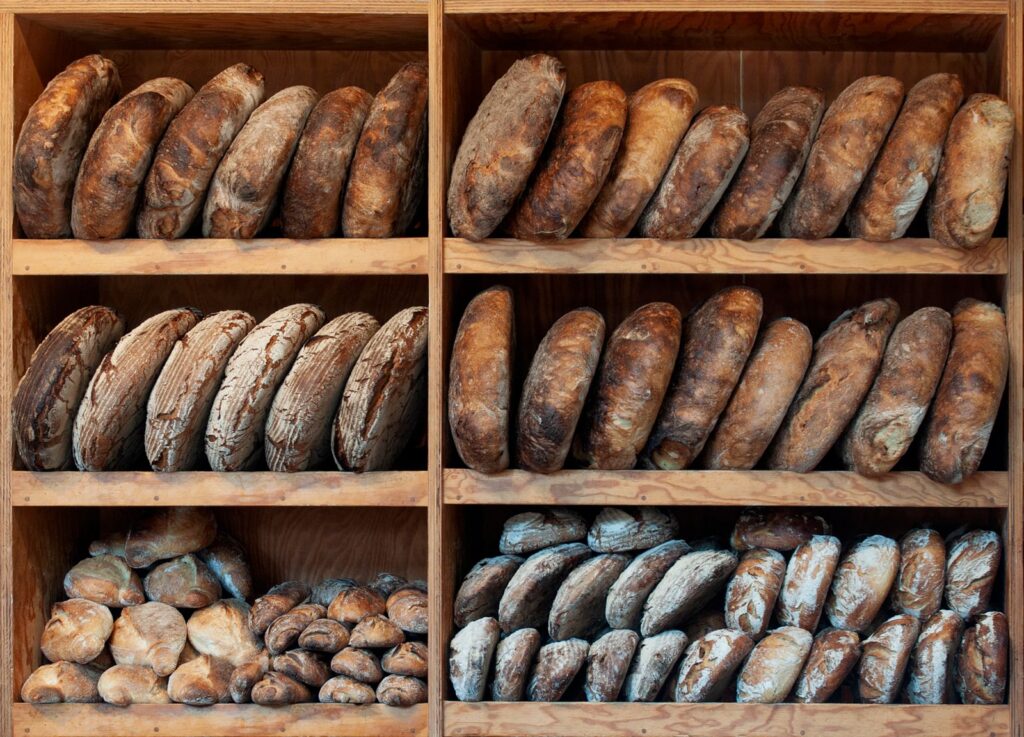
Stale bread wasn’t garbage.
It became breadcrumbs, stuffing, croutons, bread pudding, French toast, or thickener for soups.
3. Time
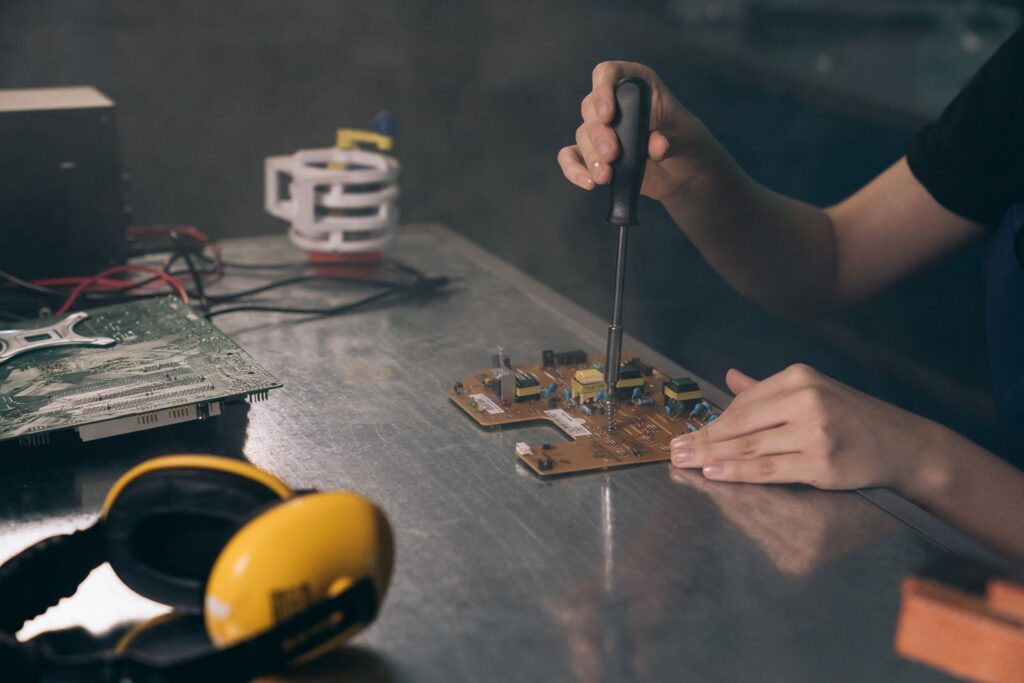
Our ancestors often spent hours repairing possessions because replacing them wasn’t an option.
Modern convenience has made replacing things faster than fixing them.
2. Food
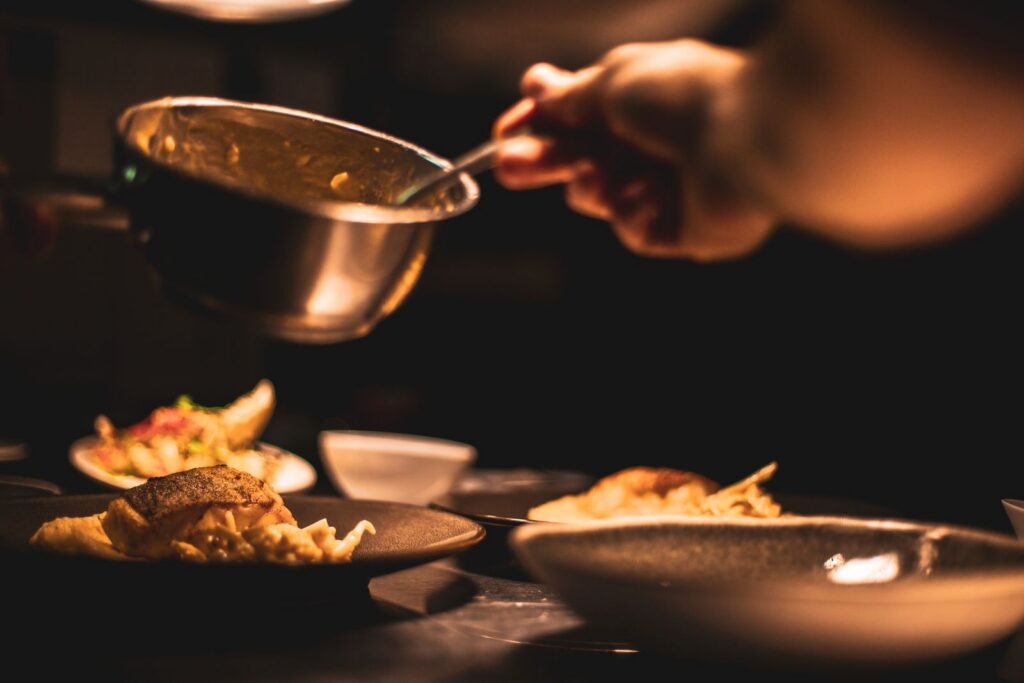
The average household throws away significant amounts of edible food every year.
For generations that experienced war, famine, or the Great Depression, this level of waste would have been almost unimaginable.
1. Water
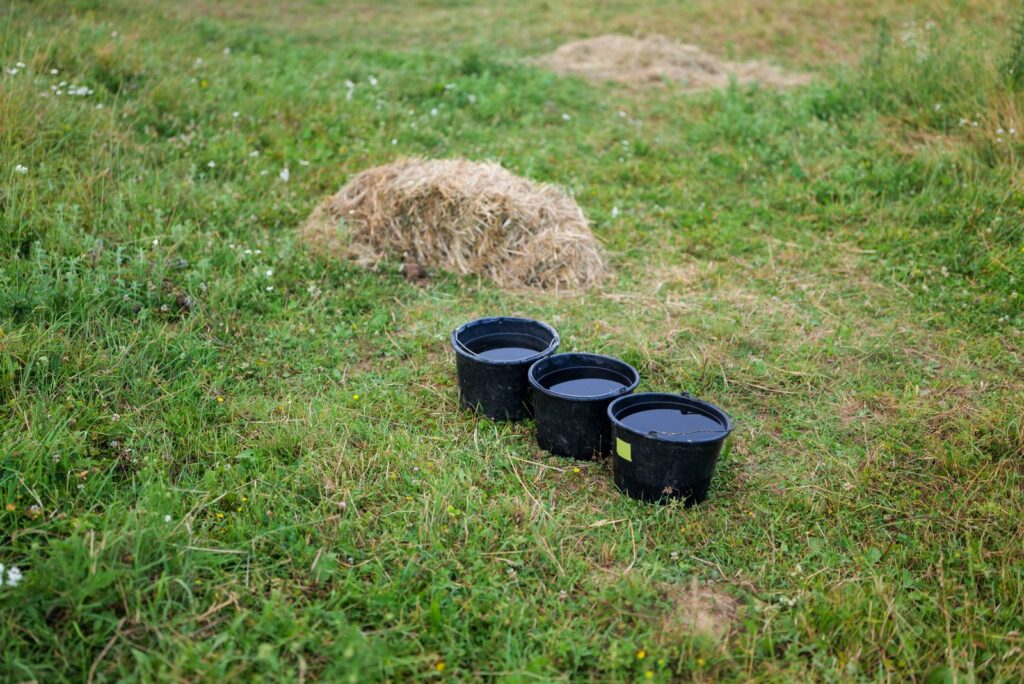
Long before indoor plumbing, every bucket of water had to be carried by hand.
That effort made people acutely aware of its value. Today, running water can make it easy to forget how precious the resource really is.
Read More:
- 10 Hard Truths About Growing Your Own Food
- What Social Media Won’t Tell You About Homesteading
- 15 Things Nobody Tells You About Building a Tiny Home