

Bringing home a new puppy is exciting, but if you already have a dog, introductions need to be handled carefully. Even well-behaved dogs can feel stressed, territorial, or uncertain around a new arrival.
The good news: with the right approach, you can set the stage for a smooth and positive relationship.
Read Your Dog’s Body Language First

Before any introduction, it’s important to understand what your dogs are communicating.
Watch for these common signals:
- Tail: A tucked tail suggests fear, while a high or stiff tail can indicate alertness or tension.
- Vocalizations: Growling is a warning sign, barking can signal excitement or alertness, and whining often indicates anxiety.
- Posture: A stiff body may signal tension, while crouching or lowering the body suggests fear or submission.
- Ears: Pinned-back ears often mean anxiety, while forward ears show curiosity or focus.
- Eyes: Direct staring can be a challenge, while avoiding eye contact may signal submission.
- Facial expressions: Yawning or lip licking can indicate stress, while bared teeth signal aggression or fear.
Understanding these cues helps you step in before things escalate.
1. Choose the Right Moment

Timing matters. Introduce your dogs when both are calm—not overly excited, tired, or overstimulated. A relaxed state sets the tone for a better first impression.
2. Start on Neutral Ground

Avoid introductions inside your home at first. Instead, choose a neutral location like a park or quiet outdoor space.
This reduces territorial behavior and helps both dogs feel more at ease.
3. Keep Dogs on Leash (But Relaxed)
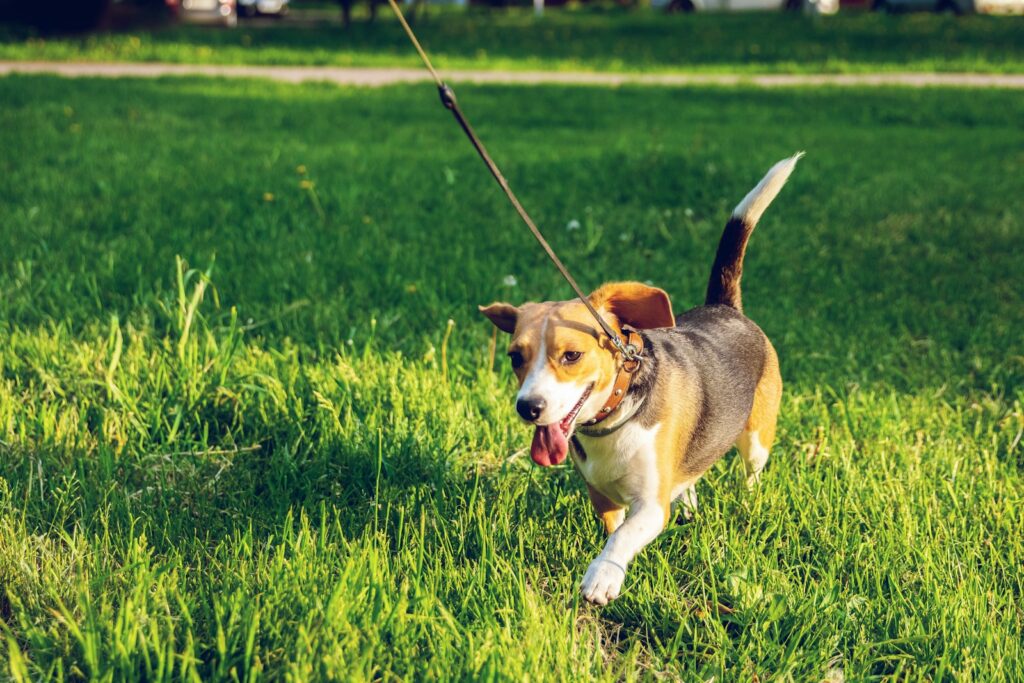
Use leashes during the first meeting so you can maintain control if needed.
Keep the leash loose—tight tension can make dogs feel stressed and increase the chance of a negative reaction.
4. Supervise Every Interaction
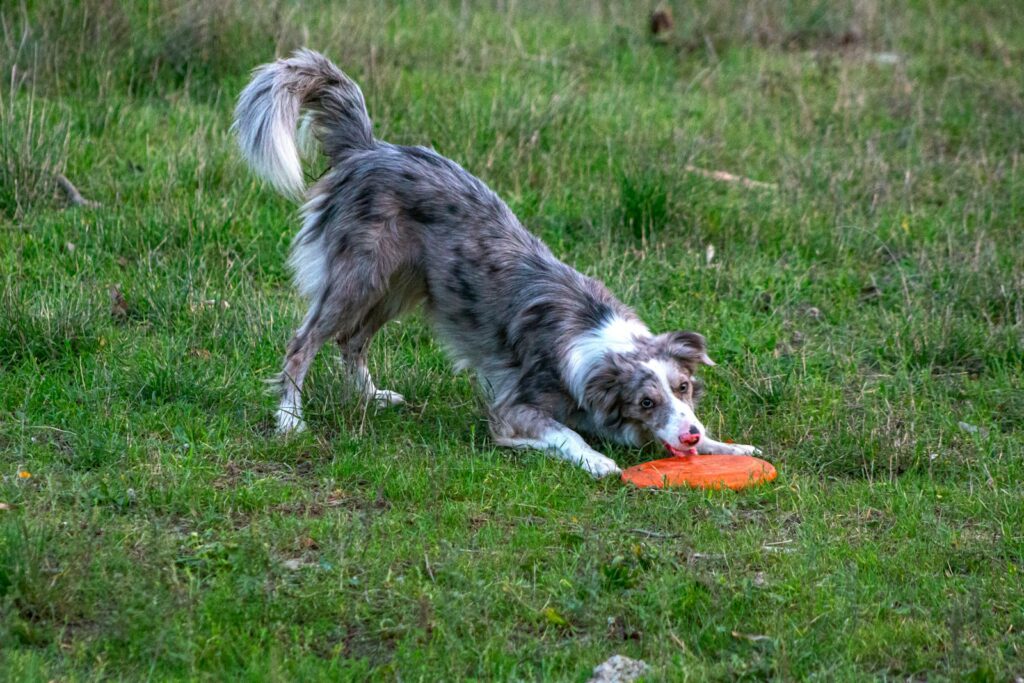
Never leave your puppy and existing dog alone during early introductions.
Watch closely for signs of stress or tension, and be ready to separate them calmly if needed.
5. Keep It Short and Positive

The first few meetings should be brief and low-pressure.
Let the dogs sniff and observe each other, then end the interaction before either becomes overwhelmed. Ending on a positive note builds trust over time.
6. Increase Time Together Gradually

Over the next several days or weeks, slowly extend the amount of time the dogs spend together.
Pay attention to their comfort levels and avoid rushing the process.
7. Give Each Dog Individual Attention
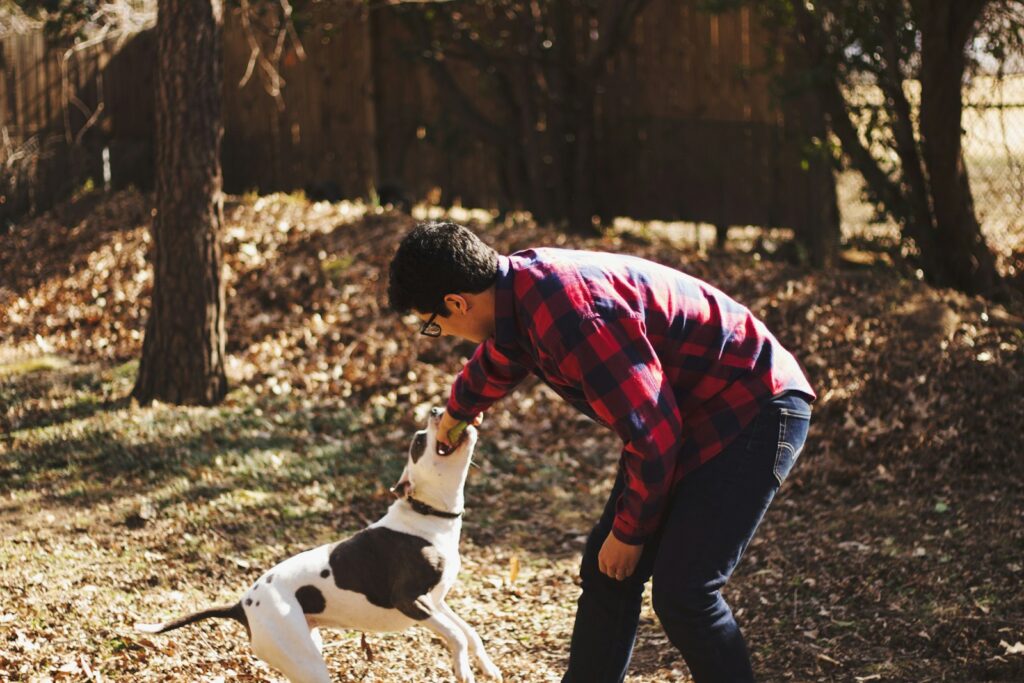
Your existing dog may feel displaced by the new puppy’s energy and attention demands.
Make sure to spend one-on-one time with each dog to reinforce security and prevent jealousy.
8. Feed Separately at First

Food can trigger resource guarding.
Feed your dogs in separate spaces until they’re fully comfortable with each other. You can reassess shared feeding later if appropriate.
9. Train Together
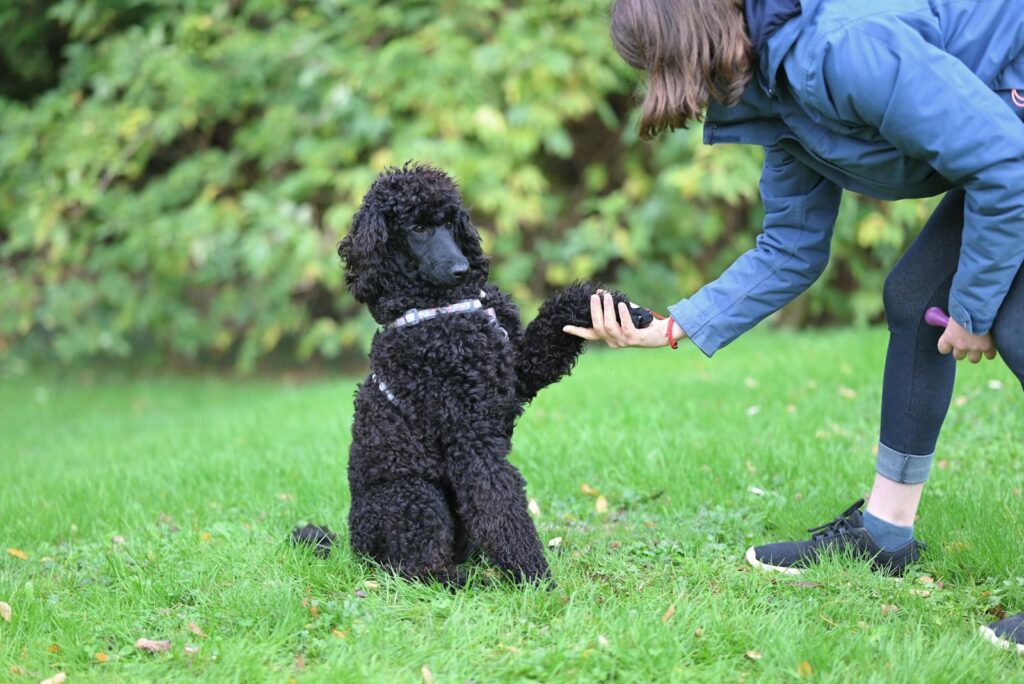
Group training sessions help establish structure and reinforce your role as leader.
Practicing commands together can also help the dogs bond and build positive associations.
10. Respect Personal Space

Each dog should have their own bed, crate, or designated space.
Teach both dogs to respect boundaries. If one dog signals they want space, step in and reinforce that limit.
See 10 Dog Breeds Known for Their Protective Instincts for more on dog behavior.
11. Know When to Get Help

If you notice ongoing tension, fear, or aggression, don’t ignore it.
A professional dog trainer or behaviorist can help address issues early and safely.
Explore The 20 Smartest Dog Breeds Out There for more on how dogs learn.
The Bottom Line

Introducing a new puppy takes patience, awareness, and consistency.
By moving slowly, reading your dogs’ signals, and creating positive experiences, you give them the best chance to build a healthy, lasting relationship.
Check 10 Common Foods You Should Never Give Your Dog for another dog safety guide.