Shopping at warehouse clubs like Sam’s Club can feel like an instant win for your budget. Bigger packages, lower unit prices, and fewer trips to the store all sound like smart money moves.
But bulk buying doesn’t always equal savings.
Some products spoil quickly, lose effectiveness over time, or simply take up more space than they’re worth. In other cases, you may find better deals at grocery stores or big-box retailers.
Before you load up that oversized cart, here are 15 items that often make more sense to buy in smaller quantities.
15. Bacon

Buying bacon in bulk might seem practical, but it only makes sense if your household goes through it quickly. While unopened bacon can last in the freezer, fresh packs in the fridge have a limited shelf life.
Unless you’re cooking breakfast for a crowd every weekend, you may not finish those jumbo packs before quality starts to decline.
For most households, smaller packages from the grocery store are easier to manage—and you won’t feel pressured to eat bacon three nights in a row just to “use it up.”
14. Milk

Milk is one of the quickest-spoiling staples in the refrigerator. Even with a “best by” date that looks reasonable, once opened, it typically lasts about a week.
To make bulk milk purchases worthwhile, your household would need to go through it very quickly. Otherwise, part of that oversized jug may end up down the drain.
Smaller containers may cost slightly more per ounce, but they often prevent waste—which is where real savings come into play.
13. Fresh Produce
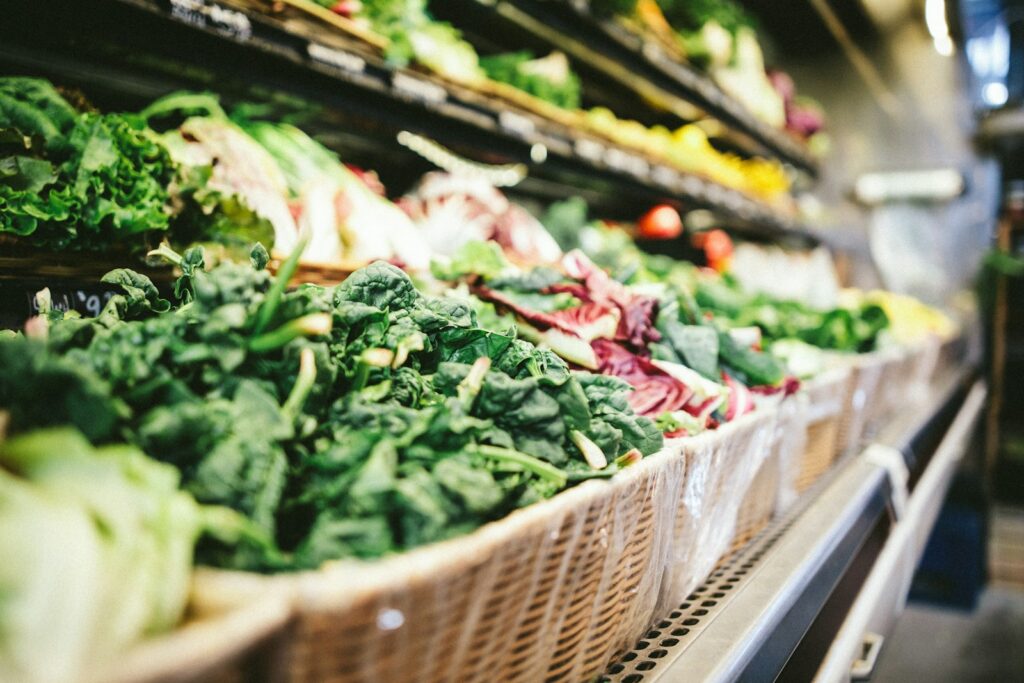
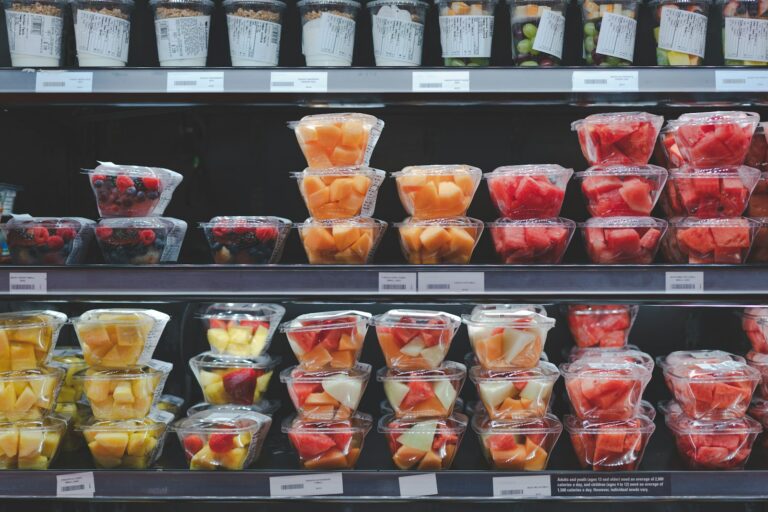
Bulk produce can be tempting, especially when the price per pound looks appealing. But fruits and vegetables have a limited window before they lose freshness.
If you’ve ever tossed out wilted lettuce or overripe berries, you know how quickly good intentions can turn into food waste.
Unless you’re planning meals carefully or hosting a large gathering, buying smaller amounts more frequently often makes better financial sense.
12. Coffee

Freshness matters when it comes to coffee. Whole beans typically taste best within a few weeks of roasting, and ground coffee loses flavor even faster once opened.
Large containers might last months in your pantry, but flavor can fade over time.
If you’re not going through coffee quickly, smaller bags purchased more often may deliver better taste—and less waste. And for many brands, grocery store prices aren’t dramatically different from warehouse pricing.
11. Cooking Oil

Cooking oils do not last forever. Once opened, exposure to air, light, and heat can cause oil to go rancid over time.
Most household kitchens don’t go through massive quantities of oil quickly enough to justify the largest containers.
If your oil starts to smell or taste off, it’s no longer doing your recipes any favors. Smaller bottles are often easier to store and finish before quality declines.
10. Flour and Baking Powder

Flour can last several months when stored properly, but many casual bakers don’t go through huge bags quickly. Baking powder has an even shorter shelf life and gradually loses its leavening power.
If you bake occasionally rather than weekly, those oversized bags may sit in the pantry longer than they should.
For infrequent bakers, standard grocery store sizes are often more practical—and just as budget-friendly.
9. Spices

Ground spices don’t spoil in a dangerous way, but they do lose potency over time. Most ground herbs and spices start fading in flavor within a year.
If you buy a large container of paprika or cumin and only use it occasionally, you may never reach the bottom before it loses its punch.
Smaller bottles help ensure your meals taste as vibrant as intended—without a five-year commitment to garlic powder.
8. Over-the-Counter Medications

Cold medicines, pain relievers, and allergy tablets all come with expiration dates. Buying in bulk only makes sense if you use them regularly.
Otherwise, you could end up with half a bottle that expires before you need it again.
Daily-use items like vitamins may justify larger quantities, but occasional-use medications are often better purchased as needed.
7. Sunscreen

Sunscreen typically has an expiration date, and its effectiveness can decrease over time—especially if it’s exposed to heat.
Unless your household spends every day at the beach or pool, it may be difficult to finish bulk-sized containers before the next summer season rolls around.
Smaller bottles may cost slightly more upfront but help ensure you’re using product that still offers proper protection.
6. Diapers
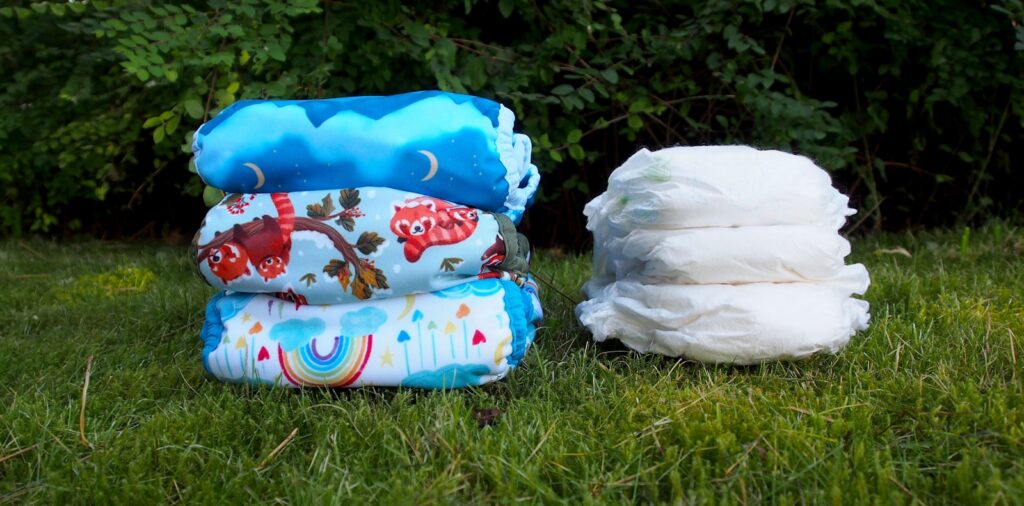
Diapers don’t expire, but bulk buying can be tricky for growing babies. Sizes change quickly, and stocking up too far in advance may leave you with packages that no longer fit.
Pricing also varies widely between warehouse clubs, big-box stores, and store-brand options.
Before committing to giant boxes, it’s worth comparing unit prices and considering how quickly your child may size up.
5. Detergent
Laundry detergent has a long shelf life, but it can lose effectiveness over time, especially if stored in fluctuating temperatures.
For large families doing daily loads, oversized containers may make sense. But smaller households may take months to work through a jumbo jug.
If that bottle lingers in the laundry room longer than expected, the savings may not be as impressive as they first appeared.
4. Condiments
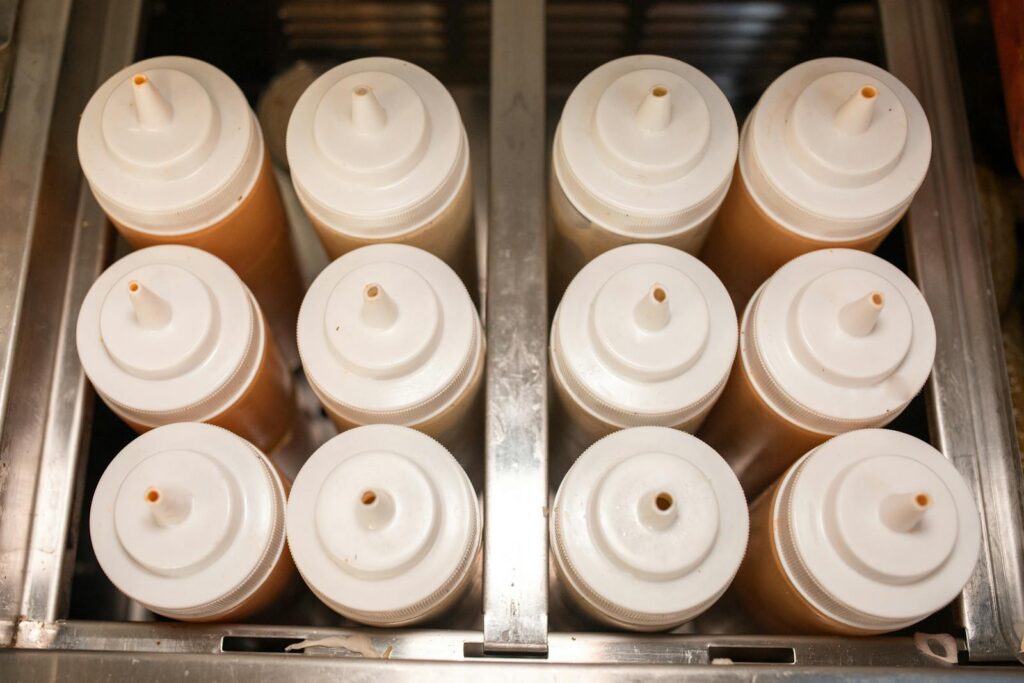
Condiments like ketchup, mayonnaise, and mustard can last for months in the refrigerator—but flavor and texture can change over time.
Unless your household goes through them quickly, those bulk containers may take up valuable fridge space for a long while.
For most families, standard sizes are easier to manage, especially if you like switching brands or flavors occasionally.
3. Breakfast Cereal

Bulk cereal boxes can seem like a breakfast win, but once opened, cereal can go stale if not stored properly.
If your household rotates through different flavors or eats cereal occasionally, a large supply may linger longer than expected.
Airtight containers can help extend freshness, but buying smaller boxes more frequently often keeps breakfast tasting better.
2. Soda
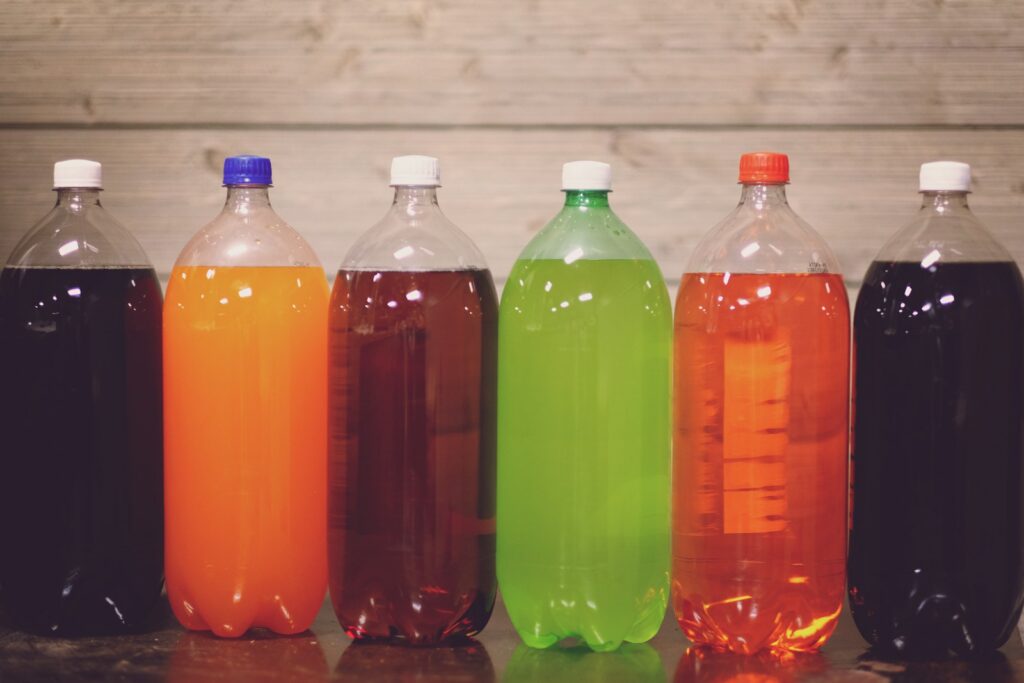
Warehouse pricing on soda isn’t always dramatically better than grocery store sales. In fact, supermarkets frequently run promotions that can rival bulk club deals.
Unless you’re hosting an event or consuming large quantities regularly, you may not see meaningful savings.
Plus, storing multiple cases requires space—and resisting them requires willpower.
1. Large Bulk Produce and Perishables in General
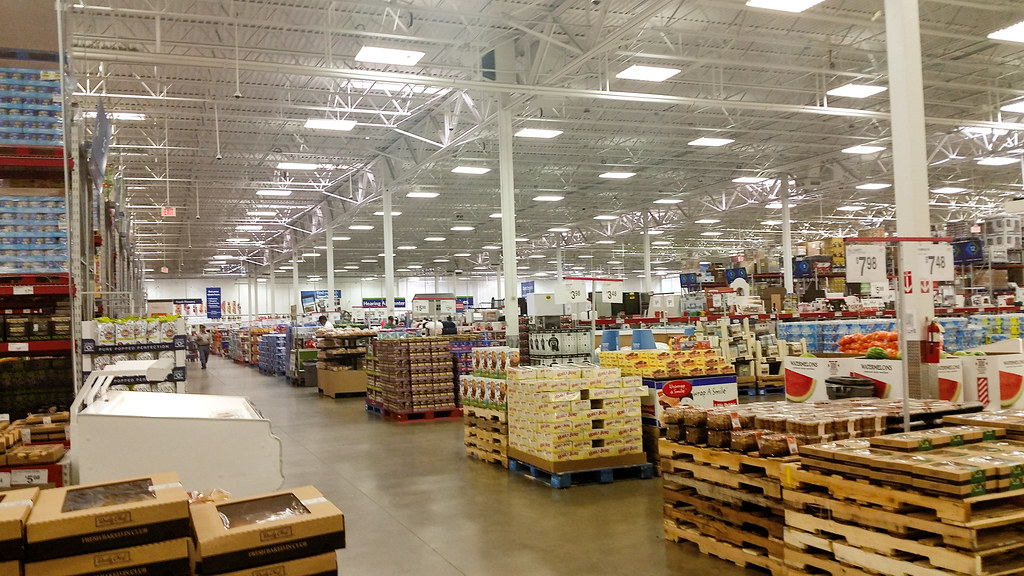
The biggest money trap at any warehouse club isn’t a single item—it’s oversized perishables in general.
From giant salad tubs to multi-pound bakery packs, buying more than you can reasonably consume often leads to food waste.
Warehouse shopping works best for items you use consistently and quickly. For perishable foods, smaller quantities purchased more often may protect both your wallet and your refrigerator.
Sometimes the real savings come from buying less, not more.