
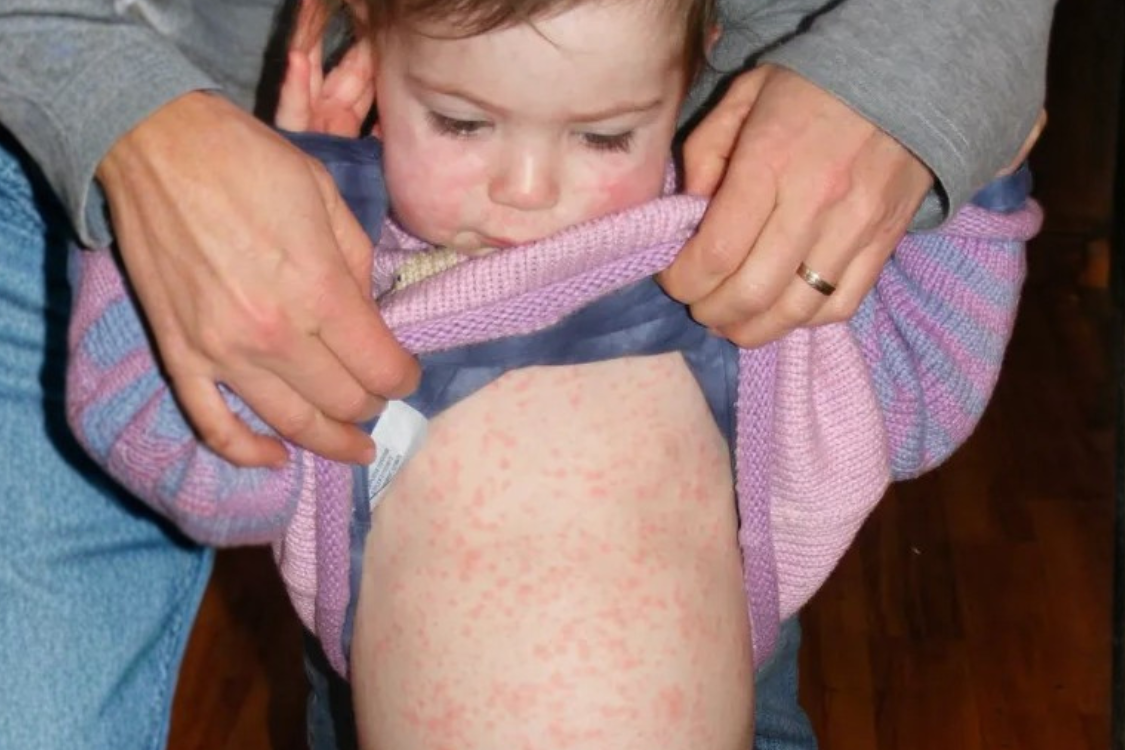
The resurgence of measles in recent years has prompted a renewed focus on developing treatments for this highly contagious disease. With cases reaching a 35-year high in the United States, the need for effective therapies is more pressing than ever. Despite the success of vaccines in the past, declining vaccination rates have left many vulnerable individuals at risk.
Biotech companies and researchers are now working on potential treatments to combat measles infections and provide short-term protection for those at high risk. Here are 9 reasons why treatments for measles are becoming increasingly necessary:
9. Declining Vaccination Rates
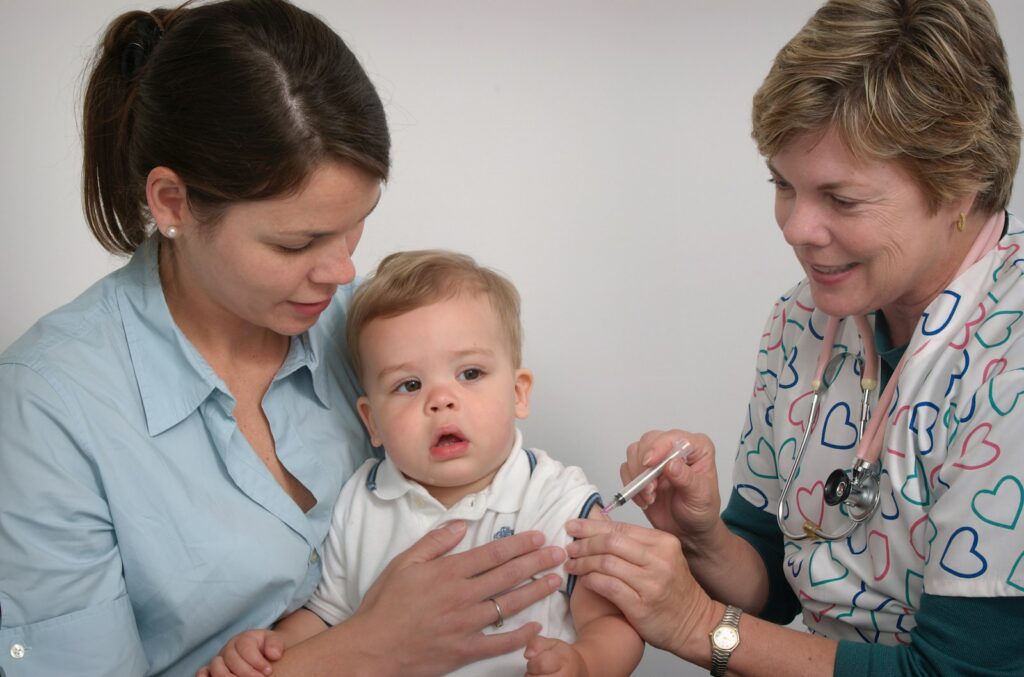
Vaccination rates have dipped below the necessary threshold in many areas.
To protect communities, at least 95% of the population must be vaccinated. However, many regions are falling short, increasing the risk of outbreaks.
8. Rising Measles Cases
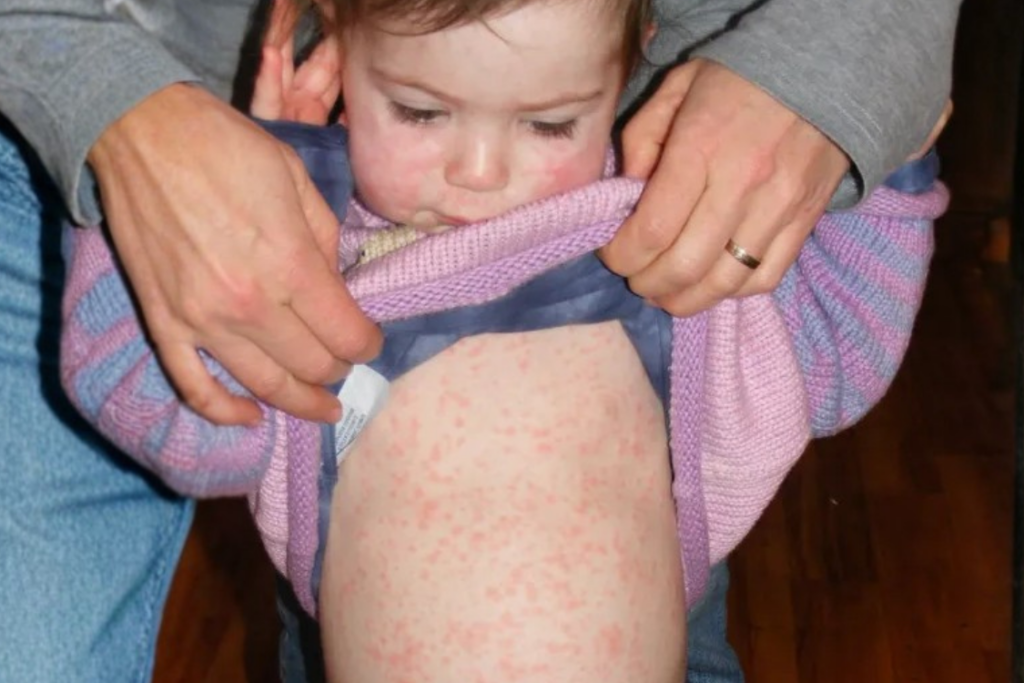
The US has seen a significant increase in measles cases, surpassing previous years.
Large outbreaks in states like South Carolina and Utah highlight the growing threat, with cases already exceeding last year’s total by mid-year.
7. Vulnerable Populations at Risk
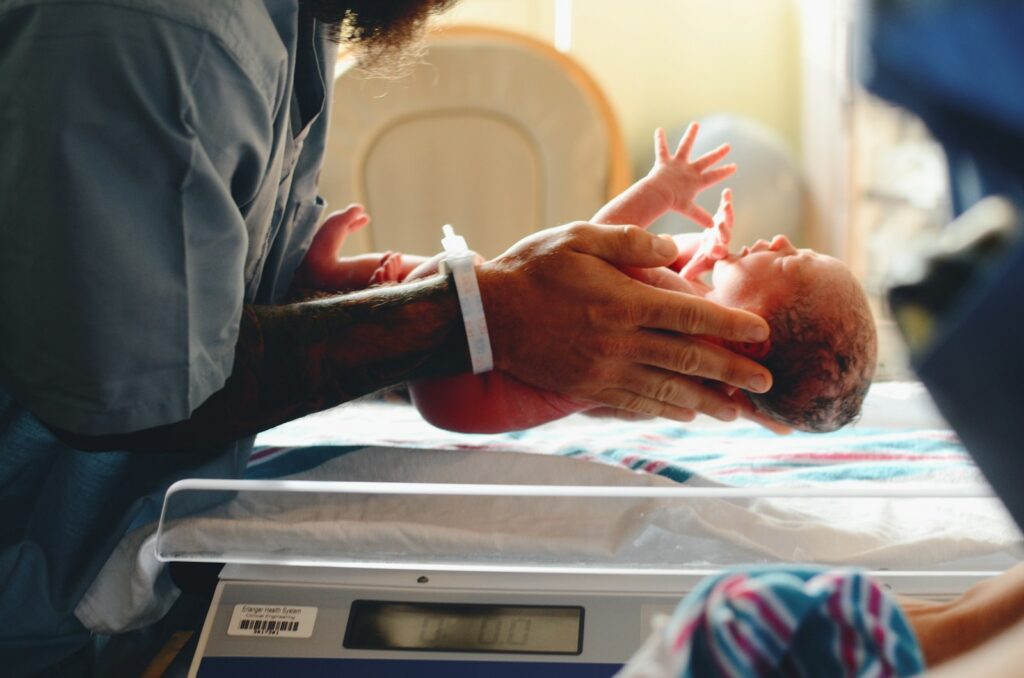
Infants and immunocompromised individuals are particularly susceptible to measles complications.
Without adequate vaccination coverage, these groups face severe health risks, including pneumonia and encephalitis, or swelling of the brain.
6. Limited Treatment Options
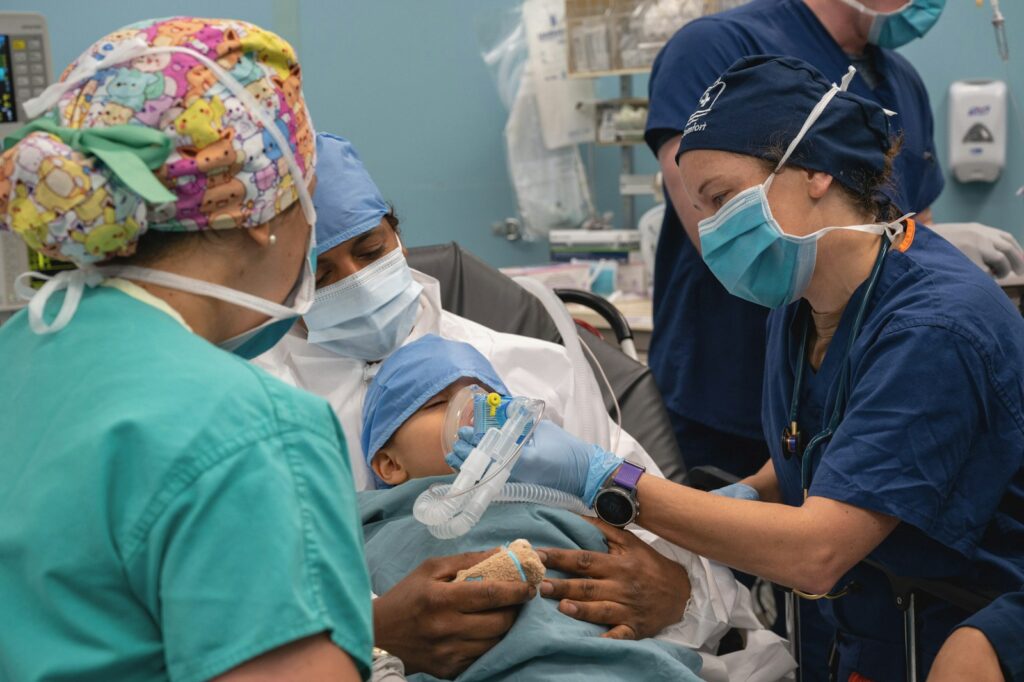
Currently, doctors rely mainly on supportive care to manage measles symptoms.
Without a specific antiviral treatment, managing dehydration, breathing difficulties, and other complications is the primary approach.
5. Monoclonal Antibody Development
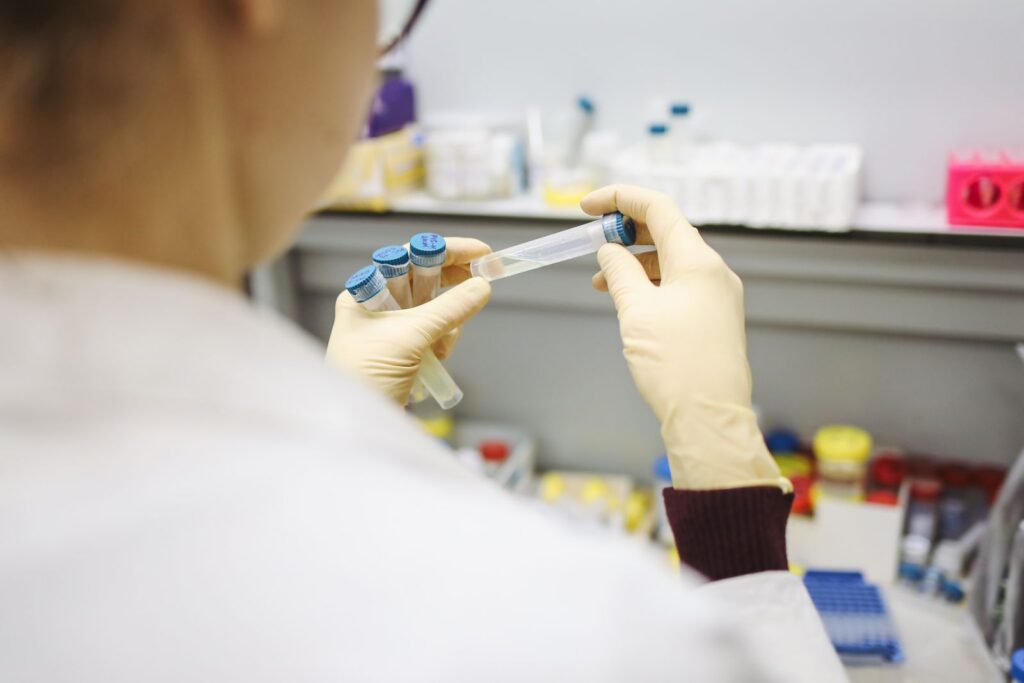
Biotech firms are exploring monoclonal antibodies as a potential treatment for measles.
These antibodies mimic the immune system’s response and could offer short-term protection for at-risk individuals.
4. Research Advancements
Studies have identified human antibodies capable of blocking measles infection.
These findings could pave the way for new treatments, significantly reducing viral loads in affected individuals.
3. Potential for Endemic Status
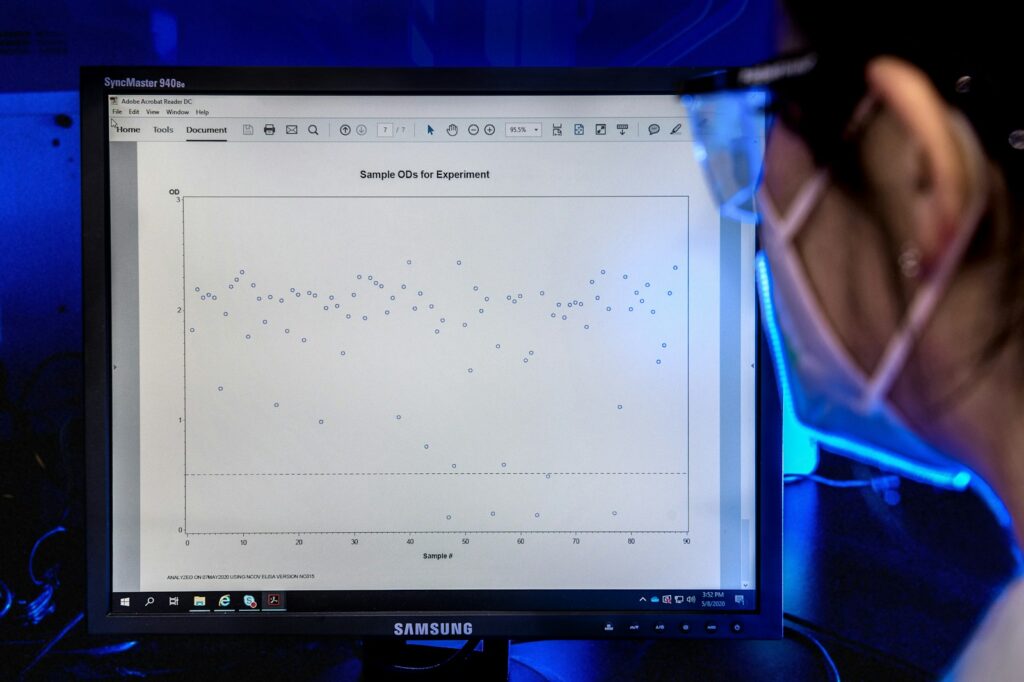
Experts warn that measles could become endemic in the US within 25 years if vaccination rates remain unchanged.
The projection is not a certainty, but it highlights the importance of restoring higher vaccination coverage.
2. Cost and Accessibility Challenges
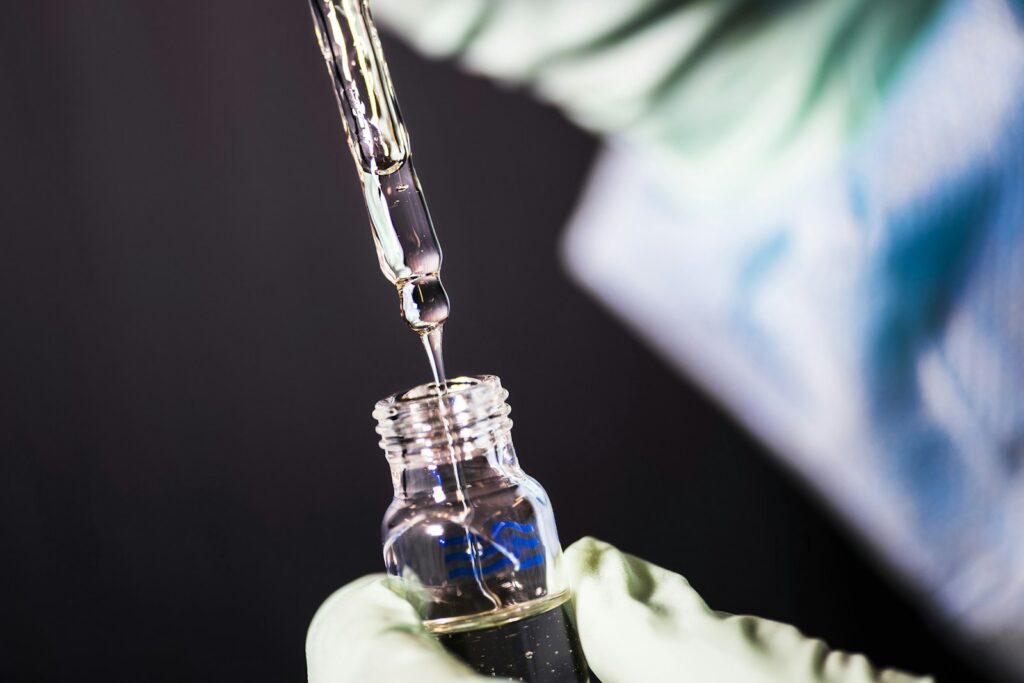
Monoclonal antibodies could be expensive for patients and insurers.
While effective, the cost of production and administration poses significant barriers to widespread use.
1. Public Health Opportunity
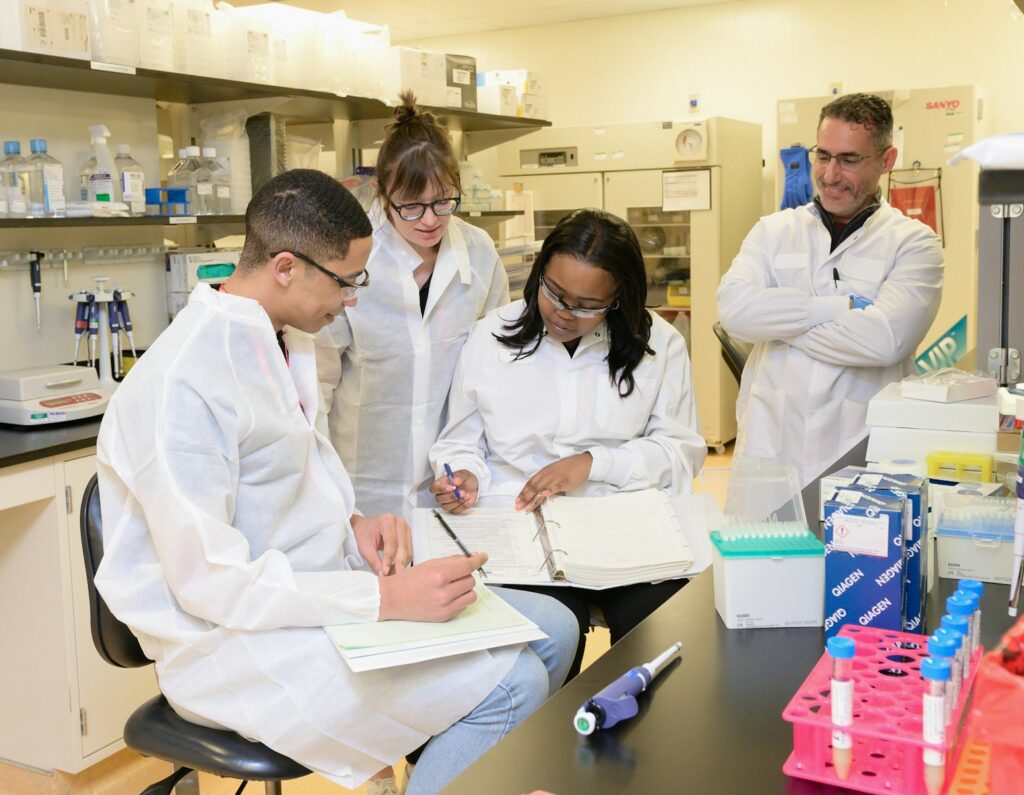
Developing treatments could solve a major public health problem.
Effective therapies can prevent outbreaks and reduce severe complications, ultimately being more cost-effective than managing widespread infections.
Read More:
- 9 Reasons Why Trust in Science Is More Complex Than Ever
- The 10 Most Important Questions to Bring to Your Next Doctor Visit
- 15 Health Mistakes Doctors See Every Day