

The wellness world is changing. While traditional therapy, exercise, and meditation remain valuable, more people are exploring practices that work directly with the body rather than only the mind. Sound baths, breathwork, nervous system regulation exercises, and other somatic healing techniques have moved from niche wellness circles into the mainstream.
At the heart of this movement is a simple idea: stress, tension, and emotional experiences don’t just live in our thoughts. They also show up in our bodies. Somatic practices aim to help people reconnect with physical sensations, release stored tension, and create a greater sense of calm and resilience.
10. Understanding What Somatic Healing Actually Means

The word “somatic” comes from the Greek word soma, meaning “the living body.”
Unlike approaches that focus primarily on thoughts or emotions, somatic healing works through physical awareness. It may involve breathing exercises, movement, touch, sound, or guided body awareness practices.
The goal isn’t to ignore the mind. Instead, it’s to recognize that the body often carries stress long after a difficult experience has passed.
9. Why So Many People Are Seeking Body-Based Healing

Modern life leaves many people feeling mentally exhausted and physically disconnected.
Years of chronic stress, information overload, burnout, and constant stimulation have pushed people to look for approaches that help them feel grounded again.
Many discover that while talking about stress can be helpful, experiencing safety and relaxation in the body can be equally important.
8. Sound Baths Offer Deep Relaxation Without Effort

A sound bath is one of the most popular modern somatic practices.
Participants typically lie comfortably while a facilitator plays instruments such as crystal singing bowls, gongs, chimes, or tuning forks.
The experience requires no special skill. You simply relax and listen while the sounds wash over you.
Many people describe feeling deeply calm, meditative, or surprisingly refreshed afterward.
7. Breathwork Gives You Direct Access to Your Nervous System
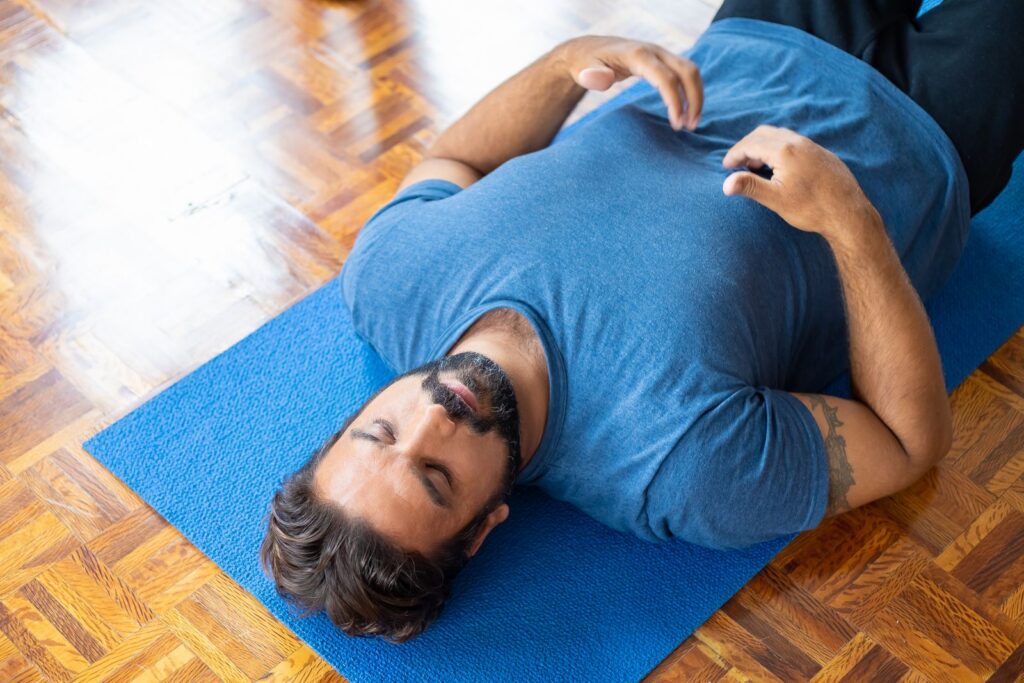
Breathwork involves intentionally changing your breathing pattern to influence your mental and physical state.
Slow, controlled breathing can activate the parasympathetic nervous system, often called the body’s “rest and digest” mode.
More active forms of breathwork may increase energy, improve focus, or help release emotional tension.
One reason breathwork has become so popular is that it requires no equipment and can be practiced almost anywhere.
6. Your Nervous System Responds Faster Than Your Thoughts

One reason somatic practices can feel powerful is that they work directly with the body’s stress response.
When you’re anxious, your nervous system often shifts into fight-or-flight mode before your conscious mind even catches up.
Practices like slow breathing, sound therapy, and gentle movement help signal safety to the body, allowing stress responses to settle naturally.
5. Restorative Yoga Has Become a Somatic Favorite
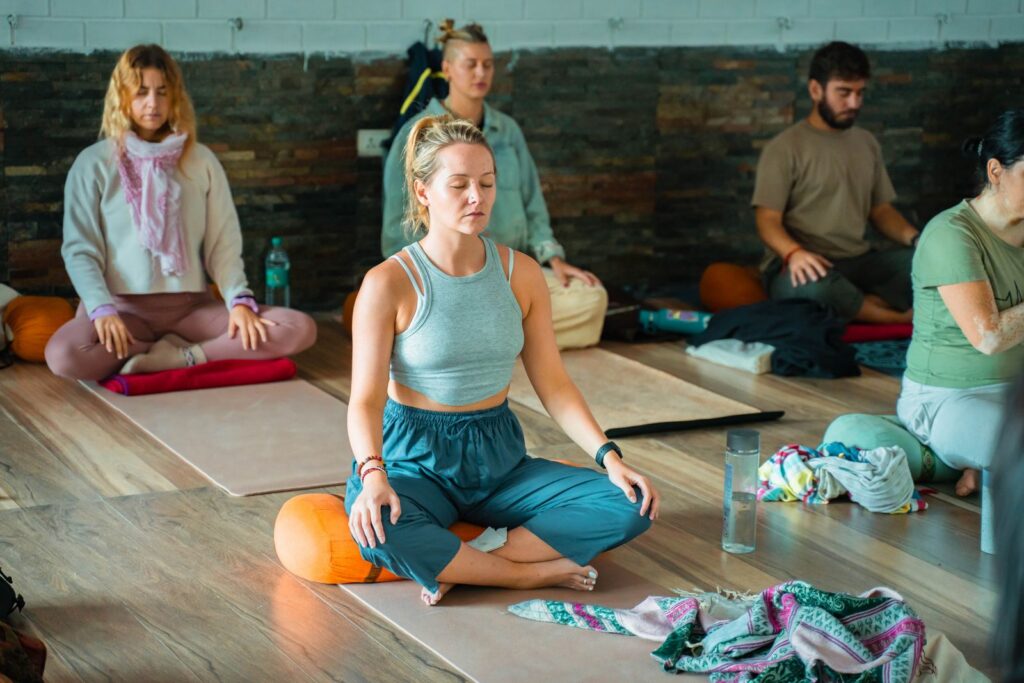
Unlike vigorous fitness classes, restorative yoga emphasizes comfort, support, and relaxation.
Props such as blankets, bolsters, and blocks allow the body to rest in gentle positions for extended periods.
This slower pace helps calm the nervous system and encourages physical and emotional release.
Many people find it especially helpful during periods of high stress or burnout.
4. Yoga Nidra Is Like Meditation Meets Deep Rest
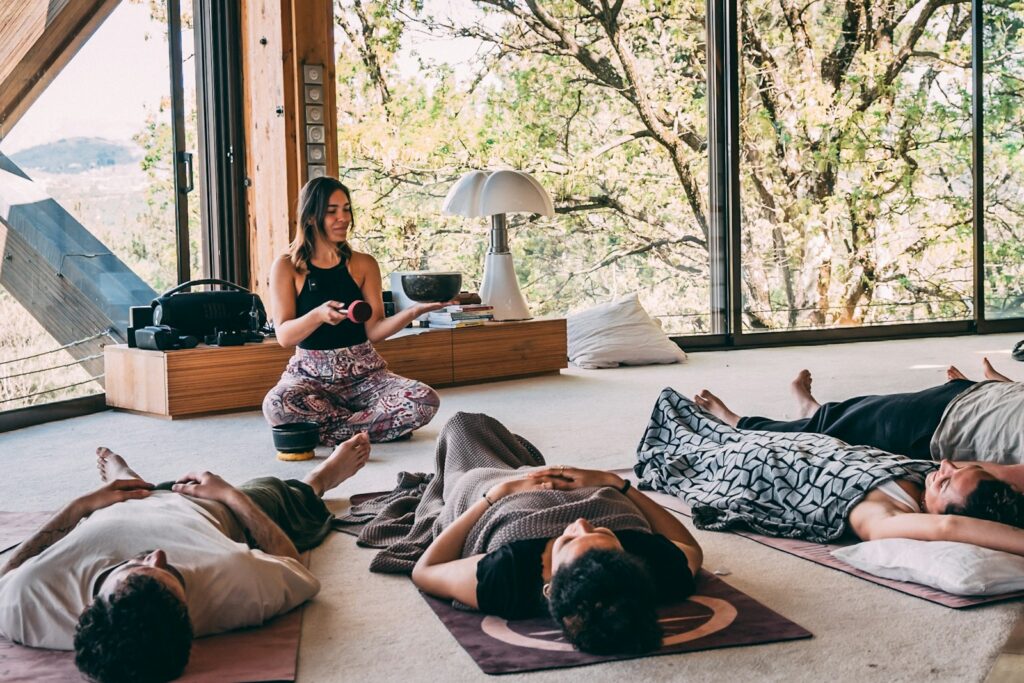
Often called “yogic sleep,” yoga nidra guides participants through a state somewhere between wakefulness and sleep.
During a session, you remain lying down while listening to instructions that encourage awareness of the body, breath, and sensations.
Many practitioners report feeling as though they’ve taken a restorative nap despite remaining conscious throughout the experience.
3. Somatic Experiencing Helps People Work Through Stress and Trauma

Somatic Experiencing is a therapeutic approach developed to help individuals process stress and trauma through bodily awareness.
Rather than repeatedly revisiting difficult memories, the focus is on physical sensations, nervous system responses, and gradually restoring a sense of safety.
Many therapists now integrate somatic techniques alongside traditional talk therapy approaches.
2. Movement Can Be Healing Even Without Choreography

Not all healing movement happens in a gym.
Practices such as intuitive movement, conscious dance, and free-form stretching encourage people to move in ways that feel natural rather than performative.
These approaches can help release tension, improve body awareness, and reconnect people with emotions that may be difficult to express verbally.
Sometimes the most healing movement isn’t about exercise at all. It’s about expression.
1. The Goal Isn’t Perfection—It’s Reconnection

What makes somatic healing different from many wellness trends is that it doesn’t ask you to achieve, optimize, or perform.
Instead, it invites curiosity.
Whether through sound baths, breathwork, restorative yoga, or simple body awareness practices, the goal is to reconnect with yourself and develop a deeper sense of presence.
In a world that constantly pulls our attention outward, these practices offer an opportunity to slow down, listen inward, and remember that healing isn’t always about doing more. Sometimes it’s about creating enough space to hear what your body has been trying to tell you all along.
Read More:
- 15 Easy Ways to Hit 10,000 Steps Without Going to the Gym
- 15 Clever Ways to Drink More Water Every Day (Without Trying Hard)
- 15 Tiny Mindset Changes That Can Improve Your Mental Health