Pantry foods are often labeled “non-perishable,” but that doesn’t mean they last forever. Over time, even shelf-stable staples can lose flavor, develop off odors, or simply stop performing the way they should in recipes.
Knowing when to replace common pantry items can save you from disappointing meals—or worse, an upset stomach. Here’s how long some everyday staples typically last and how to tell when it’s time to toss them.
Flour
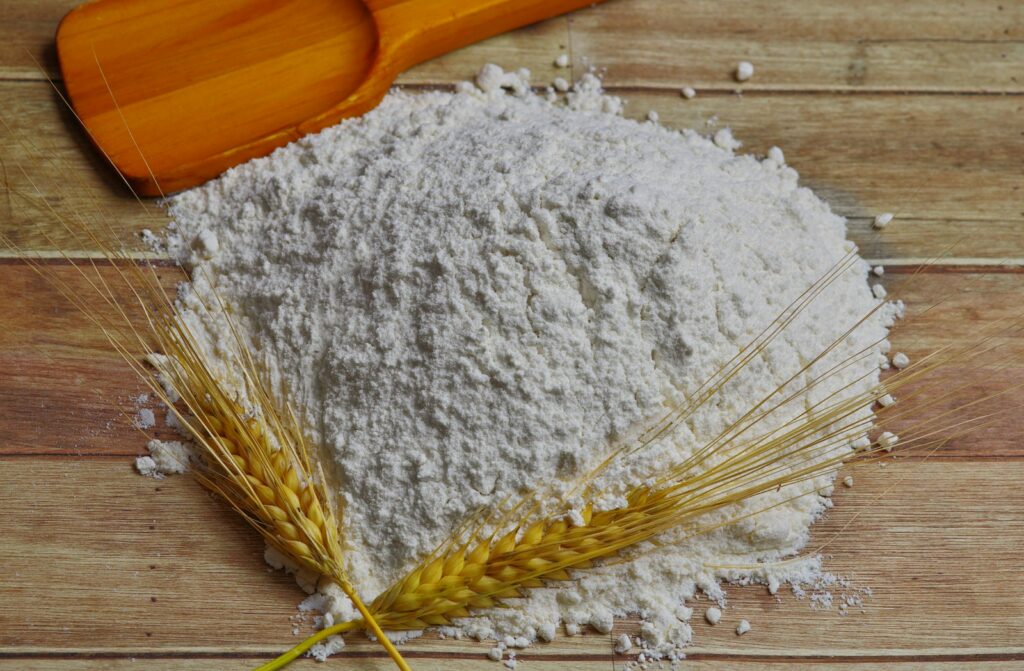
Different types of flour have very different shelf lives. All-purpose flour typically lasts 6–12 months in the pantry and up to 2 years when stored in the refrigerator or freezer. Whole wheat flour contains more natural oils, so it usually lasts 3–6 months in the pantry before it starts to go rancid.
Store flour in an airtight container and keep it away from heat and moisture. If it smells sour, musty, or slightly “off,” it’s best to replace it.
Sugar
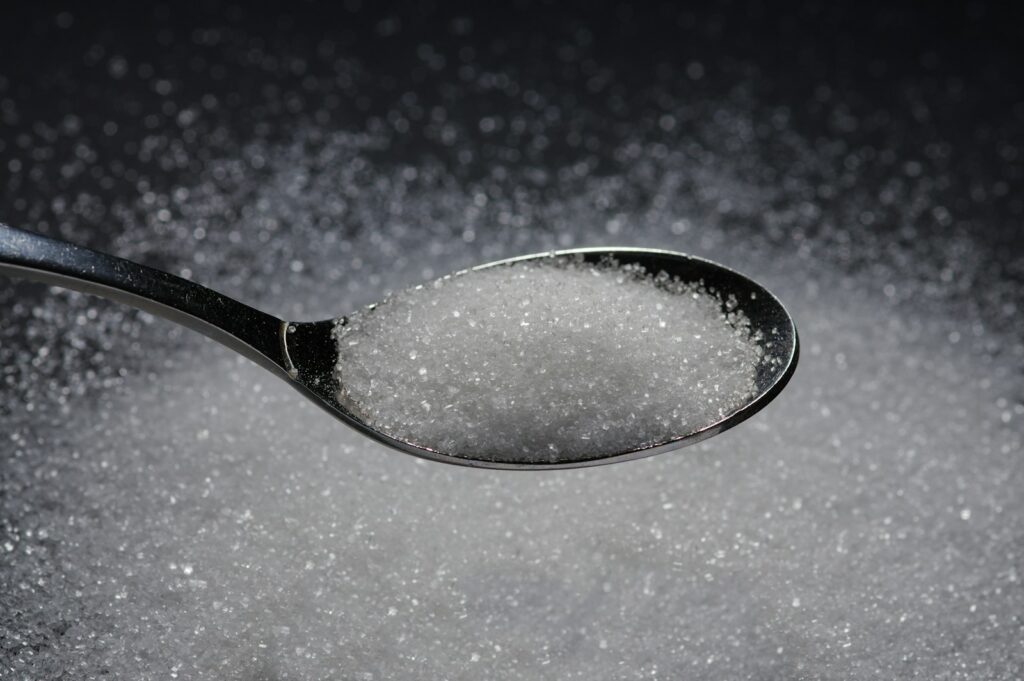
Granulated sugar is one of the most stable pantry ingredients you can keep. When stored in a sealed container in a cool, dry place, it can last indefinitely.
Sugar doesn’t spoil easily, but moisture can cause clumping or hardening. If you notice unusual odors or contamination from pests, it’s time for a fresh bag.
Honey
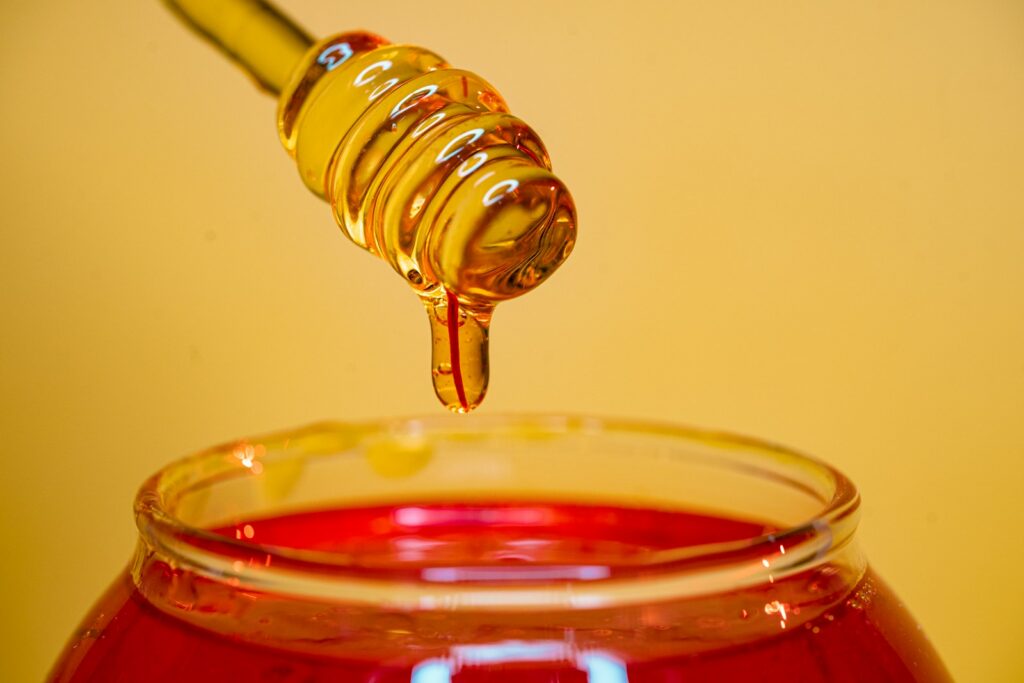
Honey is famous for its incredibly long shelf life. Because it contains very little moisture and natural antimicrobial properties, properly stored honey can last for years—or even decades.
Over time, honey may crystallize or become cloudy, but this doesn’t mean it has gone bad. Simply warm the jar in a bowl of warm water to return it to its smooth consistency.
Baking Soda
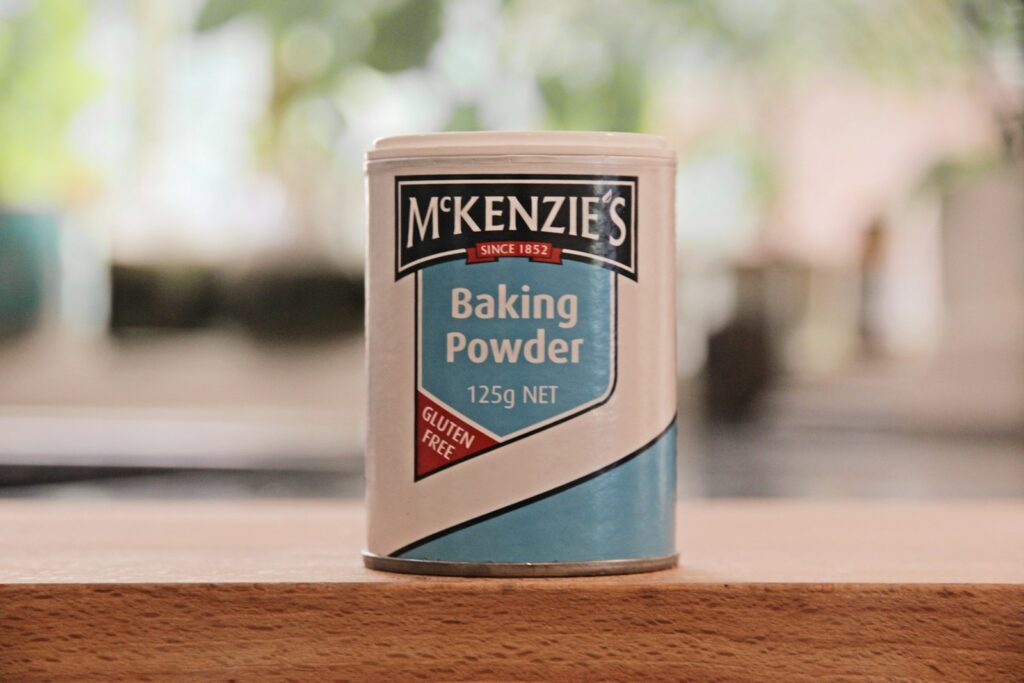
Baking soda doesn’t spoil in a traditional sense, but it loses its effectiveness over time. Most unopened boxes last about 2–3 years, while opened boxes are best used within 6 months to a year.
To test freshness, add a small spoonful to vinegar or lemon juice. If it bubbles vigorously, it’s still good to use.
Salt
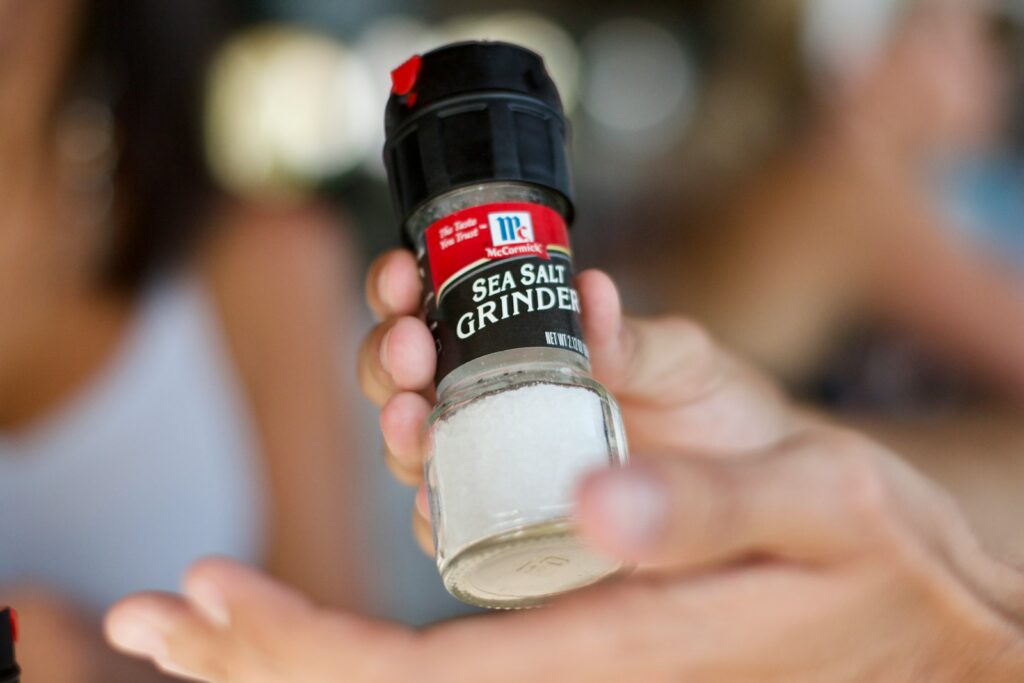
Pure salt has an essentially unlimited shelf life. However, certain varieties—like iodized salt or flavored salts—can lose potency over time.
While salt itself won’t spoil, exposure to moisture can cause clumping or affect flavor. Store it in a dry container to maintain quality.
Olive Oil
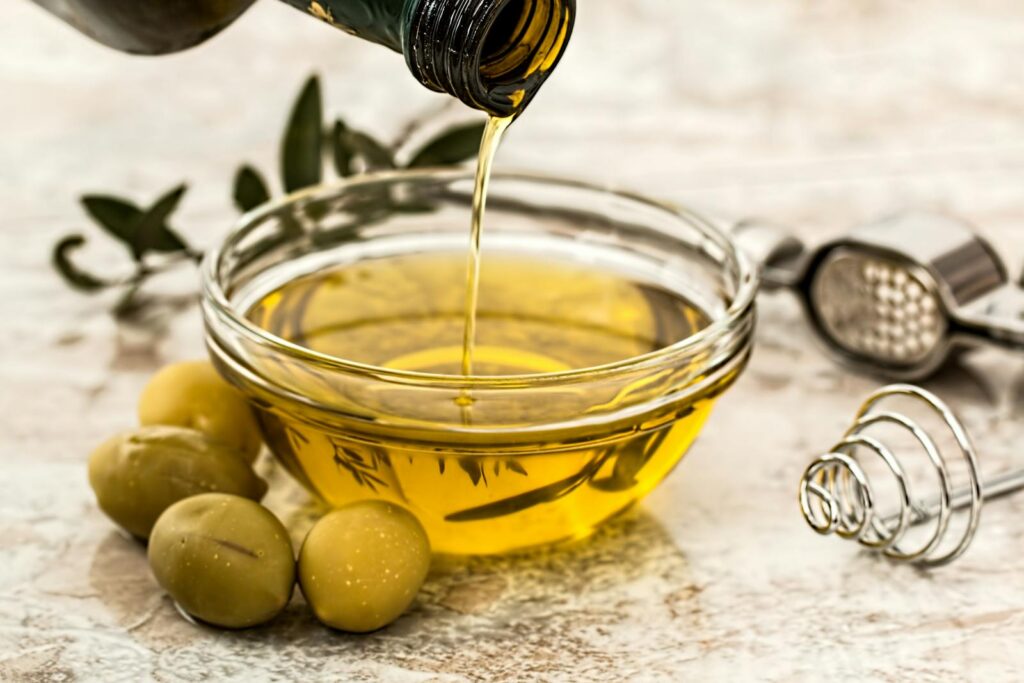
Olive oil does eventually spoil, especially once exposed to air. Most bottles stay fresh 12–18 months unopened, but once opened they’re best used within 3–6 months.
Heat, light, and oxygen speed up oxidation, which causes oil to taste rancid. If your olive oil smells waxy or has a stale flavor, it’s time to replace it.
Vinegar
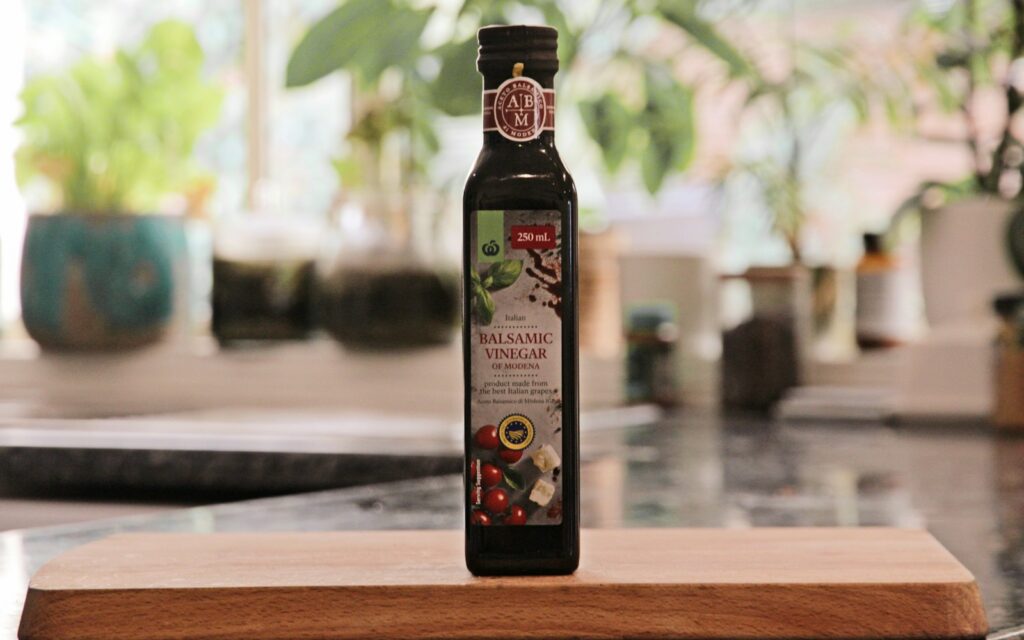
Vinegar is another pantry staple with an impressively long shelf life. Thanks to its high acidity, it can remain safe to use indefinitely.
Some varieties may darken or develop sediment over time, but these changes usually affect appearance rather than safety.
Uncooked Pasta
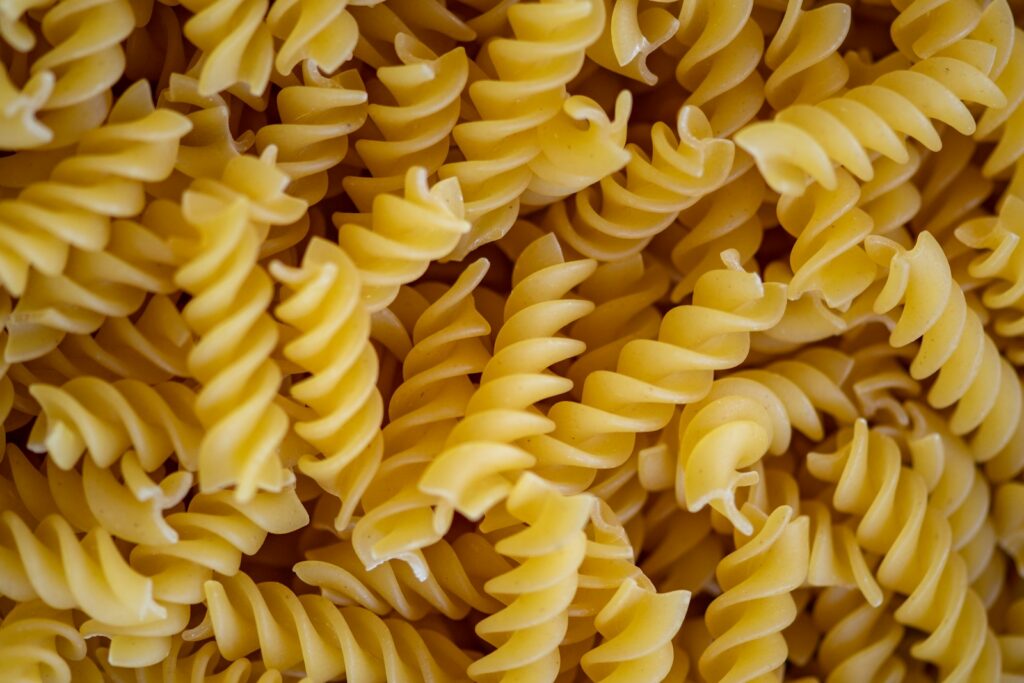
Dry pasta can last 1–2 years in the pantry, and often longer when stored properly. Keep it in a sealed container to prevent exposure to humidity or pantry pests.
If the pasta develops strange smells, discoloration, or signs of bugs, it’s best to throw it away.
Uncooked Rice
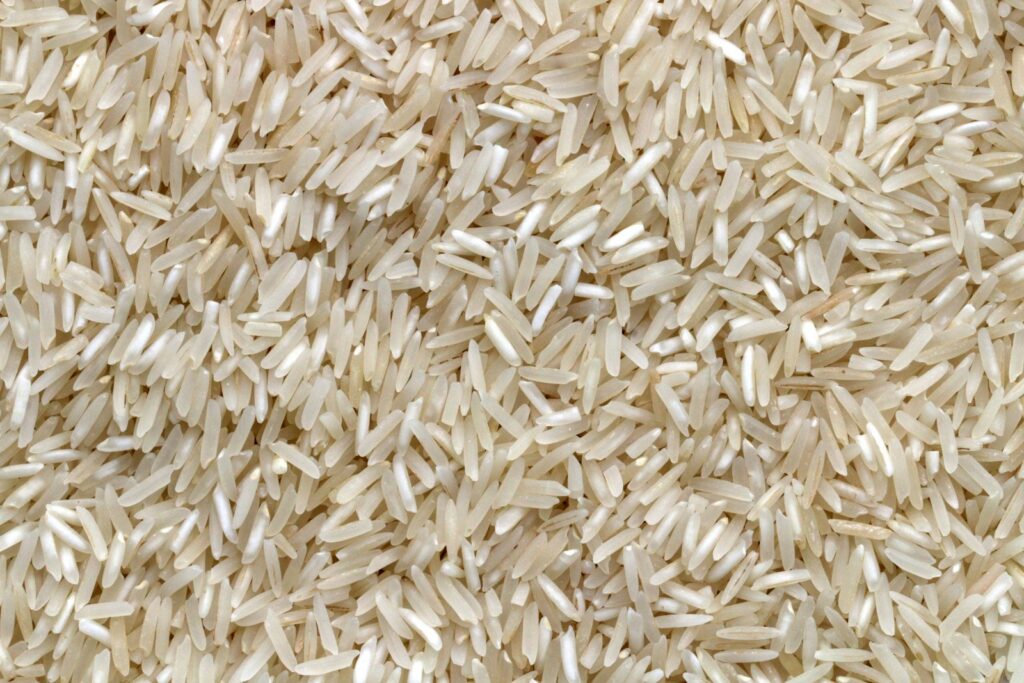
White rice can last many years when stored in airtight containers in a cool, dry place. Brown rice, however, contains more natural oils and usually lasts only 6–12 months before it begins to spoil.
Proper storage makes a huge difference—airtight containers help prevent moisture and pests.
Spices
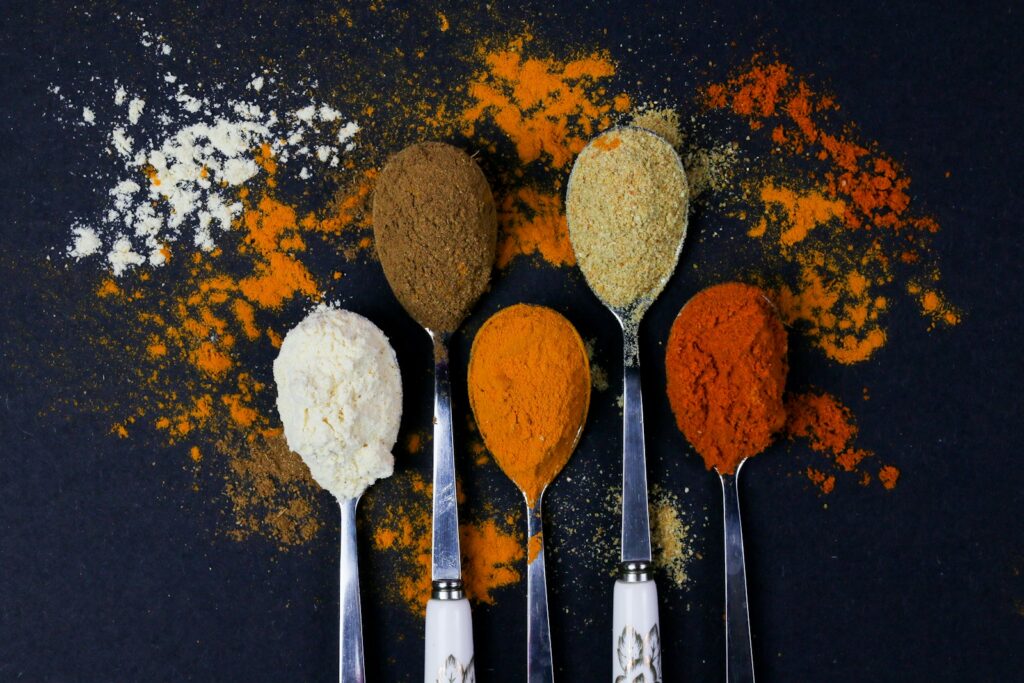
Spices rarely spoil in a dangerous way, but they lose potency over time. Ground spices usually keep their best flavor for 1–3 years, while whole spices may last 3–4 years or longer.
If a spice no longer smells fragrant when you open the jar, it probably won’t add much flavor to your cooking.