

For many retirees, one of the biggest lifestyle decisions isn’t whether to travel more or pick up a new hobby. It’s deciding whether to remain in their current home or move to a senior community.
There isn’t a single right answer. The best choice depends on your finances, health, lifestyle, and long-term goals. Before making a decision, here are 10 important factors worth considering.
10. The True Financial Picture

The monthly cost of a senior community is only one piece of the financial equation.
Staying in your current home may involve property taxes, homeowners insurance, maintenance, repairs, accessibility upgrades, and eventually in-home care. Likewise, some retirement communities charge entrance fees or additional monthly service costs. Comparing the full long-term costs of each option can provide a clearer picture.
9. Your Future Health Needs
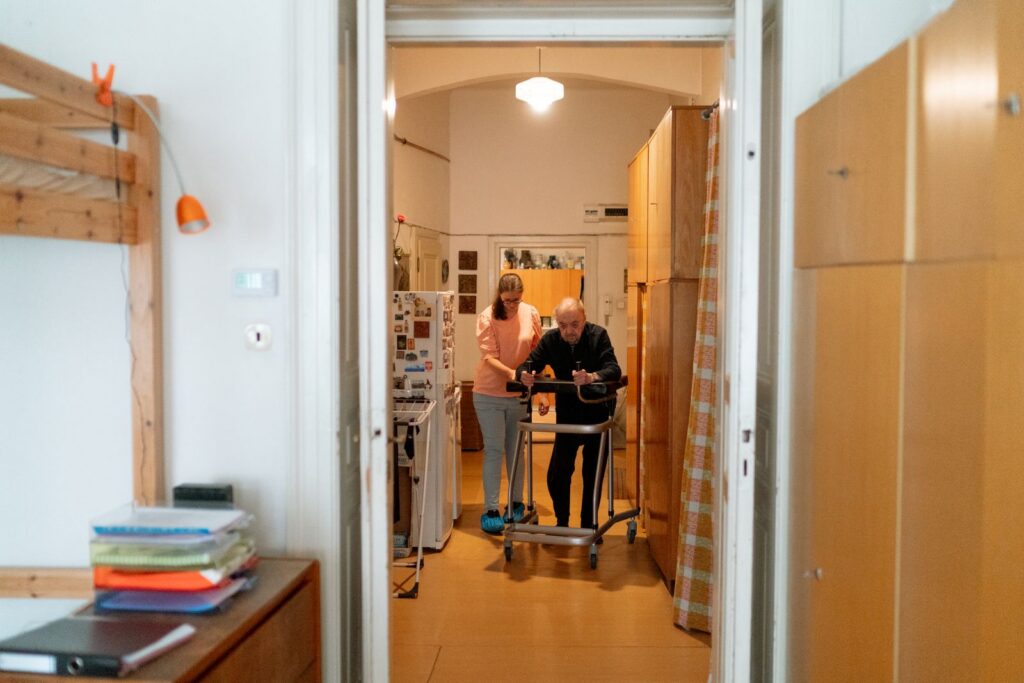
It’s important to plan for the future, not just your current health.
Even if you’re active today, mobility, vision, or medical needs may change over time. Consider whether your current home could accommodate those changes or whether a community with additional support might provide greater peace of mind later.
8. Opportunities to Stay Connected

Maintaining strong social connections becomes increasingly important as we age.
Many senior communities offer clubs, fitness classes, hobby groups, and organized events that make it easy to meet people. Those who choose to remain at home may want to think about how they’ll stay socially active through volunteering, community organizations, religious groups, or regular gatherings with friends and family.
7. The Lifestyle You Want

Some retirees value privacy, independence, and staying in familiar surroundings.
Others enjoy having maintenance handled for them and appreciate living in a community with shared amenities and planned activities. Neither preference is better than the other. The goal is finding the environment that best fits your personality and daily routine.
6. Convenience and Everyday Services

Small conveniences can make a big difference over time.
Transportation, dining options, housekeeping, grocery delivery, nearby pharmacies, and easy access to healthcare providers may become increasingly valuable. Think about which services you currently use and which you may appreciate more in the future.
5. Being Close to Family

For many retirees, family plays an important role in the decision.
Living closer to children, grandchildren, siblings, or lifelong friends can make visits easier and provide valuable support if health needs change. At the same time, some retirees prioritize staying near an established community of neighbors and friends.
4. The Demands of Homeownership

Owning a home often involves more work than many people realize.
Lawn care, snow removal, gutter cleaning, repairs, painting, and routine maintenance can become more difficult with age. Some retirees enjoy these responsibilities, while others find that giving them up creates more time for travel, hobbies, and relaxation.
3. Emotional Attachment

Leaving a longtime home can be an emotional experience.
A house often represents decades of memories, milestones, and family traditions. Acknowledging those feelings is an important part of the decision, since the emotional impact of moving can be just as significant as the practical considerations.
2. Don’t Forget the Neighborhood

Sometimes the neighborhood matters just as much as the home itself.
Walkability, nearby grocery stores, parks, healthcare facilities, restaurants, libraries, and community activities can all shape daily life. A smaller home in a vibrant, convenient neighborhood may provide a higher quality of life than a larger home in a more isolated location.
1. Make a Plan for the Years Ahead

The best retirement decisions consider not only today but the next decade and beyond.
Ask yourself whether your home could accommodate future mobility needs, whether a first-floor bedroom or accessible bathroom might become important, and how your living situation would work if circumstances changed unexpectedly. Having a flexible long-term plan can make future transitions easier, regardless of which option you choose today.
Read More:
- 10 Retirement Myths That Can Hurt You in the Long Run
- 10 Things to Know About ‘Phased Retirement’
- 10 Tips for Building a Retirement Emergency Fund