Legends of mysterious creatures appear in nearly every culture around the world. From towering forest giants to strange lake monsters and winged beasts, stories of unexplained animals have fascinated people for centuries.
While science has yet to confirm the existence of most of these creatures, their legends continue to grow through eyewitness accounts, folklore, and modern internet curiosity.
Here are some of the strangest cryptids and legendary creatures ever reported.
Mothman
Associated with: West Virginia
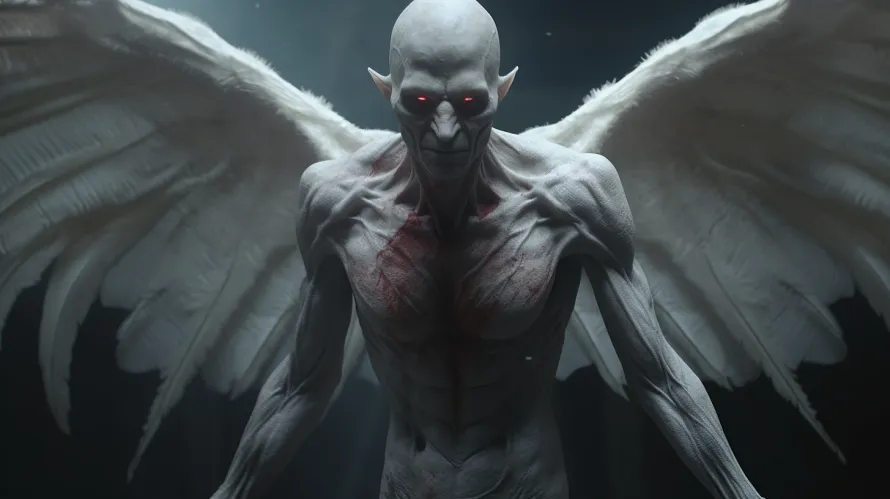
One of the most famous American cryptids is the Mothman, first reported in Point Pleasant, West Virginia in 1966. Witnesses described a tall, winged creature with glowing red eyes.
Sightings gained national attention after journalist John Keel connected the reports to a series of strange events in the region, including the collapse of the Silver Bridge in 1967. Today, Point Pleasant even hosts an annual Mothman Festival celebrating the legend.
Yeti
Often compared with: Bigfoot
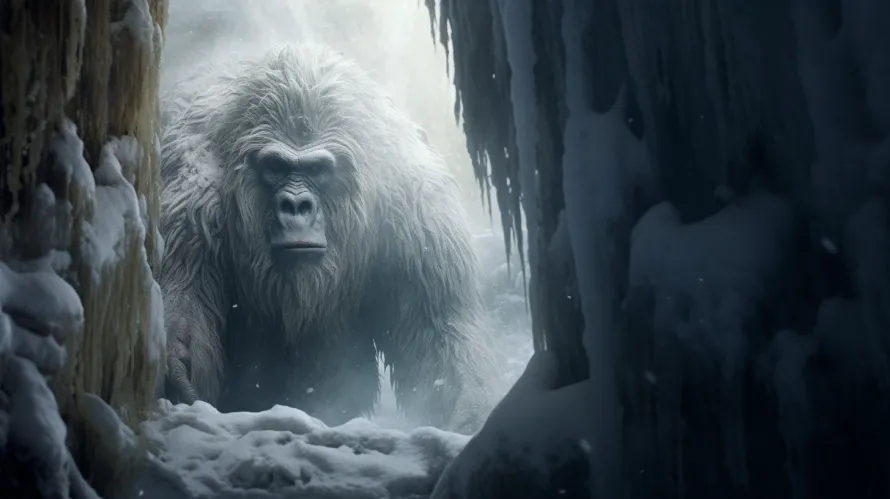
The Yeti, sometimes called the “Abominable Snowman,” is traditionally associated with the Himalayan mountains of Asia. The creature is described as a large, ape-like figure covered in thick fur.
Although it isn’t tied to North America geographically, the Yeti frequently appears in American pop culture and online searches due to its similarity to Bigfoot.
Jersey Devil
Associated with: New Jersey
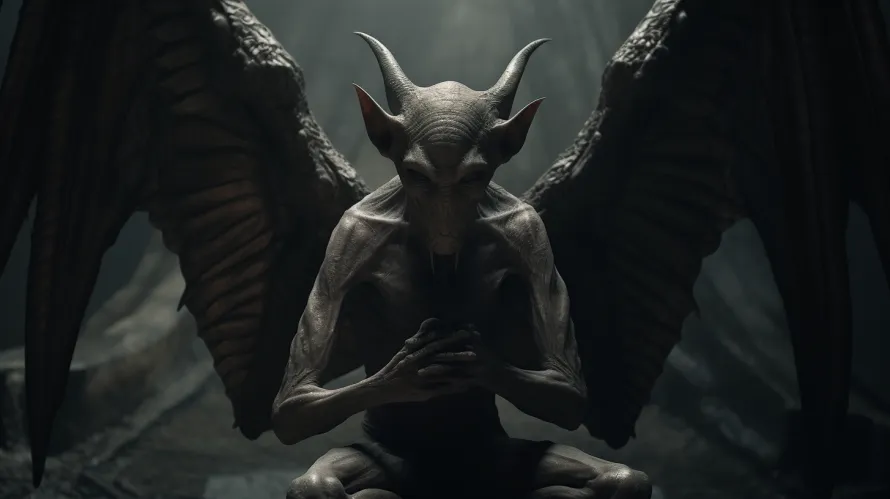
The Jersey Devil is said to inhabit the Pine Barrens of southern New Jersey. According to folklore dating back to the 1700s, the creature has wings, hooves, and a goat-like head.
Witnesses often describe it as flying through the forest and emitting an eerie scream. The legend remains one of the oldest and most enduring cryptid stories in the United States.
Skunk Ape
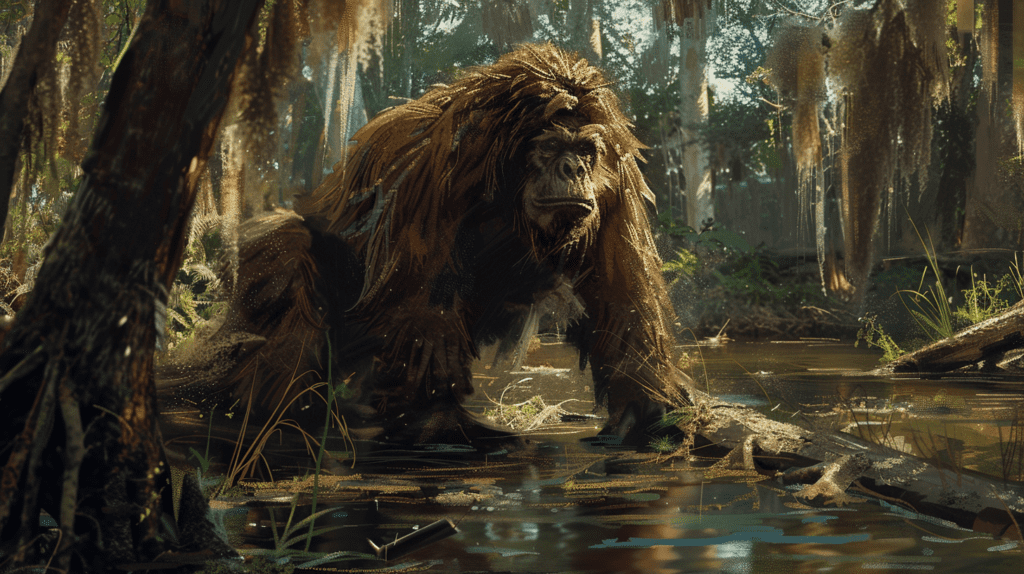
Associated with: Florida
The Skunk Ape is often described as the southern cousin of Bigfoot. Reports typically place the creature in the swamps of Florida and the southeastern United States.
Witnesses claim it stands around six to seven feet tall and emits a strong, unpleasant odor—hence the name “Skunk Ape.”
Batsquatch
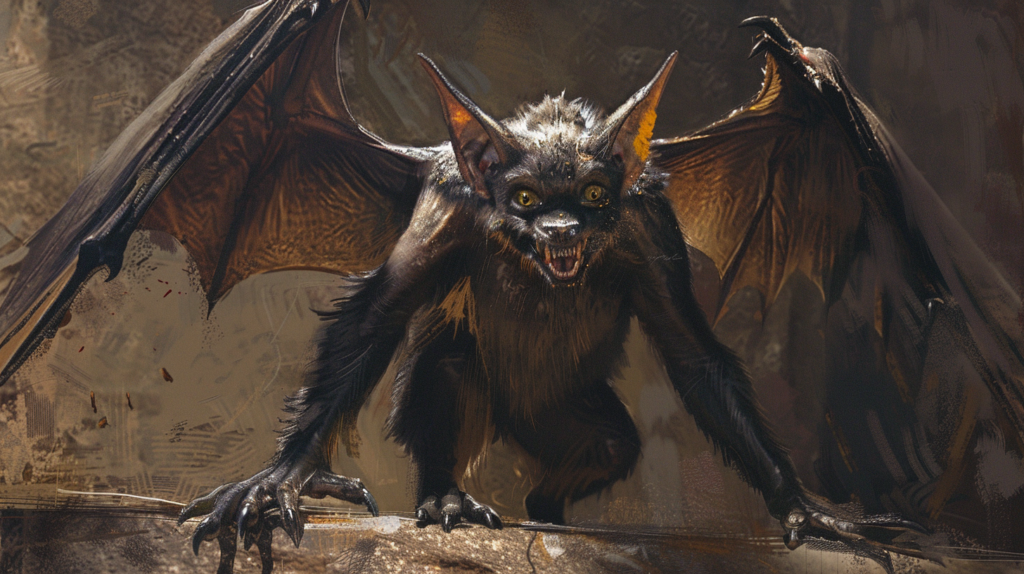
Associated with: Pacific Northwest
Batsquatch is a more recent cryptid legend that combines features of a giant bat and a Sasquatch-like creature. Stories describe it as a massive winged animal with glowing eyes.
Some reports suggest sightings began shortly after the 1980 eruption of Mount St. Helens, though evidence remains purely anecdotal.
Fouke Monster (Boggy Creek Monster)
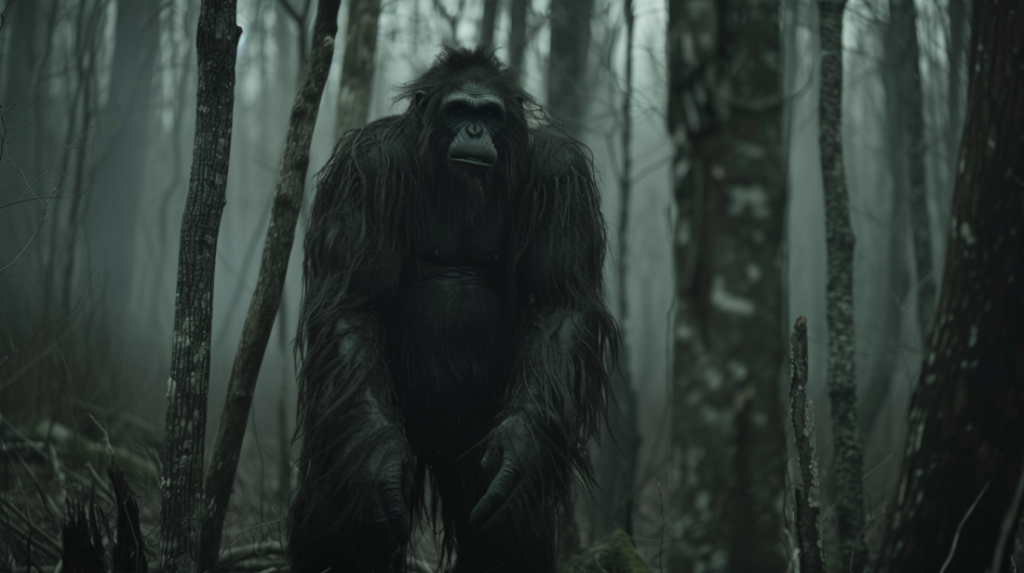
Associated with: Arkansas
The Fouke Monster gained national attention in the early 1970s after sightings near Fouke, Arkansas. Witnesses described a large, hairy creature similar to Bigfoot.
The legend inspired the cult documentary-style horror film The Legend of Boggy Creek, which helped spread the story across the country.
Snallygaster
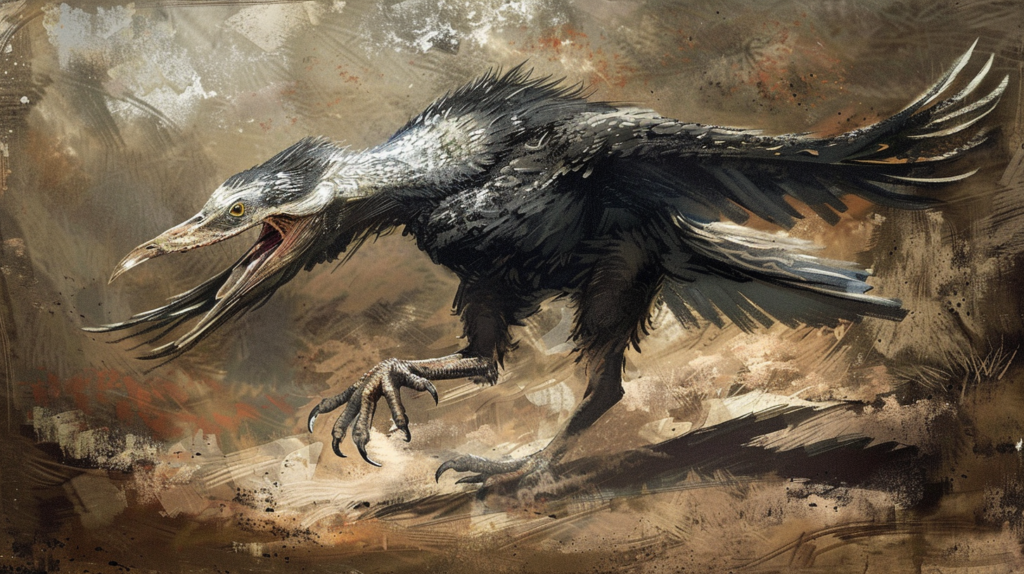
Associated with: Maryland region
The Snallygaster appears in folklore from Maryland and surrounding areas. Early descriptions portray it as a strange hybrid creature with features of both birds and reptiles.
Stories of the creature date back to the 1700s, when newspapers reported sightings of a mysterious flying monster.
Michigan Dogman
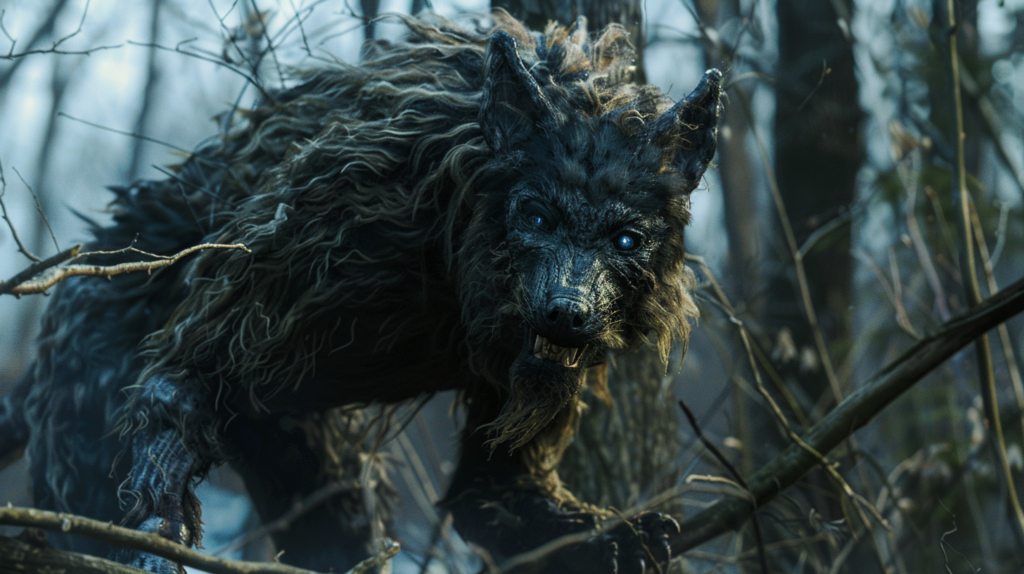
Associated with: Michigan
The Michigan Dogman is said to resemble a large canine that can stand and walk on two legs. Stories about the creature date back to the late 1800s in northern Michigan.
The legend became widely known after a popular 1980s radio song about the Dogman sparked renewed interest in sightings.
Loveland Frog
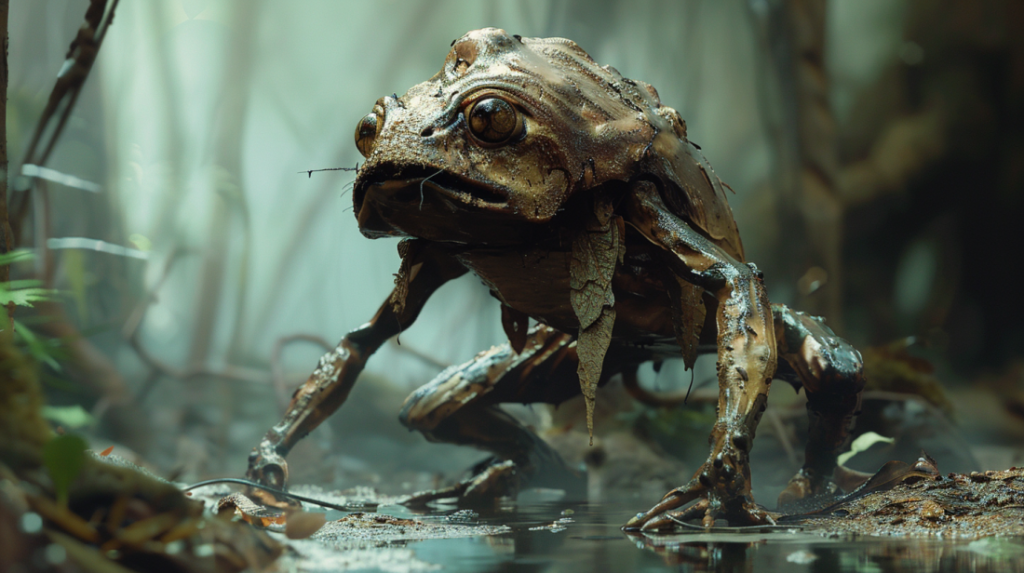
Associated with: Ohio
The Loveland Frog legend began in the 1950s when witnesses reported seeing frog-like humanoid creatures near the Little Miami River in Ohio.
Some later reports suggested the creature might have been a large iguana or other animal, but the story remains a local cryptid favorite.
Ogopogo
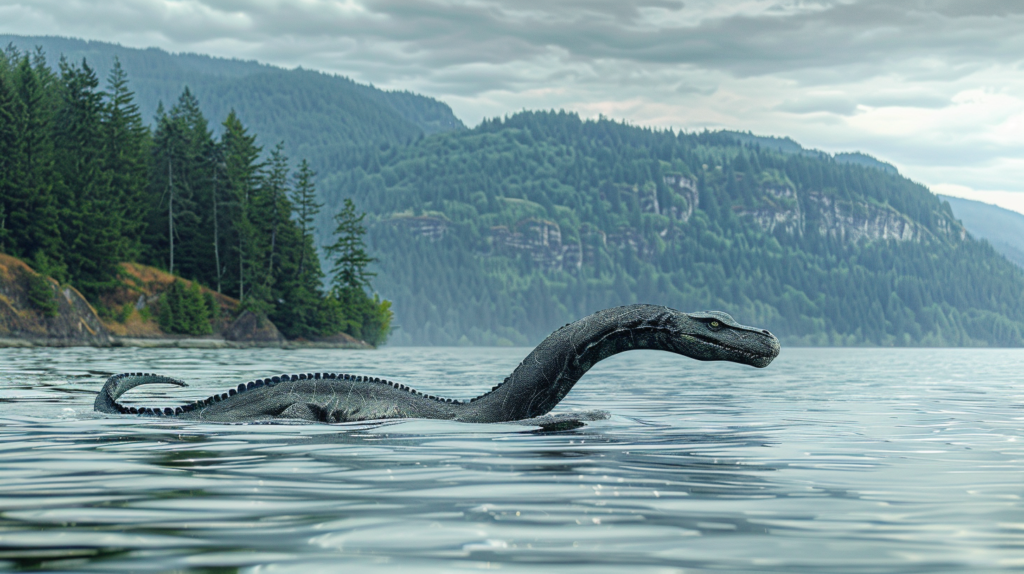
Associated with: Canada’s Okanagan Lake
Ogopogo is often described as a long, serpentine lake monster similar to Scotland’s Loch Ness Monster. The legend originates from Indigenous stories around Okanagan Lake in British Columbia.
Despite its Canadian roots, the creature frequently appears in discussions about famous cryptids across North America.
Kraken
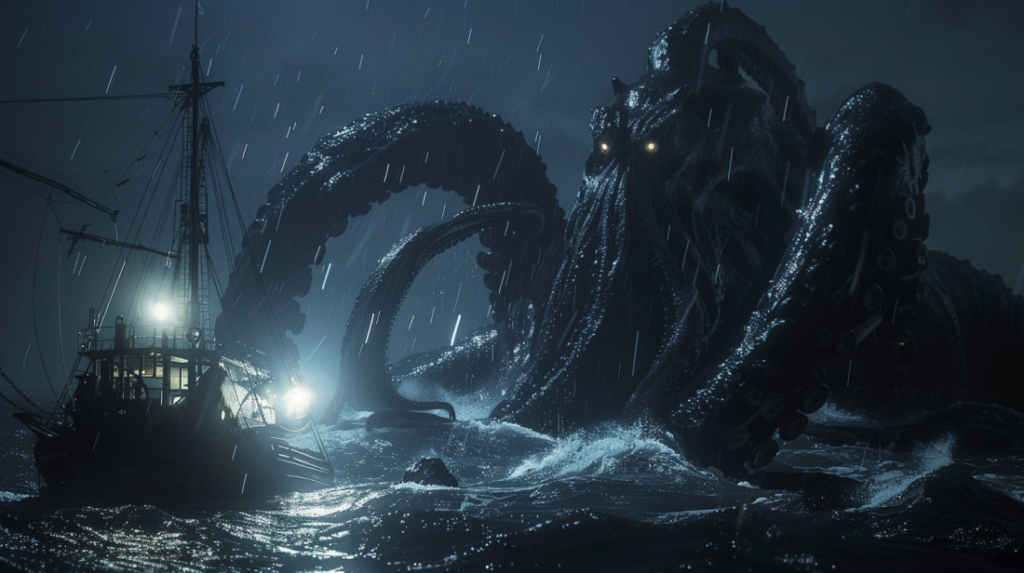
Legend origin: Scandinavian folklore
The Kraken is a giant sea creature said to resemble an enormous squid or octopus. Stories from sailors described the monster attacking ships and dragging them beneath the waves.
Although it originates in Nordic folklore, the Kraken has become a popular creature in modern mythology and pop culture.
Yowie
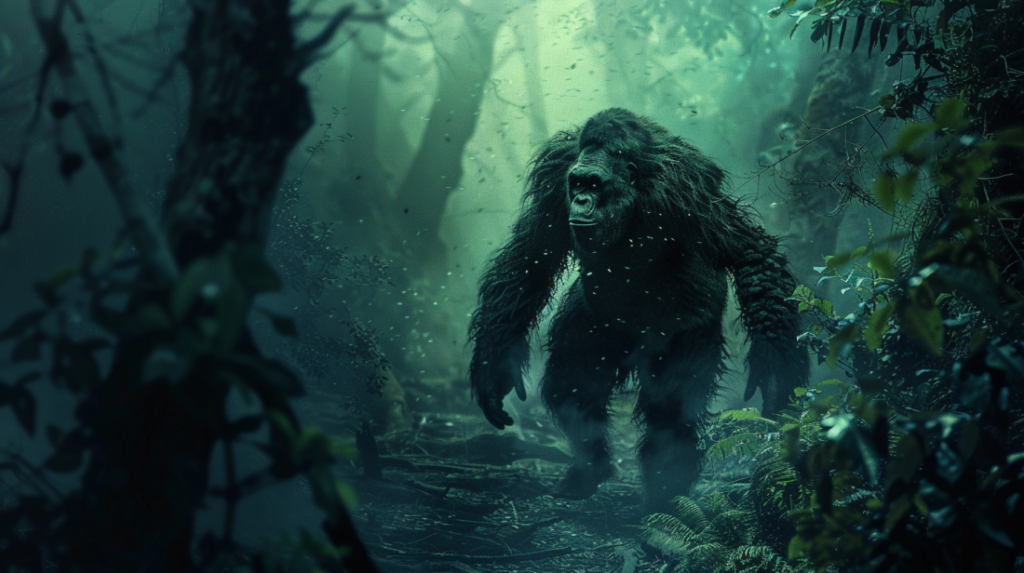
Associated with: Australia
The Yowie is an ape-like creature from Australian folklore. Much like Bigfoot, it is described as a tall, hairy humanoid that lives in remote wilderness areas.
The creature often appears in discussions of cryptids around the world due to its similarities with other “wild man” legends.
Skinwalker
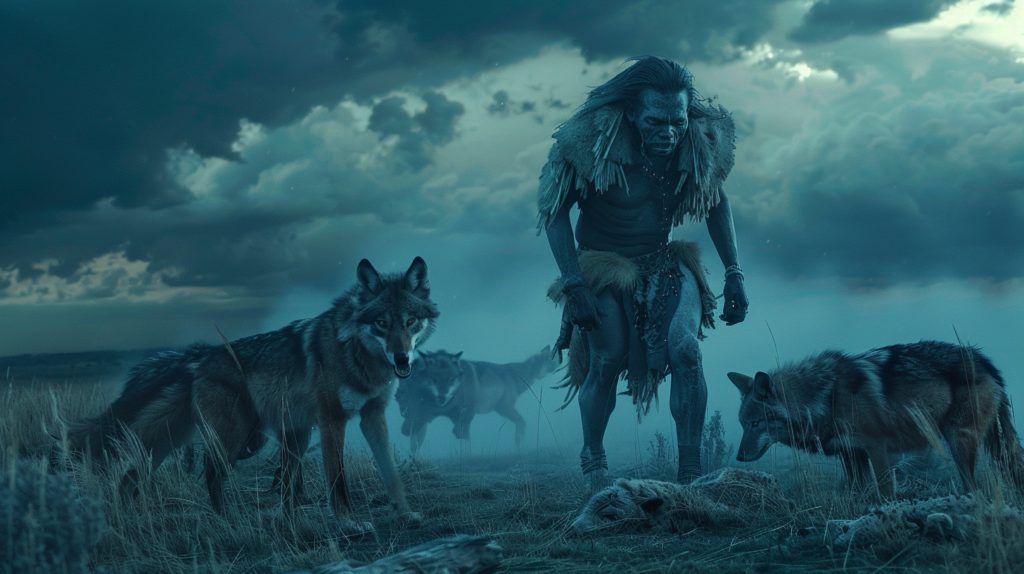
Origin: Navajo folklore
In Navajo tradition, a skinwalker is a witch capable of transforming into animals. Unlike most cryptids, the skinwalker is part of spiritual folklore rather than an undiscovered animal species.
Because of the cultural significance of the legend, discussions of skinwalkers are often treated with sensitivity.
Pukwudgie
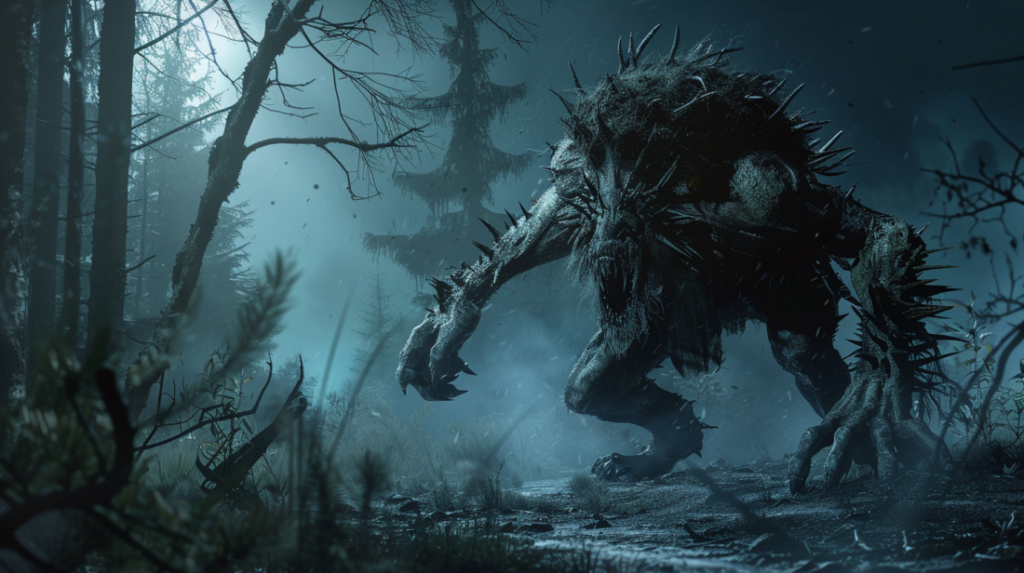
Origin: Wampanoag folklore
Pukwudgies are small, human-like creatures from Indigenous folklore in the northeastern United States. Stories describe them as mischievous beings that can appear and disappear at will.
The legends remain part of traditional storytelling in the region.
Bigfoot (Sasquatch)
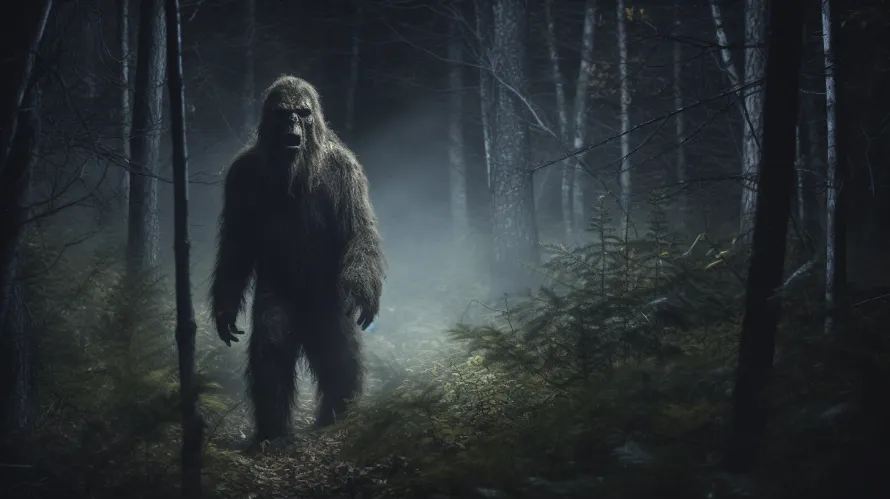
Associated with: Pacific Northwest
Bigfoot is perhaps the most famous cryptid in North America. Reports describe a massive, hairy creature walking upright through forests, particularly in Washington, Oregon, and British Columbia.
Despite decades of alleged sightings, photographs, and footprint casts, scientists have never confirmed the creature’s existence.
Werewolf
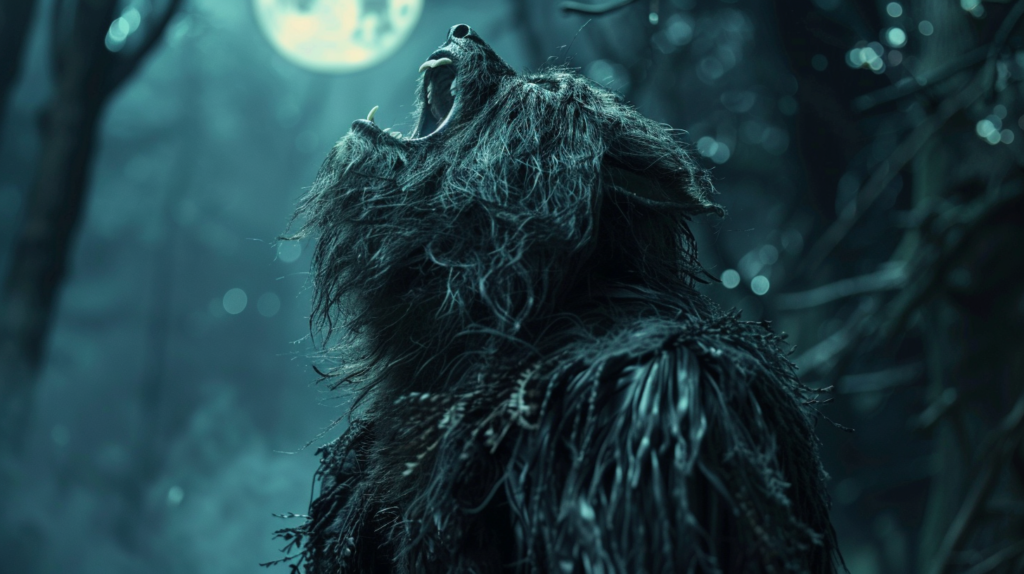
Folklore origin: Europe
The werewolf legend involves a human who transforms into a wolf-like creature, usually during a full moon. Stories of lycanthropy appear in European folklore dating back centuries.
Although it is more mythological than cryptid-based, the werewolf remains a popular creature in folklore and pop culture.
Chupacabra
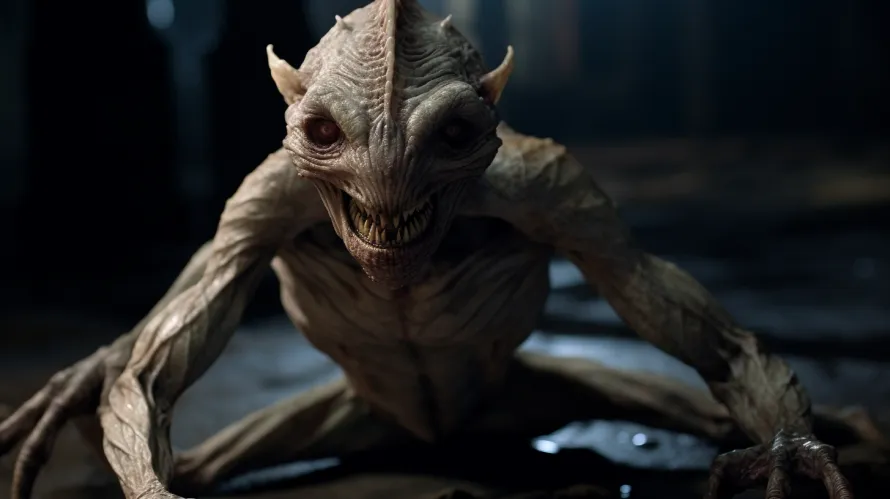
Origin: Puerto Rico
The Chupacabra first appeared in reports from Puerto Rico in the 1990s. The creature’s name means “goat sucker,” referring to stories that it attacks livestock and drains their blood.
Descriptions vary widely—from reptilian creatures with spines to hairless, dog-like animals.
Loch Ness Monster
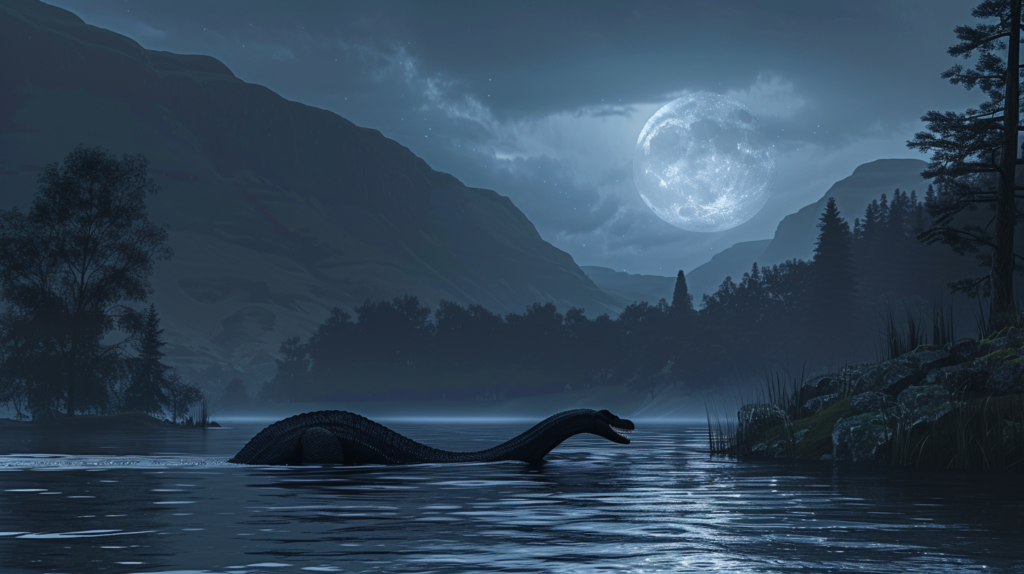
Origin: Scotland
The Loch Ness Monster, often called “Nessie,” is said to live in Loch Ness in the Scottish Highlands. Reports of the creature date back centuries, though the legend gained worldwide attention in the 1930s.
Most sightings describe a long neck emerging from the water, similar to a prehistoric sea reptile.