“Brand new” sounds appealing—but in many cases, it just means paying a premium for something that loses value quickly. Smart shoppers know that buying used (or nearly new) can deliver the same quality for a fraction of the price.
Here are 10 items where buying new often doesn’t make financial sense.
10. Cars
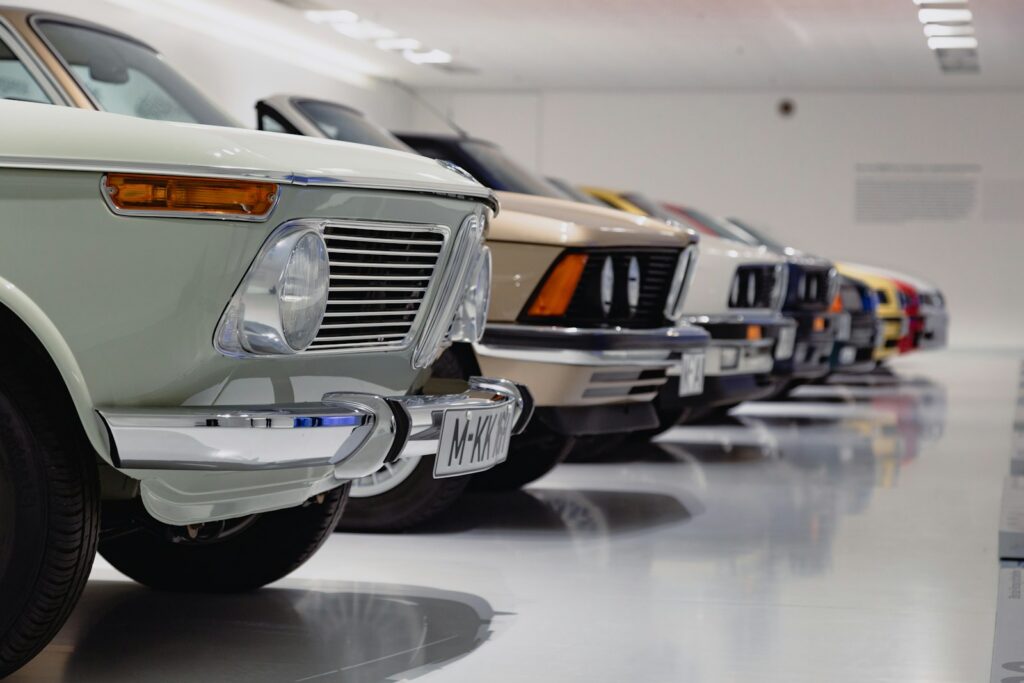
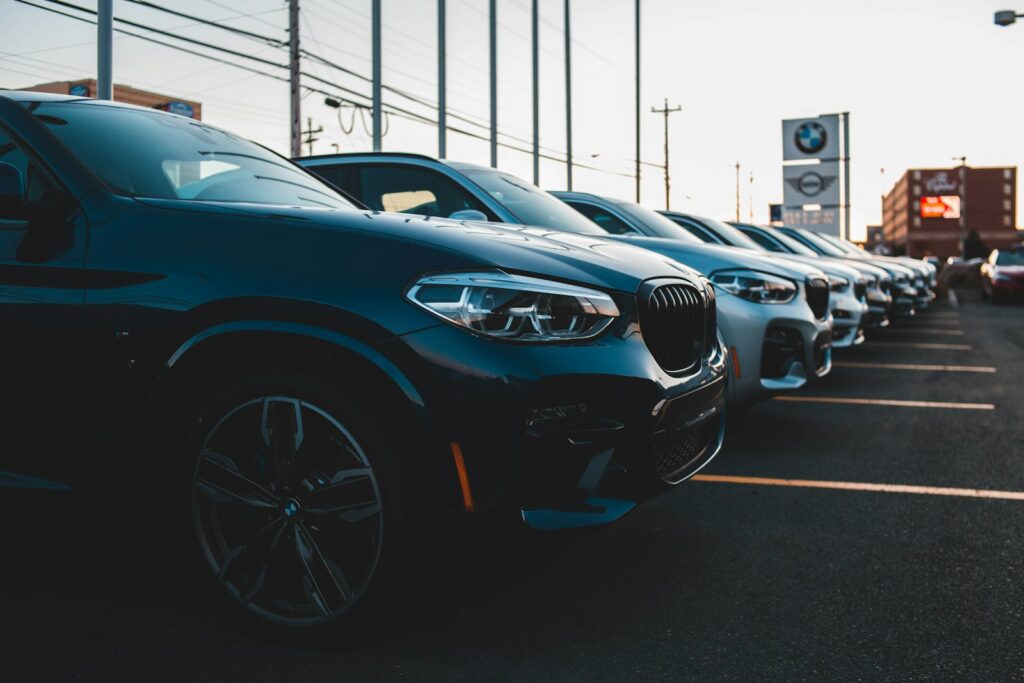
New cars depreciate fast—often losing 20–30% of their value in the first year alone.
Buying a lightly used vehicle (1–3 years old) can:
- Save thousands upfront
- Avoid steep early depreciation
- Still provide modern features and reliability
For most buyers, “nearly new” is the sweet spot.
9. Boats, RVs, and Recreational Vehicles

Like cars—but often worse.
Boats, RVs, and powersports vehicles:
- Depreciate quickly
- Come with high dealer markups
- Require ongoing maintenance
A well-maintained used option can deliver the same experience at a much lower cost.
8. Pets
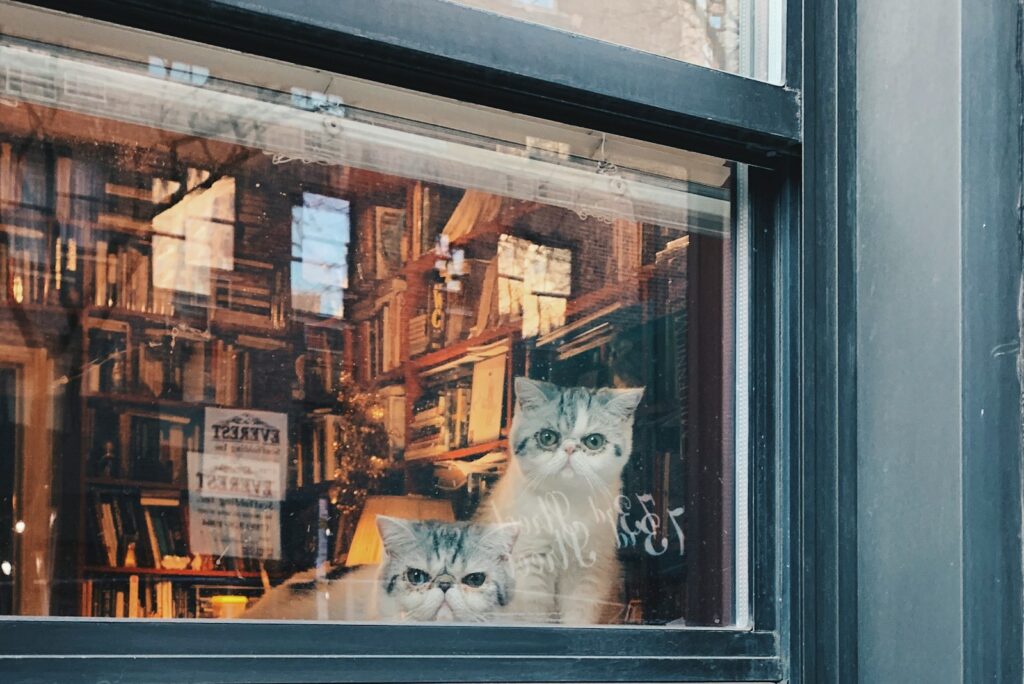
Buying from breeders can be expensive, while millions of animals in shelters need homes.
Adopting a pet can:
- Cost significantly less
- Support animal welfare
- Still give you a healthy, loving companion
While some people need specific breeds for medical or lifestyle reasons, adoption is often the better value.
7. Timeshares

Timeshares are rarely good financial investments.
In fact:
- Many owners try to sell them for little to nothing
- Annual fees can increase over time
- Resale value is often extremely low
If you’re considering one, buying resale (if at all) is far cheaper than buying new.
6. Books
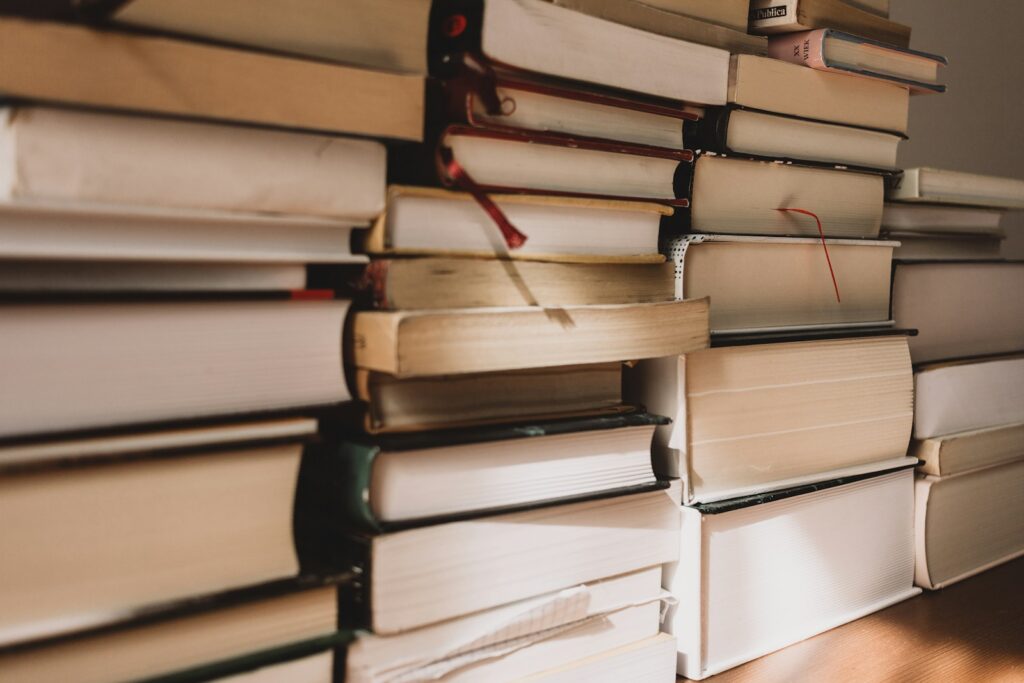
New books are great—but not always necessary.
You can often:
- Buy used copies for much less
- Borrow from libraries (including ebooks and audiobooks)
- Find discounted editions online
Unless you’re collecting or need a brand-new copy, used is usually the better deal.
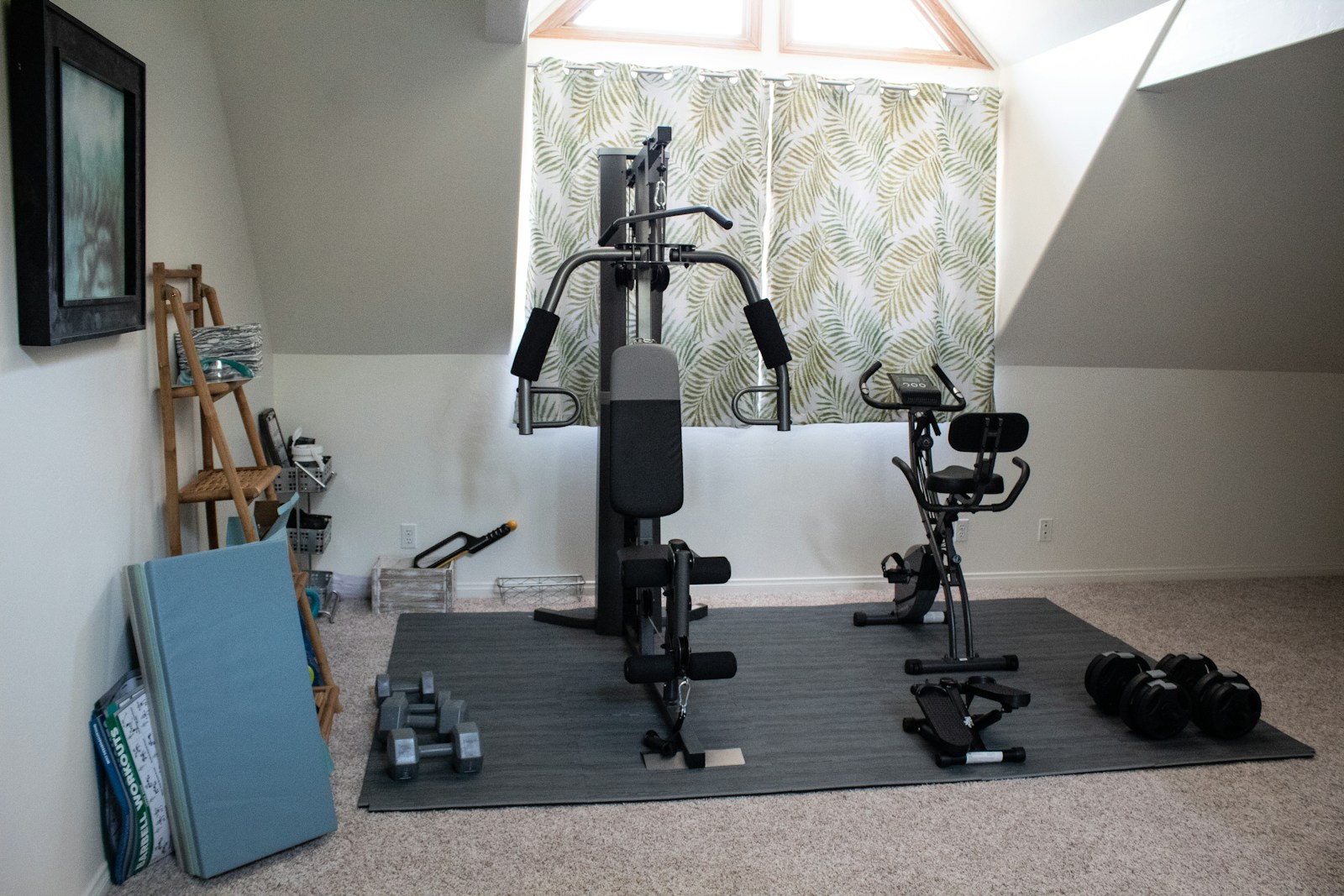
5. Fitness Equipment
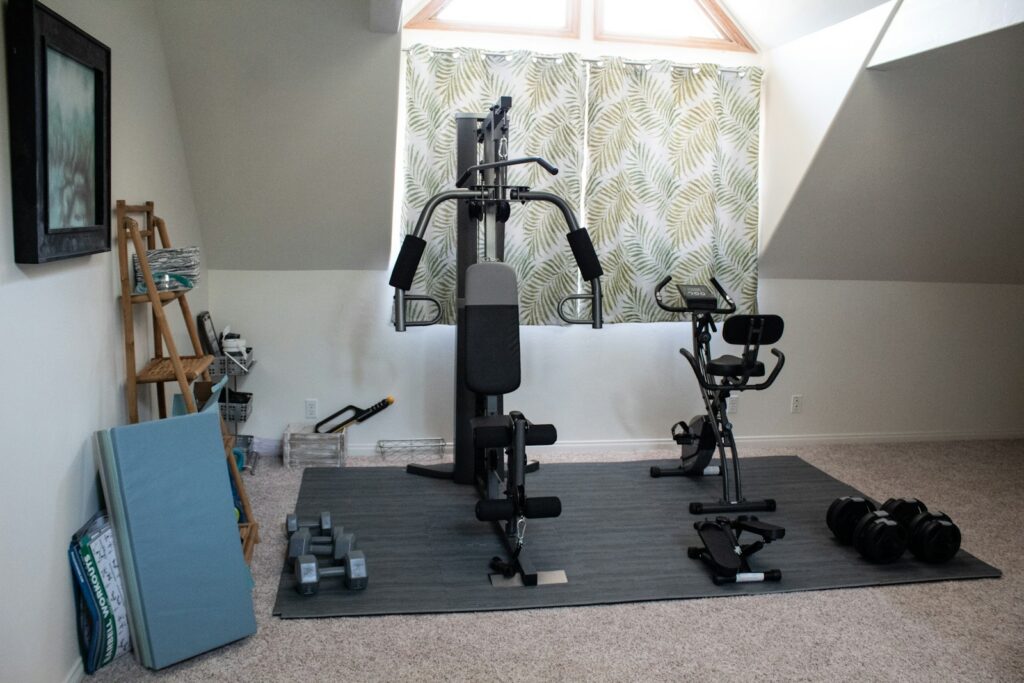
Exercise equipment loses value quickly—and often ends up unused.
Secondhand options are everywhere:
- Garage sales
- Marketplace apps
- Sporting resale stores
You’ll save money—and avoid paying full price for something you might not stick with.
4. Movies and Music
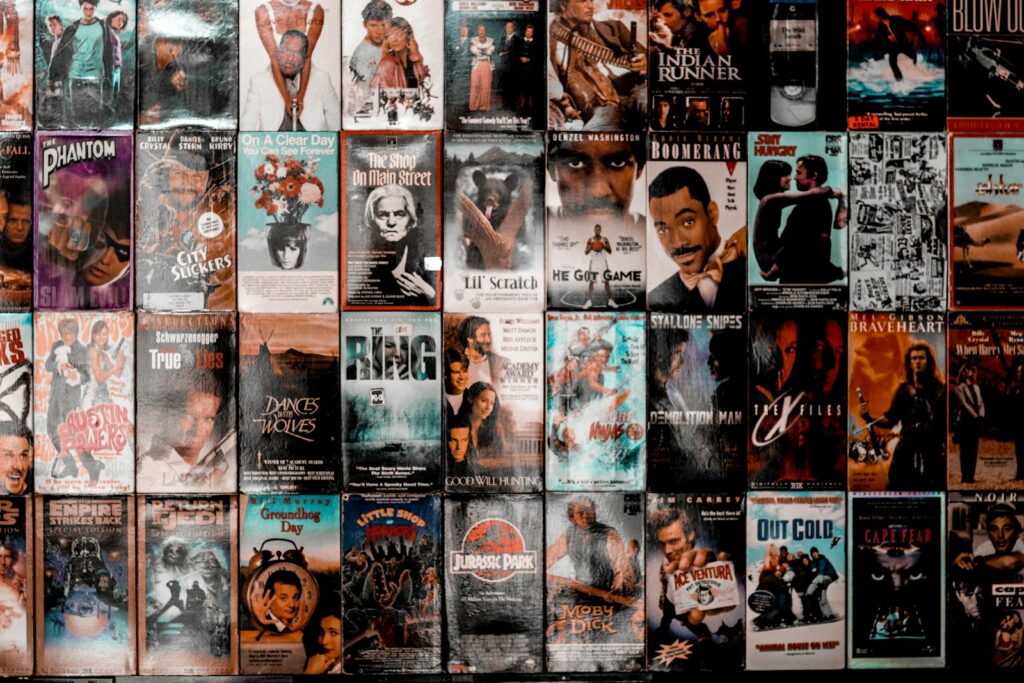
Physical media and even digital purchases are often unnecessary today.
Streaming services offer:
- Vast libraries
- Lower monthly costs
- No storage needs
If you prefer ownership, buying used DVDs, vinyl, or CDs can still save money.
3. Musical Instruments
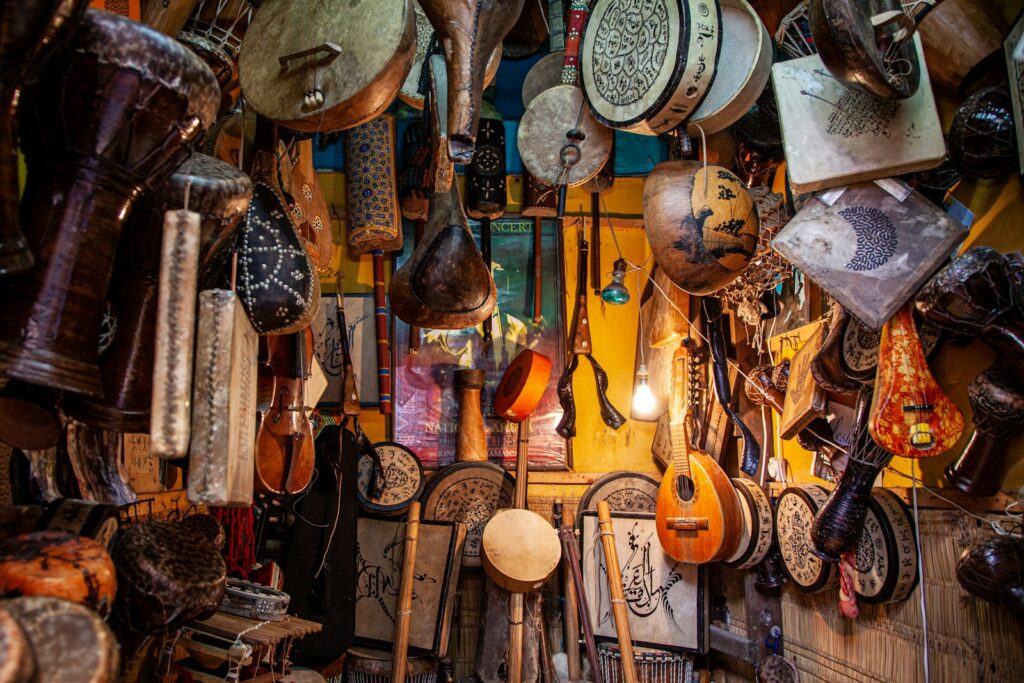
New instruments can carry a steep markup, especially at retail.
Buying used can:
- Save hundreds (or more)
- Provide higher-quality instruments for the same price
- Retain resale value better
Just be sure to inspect condition or buy from reputable sellers.
2. Jewelry
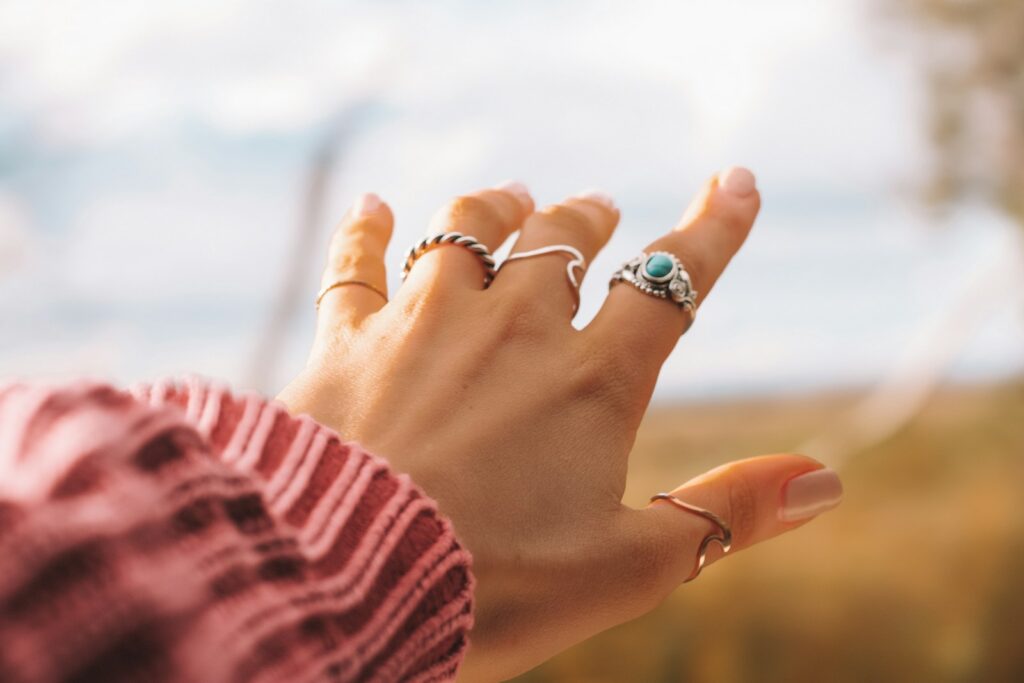
Most jewelry loses resale value immediately after purchase.
If you’re looking for value:
- Consider estate pieces or vintage jewelry
- Buy from reputable resellers
- Focus on craftsmanship over branding
Always verify authenticity for higher-value purchases.
1. Houses

New construction can be appealing—but it’s not always the better financial move.
Older homes often offer:
- More established neighborhoods
- Mature landscaping
- Potentially better build quality (depending on era)
That said, newer homes may provide:
- Better energy efficiency
- Lower short-term maintenance
The best choice depends on your priorities—but “new” doesn’t automatically mean “better.”
The Bottom Line
Buying new isn’t always a bad idea—but it’s often the most expensive way to buy.
Best items to buy used:
- Cars
- Recreational vehicles
- Fitness equipment
- Instruments
- Jewelry
Worth reconsidering:
- Homes
- Books
- Media
A little patience and research can save you thousands—without sacrificing quality.