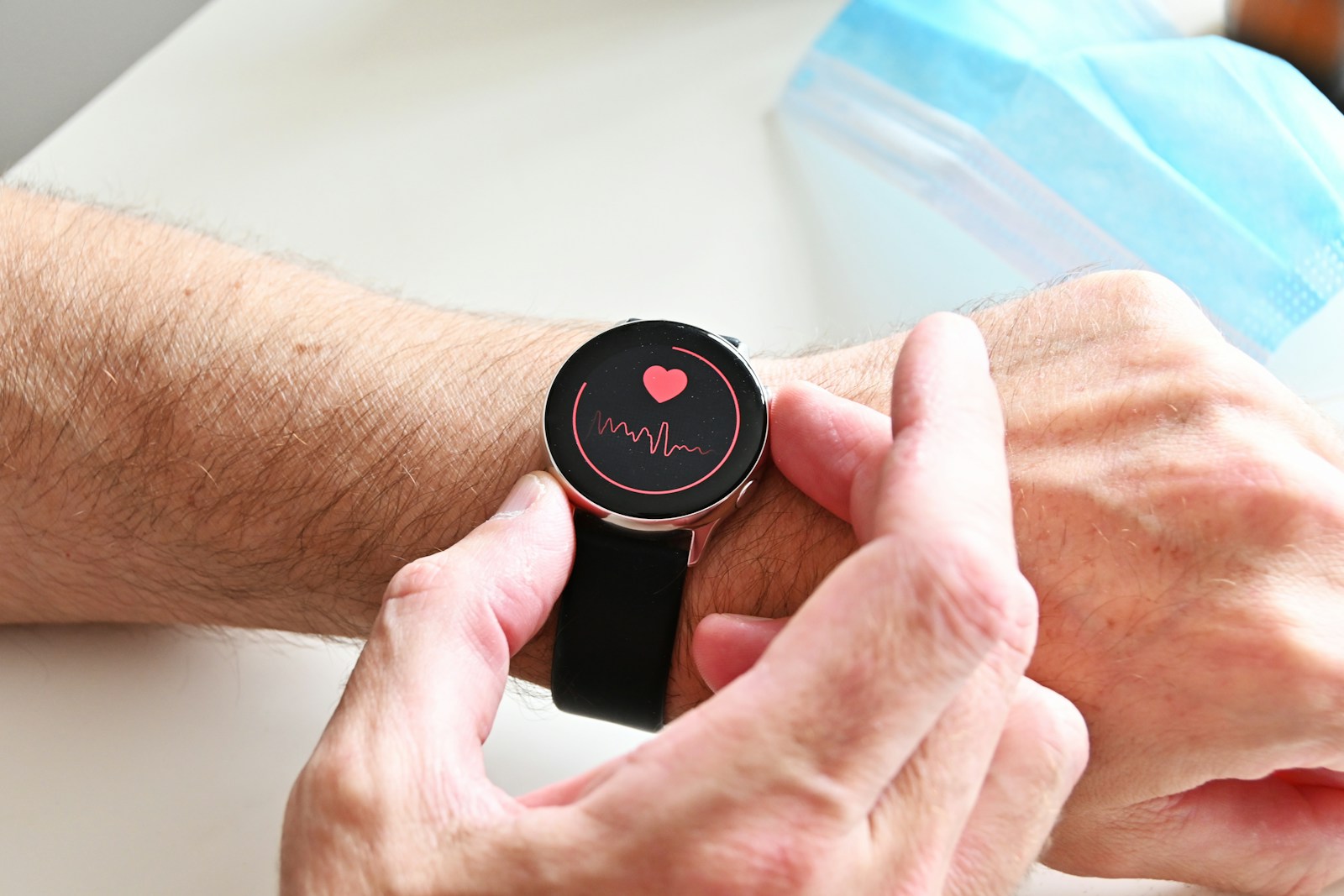
Your fitness tracker or smartwatch does more than just count steps or monitor your heart rate. According to recent research, these devices can play a crucial role in enhancing your heart health, especially if you’re managing cardiovascular conditions. By leveraging the built-in features of your wearable, you can make meaningful changes to your daily activity levels.
The study published in the Journal of the American Heart Association highlights how these devices can help increase physical activity through behavior change techniques. Here are nine ways you can transform your fitness tracker into a heart health ally.
9. Consistency Over Intensity

Adding about 1,000 extra steps a day can lead to significant improvements in activity levels.
You don’t need to overhaul your fitness routine dramatically. Small, consistent increases in movement are more sustainable and effective for heart health.
8. Utilize Built-In Features

Most fitness trackers come with reminders, progress rings, and weekly summaries.
These features provide real-time feedback and keep you engaged with your fitness goals, making them more effective than passive tracking.
7. Set Specific Goals

Vague goals like “move more” are less effective.
Instead, set specific, actionable targets such as “walk for 10 minutes after dinner three times this week.” This makes your goals tangible and achievable.
6. Think of Your Device as a Coach
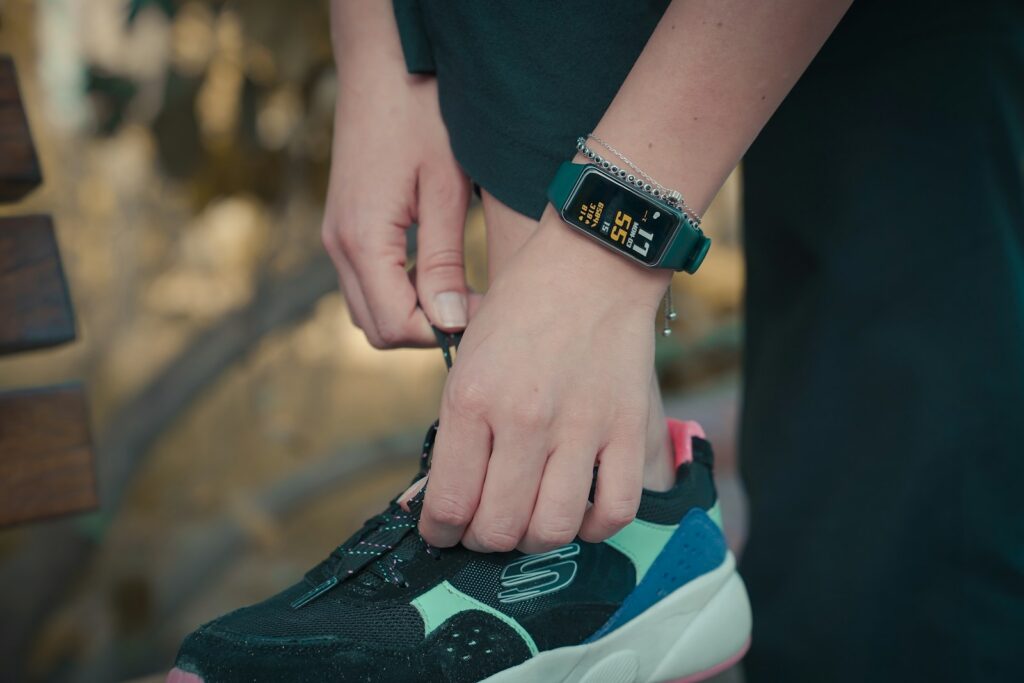
Your wearable can be more than a data collector.
Use it actively to build habits through prompts, goal reviews, and gradual progress, turning it into a virtual coach.
5. Self-Monitoring for Awareness
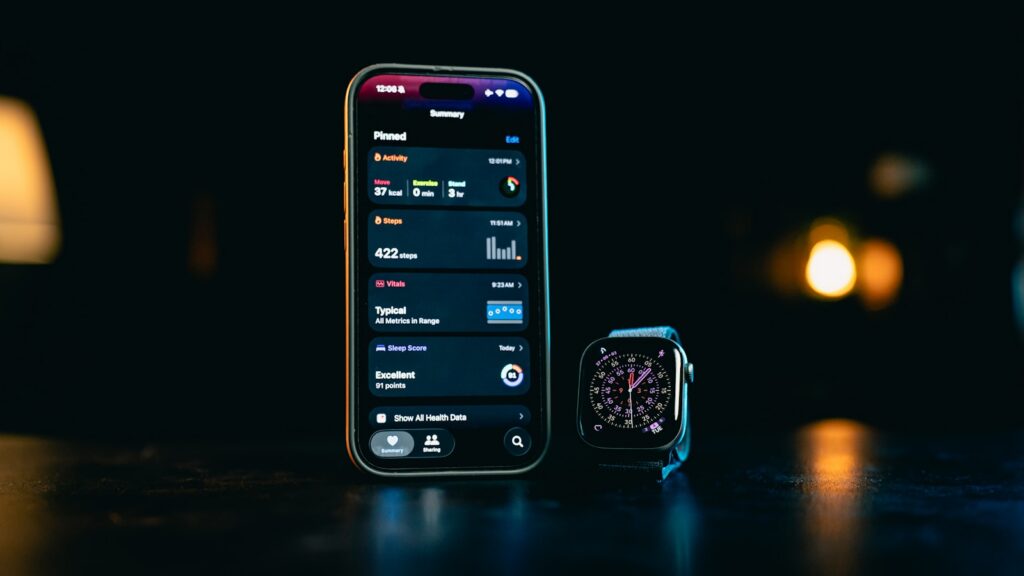
Tracking your activity in real-time builds awareness and accountability.
This self-monitoring is a key behavior change technique that was present in all successful programs in the study.
4. Feedback on Behavior
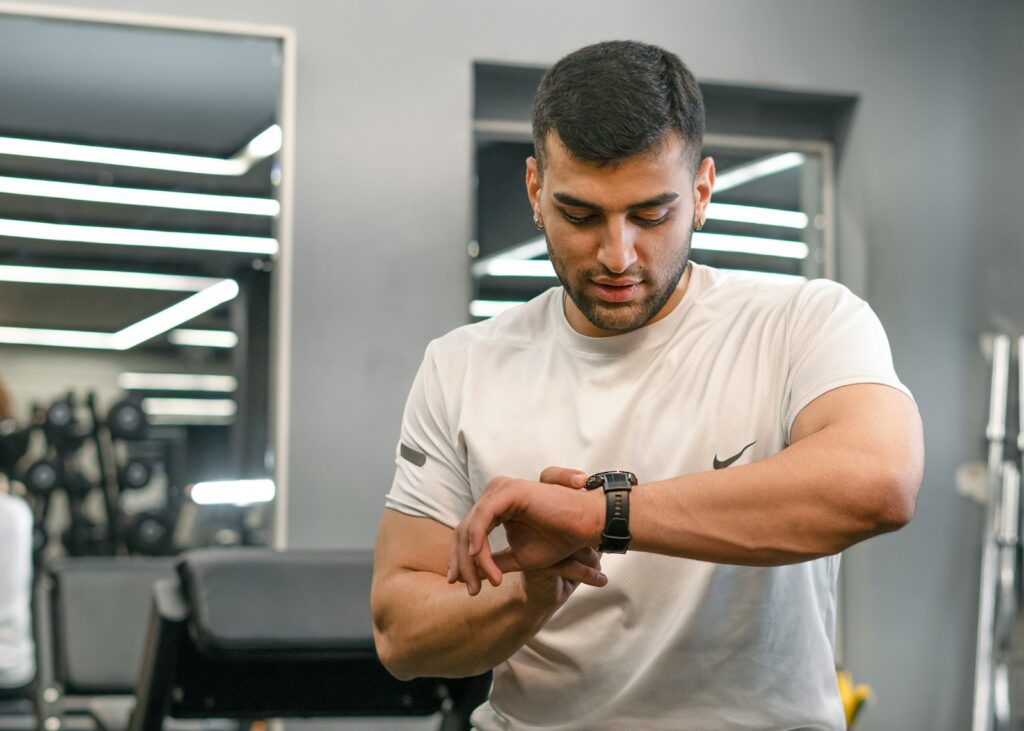
Regular, responsive feedback keeps you engaged.
Instead of just a daily summary, look for tools that provide prompts and check-ins throughout the day to maintain motivation.
3. Goal-Setting for Success

Effective programs set specific, incremental targets.
By breaking down your goals into smaller, manageable steps, you create a clear path to success.
2. Overcoming Barriers to Traditional Rehab
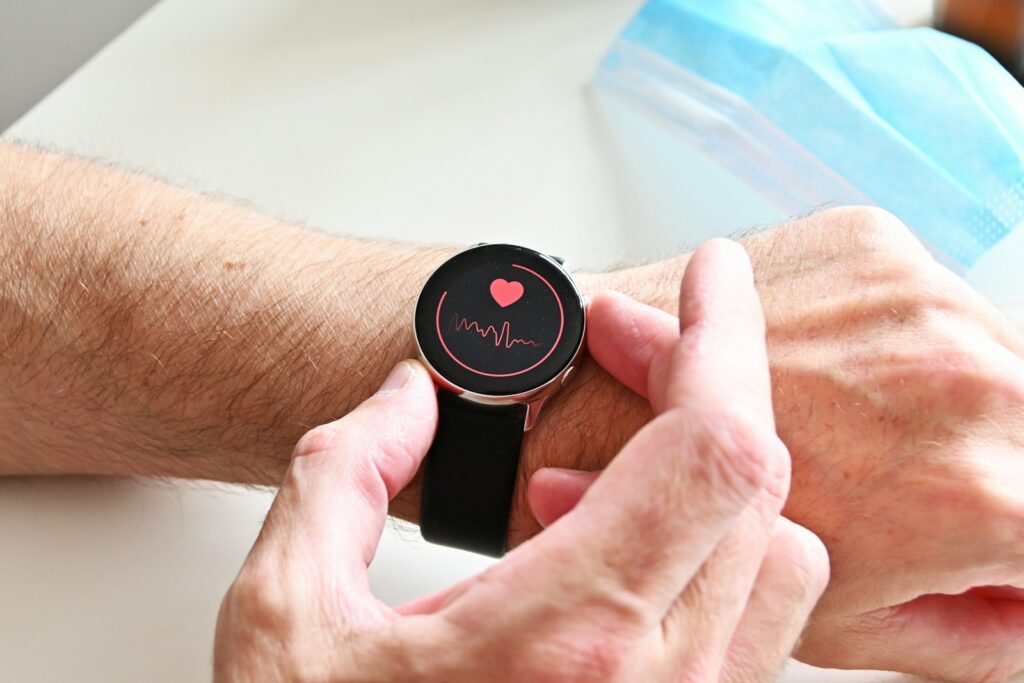
Many people with heart conditions face barriers to attending cardiac rehab.
Your fitness tracker can help bridge this gap by making consistent movement more accessible, even if you can’t attend in-person sessions.
1. Connecting Physical and Mental Wellbeing

Wearables aren’t just for physical health; they also support mental wellbeing.
By using your device intentionally, you can improve your overall health, making it a powerful ally in your wellness journey.
Read More:
- 10 of the Best Fitness Trackers and Accessories of 2026
- What’s Better: Morning or Evening Workouts? A Look at the Research
- Cycle Syncing Your Workouts: How to Train With Your Hormones