
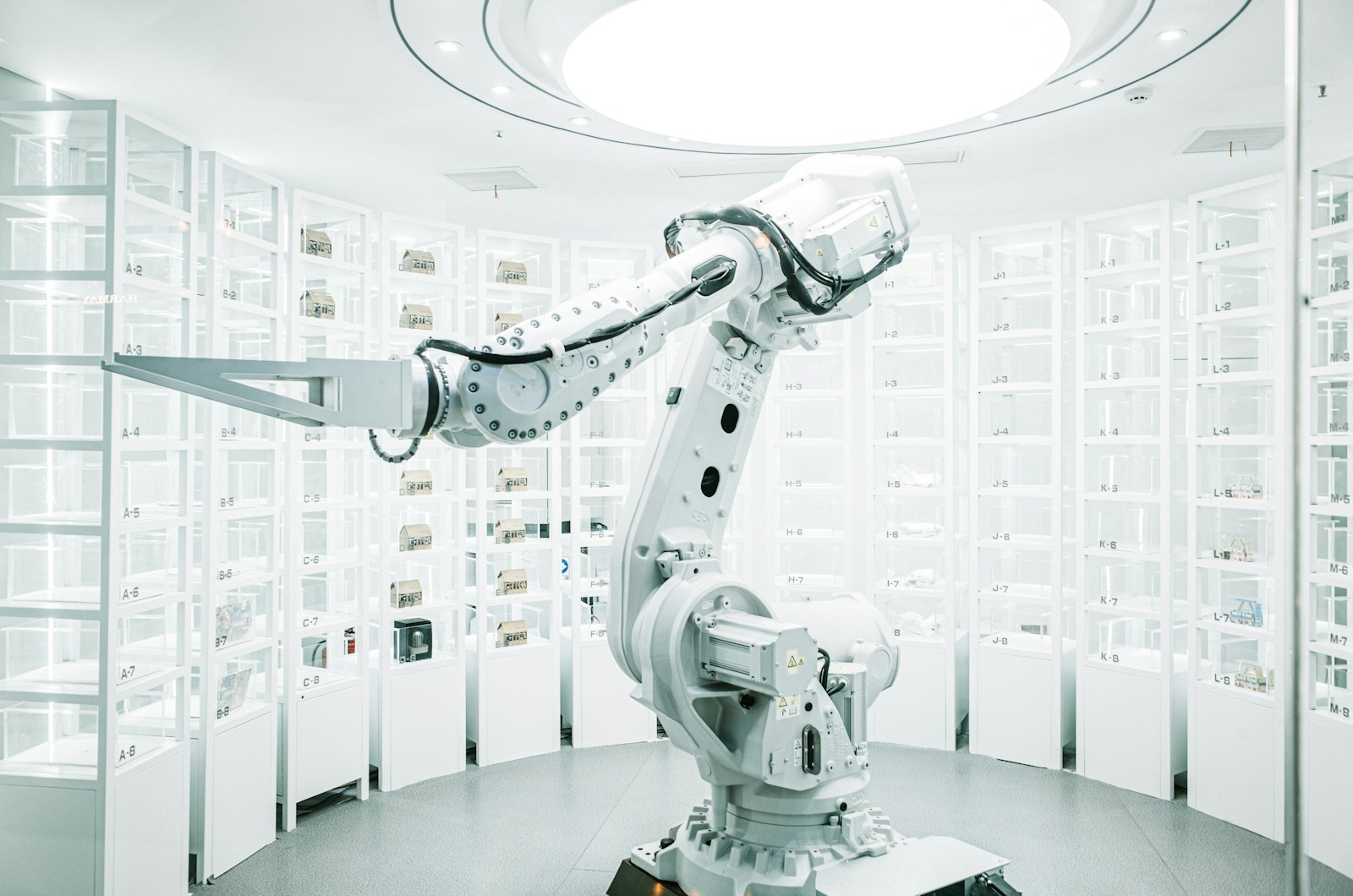
Modern manufacturing barely resembles the factory floor of even 20 years ago. Rows of workers performing repetitive tasks have increasingly been replaced by robots, sensors, software, and advanced machinery working together in highly connected environments.
Automation isn’t just making factories faster. It’s changing how products are designed, built, inspected, and delivered. Here are 10 ways today’s factory floors have been transformed by technology.
10. Robots Handle More Repetitive Tasks
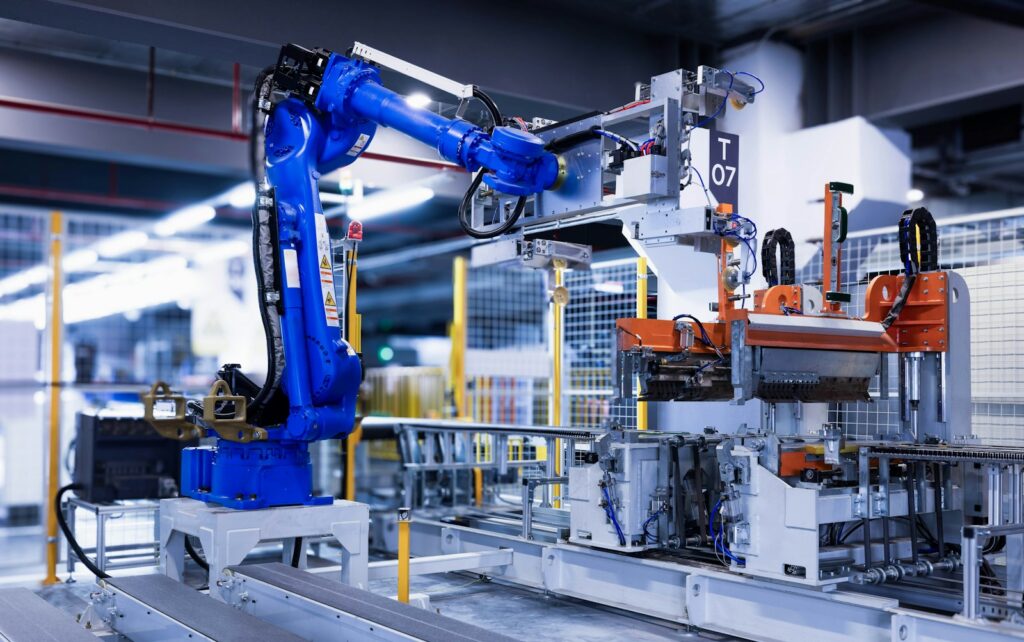
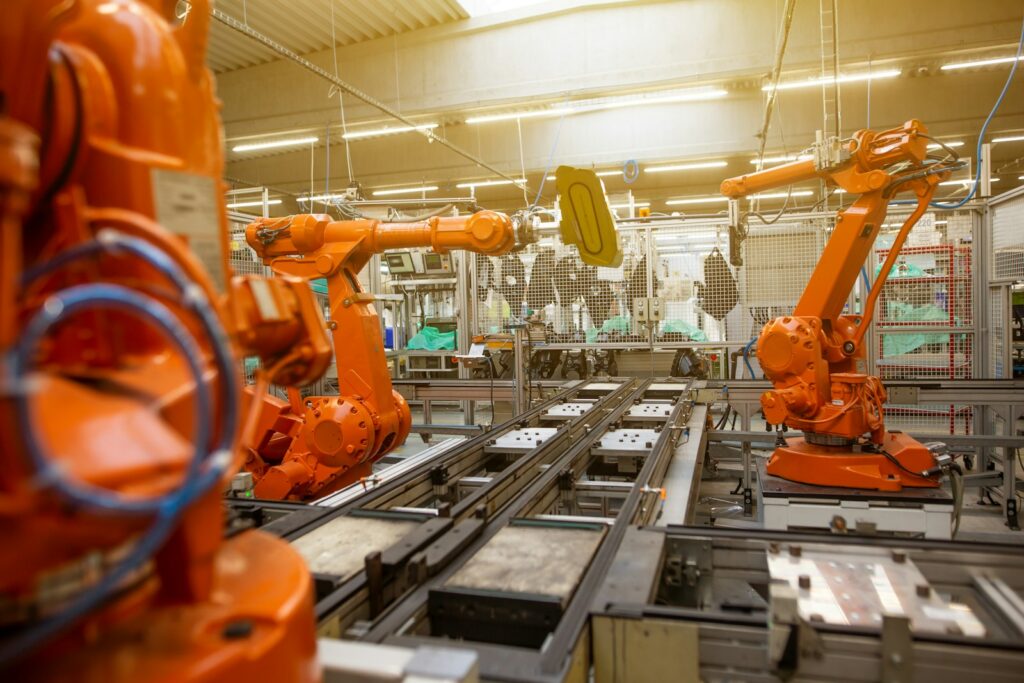
Industrial robots have become a fixture in manufacturing facilities worldwide.
Tasks such as welding, painting, packaging, sorting, and assembly can now be performed with incredible speed and precision. Robots help reduce repetitive strain injuries while allowing production lines to operate around the clock.
9. Smart Factories Monitor Themselves
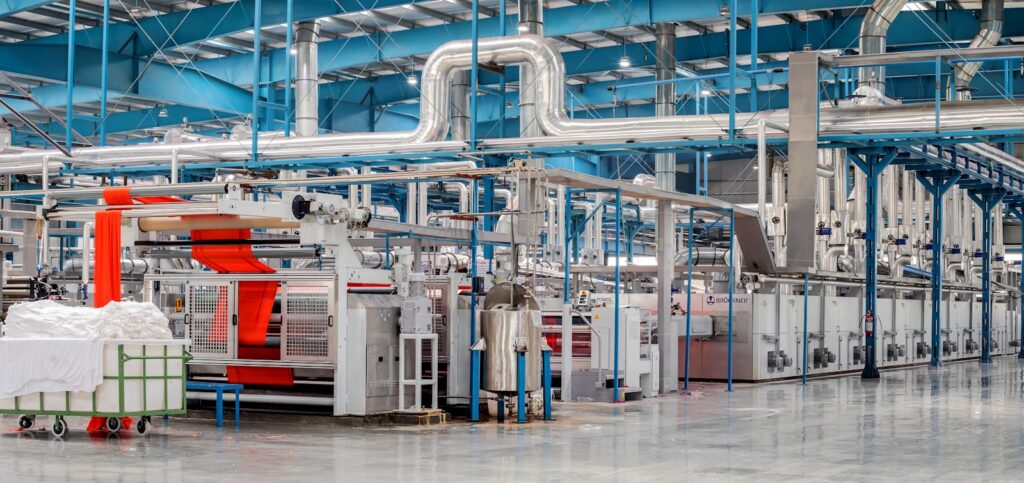
Modern factories are packed with connected sensors.
These devices continuously track everything from machine performance to temperature, energy use, and product quality. Real-time monitoring allows companies to identify issues before they become costly problems.
8. Artificial Intelligence Improves Production Planning
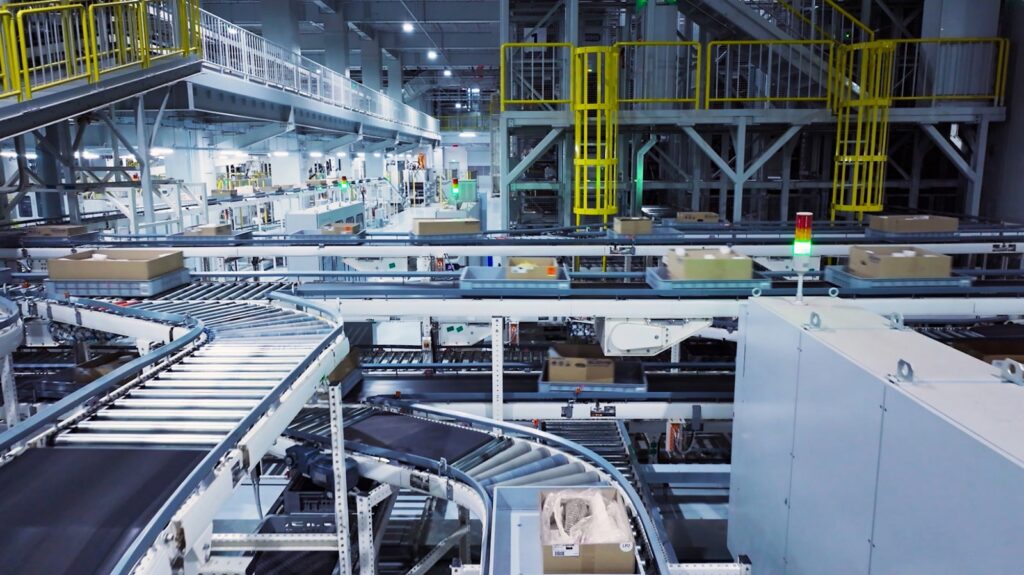
AI is helping manufacturers make smarter decisions.
By analyzing demand forecasts, inventory levels, production capacity, and supply chain data, AI systems can create more efficient schedules and reduce costly delays.
7. Collaborative Robots Work Alongside Humans
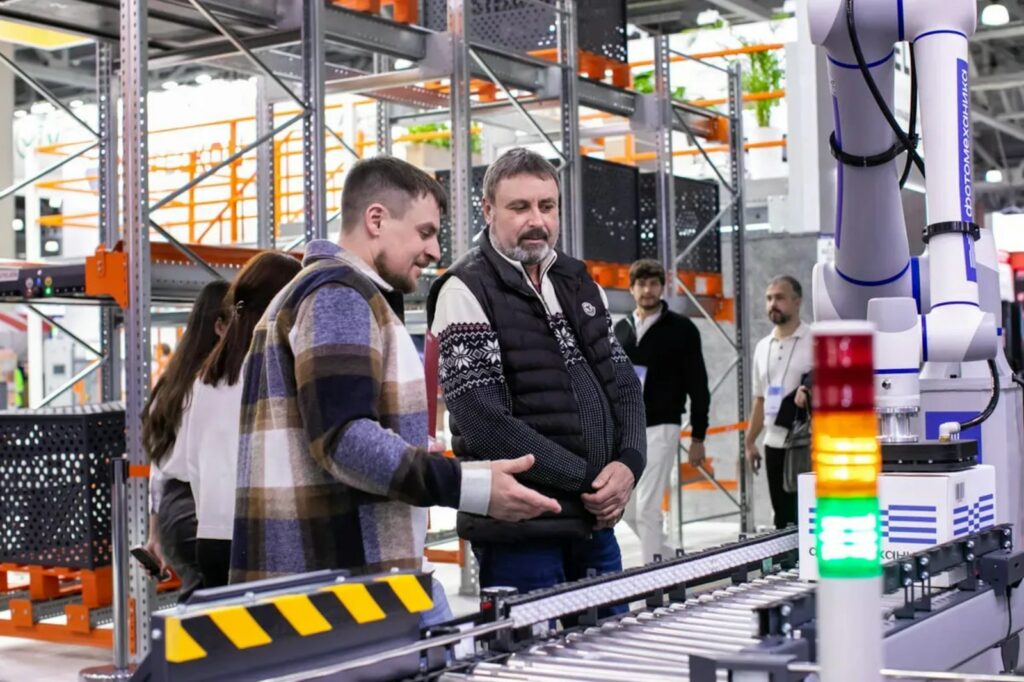
Unlike traditional industrial robots that operate behind safety barriers, collaborative robots—or cobots—are designed to work safely alongside people.
Cobots often assist with lifting, assembly, inspection, and repetitive tasks, allowing workers to focus on more complex responsibilities.
6. Automated Inspection Systems Catch More Defects
Quality control has become faster and more accurate.
High-resolution cameras, sensors, and machine-learning systems can identify defects that might be missed during manual inspections. This helps improve product consistency while reducing waste.
5. 3D Printing Is Expanding Manufacturing Possibilities
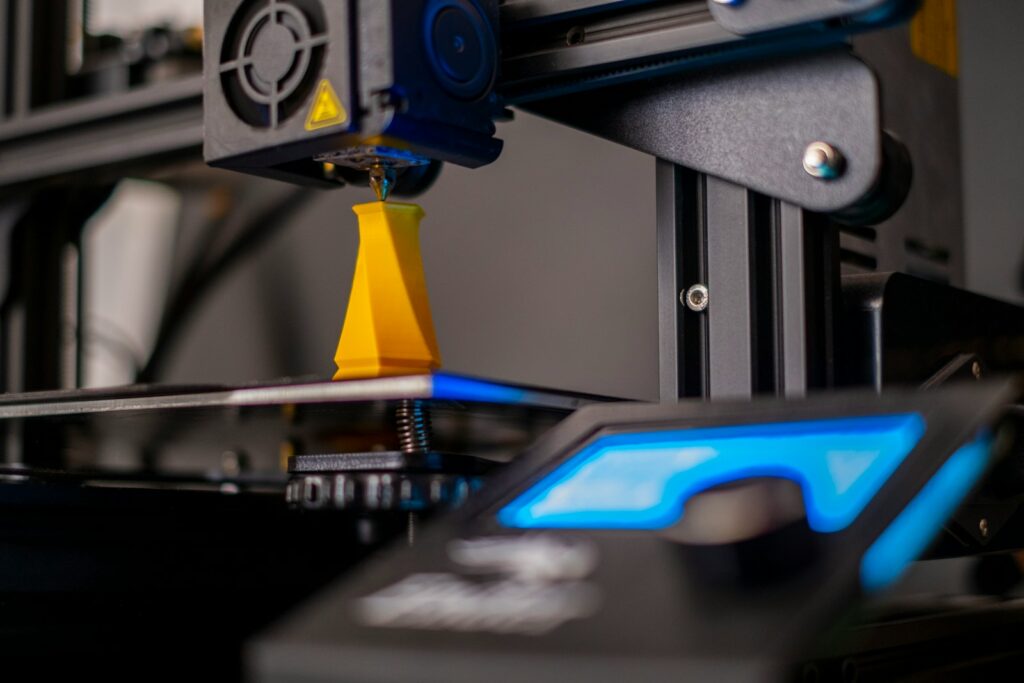
Additive manufacturing has moved far beyond simple prototypes.
Many manufacturers now use industrial 3D printers to create specialized tools, replacement components, and even finished products. This allows for faster customization and shorter production timelines.
4. Predictive Maintenance Reduces Breakdowns
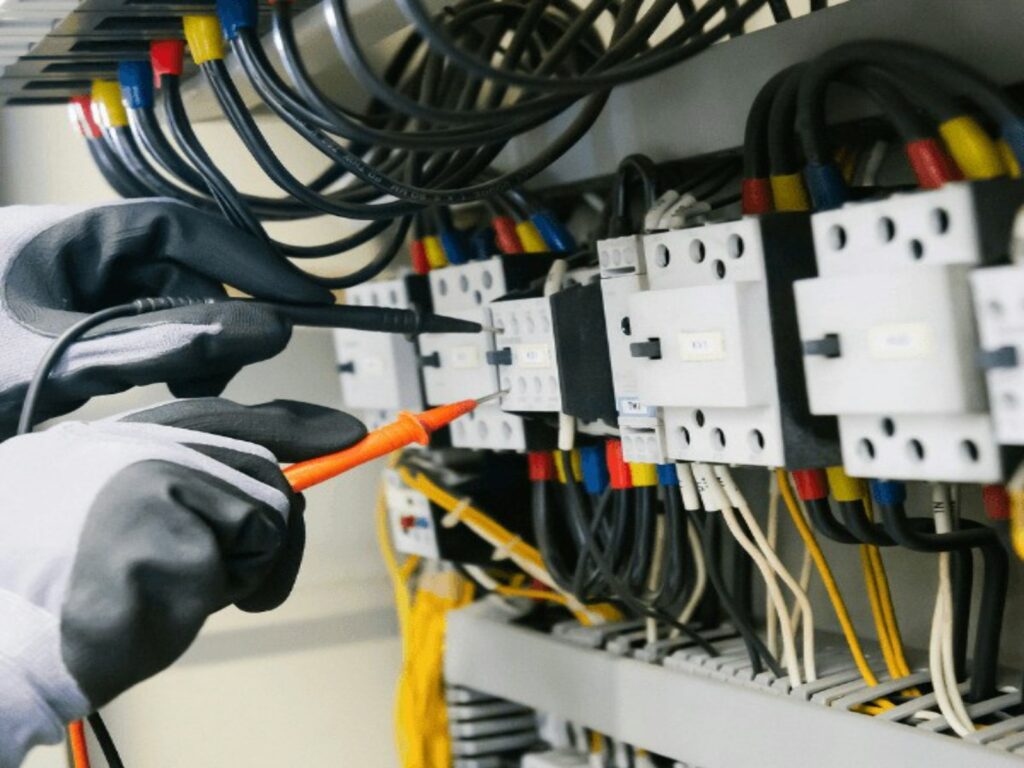
Factories no longer have to wait for equipment to fail.
Sensors can monitor vibration, temperature, pressure, and other performance indicators to detect early warning signs of trouble. This predictive approach helps companies schedule repairs before costly downtime occurs.
3. Warehouses Are Becoming Increasingly Automated
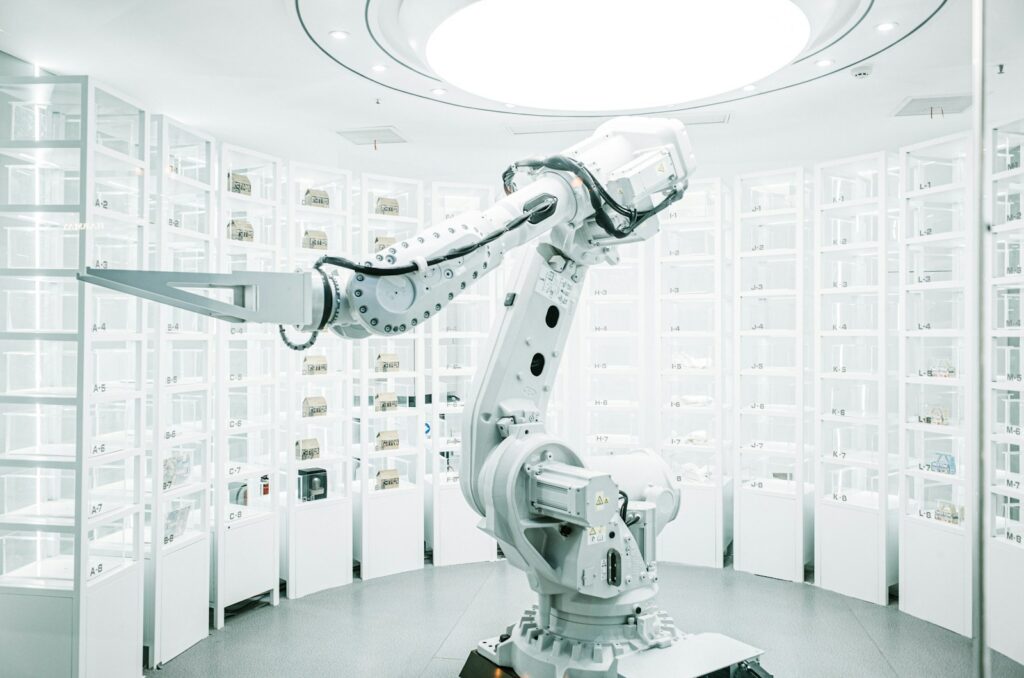
Automation extends well beyond the production line.
Robotic systems can retrieve inventory, transport products, and prepare shipments with remarkable efficiency. Automated warehouses help speed up fulfillment while reducing errors.
2. Supply Chains Respond Faster to Change
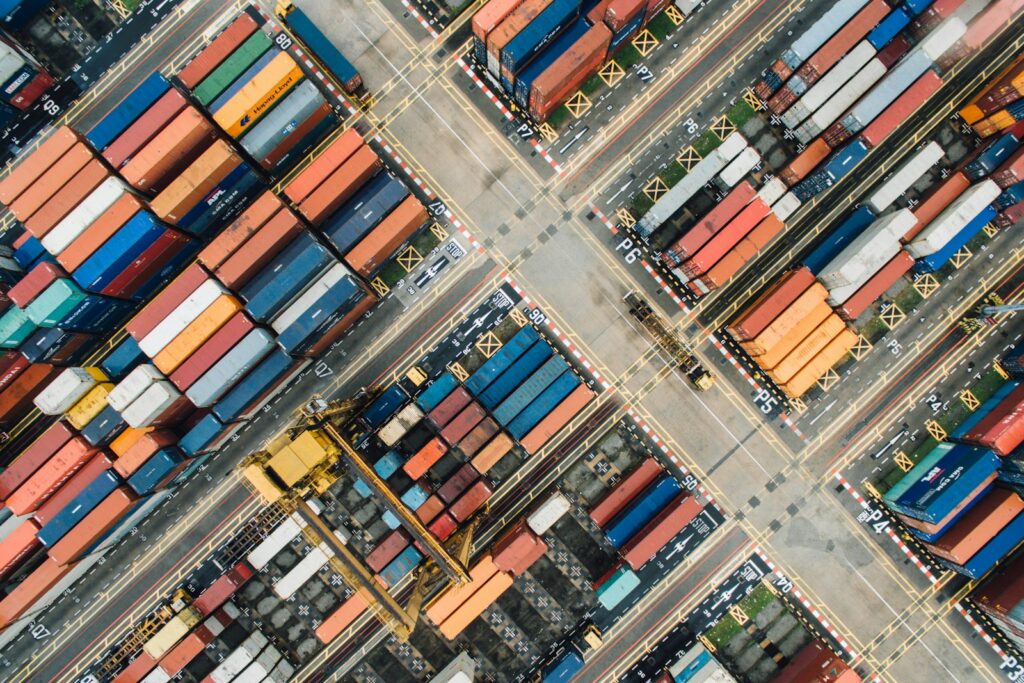
Connected manufacturing systems provide greater visibility across the entire supply chain.
Companies can track inventory levels, shipping delays, material shortages, and customer demand in real time. This flexibility helps manufacturers respond more quickly to disruptions and market shifts.
1. Workers Are Taking on More Technical Roles
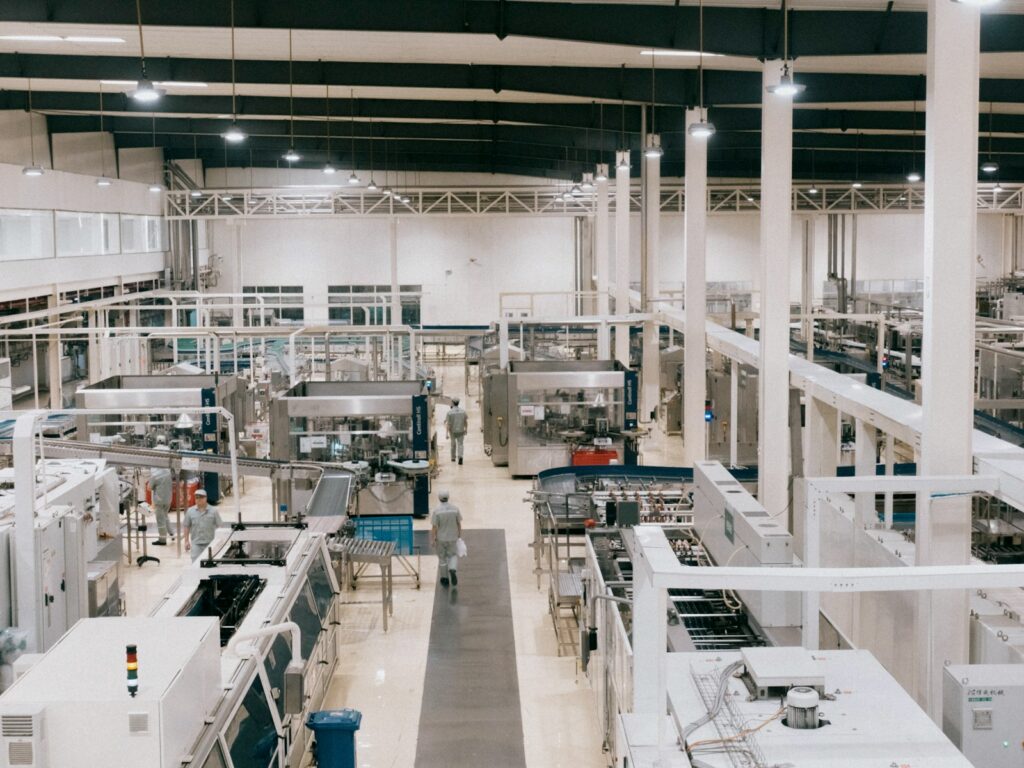
Perhaps the biggest change is how manufacturing jobs themselves are evolving.
As machines handle more routine tasks, workers are increasingly focused on programming, maintenance, troubleshooting, data analysis, and process improvement. Today’s factory employees often need technical skills that would have been uncommon on manufacturing floors just a generation ago.
Automation isn’t replacing manufacturing—it’s reinventing it. The factory floor of today is smarter, safer, and more connected than ever before, and the transformation is still accelerating as new technologies continue to reshape the industry.
Read More:
- Before You Enroll: 20 College Majors With Challenging Career Outlooks
- 10 Controversial Money Moves That Made People Rich
- 10 Corporate Jobs That Pay Well But Are a Soul-Sucking Nightmare