
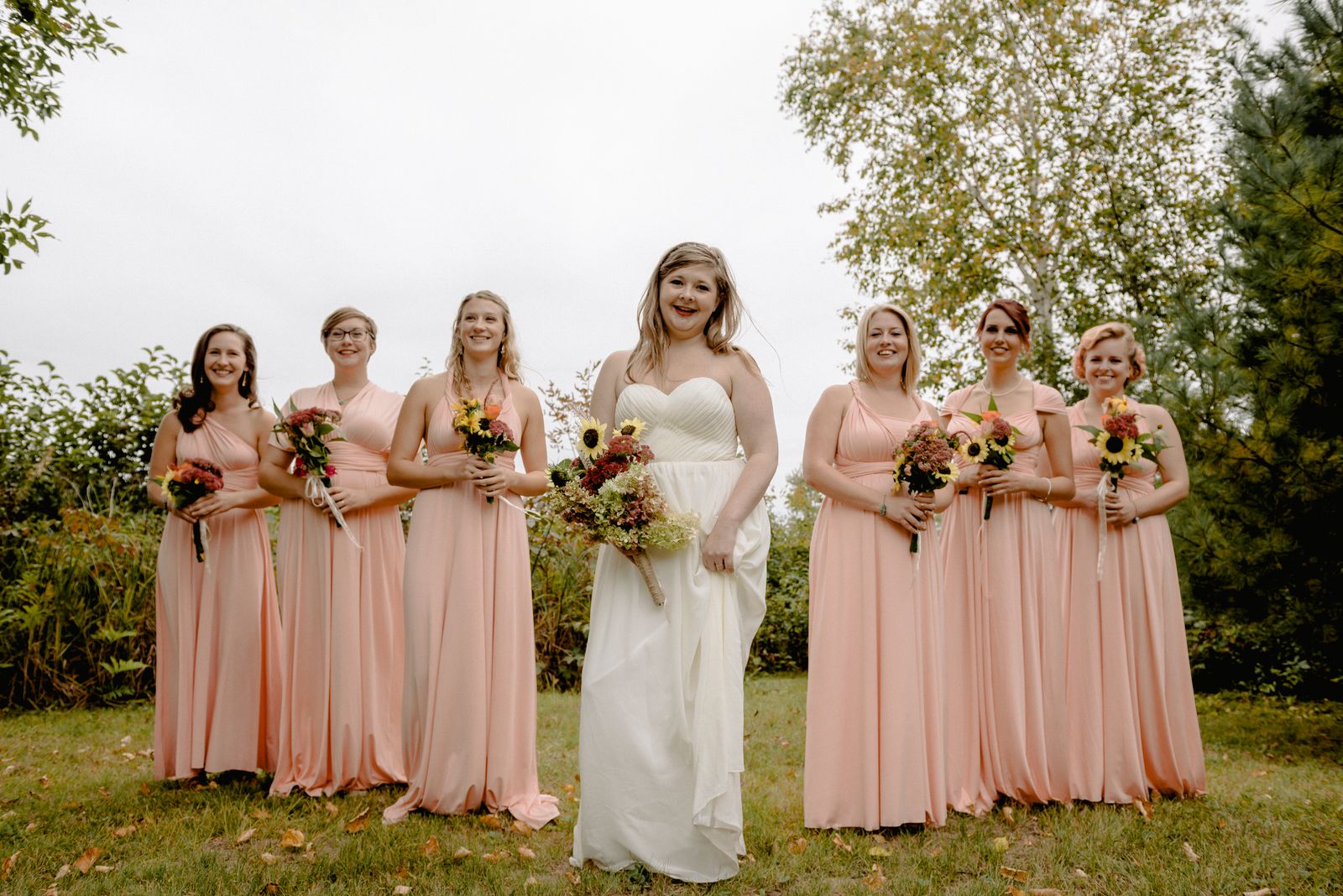
Matching bridesmaid dresses are a staple of modern weddings, but their origins are far from the fashion statement we know today. This tradition is steeped in history, with roots that trace back to ancient times when weddings were as much about protection as celebration. From warding off evil spirits to confusing potential threats, the reasons behind this practice are as intriguing as they are unusual.
While today’s bridesmaids might grumble about unflattering dress choices, they may not realize how this tradition began with intentions far beyond style. Here are 10 weird facts about the history and purpose of matching bridesmaid dresses.
10. Ancient Roman Origins
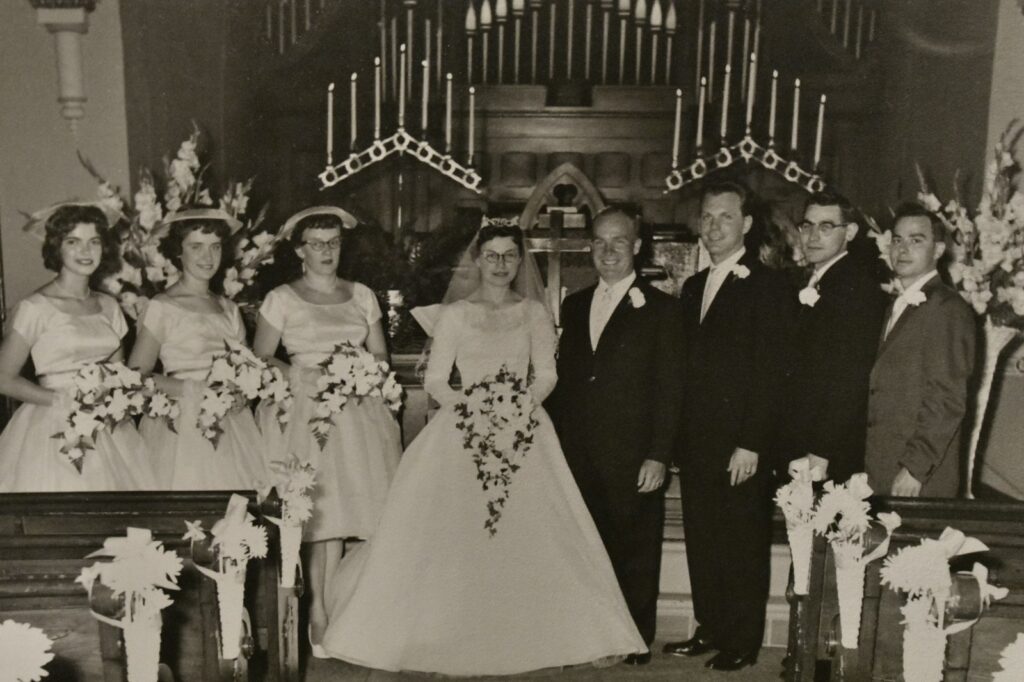
The concept of bridesmaids dates back to Ancient Rome, where legal requirements dictated that ten witnesses be present at a wedding. These witnesses formed what we now recognize as the bridal party.
This early form of bridesmaids set the stage for the role they play today, although their purpose was more about fulfilling legal obligations than supporting the bride.
9. Biblical References
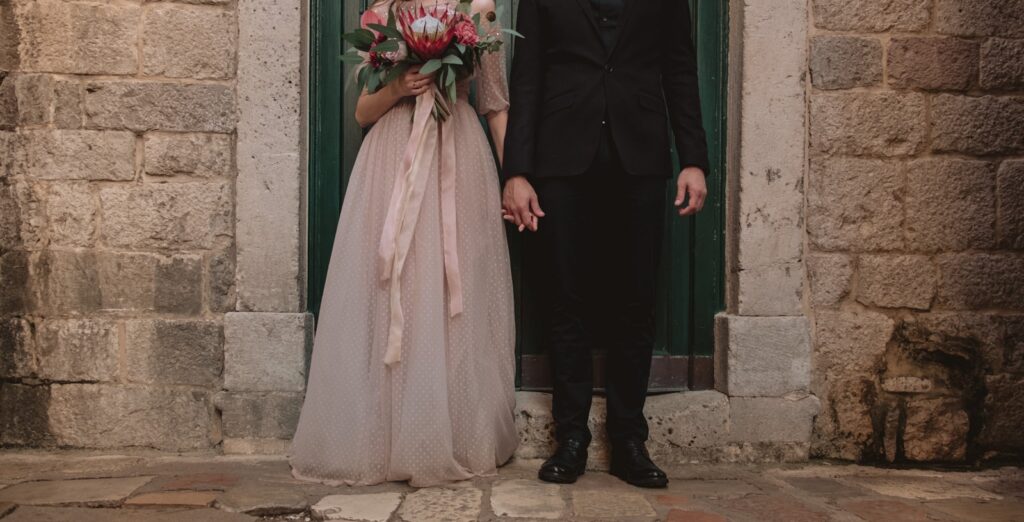
The Bible also mentions bridesmaids, specifically in the stories of Leah and Rachel, where maids accompanied them during their marriages.
This suggests that the tradition of having a supportive entourage at weddings has been valued across different cultures and eras.
8. Decoys for Protection
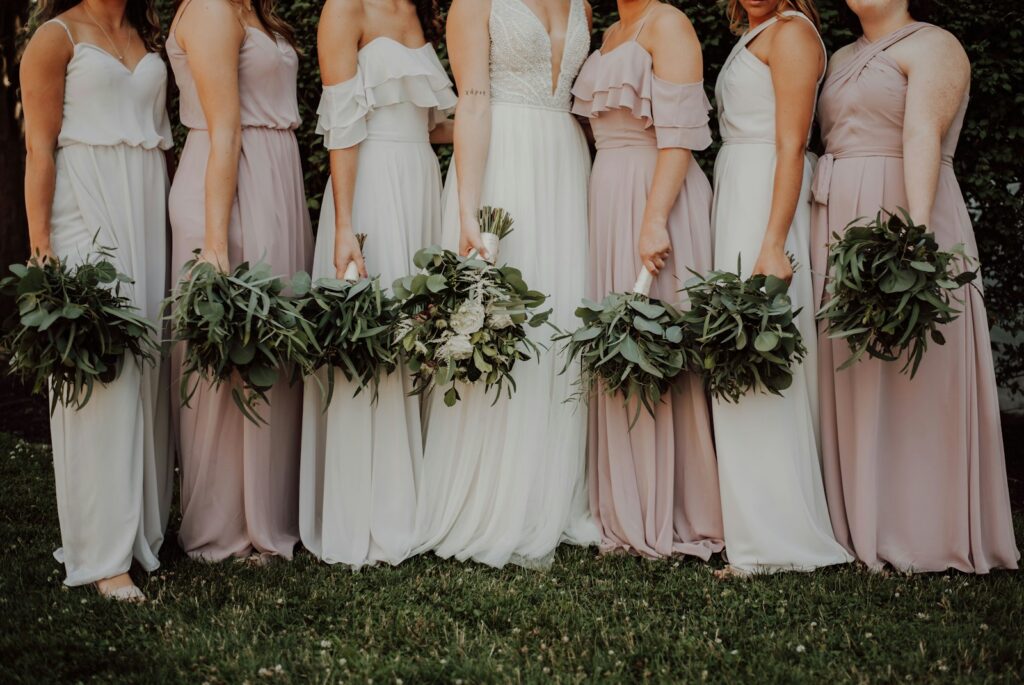
In ancient times, bridesmaids dressed identically to the bride to act as decoys against threats. This practice aimed to confuse potential kidnappers and thieves targeting the bride.
By blending in with the bridal party, the bride was less likely to be singled out, providing an extra layer of protection during the ceremony.
7. Supernatural Safeguards
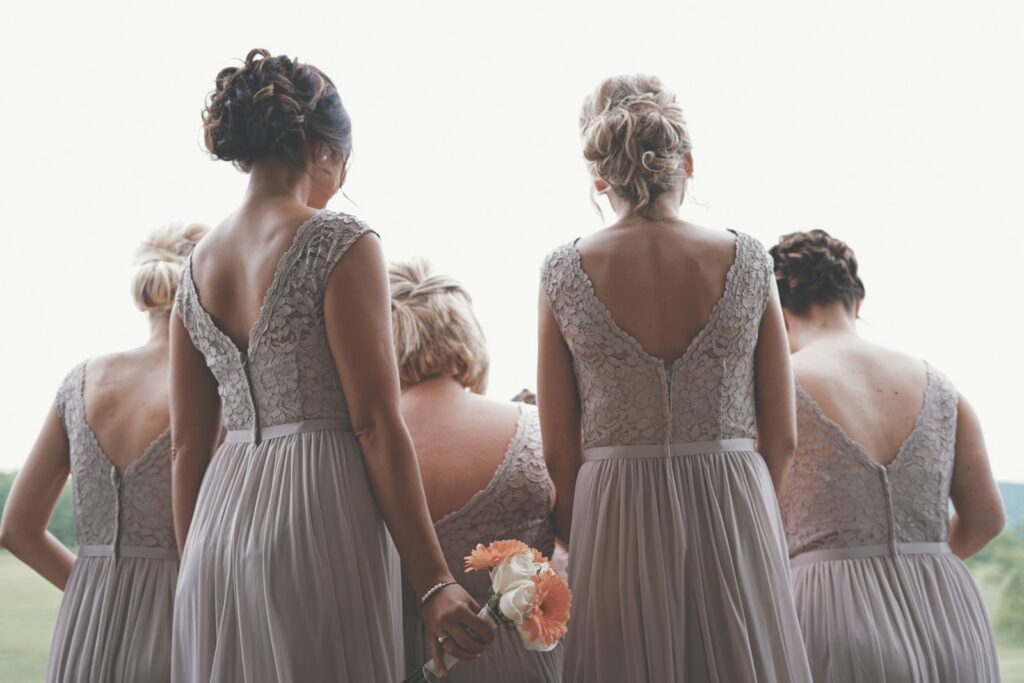
Beyond physical threats, matching dresses were also believed to protect against evil spirits. In some cultures, it was thought that these spirits could bring curses or misfortune to the bride.
By having all women dressed the same, it was hoped that malicious entities would be confused and unable to identify the true bride.
6. The Maid of Honor’s Role
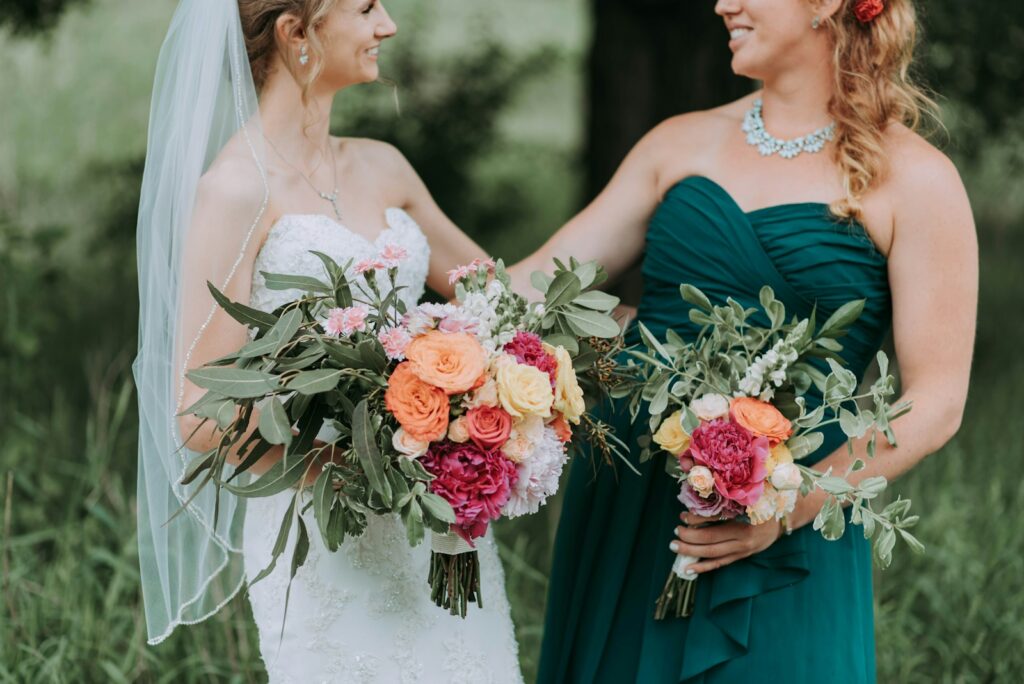
The maid of honor has historically been a vital part of the bridal party, responsible for organizing and supporting the bride.
In the past, her duties extended to safeguarding the bride’s dowry, highlighting the trust and responsibility placed on her shoulders.
5. Fashion Takes Over
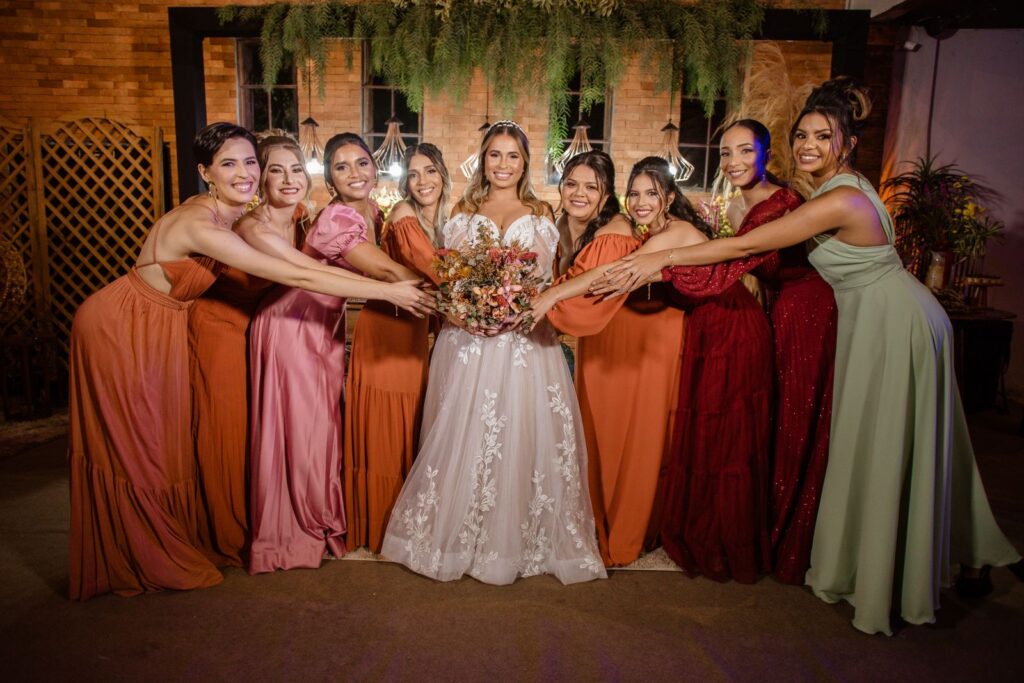
While the origins of matching dresses were rooted in protection, over time, fashion trends began to influence the style and color choices for bridesmaids.
Today, the focus is more on aesthetic unity and complementing the wedding theme than on warding off threats.
4. White Dresses and Status
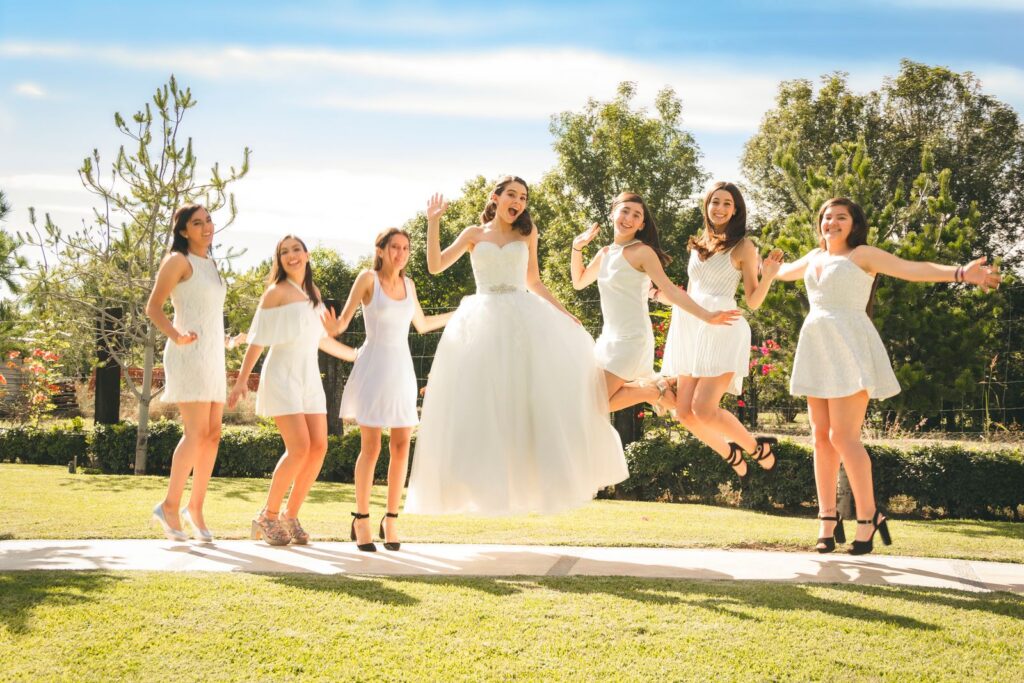
The color white became synonymous with weddings in the 18th century, symbolizing purity and status due to its expense.
This trend eventually influenced bridesmaid attire, although they no longer wore white to avoid overshadowing the bride.
3. A Challenge in Uniformity
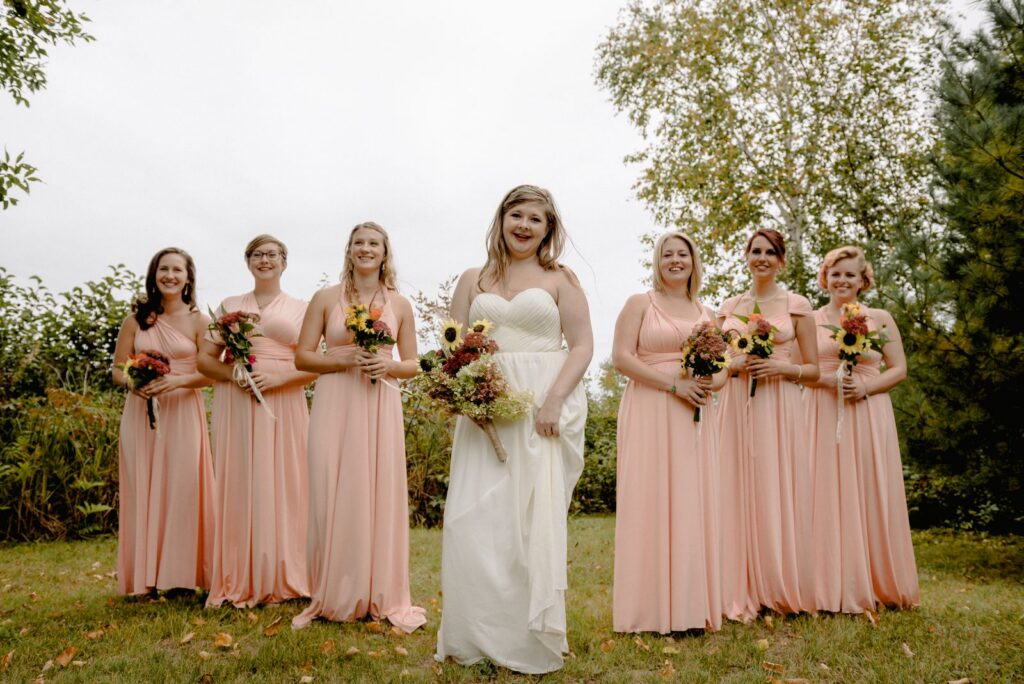
Finding a single dress style and color that flatters all bridesmaids is a modern challenge that echoes the historical need for uniformity.
This quest for matching attire continues to be a significant part of wedding planning today, though for different reasons than in the past.
2. The Evolution of Bridesmaid Roles
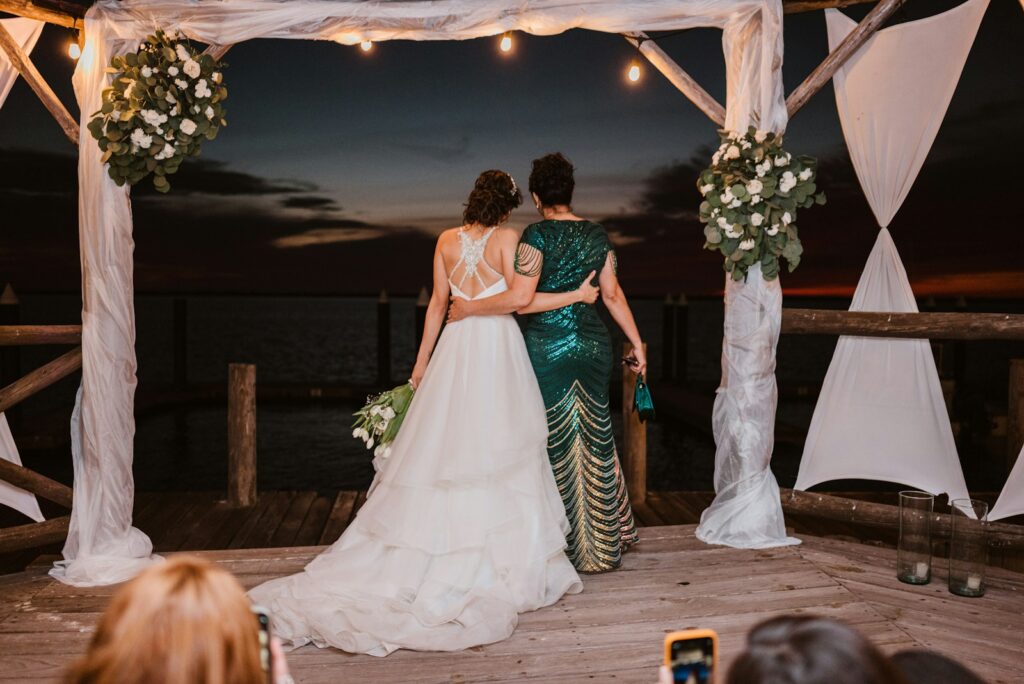
Bridesmaids have always been integral to weddings, but their roles have evolved from protectors to supportive friends and organizers.
This shift highlights the changing nature of weddings from practical and protective to more celebratory and personal.
1. From Safety to Style
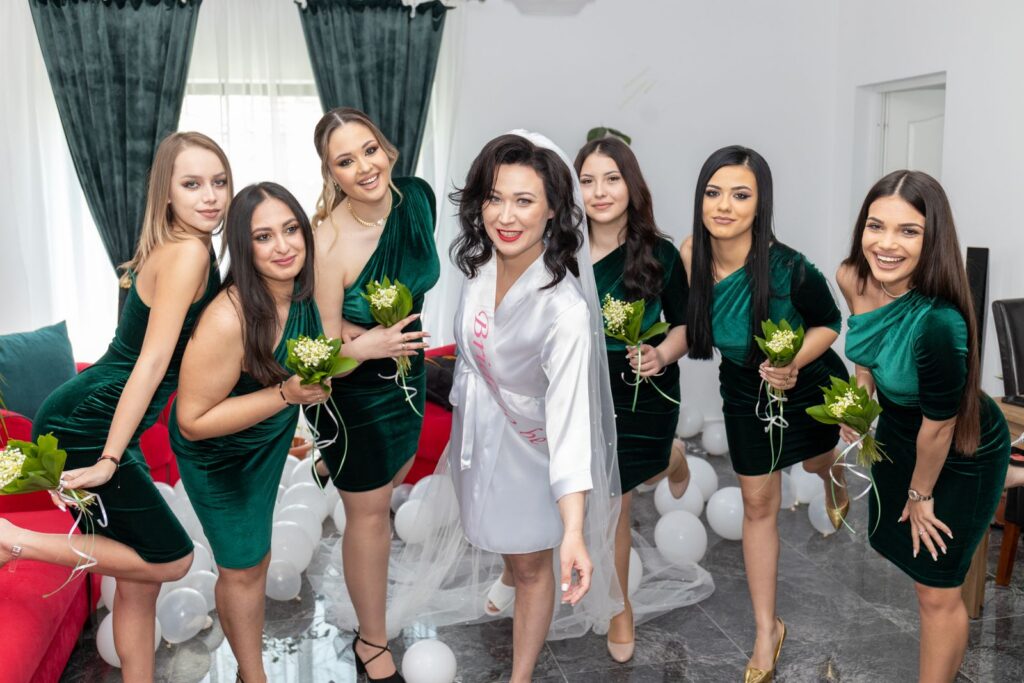
Ultimately, the tradition of matching bridesmaid dresses has transformed from a safety measure to a fashion choice.
While the reasons have changed over the centuries, the presence of bridesmaids remains a cherished part of wedding ceremonies worldwide.
Read More:
- 10 Dream Wedding Destinations for a Truly Luxurious Celebration
- 15 Historical Etiquette Rules That Sound Absurd Today
- 10 Vintage Items That Went From Tacky to Trendy