
Today, zodiac signs are often reduced to personality traits. Aries is impatient. Gemini talks too much. Scorpio is mysterious. But the symbols themselves are far older than the stereotypes attached to them.
The Western zodiac grew from ancient observations of the sky, with important roots in Babylonian astronomy and later layers of Greek and Roman mythology. The signs represented animals, people, seasonal changes, and powerful stories long before they became descriptions of individual personalities. Here is a closer look at the older imagery behind all 12 signs.
Aries: The Ram
Before Aries became the zodiac’s impulsive daredevil, it was represented by a ram.
The sign’s older symbolism became associated with strength, fertility, leadership, and the beginning of a new seasonal cycle. In the Greek tradition, the ram was linked to the story of the Golden Fleece, giving Aries an image of rescue, courage, and a journey that begins with bold action.
Taurus: The Bull
Taurus was represented by one of the ancient world’s most powerful symbols: the bull.
Across early cultures, bulls were associated with fertility, strength, wealth, and the life-giving power of the land. Greek mythology later connected Taurus with stories involving Zeus and a great bull, but the symbol itself reaches back to much older traditions.
Gemini: The Twins
Gemini was not originally meant to represent someone with two personalities.
The sign represented a pair, most famously identified in Greek tradition as the twins Castor and Pollux. Their story centered on brotherhood, mortality, and an unbreakable bond between two beings who did not share the same fate.
Cancer: The Crab
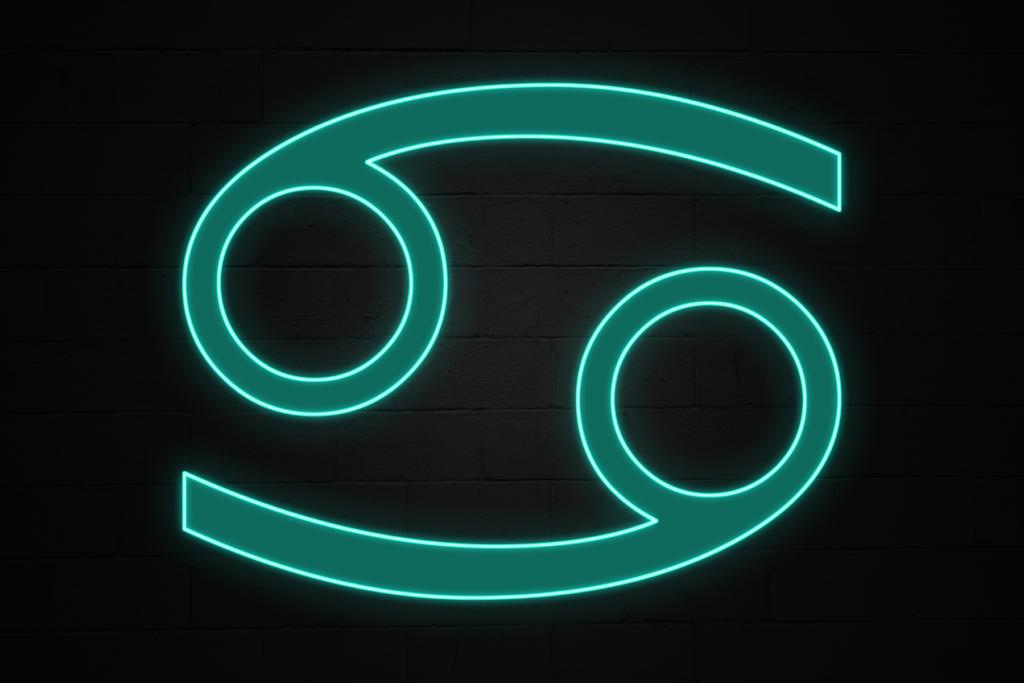
Cancer’s crab may seem like one of the zodiac’s stranger symbols.
In Greek mythology, the creature became associated with the crab sent to interfere with Heracles while he fought the Hydra. Though easily defeated, the crab was remembered in the stars, turning a small creature into a symbol of loyalty, protection, and persistence.
Leo: The Lion
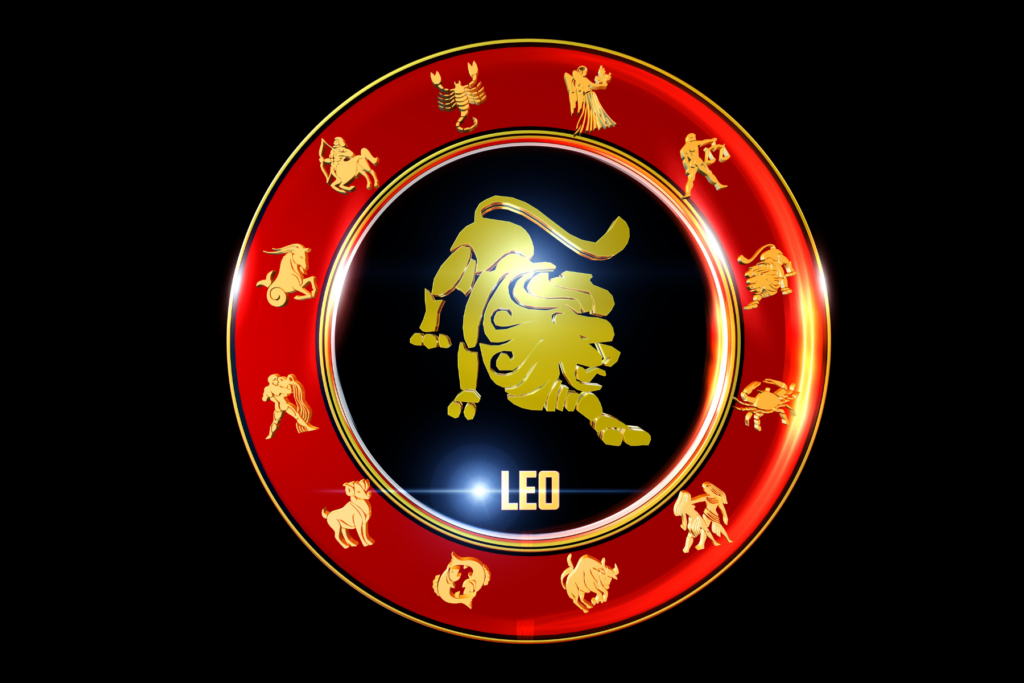
Leo represented the lion long before the sign became associated with people who love attention.
The lion was an ancient symbol of royalty, courage, power, and the dangerous force of the sun. Greek tradition later connected the constellation with the Nemean Lion, the seemingly invulnerable beast defeated by Heracles.
Virgo: The Maiden
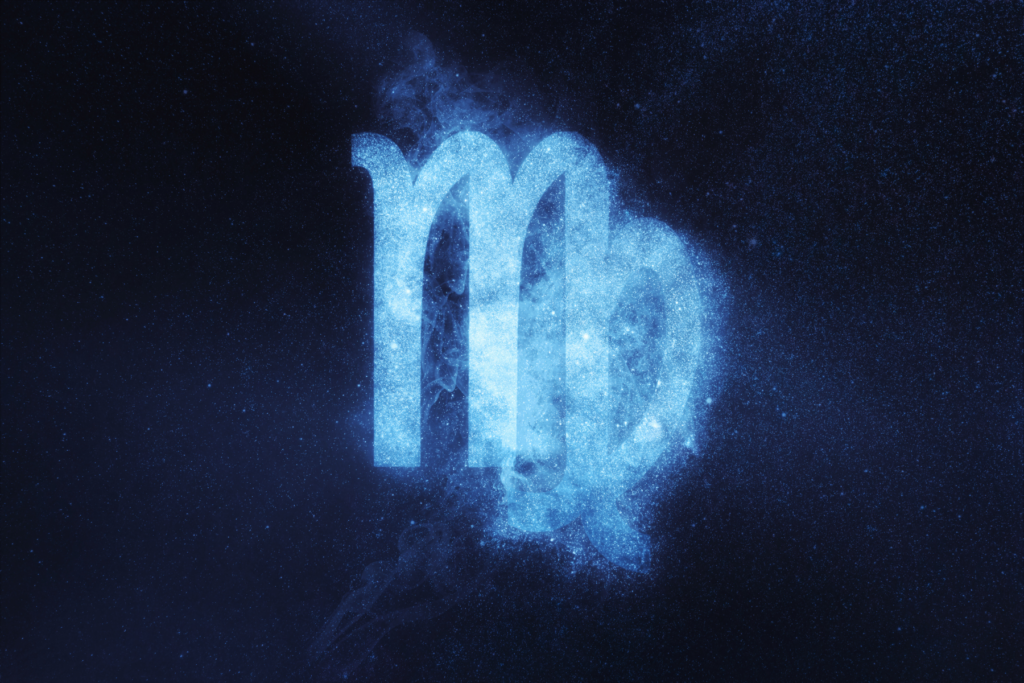
Virgo was originally represented by a maiden or young woman, but her exact identity has never been limited to one story.
She has been associated with harvest goddesses, justice figures, and other divine women across different traditions. More broadly, the image carried ideas of fertility, grain, order, and the transition from summer abundance toward the harvest.
Libra: The Scales

Libra is unusual because it is the only zodiac sign represented by an inanimate object.
The scales symbolized balance, measurement, fairness, and judgment. They were also linked with the autumnal equinox, when day and night appeared roughly balanced, giving the image a connection to both the heavens and the changing season.
Scorpio: The Scorpion
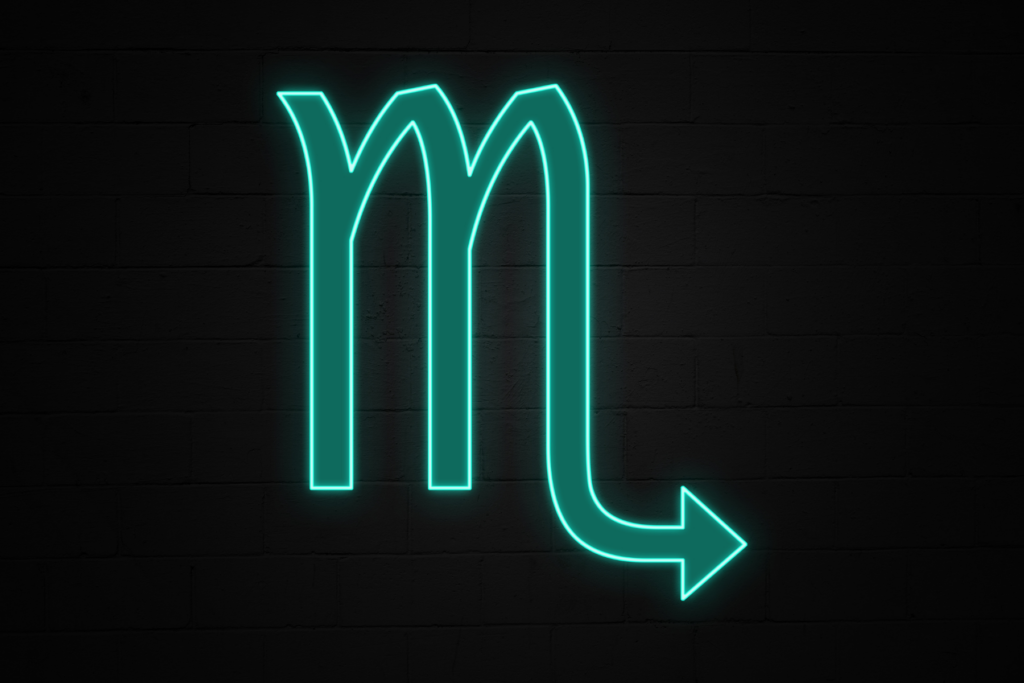
Scorpio’s reputation for danger did not begin with modern astrology.
The scorpion was already a creature associated with threat, protection, and deadly power. In Greek mythology, it became connected with the death of the great hunter Orion, whose constellation was placed on the opposite side of the sky.
Sagittarius: The Archer

Sagittarius was originally the archer, often shown as a figure drawing a bow.
Later Greek tradition frequently depicted the sign as a centaur, though its older imagery has a more complicated history. At its core, Sagittarius represented aim, direction, and the ability to send something toward a distant target.
Capricorn: The Sea-Goat
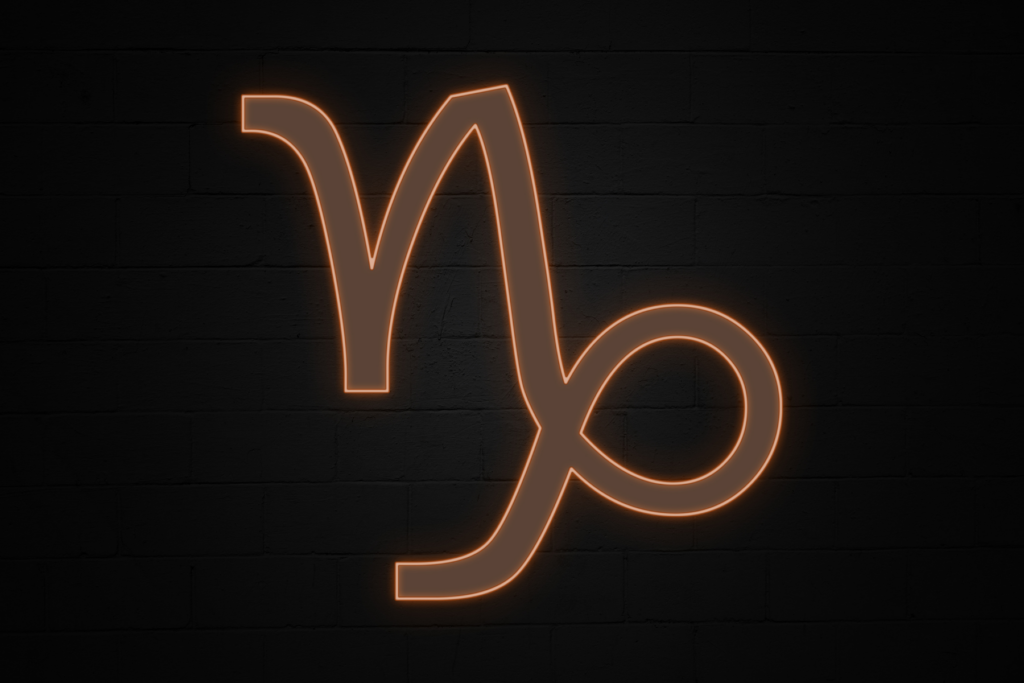
Capricorn was never simply an ordinary goat.
Its ancient symbol was a strange hybrid with the front half of a goat and the tail of a fish. The sea-goat has roots in much older Mesopotamian imagery and united two worlds: rocky heights above and mysterious waters below.
Aquarius: The Water Bearer

Despite its name, Aquarius was not originally a water sign or a symbol of the ocean.
It represented a person carrying or pouring water. In different traditions, the image became connected with rain, rivers, flooding, and the distribution of life-giving water, making the human figure more important than the liquid itself.
Pisces: The Fishes

Pisces was represented by two fish, often shown connected by a cord.
The image has ancient roots, while later Greek mythology linked the fish with a story of divine escape from a monster. The cord joining them may be the most important part of the symbol: two beings moving through a vast, uncertain realm while remaining bound together.
Read More:
- What Your Zodiac Sign Says About How You Communicate
- What Your Zodiac Sign Says About Your Fashion Sense
- The Most Misunderstood Trait of Every Zodiac Sign