‘Little House on the Prairie’ transports readers and viewers to a time when life was simpler, yet fraught with challenges. The language of the era, as depicted in Laura Ingalls Wilder’s stories, is a fascinating blend of pioneer practicality and colorful slang that has largely disappeared from our modern vocabulary.
These words capture the essence of frontier life, from the tools used to the ailments endured. Let’s explore some of the terms that were once commonplace but are now relics of a bygone era.
Here are 10 old-fashioned words from ‘Little House on the Prairie’ that you rarely hear today:
10. Windlass
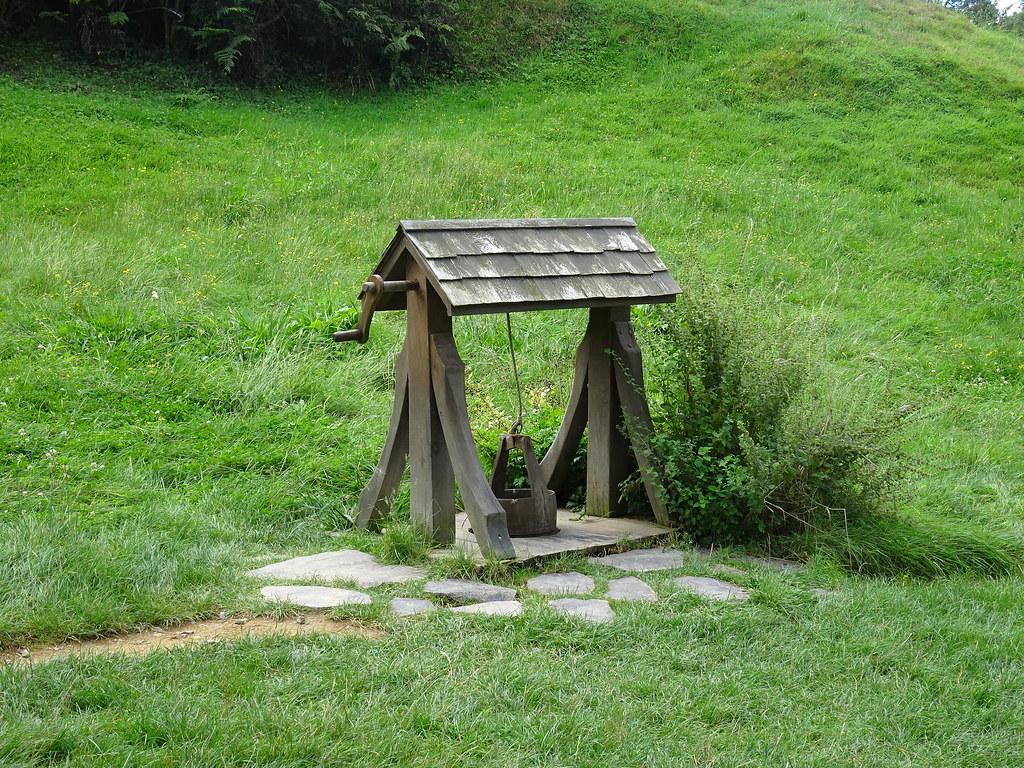
The windlass was an essential tool for well-digging on the frontier.
This contraption, consisting of a barrel and hand crank, was used to lift dirt from deep holes. Though vital during construction, it was often dismantled once the well was completed.
9. Ague
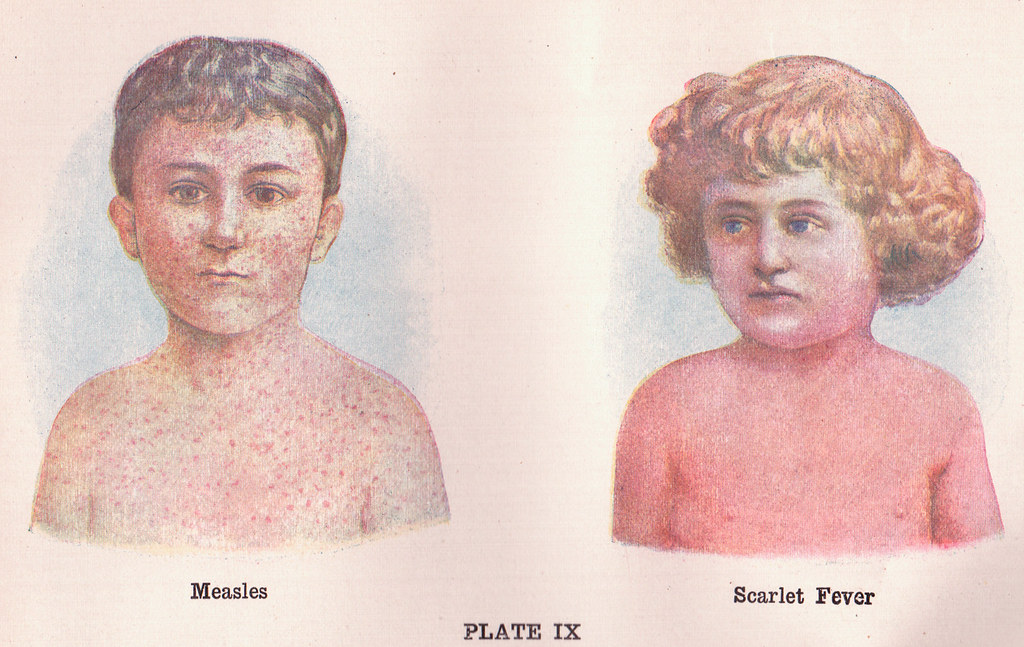
Ague was a common term for a recurring fever, often associated with malaria and marked by fever and chills.
This illness was a serious threat to pioneer families and highlighted the precariousness of frontier life.
8. Quinine
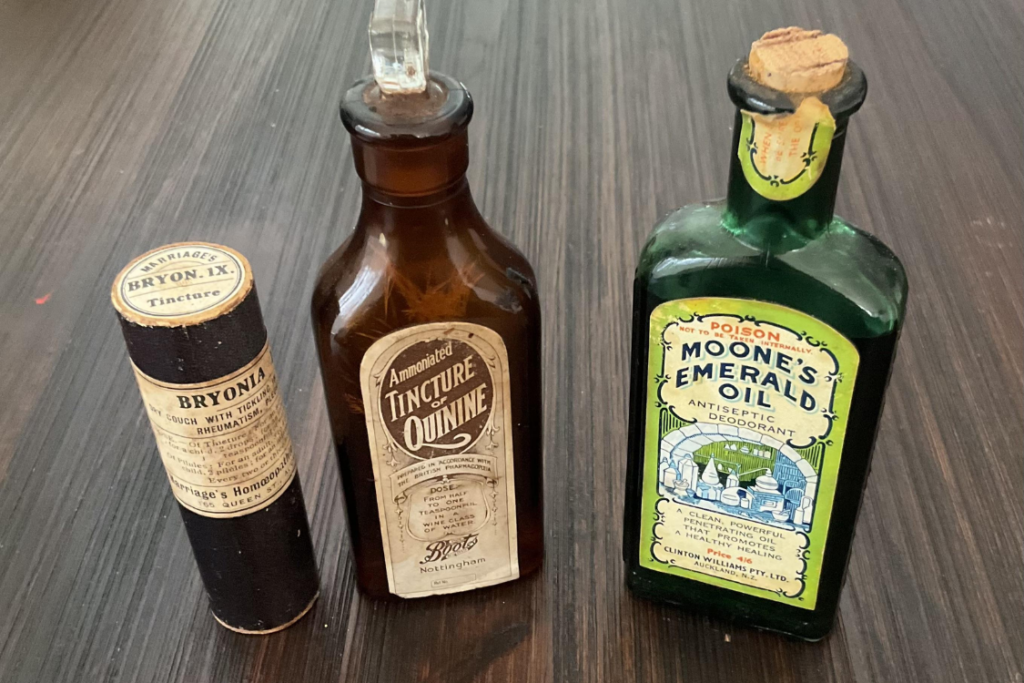
Quinine was the go-to remedy for ague, derived from cinchona bark.
This bitter medicine powder was often hard to obtain, making it a precious commodity for settlers fighting fever.
7. Spider
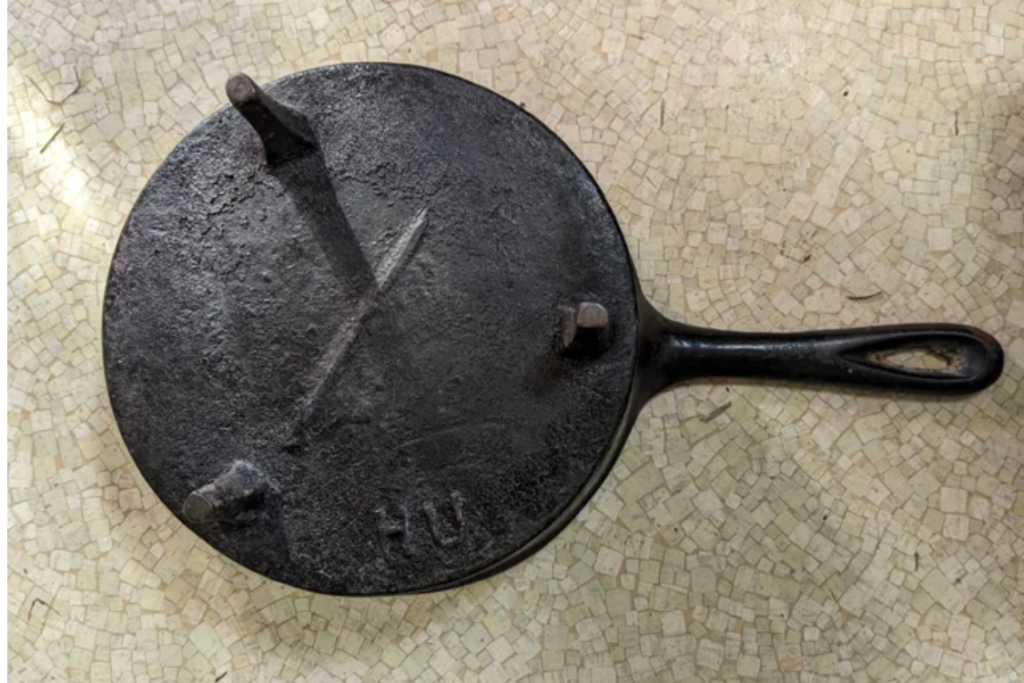
The term ‘spider’ referred to a type of cast-iron frying pan with short legs.
Unlike modern skillets, this cookware could stand among hot coals, making it ideal for hearth cooking.
6. Half-Pint
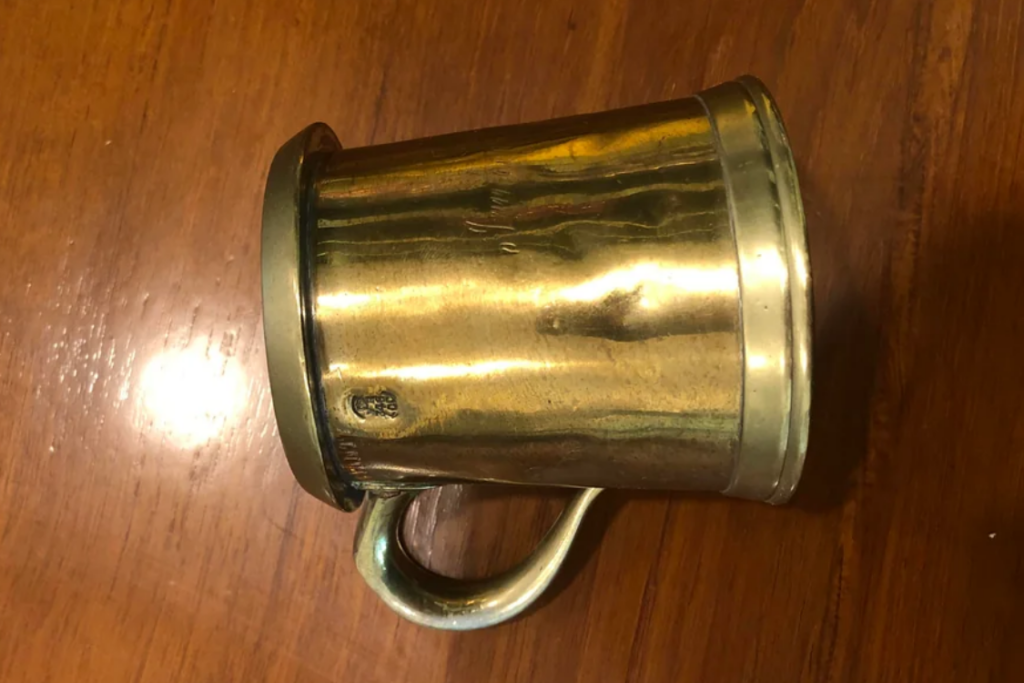
‘Half-Pint’ was an affectionate nickname for Laura Ingalls, reflecting her small stature.
Originally slang for a short person, the term became synonymous with the beloved character.
5. Jig
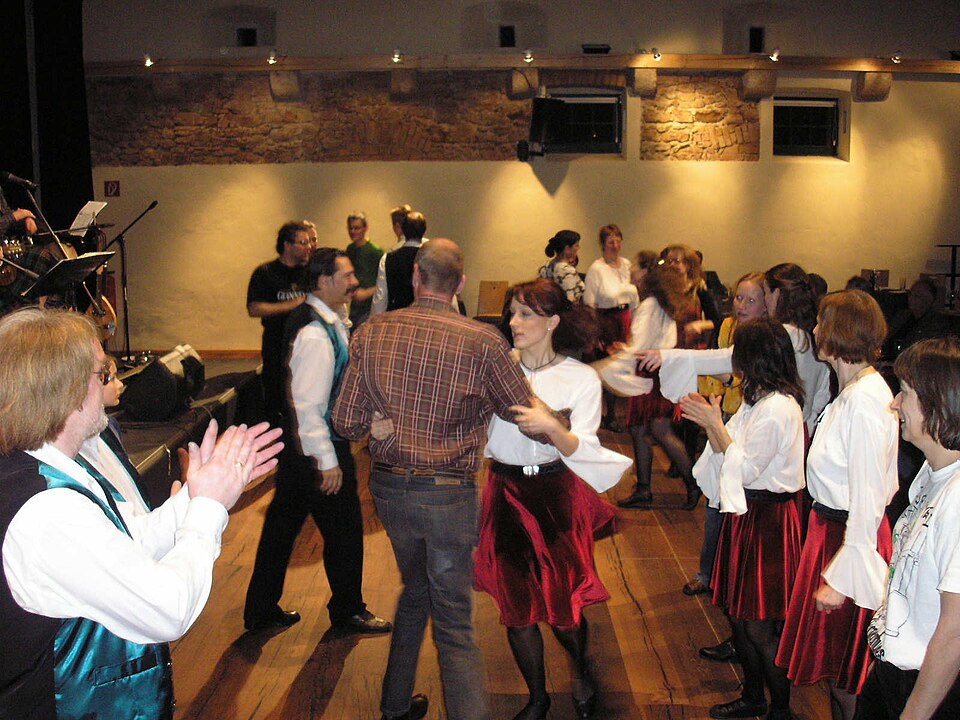
The jig was a lively dance that brought joy to frontier gatherings.
Rooted in Irish and other European traditions, it was a way for settlers to unwind and celebrate.
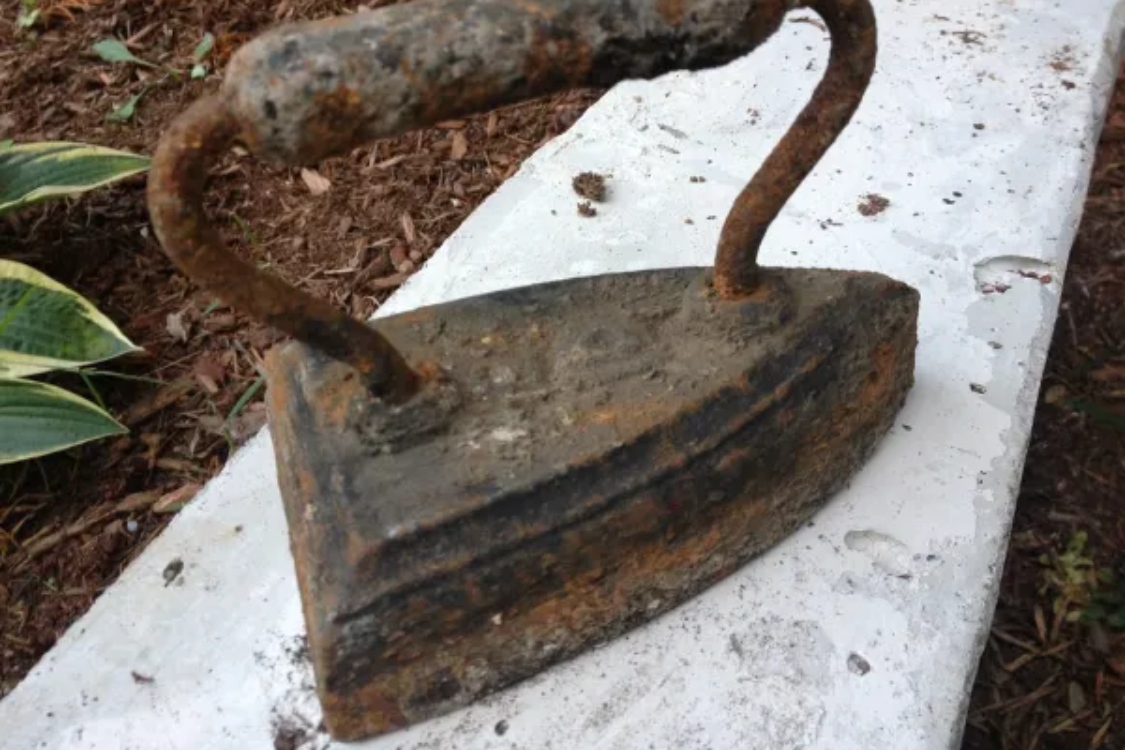
4. Sadiron
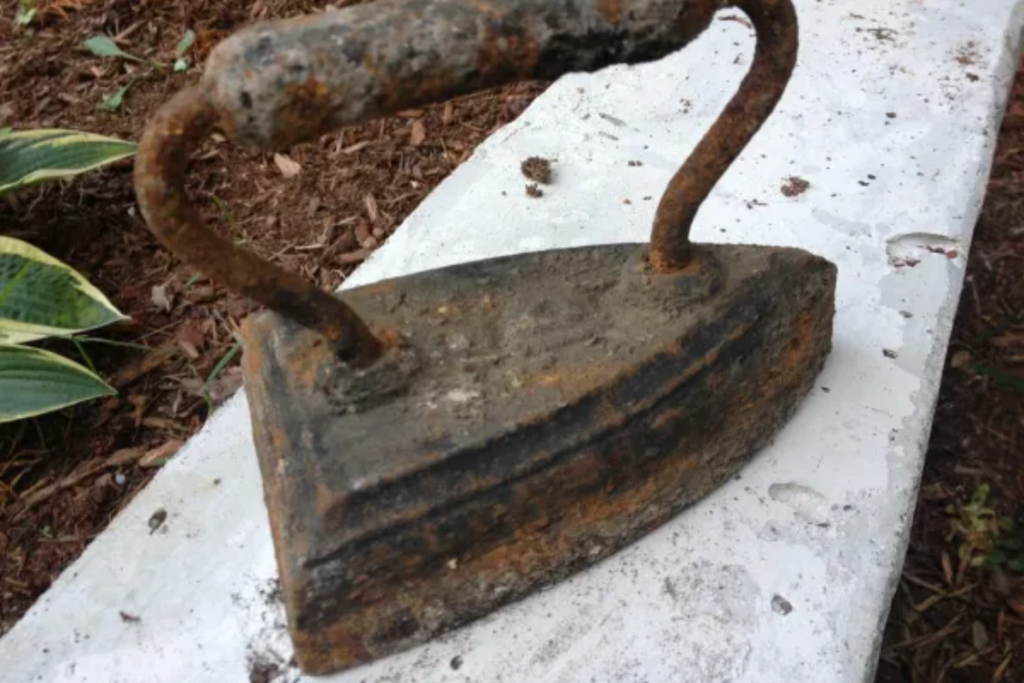
The sadiron was a heavy iron used for pressing clothes, heated on a stove or near a fire..
Without modern conveniences, pioneers relied on these to keep garments neat.
3. Puncheon
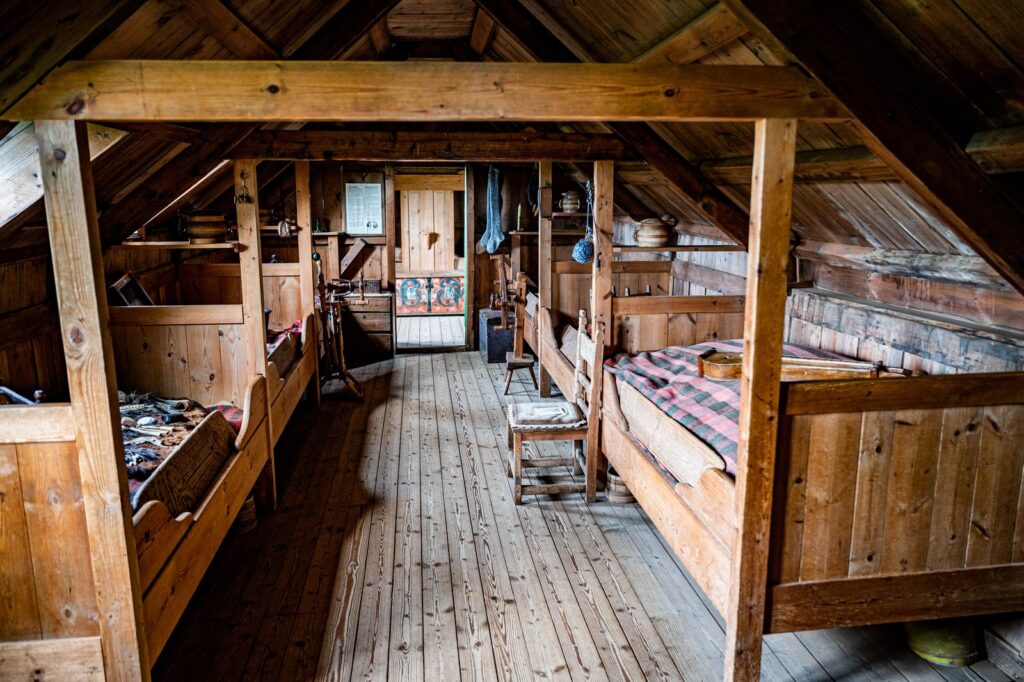
Puncheon referred to split logs or roughly hewn slabs used to make floors in frontier cabins.
These rough-hewn floors were a far cry from the smooth flooring we enjoy today.
2. Skep
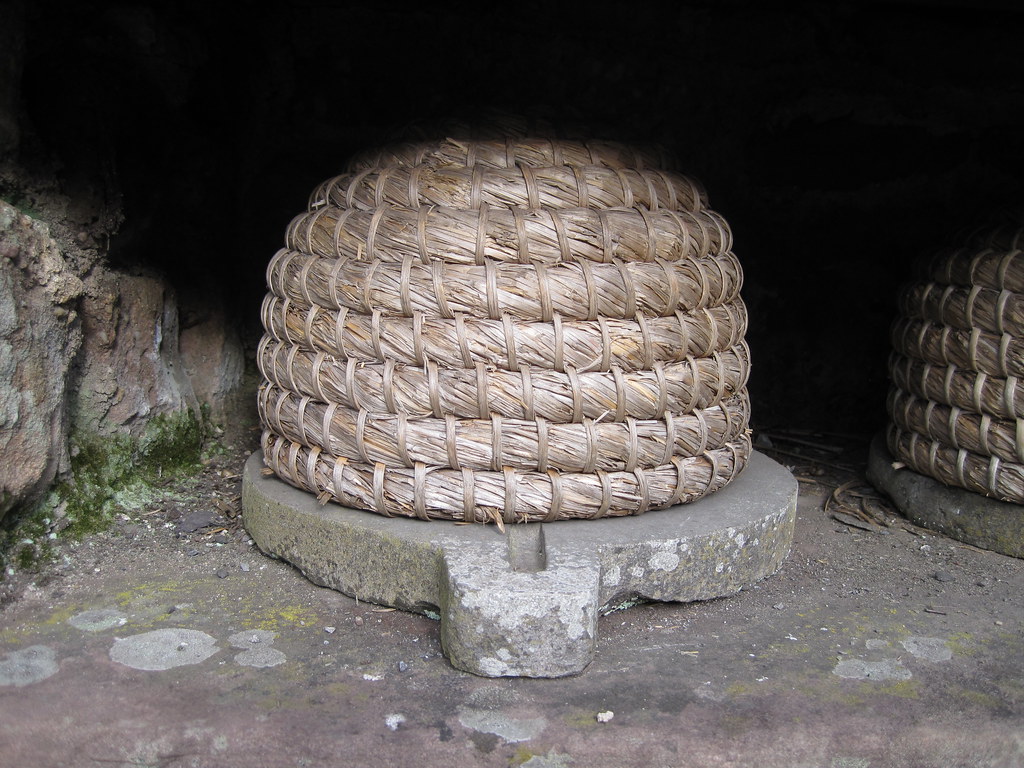
A skep is a type of beehive traditionally woven from straw or similar materials.
These hives supported honey production, providing a valuable sweetener for many households.
1. Tallow
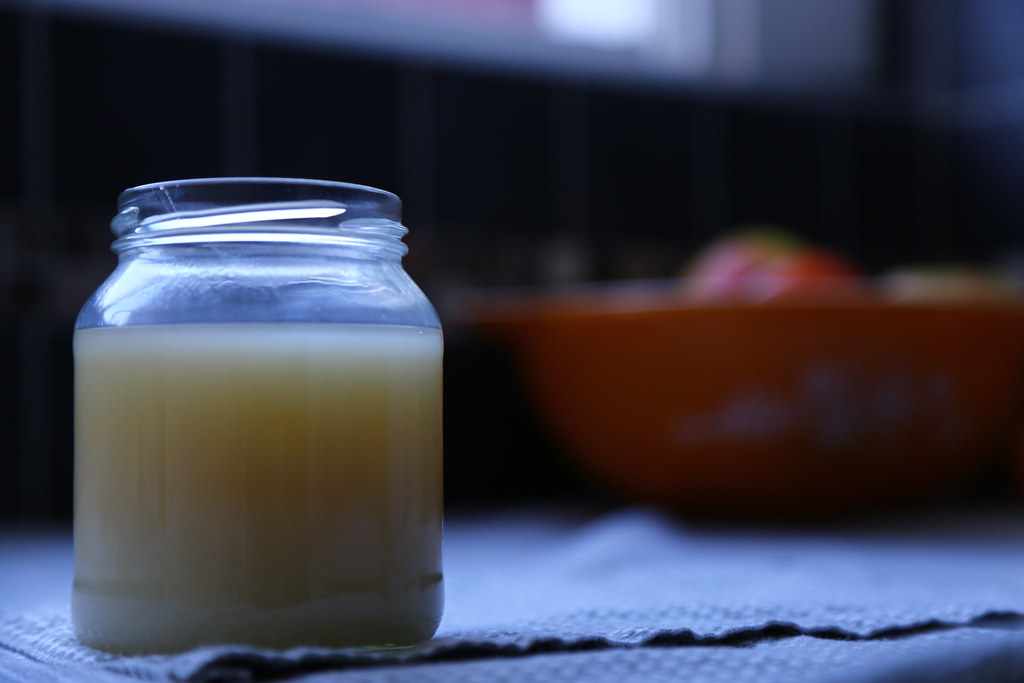
Tallow, rendered animal fat, was a staple for making candles and soap.
This versatile substance was indispensable for lighting and hygiene in the absence of modern products.
Read More:
- 10 Greek Mythology Words You Use Every Day
- 10 Victorian Mourning Traditions That Feel Almost Unbelievable
- 10 Victorian Etiquette Rules That Sound Completely Exhausting