The Victorians loved rules. There seemed to be proper ways to introduce yourself, host a dinner, write a letter, visit a friend, and even leave someone else’s house.
Good manners were seen as a reflection of character and social standing, but keeping up with every expectation could feel like a full-time job. Here are 10 Victorian etiquette rules that sound completely exhausting today.
10. Never Arrive Too Early…or Too Late
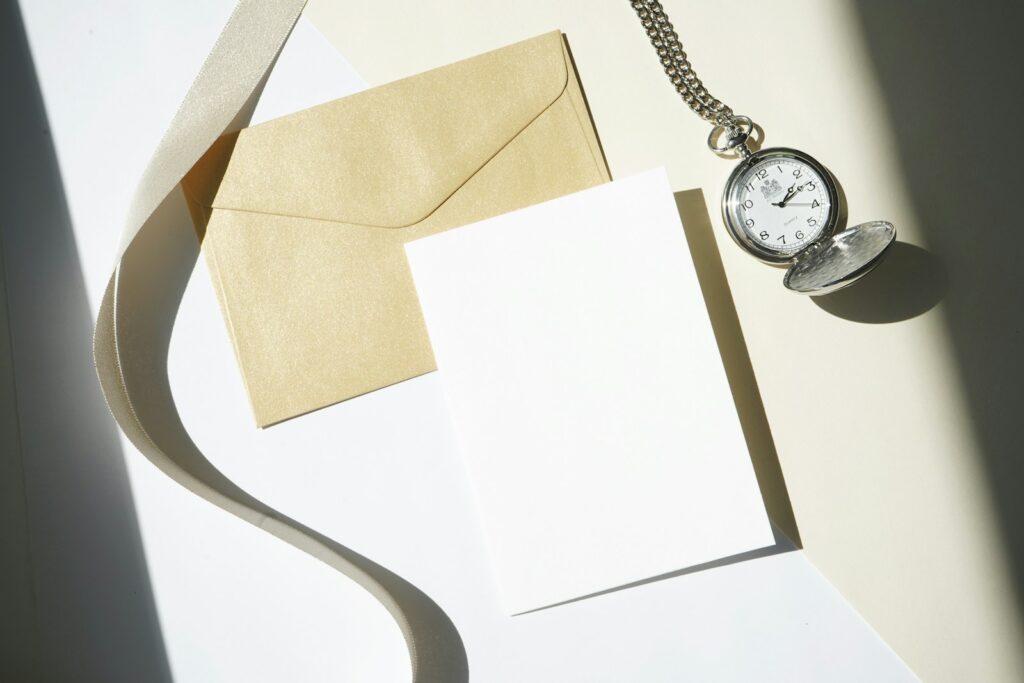
Being punctual mattered, but arriving too early could be just as rude as arriving late.
Hosts were expected to be finishing their preparations, so guests were encouraged to arrive within the accepted window rather than well ahead of schedule.
9. Leave Calling Cards Instead of Dropping In
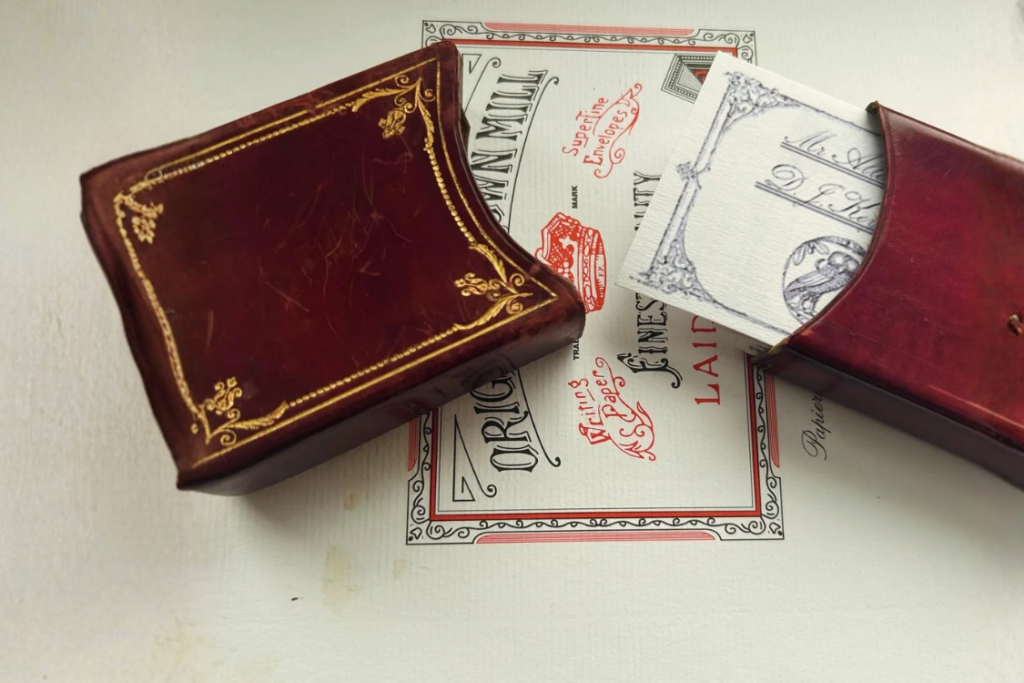
Social visits followed surprisingly formal rules.
Rather than expecting someone to be available, visitors often left a calling card to announce they had stopped by. The homeowner could then decide whether and when to return the visit.
8. Learn the Language of Formal Introductions
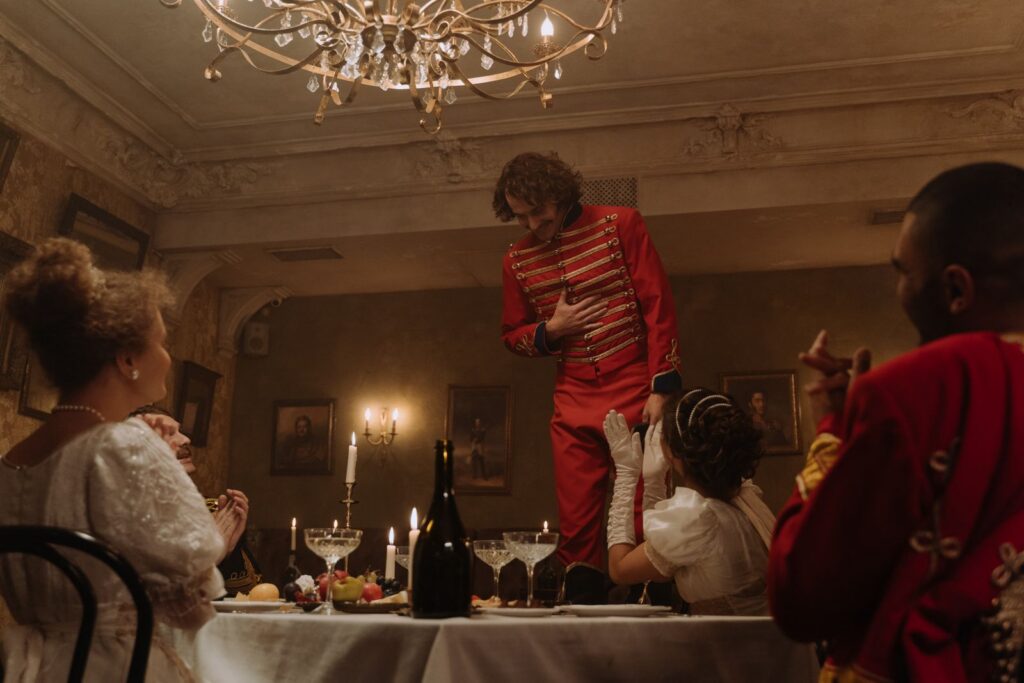
You couldn’t simply walk up and introduce yourself.
Proper introductions often required a mutual acquaintance, especially in middle and upper-class polite society. Being introduced by the right person carried an important social meaning.
7. Write Thank-You Letters Promptly
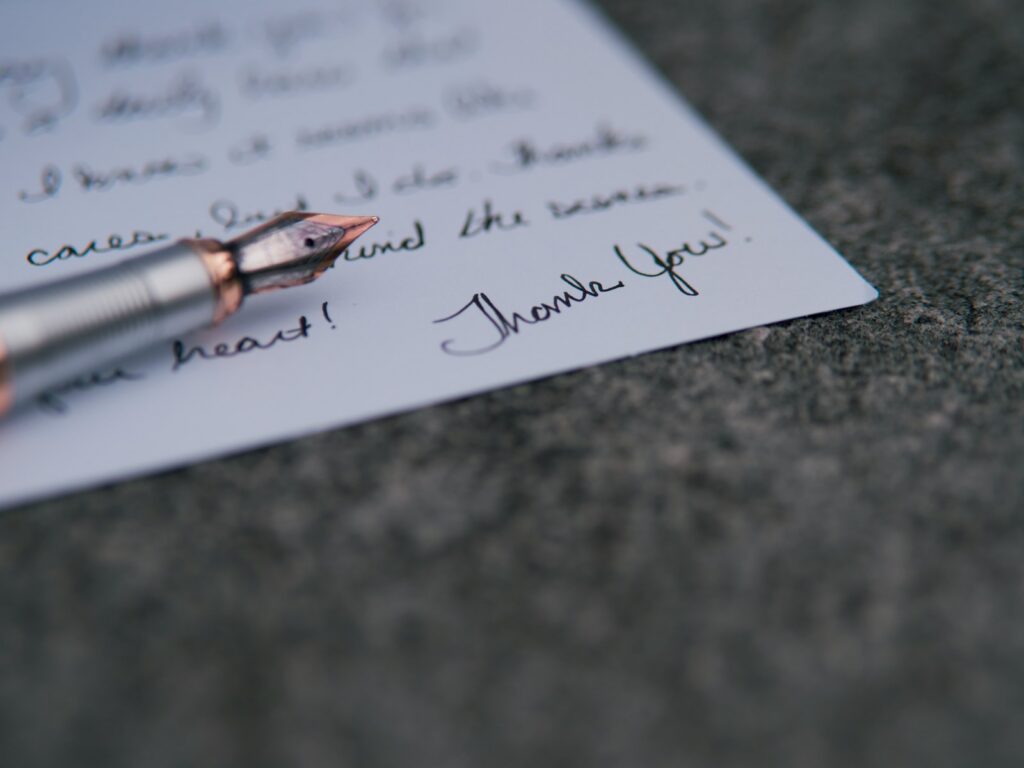
Victorian correspondence was taken seriously.
Thank-you notes, condolences, invitations, and replies all had expected formats and timelines. Ignoring a letter or responding too casually could be seen as poor breeding.
6. Dress for Nearly Every Occasion
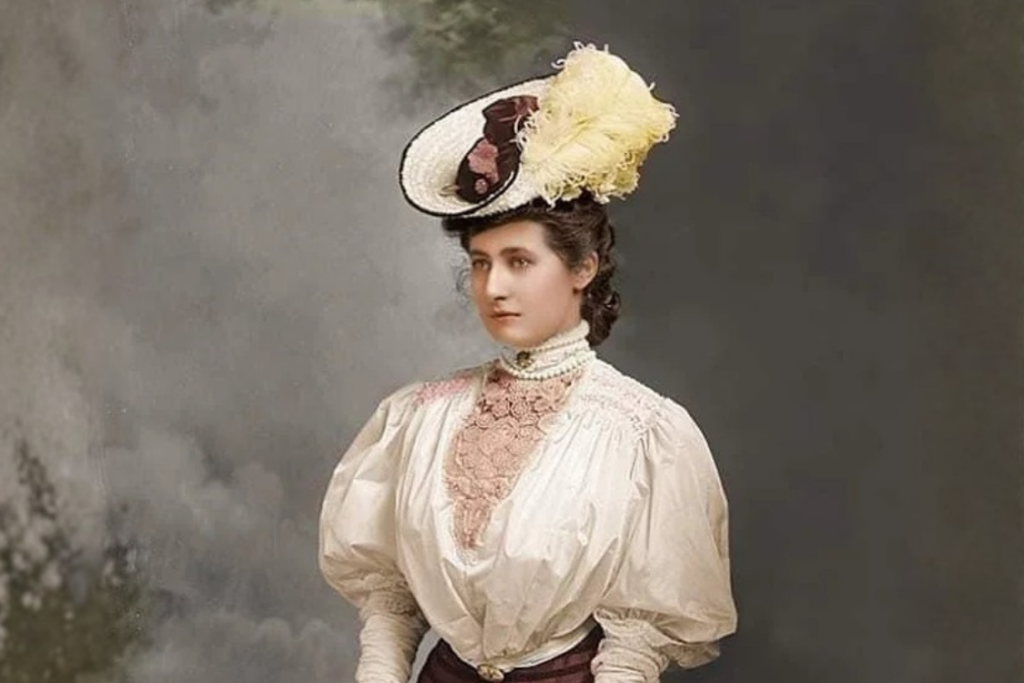
Changing clothes throughout the day wasn’t unusual among wealthier and prominent Victorians.
Morning dresses, afternoon attire, dinner clothing, evening wear, mourning clothes, and traveling outfits all had their place. Wearing the wrong outfit at the wrong time could raise eyebrows.
5. Know Exactly How to Behave at Dinner
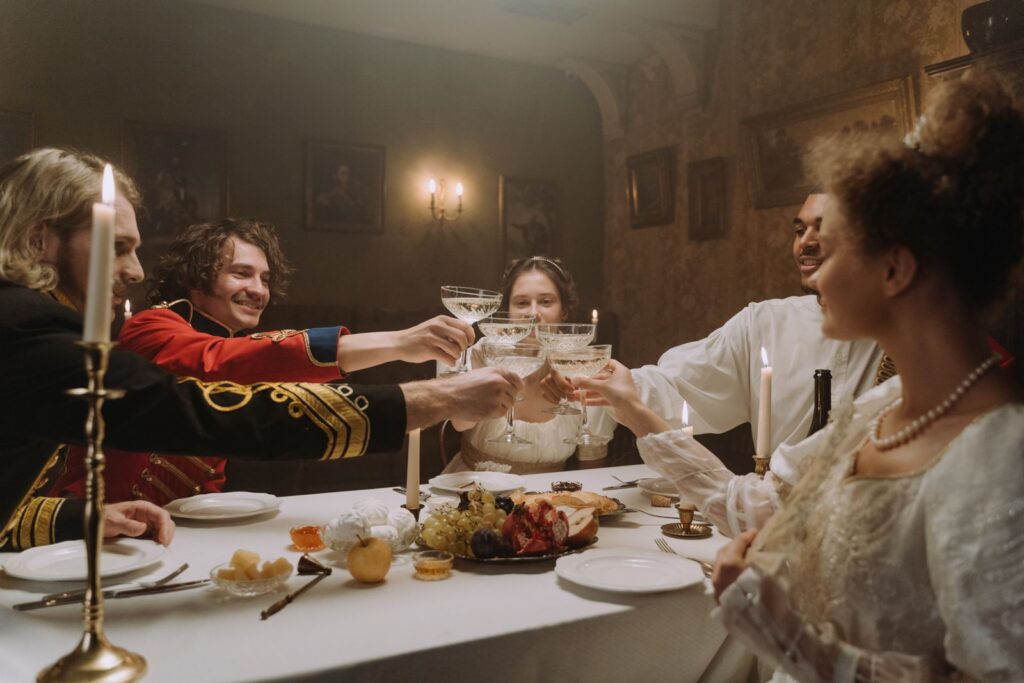
Formal dinners came with an impressive number of expected rules.
From using the correct utensils to knowing when to begin eating and how to participate in conversation, guests were expected to navigate the meal with confidence and restraint.
4. Make Social Calls at the Right Time
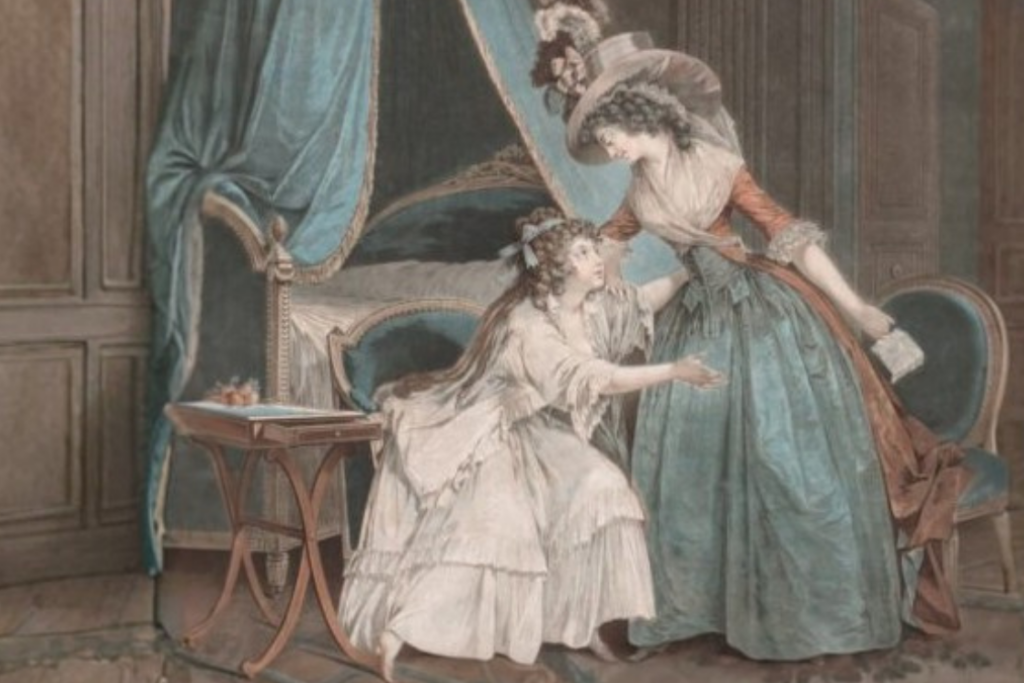
Even visiting friends had a schedule.
Etiquette manuals often recommended specific hours for making calls, and staying too long could quickly become impolite. Good guests knew when it was time to leave.
3. Keep Strong Emotions Under Control
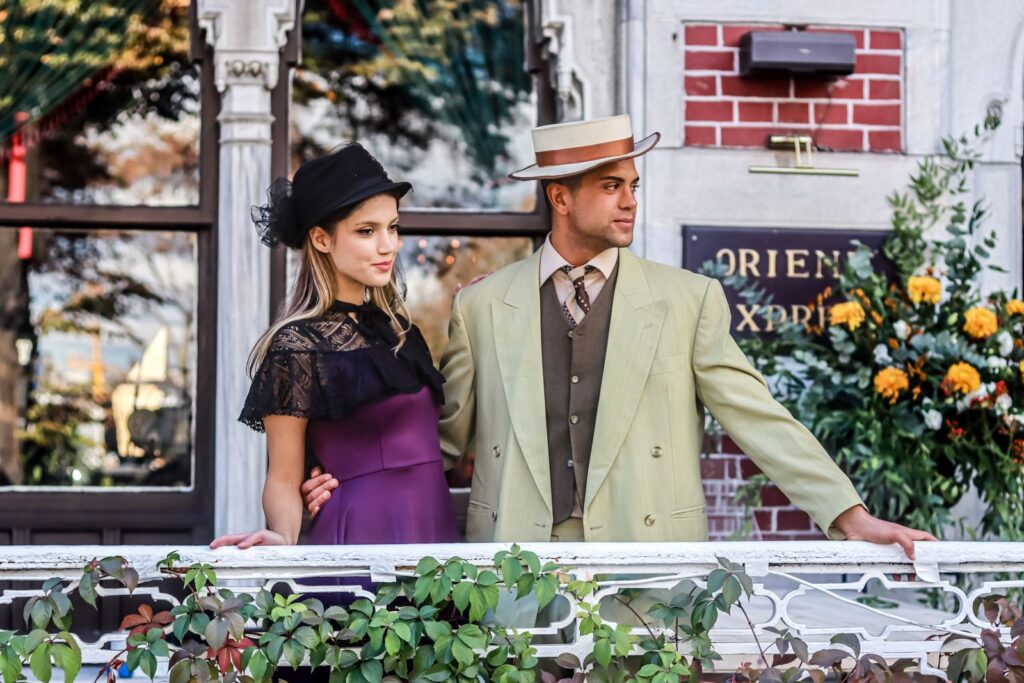
Public displays of anger, excitement, or excessive emotion were generally discouraged in polite society.
Composure and self-control were considered signs of refinement, even during stressful or emotional situations.
2. Master the Art of Proper Conversation
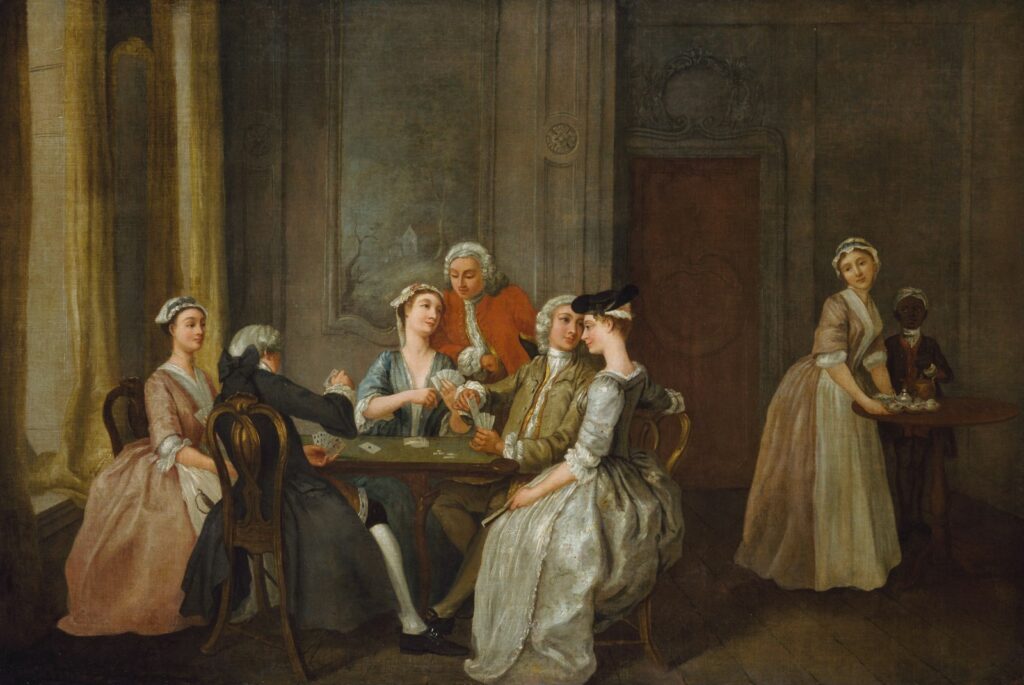
Conversation itself had rules.
Guests were expected to avoid overly personal questions, controversial subjects, gossip, and dominating the discussion. The goal was to make everyone feel comfortable, not to win an argument.
1. Remember Hundreds of Tiny Social Expectations
Perhaps the most exhausting part of Victorian etiquette wasn’t any single rule.
It was the sheer number of them. From how to address a letter to how long to stay at a dinner party, polite society expected people to know countless formal and informal customs. For many Victorians, good manners weren’t simply appreciated. They were considered an essential part of everyday life.
Read More:
- The 10 Deadliest Beauty Trends in History
- 15 Historical Etiquette Rules That Sound Absurd Today
- The Strange Reason Men Used to Wear Hats Everywhere