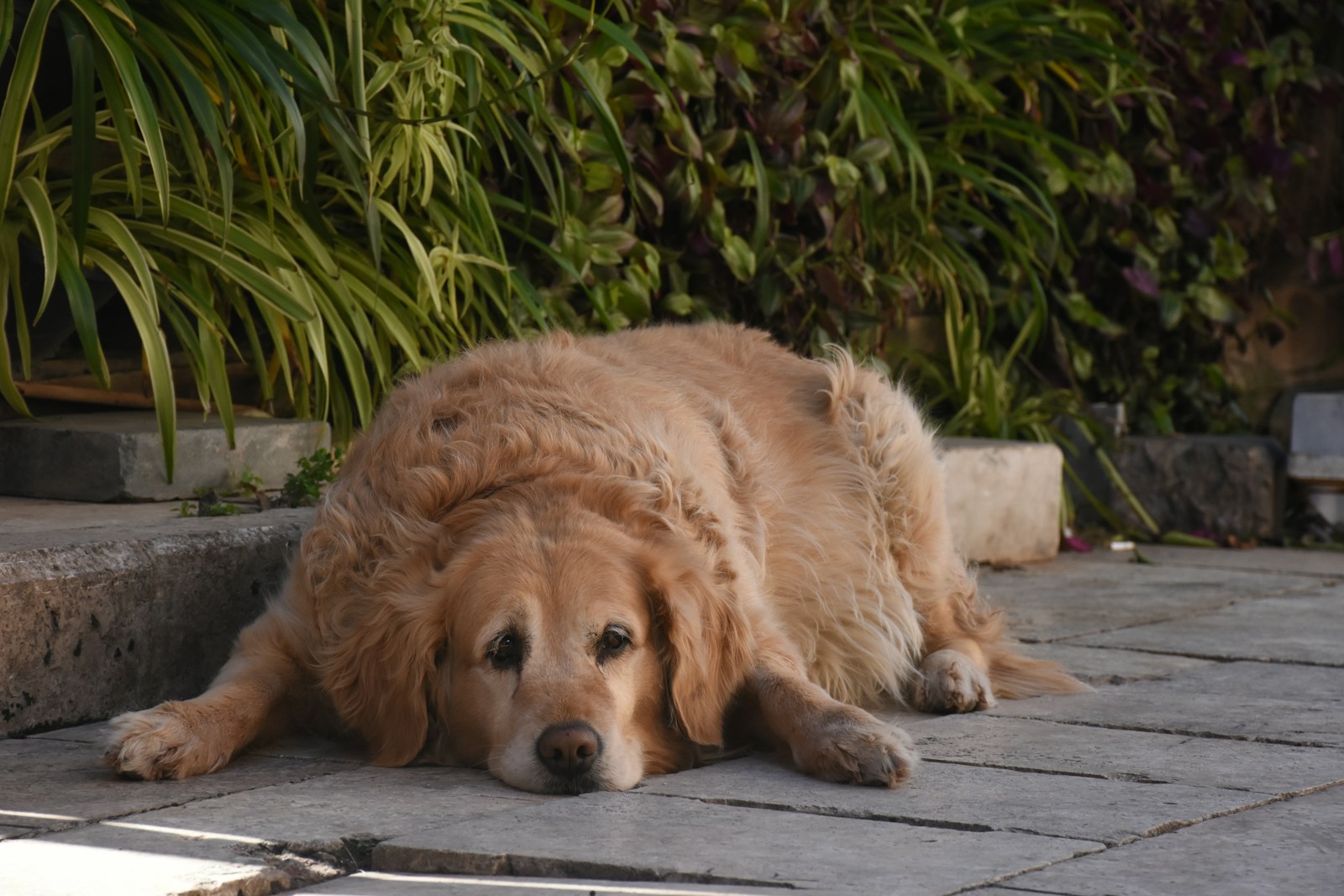
It’s easy to show our pets love with an extra treat or a second helping at dinner. But over time, even a few additional calories each day can lead to unwanted weight gain and health problems.
Because pets come in so many shapes and sizes, the signs of overfeeding aren’t always obvious. Here are 10 clues it may be time to take a closer look at your pet’s diet.
10. You Can’t Easily Feel Their Ribs
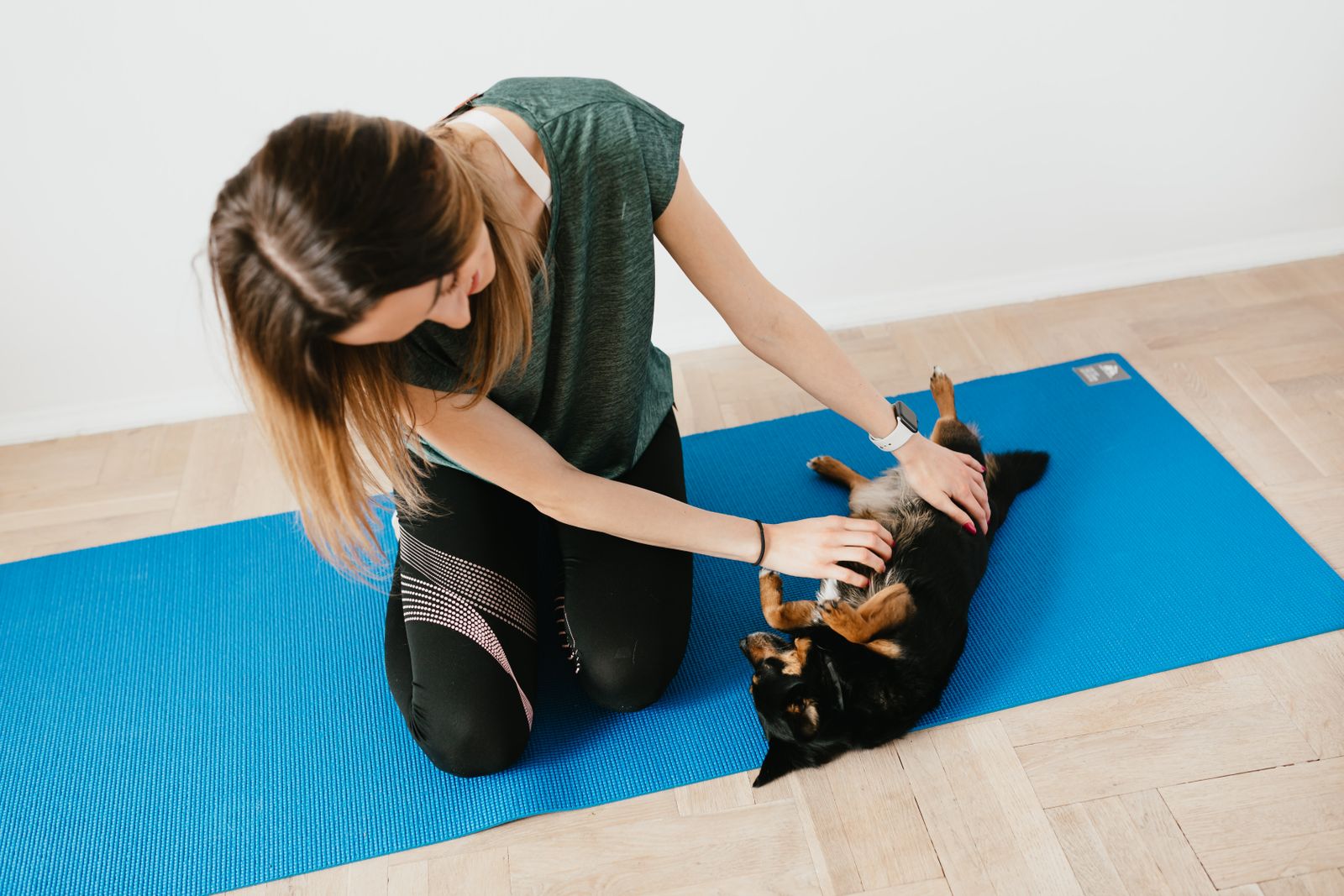
One of the simplest ways to assess your pet’s body condition is by gently feeling their ribs.
You should be able to feel them beneath a thin layer of fat without pressing hard. If the ribs are difficult to find, your pet may be carrying extra weight.
9. Their Waist Has Disappeared

Looking down from above, most healthy dogs and cats have a visible waist behind the ribs.
If your pet’s body looks more oval than hourglass-shaped, it may be a sign they’re eating more calories than they’re burning.
8. They Tire Out More Quickly

Extra weight can make everyday activities more difficult.
If your dog seems less interested in walks or your cat stops jumping to favorite perches, excess weight could be one contributing factor. Of course, reduced energy or mobility should also be discussed with your veterinarian.
7. Treats Have Become Part of Every Interaction
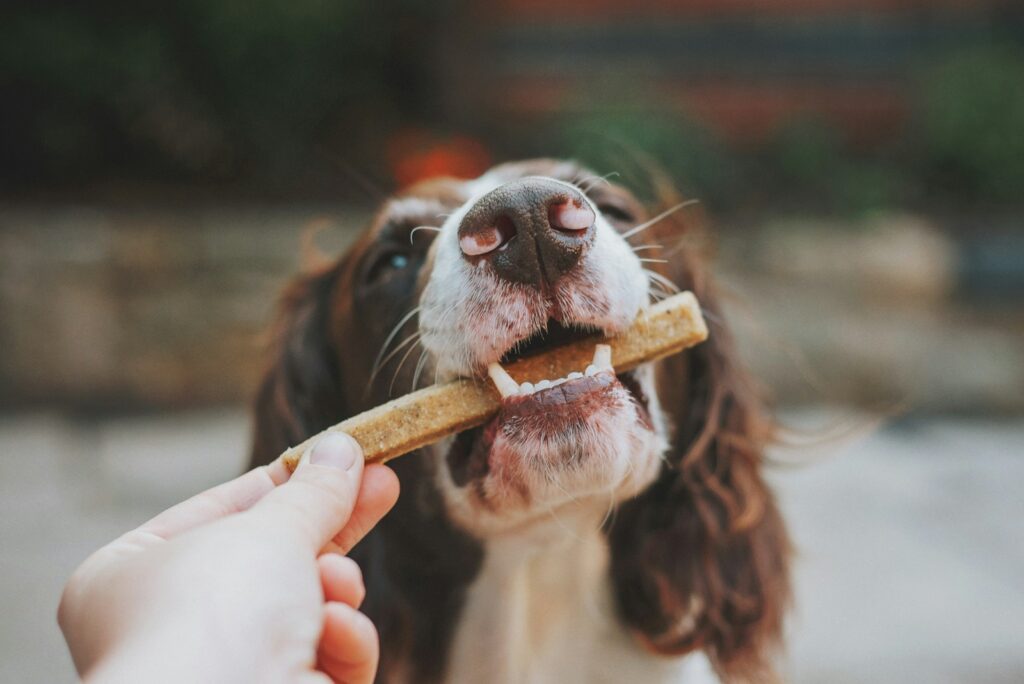
Treats are a wonderful training tool, but they can add up quickly.
If your pet expects a snack every time you walk into the kitchen or they perform a simple trick, they may be consuming more calories than you realize.
6. You’re Estimating Portions Instead of Measuring Them
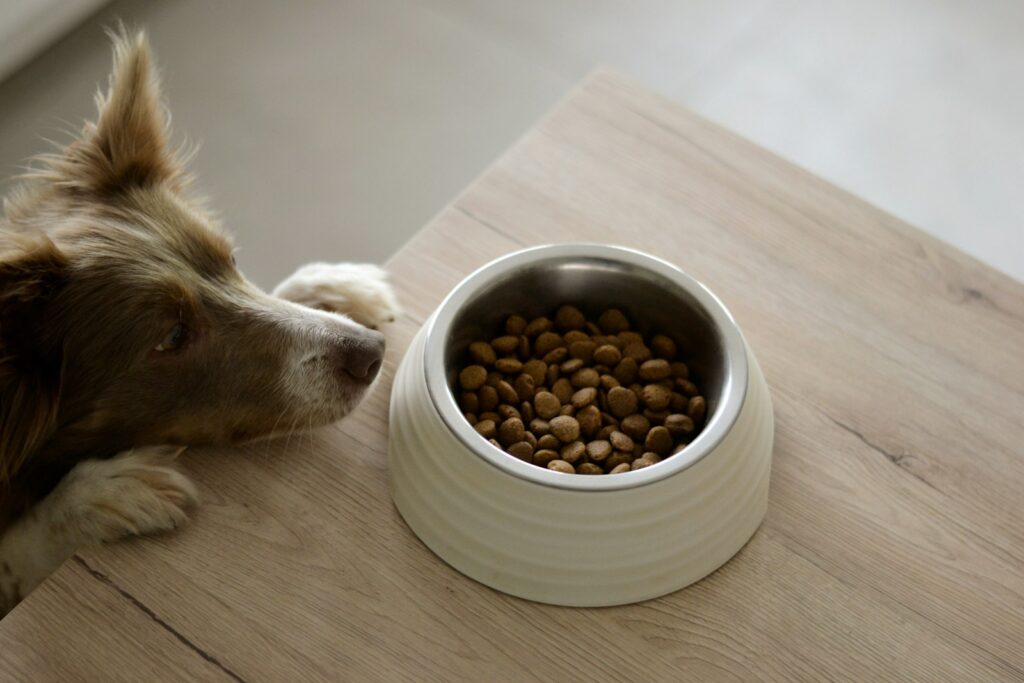
Eyeballing a scoop can easily lead to overfeeding.
Using a proper measuring cup—or even a kitchen scale for greater accuracy—helps ensure your pet receives the amount recommended for their size, activity level, and health needs.
5. Multiple Family Members Feed Them
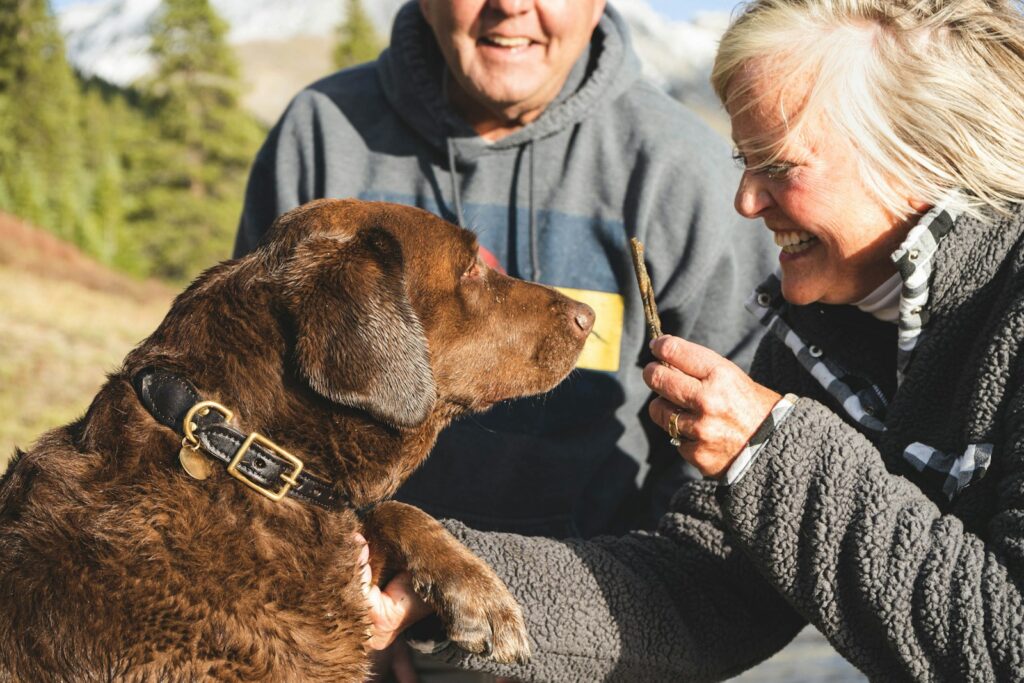
One person gives breakfast, another hands out treats, and someone else sneaks a few table scraps.
Without realizing it, pets can end up eating far more than intended. Keeping everyone on the same feeding schedule can help prevent accidental overfeeding.
4. They’re Getting Lots of Table Scraps

Those little bites from the dinner table may seem harmless.
But human food can add significant calories and may not provide balanced nutrition. Some foods are also unsafe for pets, making it best to keep people food as an occasional, veterinarian-approved treat.
3. The Food Bowl Is Always Full
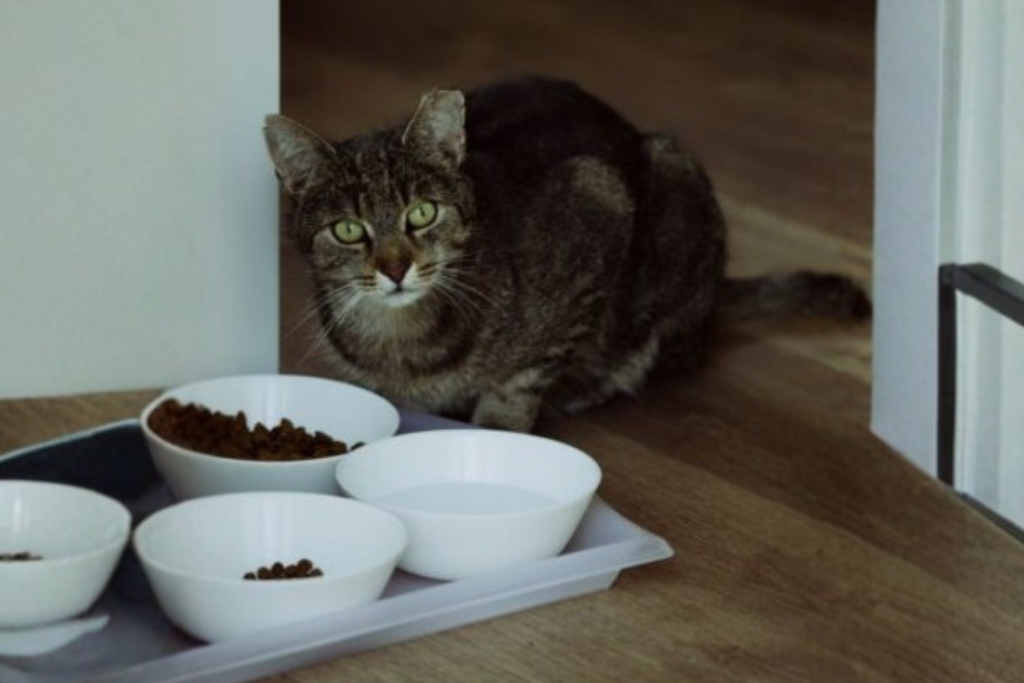
Free-feeding works for some pets, but not all.
Many dogs—and some cats—will continue eating simply because food is available. Scheduled meals can make it easier to monitor appetite and manage a healthy weight.
2. Your Veterinarian Has Mentioned Their Weight
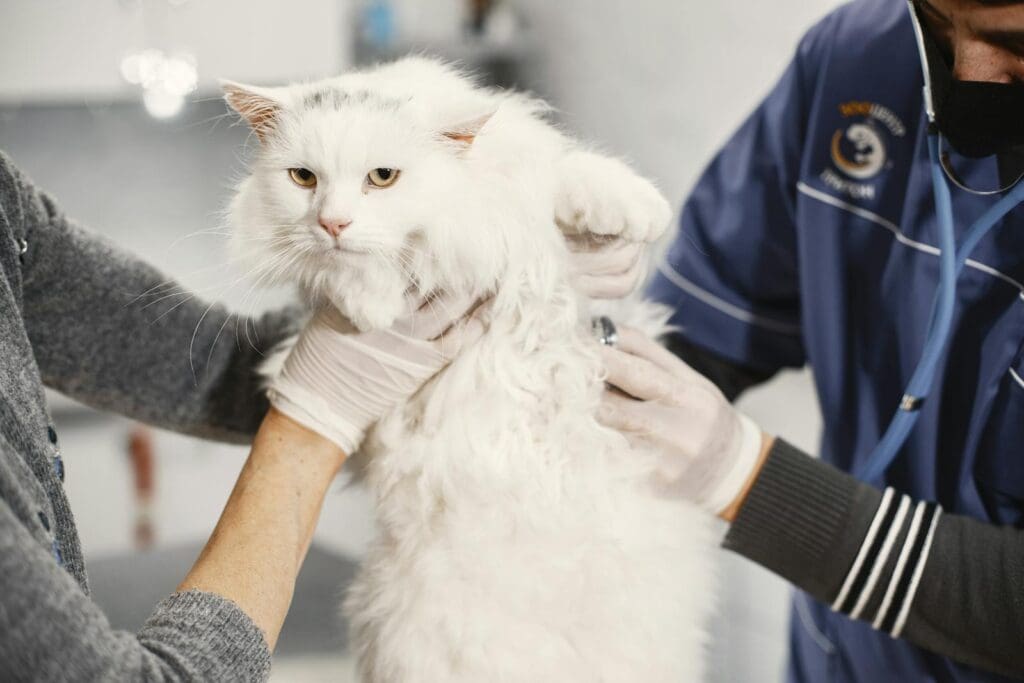
Routine veterinary visits include monitoring body condition for a reason.
If your veterinarian has suggested your pet lose a few pounds or adjust their diet, taking action early can help reduce the risk of conditions such as arthritis, diabetes, and heart disease.
1. They’re Gaining Weight Even Though Nothing Else Has Changed
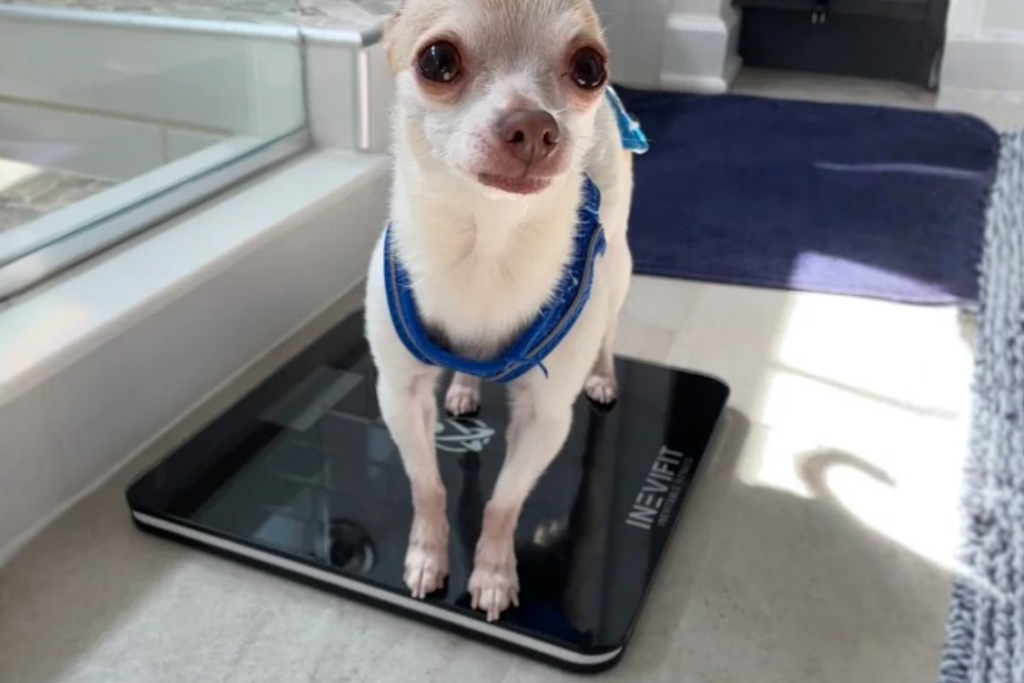
Gradual weight gain is often easy to miss because it happens so slowly.
Weighing your pet regularly and paying attention to changes in body shape can help you catch small increases before they become bigger health concerns. If you’re unsure whether your pet is at a healthy weight, your veterinarian can help develop a feeding plan that’s right for them.
Read More:
- 10 Little Moments When a Rescue Pet Realizes They’re Finally Home
- 10 Ways Your Dog Says “I Love You” Without Words
- 9 Places You Should Never Put Your Cat’s Litter Box, According to Vets