Before the catastrophic eruption of Mount Vesuvius in AD 79, the ancient city of Pompeii was a bustling hub of Roman life. Known for its vibrant trade and luxurious villas, it also housed ordinary families who used a variety of everyday items in their daily lives. These artifacts, preserved under layers of ash, offer a fascinating glimpse into the domestic life of a bygone era.
As archaeologists continue to study these relics, we gain insights into the social and cultural fabric of the time. Here are 10 essential household items that most, if not all, families in Pompeii owned before the eruption.
10. Oil Lamps
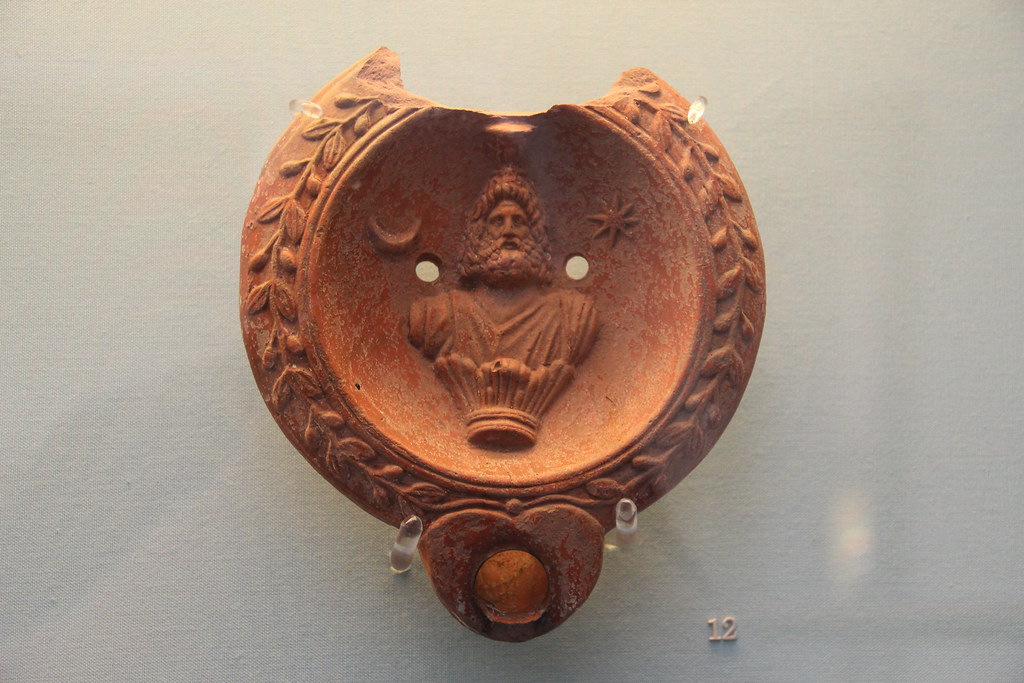
Oil lamps were a staple in Pompeian households, providing much-needed illumination.
These lamps, often crafted from clay, were designed to hold oil and a wick, lighting up homes with a warm glow. Some were simple, while others featured intricate designs, reflecting the artistic flair of the era.
9. Storage Jars
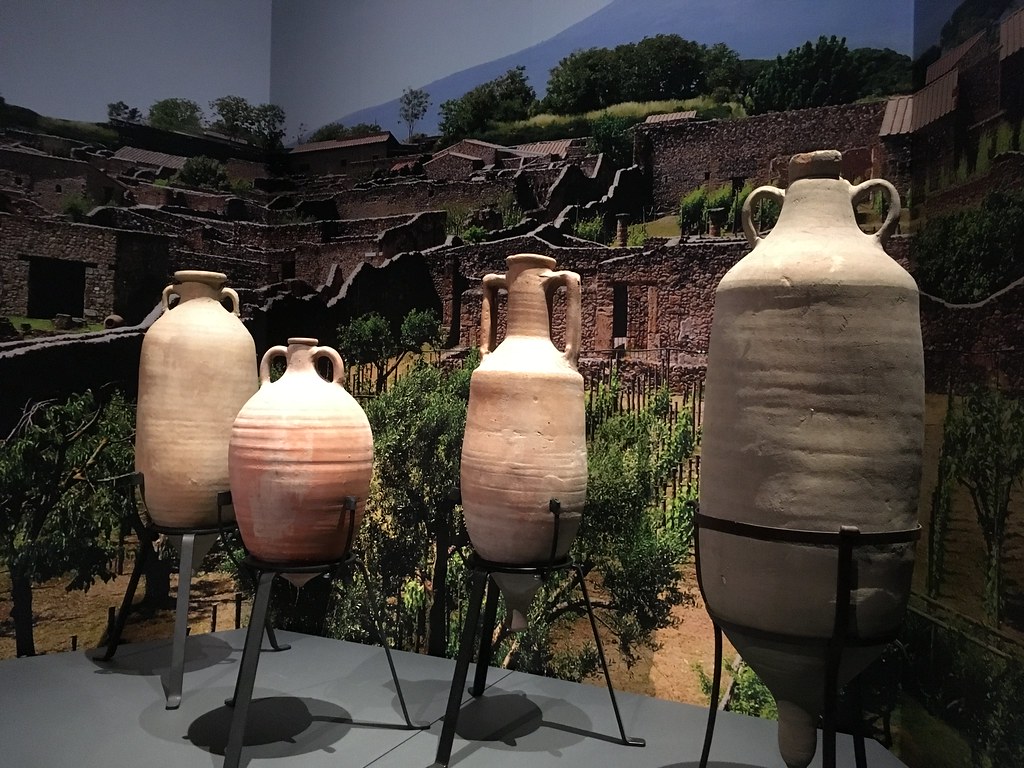
Storage jars, including amphorae and larger vessels called dolia, were essential for keeping food and liquids fresh.
These clay containers were often inscribed with details about their contents. They were crucial for storing grains, oils, and wines, and their pointed bottoms allowed them to be easily embedded in the ground for stability.
8. Mortars and Pestles
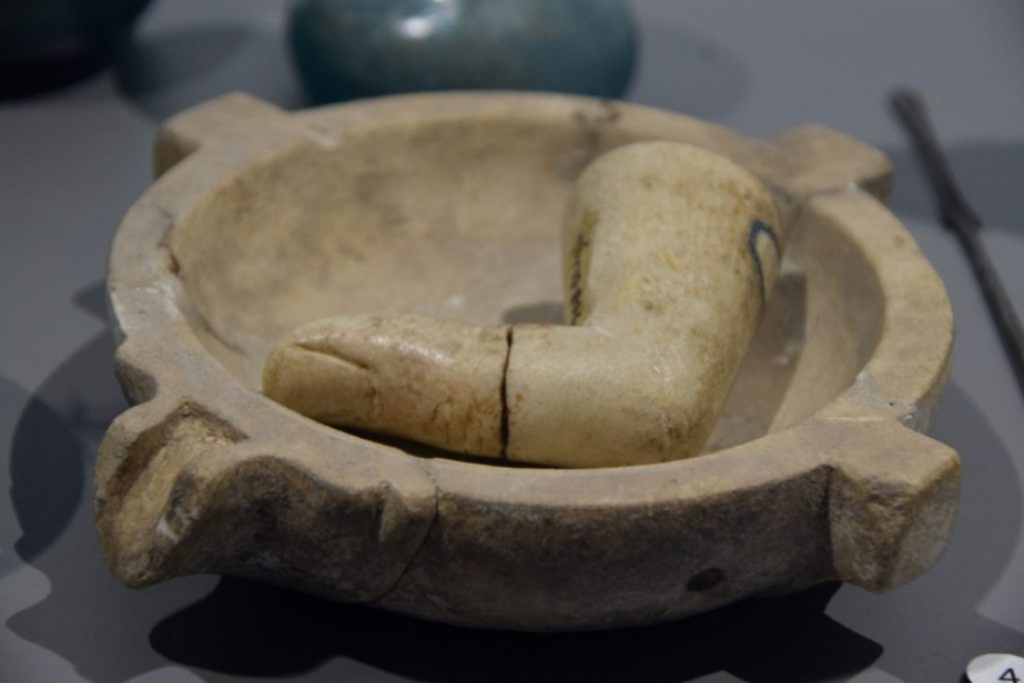
Mortars and pestles were indispensable tools in Pompeian kitchens.
Used to grind spices, grains, and herbs, these tools were vital for preparing meals. The discovery of these items alongside personal belongings suggests their importance in daily life, even in moments of crisis.
7. Pots, Pans, and Utensils
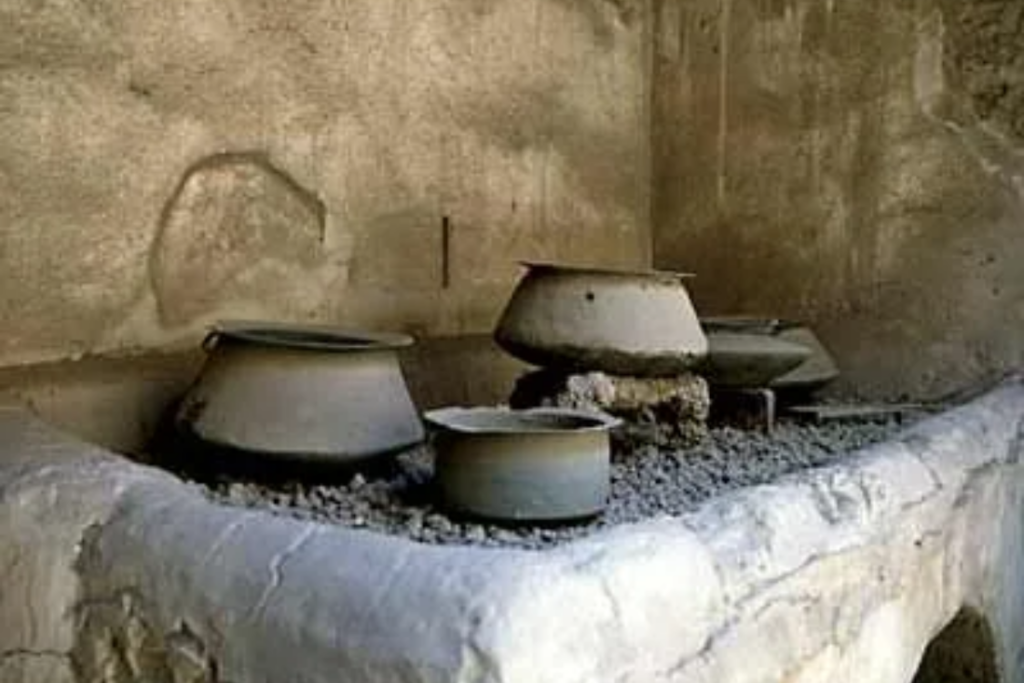
Cooking implements were central to Pompeian culinary practices.
Bronze and terracotta were commonly used to make pots and pans, which hung over hearths or were placed on stands. Utensils crafted from metals like bronze and silver were both functional and decorative.
6. Bowls, Cups, and Plates
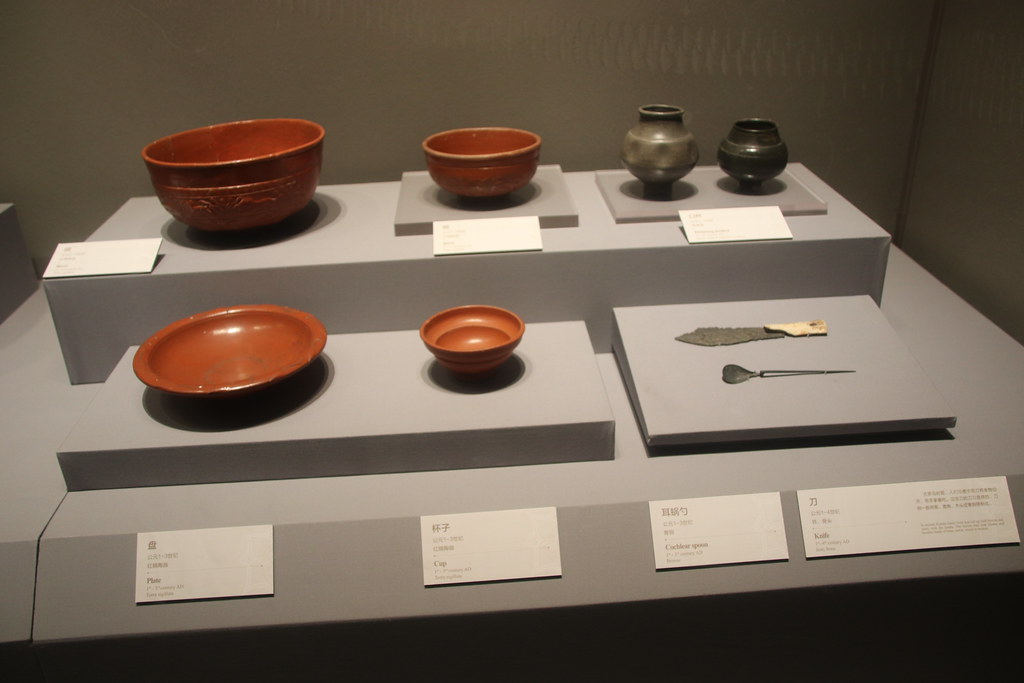
Tableware in Pompeii was both practical and artistic.
Clay and terracotta were the primary materials for making bowls, cups, and plates. These items were used for everyday meals and special occasions, reflecting the social customs of the time.
5. Shrines
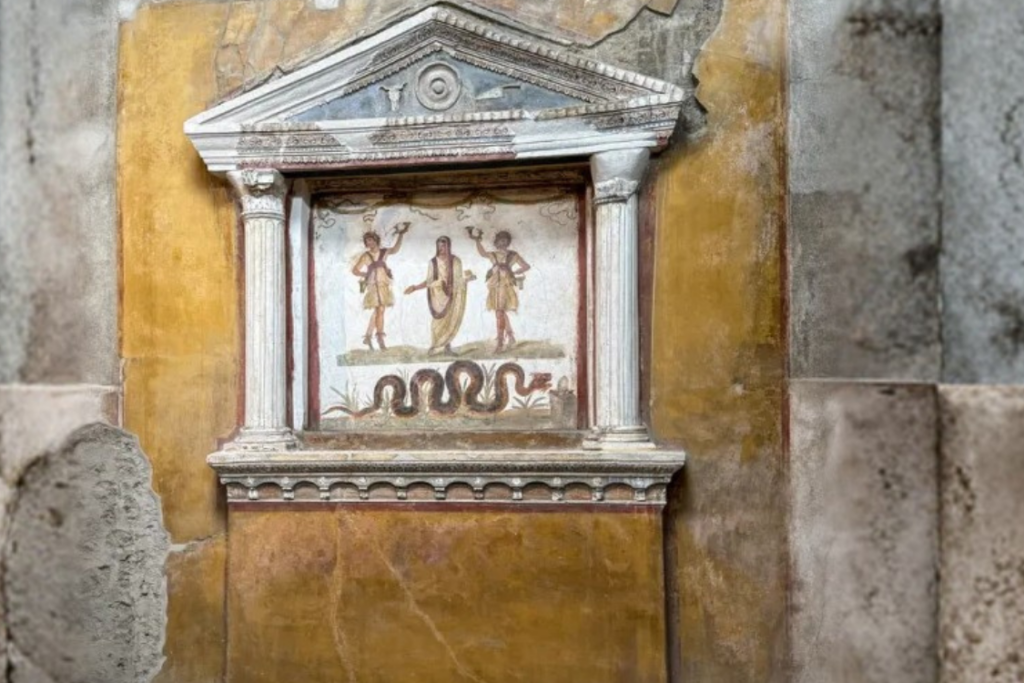
Shrines, or lararia, were common in Pompeian homes, serving spiritual purposes.
These sacred spaces were dedicated primarily to the Lares and other protective household deities and were often associated with offerings such as food, wine, or incense. Shrines varied from simple niches to elaborate rooms, highlighting the importance of religion in daily life.
4. Lock-and-Key Sets
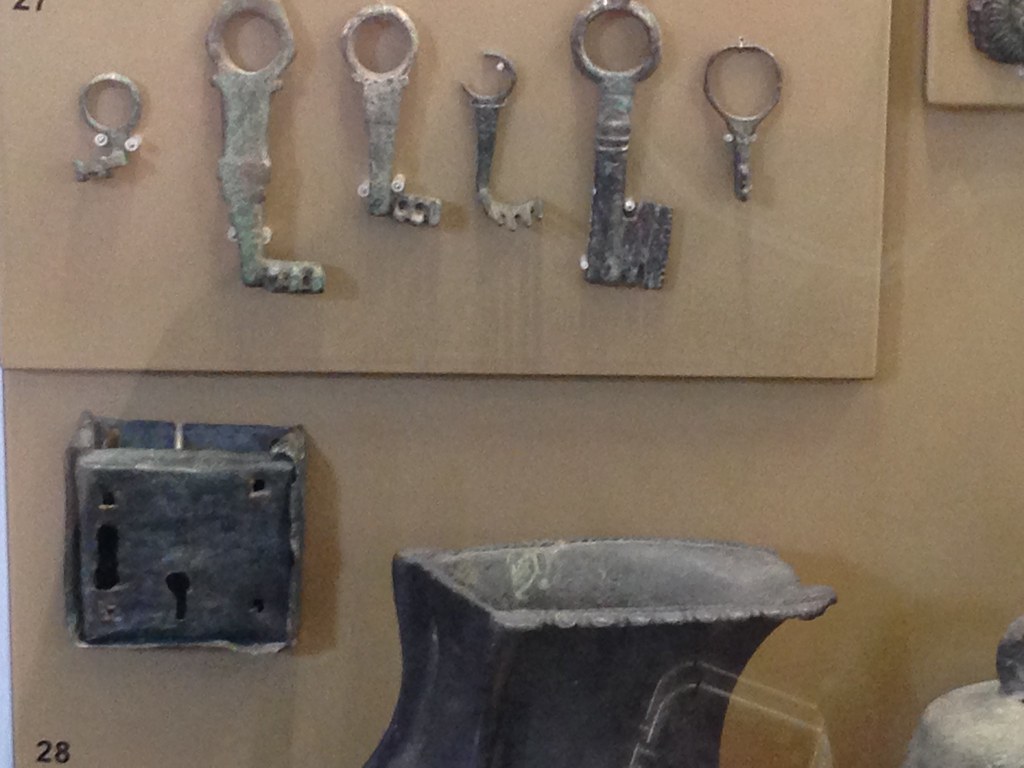
Security was a concern in Pompeii, reflected in the use of lock-and-key sets.
These sets were used to secure doors and storage chests, protecting valuable possessions. The craftsmanship of surviving metal locks and keys indicates a high level of skill and the importance of safeguarding personal property.
3. Wooden Furnishings

Wooden furniture was a common feature in Pompeian homes, providing comfort and utility.
From beds to tables, these items were essential for daily living. Although few wooden pieces survived the eruption, impressions left in the ash reveal their designs and importance in domestic settings.
2. Weaving Tools
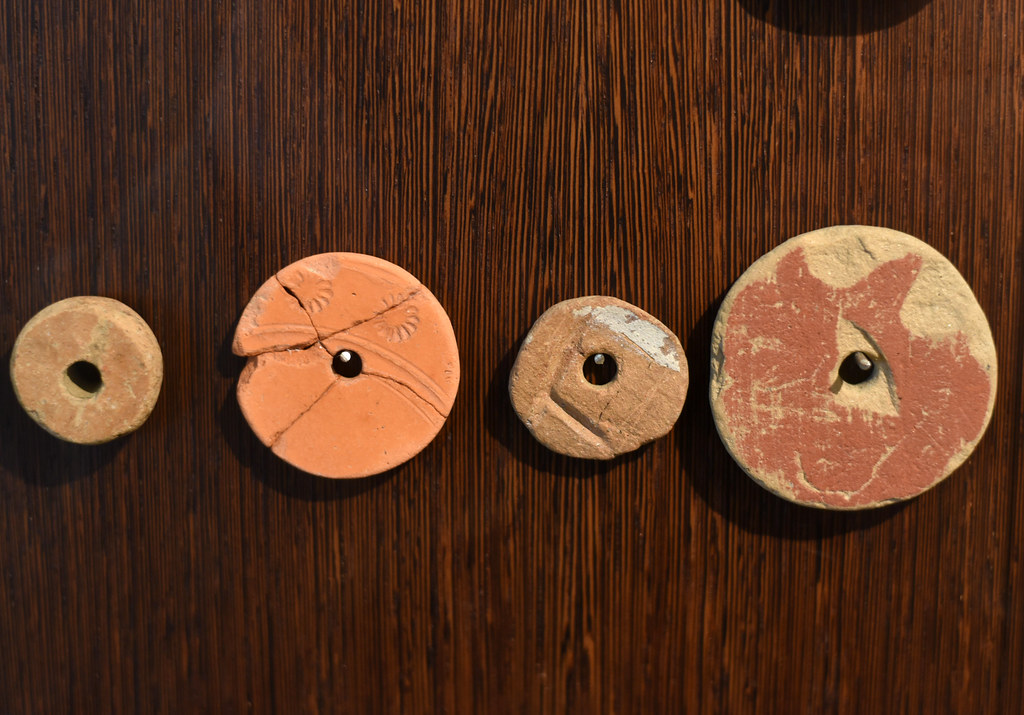
Weaving was an important domestic and commercial activity in Pompeii, supported by various tools.
Looms and spindles were used to produce textiles for clothing and domestic use. These tools highlight the self-sufficiency of Pompeian families, who often made their own garments and linens.
1. Musical Instruments
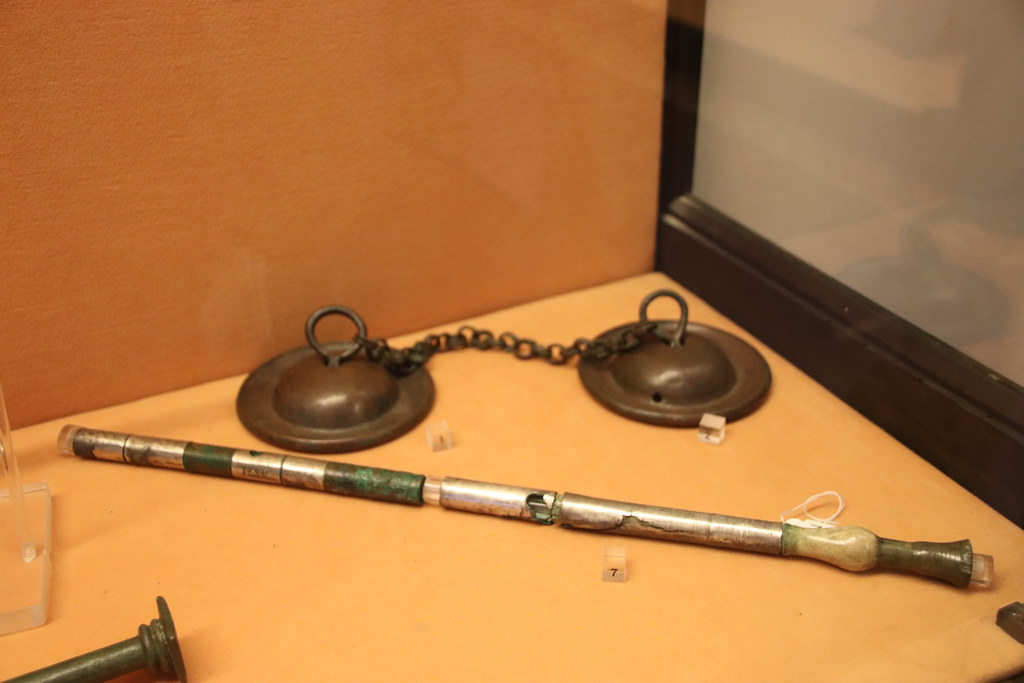
Music played a part in Pompeian culture, and archaeological finds and wall paintings provide evidence of musical performance.
Lyres, flutes, and percussion instruments were used in both personal and public entertainment. The presence of these instruments underscores the cultural richness and appreciation for the arts in Pompeii.
Read More:
- 10 Misrepresentations of Ancient Greece in Movies
- Check Out the Megafauna That Once Roamed the Americas
- 9 Intriguing Mysteries About Homer’s Existence