
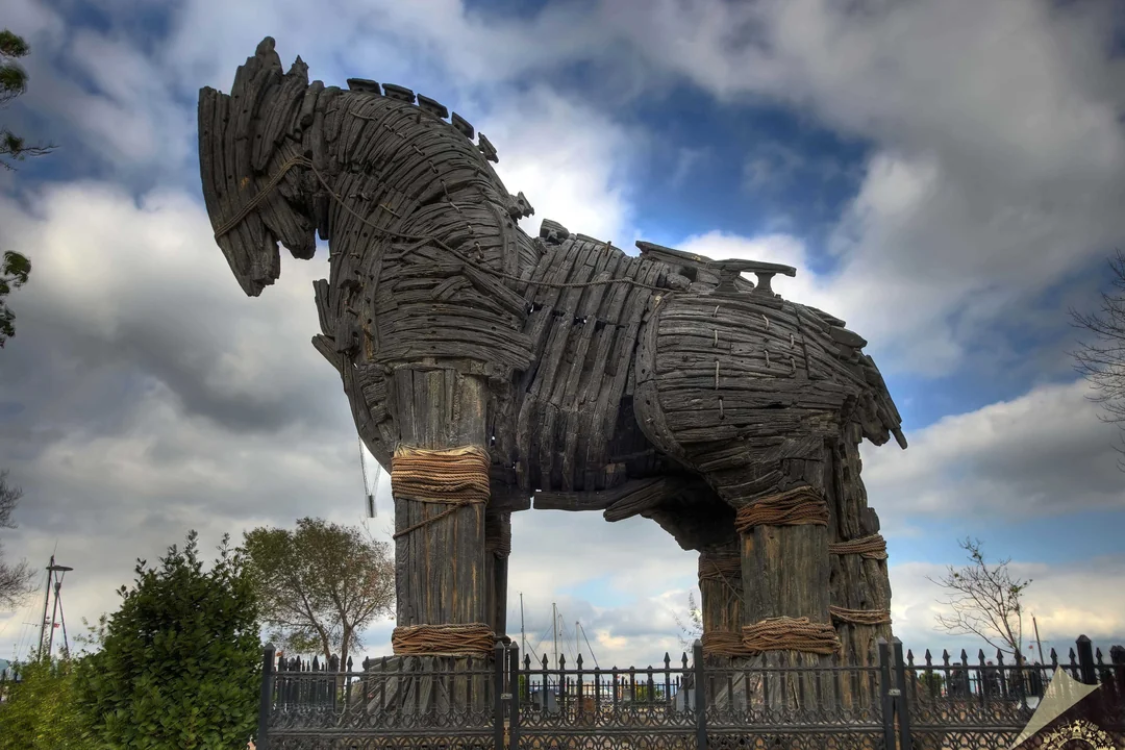
The tale of the Trojan Horse is one of the most enduring stories from ancient mythology, capturing the imagination of generations. It tells of a cunning plan devised by the Greeks to infiltrate the city of Troy by hiding soldiers inside a giant wooden horse. But was this legendary ruse based on actual events, or is it purely a work of fiction?
Many historians and archaeologists have debated the historical accuracy of the Trojan Horse, examining evidence from ancient texts and archaeological findings. The story, briefly mentioned in Homer’s Odyssey and described more fully in later works such as Virgil’s Aeneid, remains a topic of intrigue and speculation. Here are nine insights into the myth and reality of the Trojan Horse.
9. The Existence of Troy
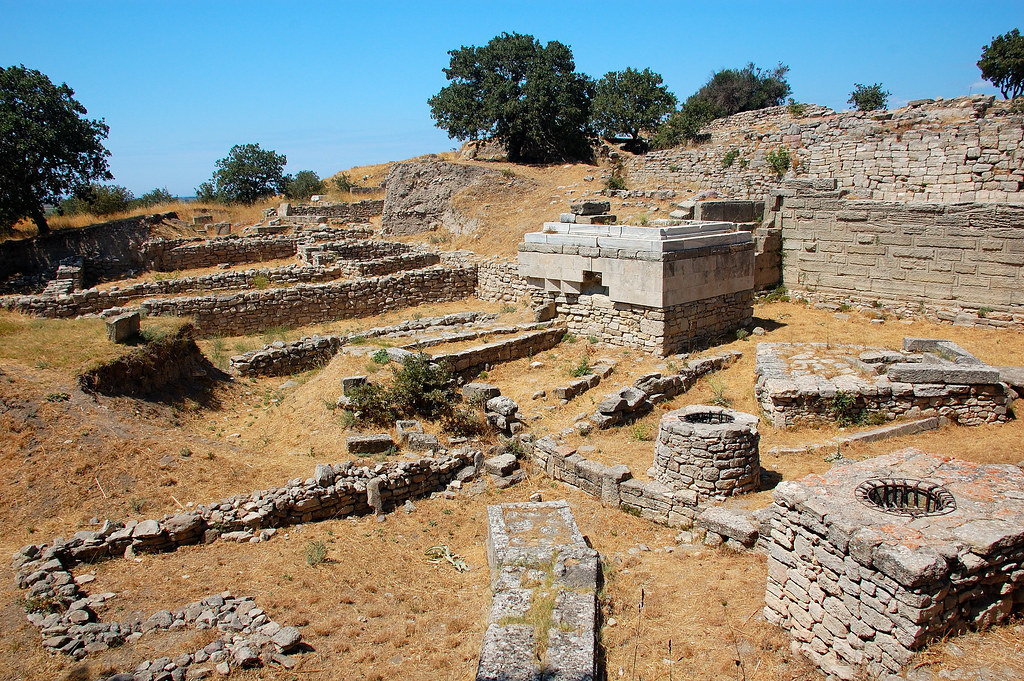
For many years, the city of Troy was thought to be a myth. However, archaeological discoveries have confirmed that a major ancient settlement existed at the site associated with Troy.
Located in modern-day Türkiye, the ruins of Troy were excavated by Heinrich Schliemann beginning in 1870, providing evidence that the city was real and had experienced multiple periods of destruction and rebuilding.
8. The Historical Trojan War
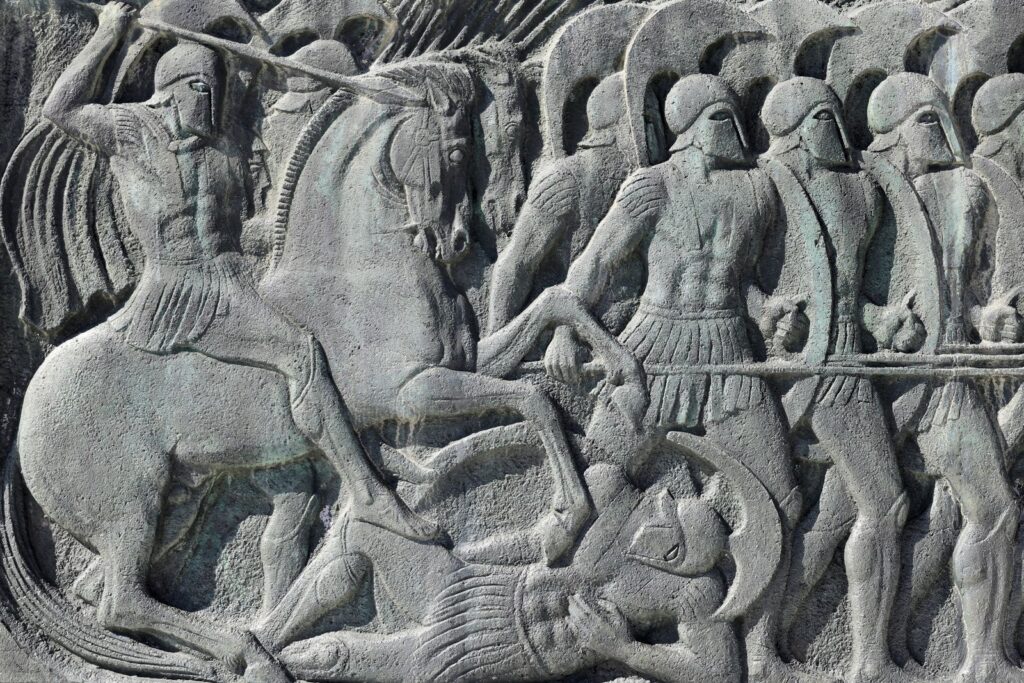
While the Trojan War is a central theme in ancient literature, its historical authenticity is debated.
Archaeologists have found evidence of warfare in the ruins of Troy, including battle-damaged fortifications and weaponry, suggesting that one or more conflicts may have occurred.
7. The Symbolism of the Horse
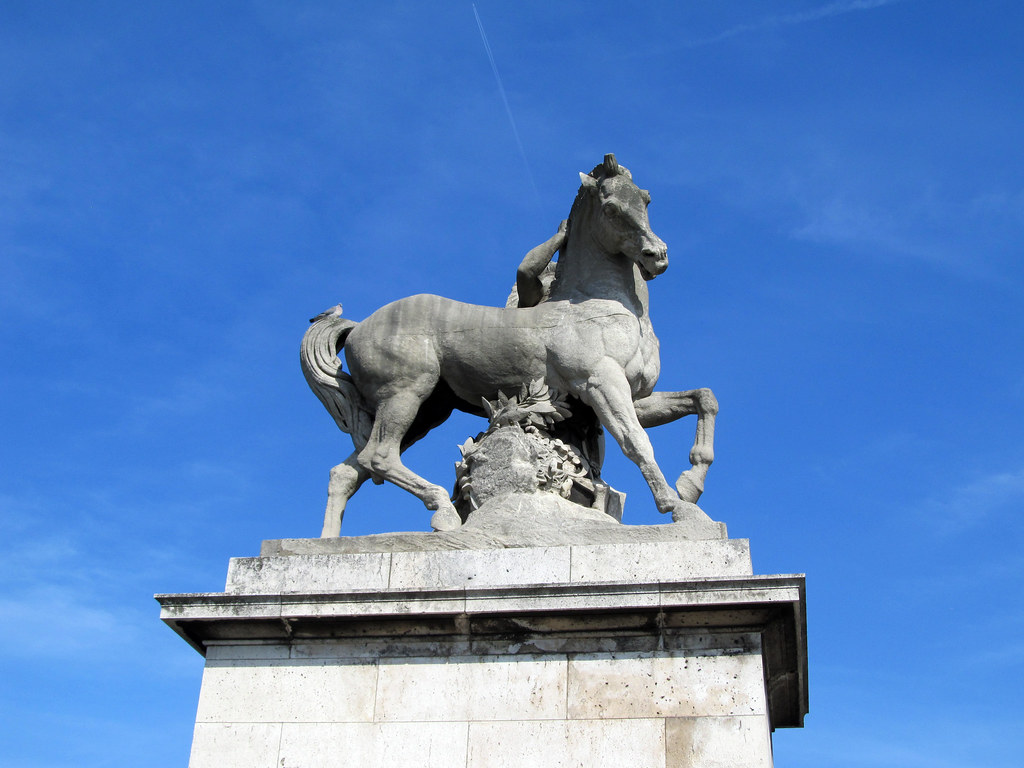
The choice of a horse as the vehicle for the Greeks’ deception may not have been arbitrary.
Horses were significant in Bronze Age societies, and in some versions of the story, the wooden horse was presented as an offering to Athena, making it a fitting symbol for the Greeks’ military deception.
6. Metaphorical Interpretations
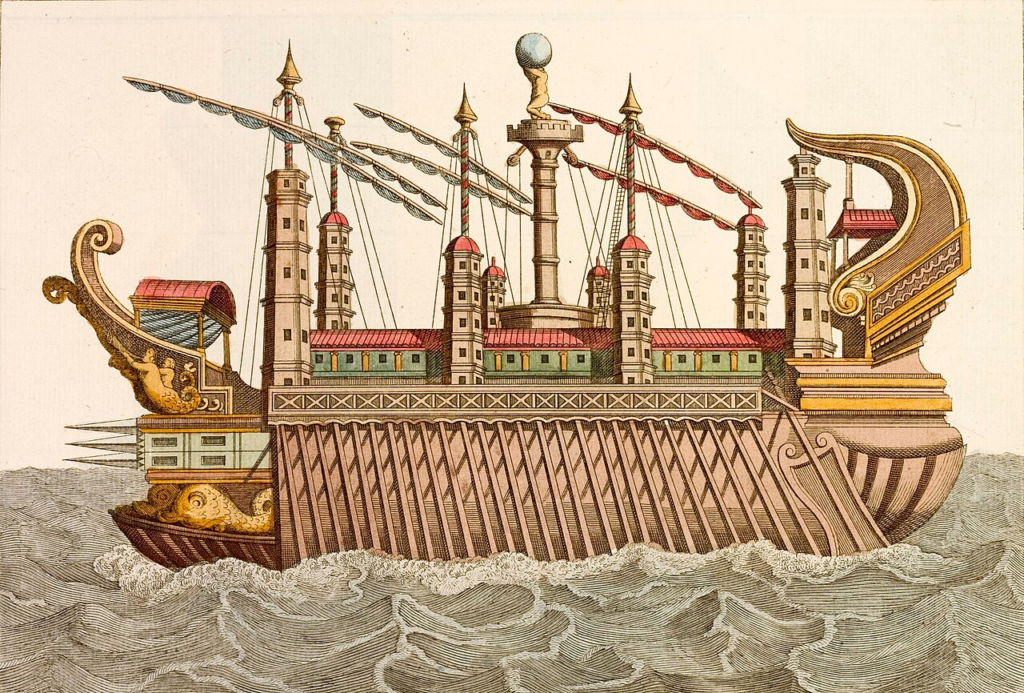
Some historians propose that the Trojan Horse might be a metaphor rather than a literal object.
Julia Kindt suggests it could symbolize a ship, as ships were often referred to as “horses of the deep” in ancient texts, aligning with the Greeks’ naval prowess.
5. The Role of Odysseus
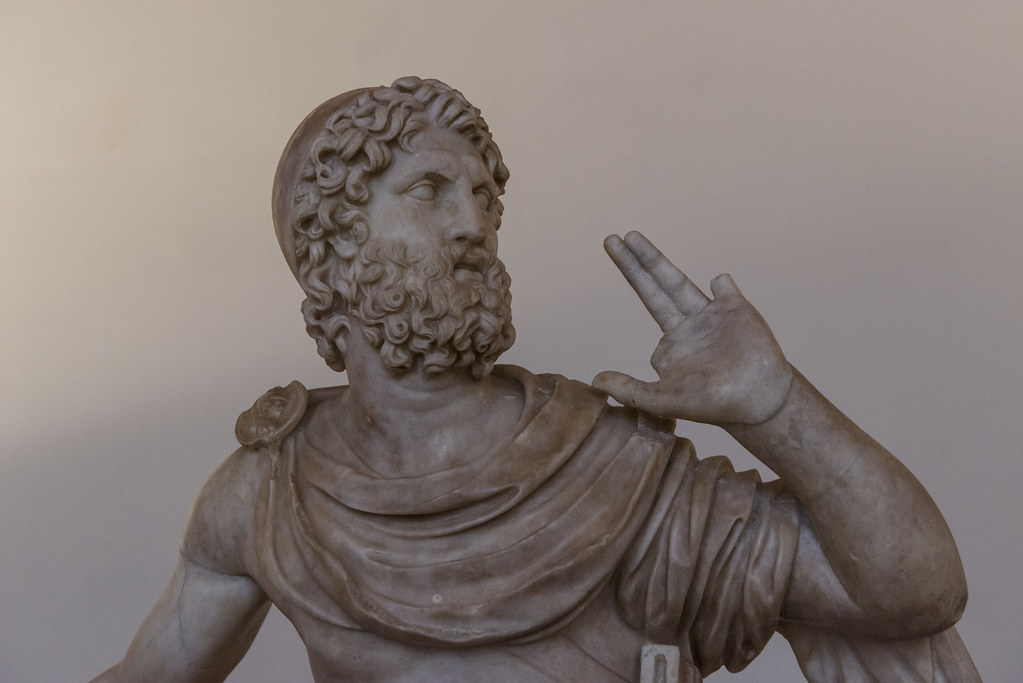
Odysseus, known for his cunning, is traditionally credited with devising the Trojan Horse strategy.
This aligns with his character in Greek mythology, where he is often portrayed as a master strategist capable of outwitting his enemies.
4. The Construction of the Horse
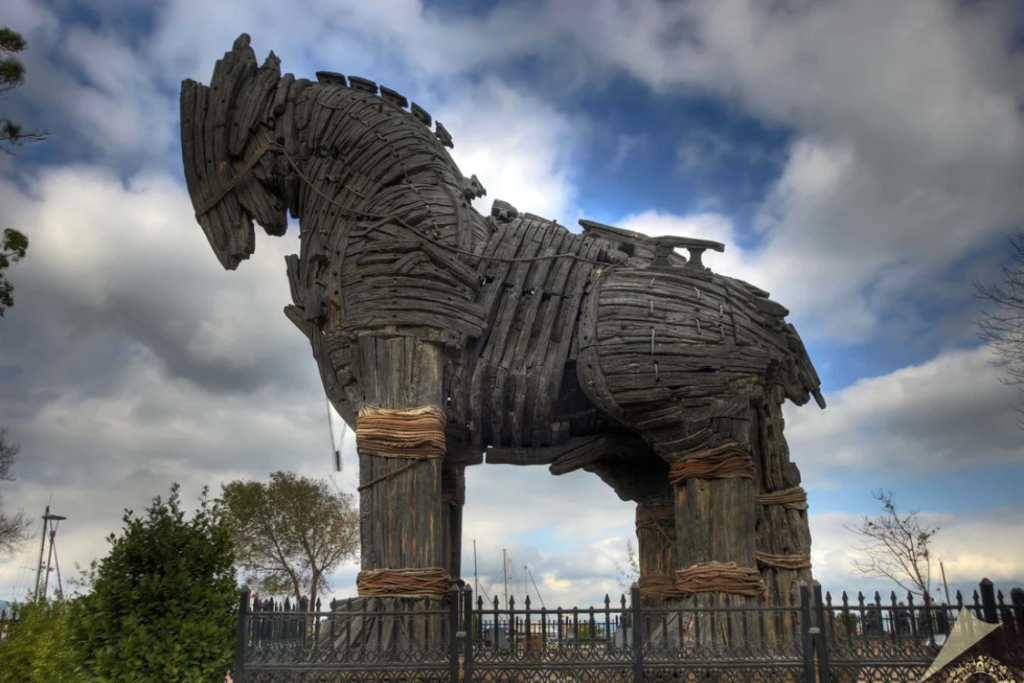
Ancient sources describe the Trojan Horse as a unique wooden structure, crafted by a Greek builder named Epeius.
It was reportedly built using wood from Mount Ida and mounted on wheels, designed to deceive the Trojans into bringing it within their city walls.
3. The Number of Stowaways
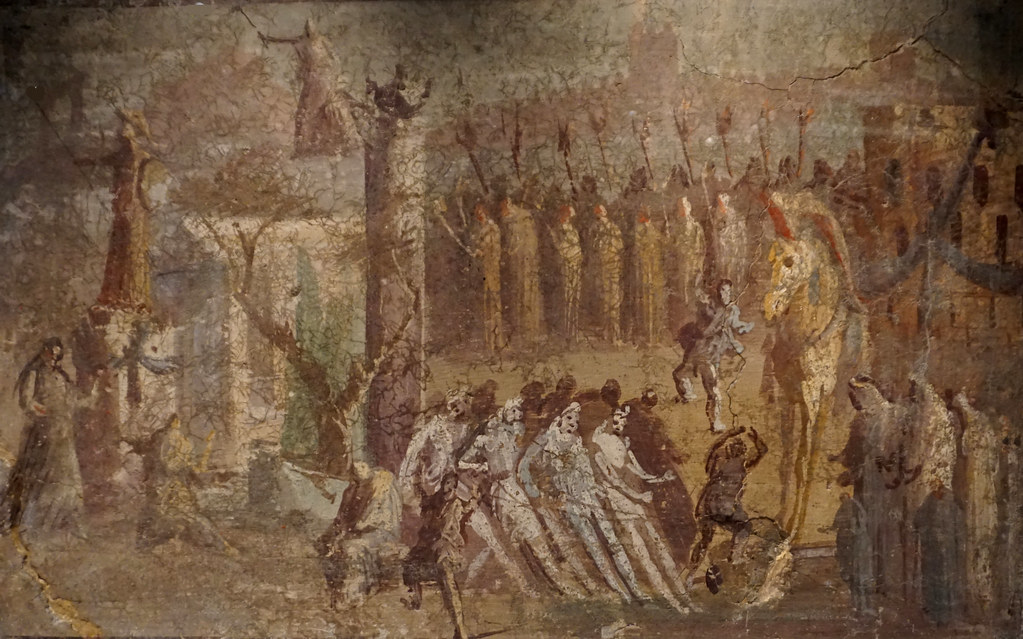
Accounts vary on how many Greek soldiers hid inside the Trojan Horse.
Ancient traditions give different totals, commonly ranging from about 30 to 50 warriors, while some later versions offer other numbers. These inconsistencies highlight the story’s mythical and evolving nature.
2. The Aftermath of Troy
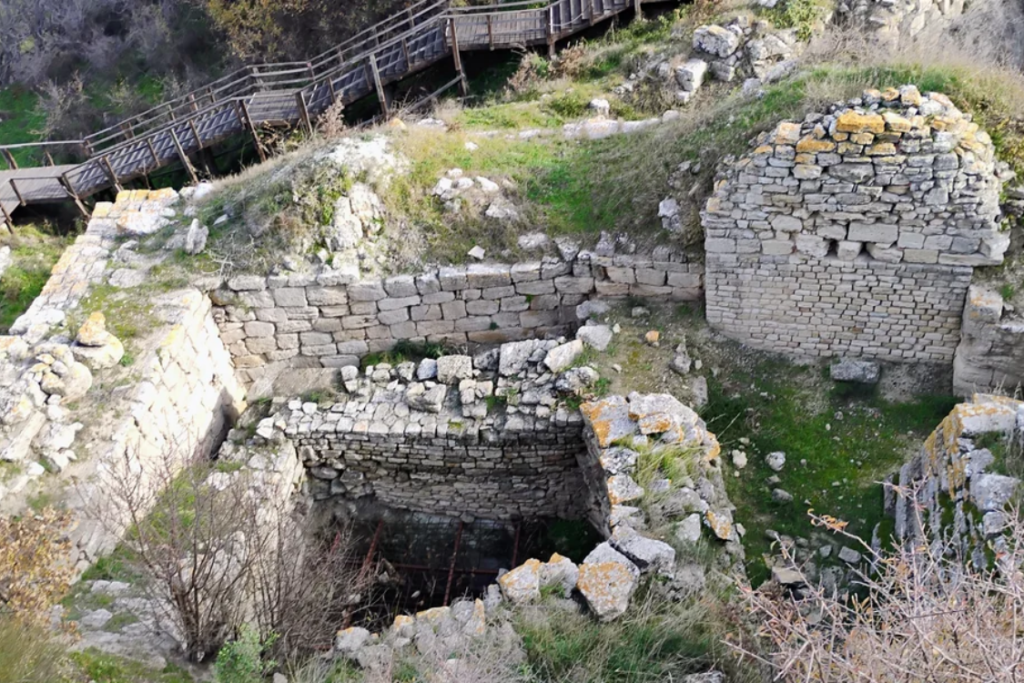
The city of Troy became uninhabited around 1180 BC, according to archaeological findings.
This timeframe loosely aligns with the supposed period of the Trojan War, suggesting a possible link between the historical city and the legendary conflict.
1. The Legacy of the Trojan Horse
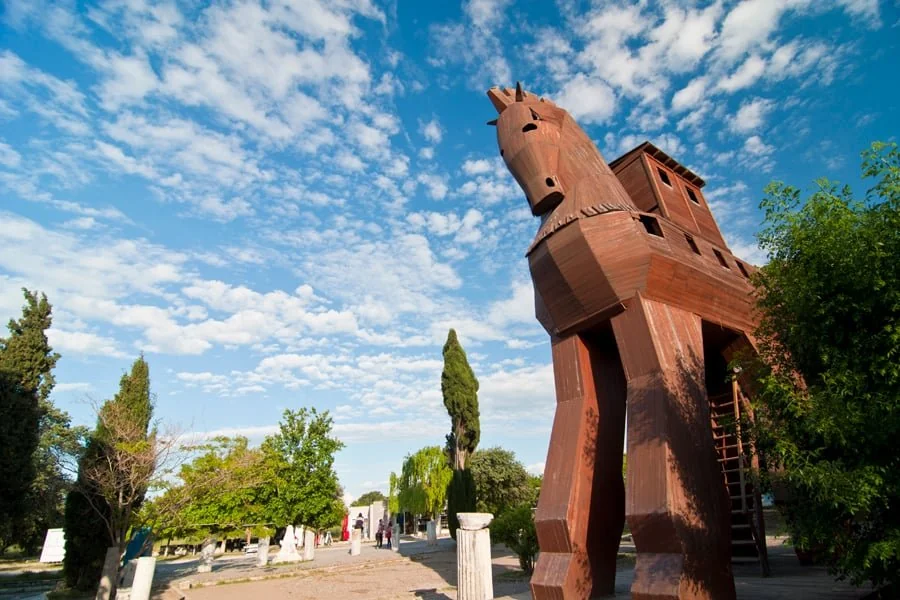
Regardless of its factual accuracy, the story of the Trojan Horse has left an indelible mark on culture and literature.
From ancient poets like Virgil to modern films, the tale continues to captivate audiences, embodying themes of deception, strategy, and the complexities of war.
Read More:
- 10 Witchcraft Accusations That Changed History
- The 10 Deadliest Beauty Trends in History
- 20 Surprising Truths About Medieval Life and Warfare