

Greek mythology has left an indelible mark on our culture, influencing everything from art and literature to our everyday language. Many words we use today have fascinating origins tied to the myths and legends of ancient Greece. These stories have been passed down through generations, embedding themselves in our vocabulary.
From the vast emptiness of chaos to the alluring call of the siren, these words carry with them the weight of their mythological past. Here are 10 words from Greek mythology that you might not realize you use every day.
10. Atlas
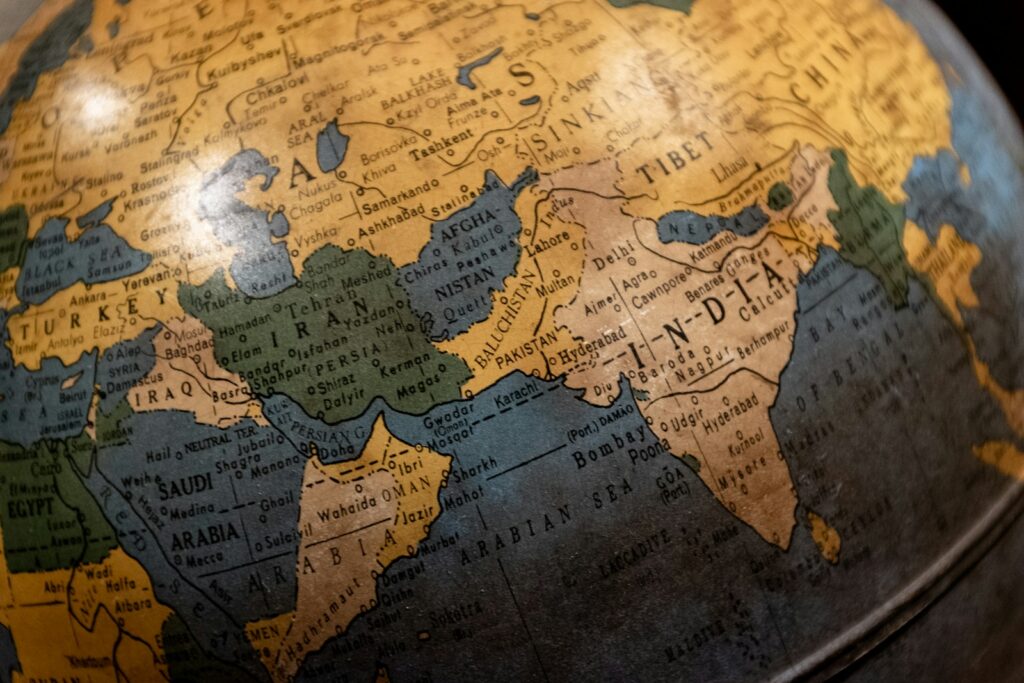
Atlas is more than just a book of maps; it’s a name with a mythological backstory. In Greek mythology, Atlas was a Titan condemned to hold up the heavens for eternity.
This powerful image of strength and endurance was adopted by mapmakers in the 16th and 17th centuries, leading to the term we use today for collections of maps.
9. Chaos

The word chaos evokes a sense of disorder and confusion, but its roots are far more cosmic. In Greek mythology, Chaos was the void from which the universe was born.
Originally describing a vast emptiness, the word evolved to signify the chaotic state from which order emerged, a concept that resonates in today’s use of the term.
8. Echo

Echo was a nymph who could only repeat the words of others, a punishment from the goddess Hera. Her story is one of unrequited love and loss.
Today, the term echo refers to the repetition of sound, a lasting tribute to the nymph whose voice was all that remained of her presence.
7. Erotic

Derived from Eros, the Greek god of love and desire, the word erotic captures the essence of passion and romance. Eros was depicted as a powerful force of attraction.
While Eros’s stories are filled with themes of love and beauty, the term erotic today is used to describe anything that evokes sexual desire.
6. Hectoring

Hector, a Trojan prince, was known for his bravery and loyalty, not bluster. Yet, the term hectoring has come to describe bullying or intimidating behavior.
This shift in meaning arose from rowdy gangs in London who misappropriated Hector’s noble image, leading to the negative connotation we recognize today.
5. Lethargic

The river Lethe in the Greek underworld was known for inducing forgetfulness. Spirits drank from it to forget their earthly lives.
Over time, this idea of oblivion transformed into lethargy, a state of sluggishness and inactivity, reflecting the river’s power to erase memories.
4. Narcissism

Narcissus was a strikingly handsome youth who fell in love with his own reflection, ultimately leading to his demise. His story gives us the term narcissism.
Today, it describes excessive self-love or self-centeredness, a psychological concept that has grown from this ancient myth.
3. Panic

The Greek god Pan was associated with sudden, irrational fear, often causing animals and humans to flee in terror. His influence is the root of the word panic.
Pan’s ability to instill fear in remote locations gave rise to the term, which now describes a sudden, overwhelming anxiety or dread.
2. Siren

Sirens were mythical creatures whose enchanting songs lured sailors to their doom. This dangerous allure has left a lasting impression on our language.
Today, a siren can refer to anything that is temptingly attractive yet potentially harmful, echoing the perilous charm of these ancient beings.
1. Tantalize

The story of Tantalus, a figure punished to eternal thirst and hunger, is the origin of the word tantalize. He was tormented by unreachable food and drink.
To tantalize now means to tease or torment by offering something desirable yet out of reach, capturing the essence of Tantalus’s eternal plight.
Read More:
- 9 Things You Didn’t Know About the Trojan Horse
- 10 Inventions That Have Been Lost to Time
- The 10 Deadliest Beauty Trends in History