
Long before light switches, refrigerators, and washing machines, frontier families found practical ways to accomplish the tasks we now take for granted. Every day required planning, physical effort, and a willingness to make the most of limited resources.
Life wasn’t necessarily simpler, but it did require creativity and self-reliance. Here are 10 ways families managed without electricity on the American frontier.
10. They Planned Their Day Around Sunlight
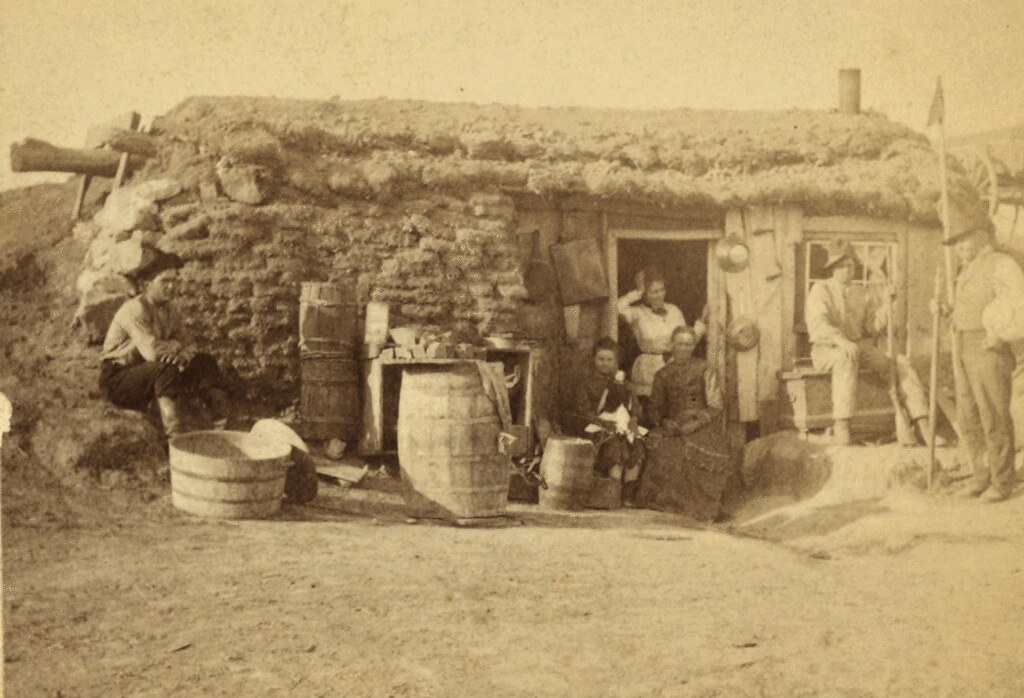
Natural light determined much of the day’s schedule.
Families rose around sunrise to make the most of daylight, saving indoor chores that required less light for evenings. Once darkness fell, most people were reluctant to waste expensive lamp fuel unless necessary.
9. They Lit Their Homes With Candles and Oil Lamps
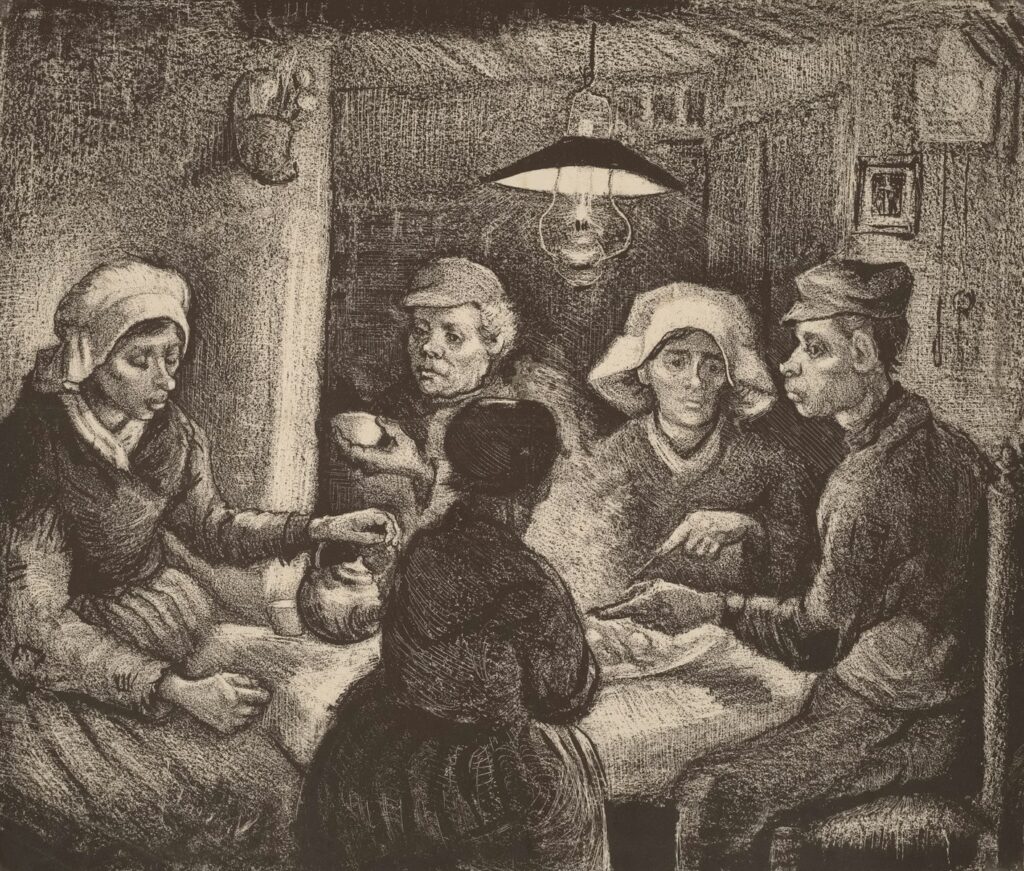
Evenings were illuminated by candlelight, whale oil, lard lamps, or later kerosene lamps, depending on the time period and what was available.
Light was precious, so families often gathered in one room to read, sew, or talk rather than lighting several parts of the house.
8. They Kept Food Cool Underground
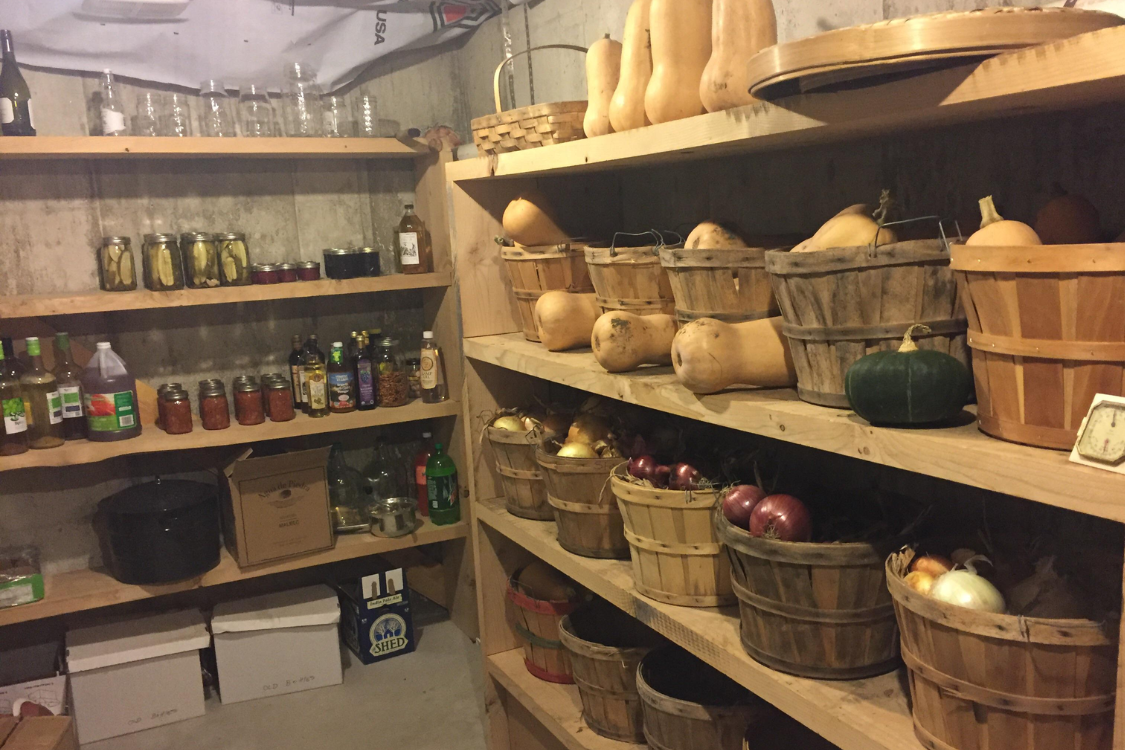
Without refrigerators, families relied on root cellars, springhouses, and cool underground storage.
Potatoes, apples, carrots, onions, and some preserved foods could last for extended periods when stored under suitable conditions, helping families stretch their harvest through the winter.
7. They Cooked Everything Over Fire
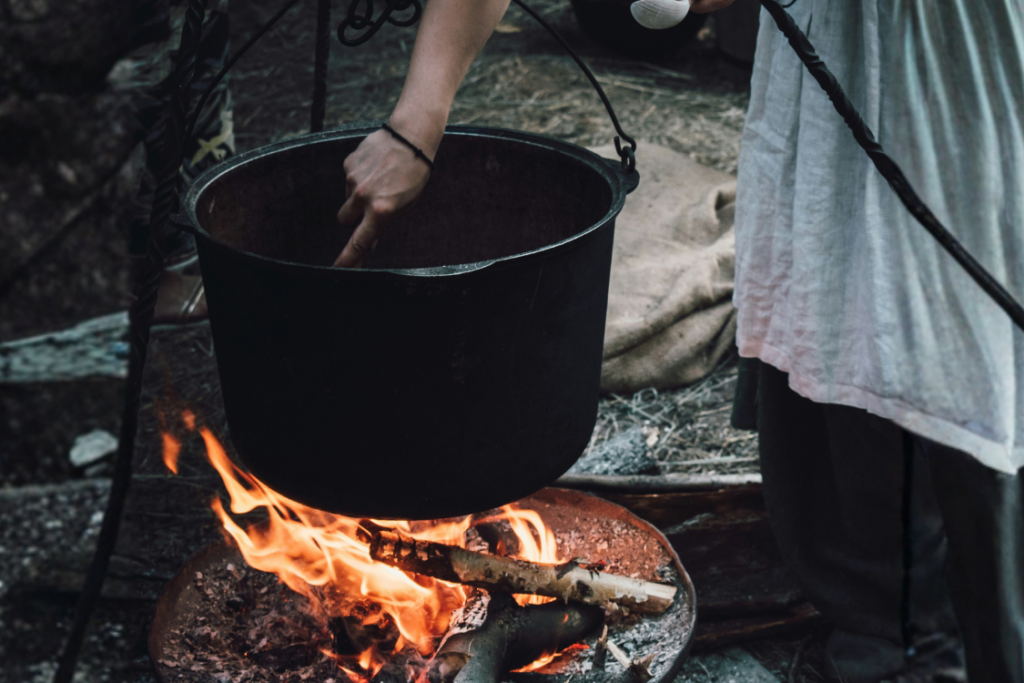
Wood-burning stoves and open hearths handled nearly every meal.
Cooking required tending the fire, adjusting pots by hand, and carefully managing heat. Baking, roasting, boiling, and frying all depended on experience rather than temperature dials.
6. They Washed Clothes by Hand
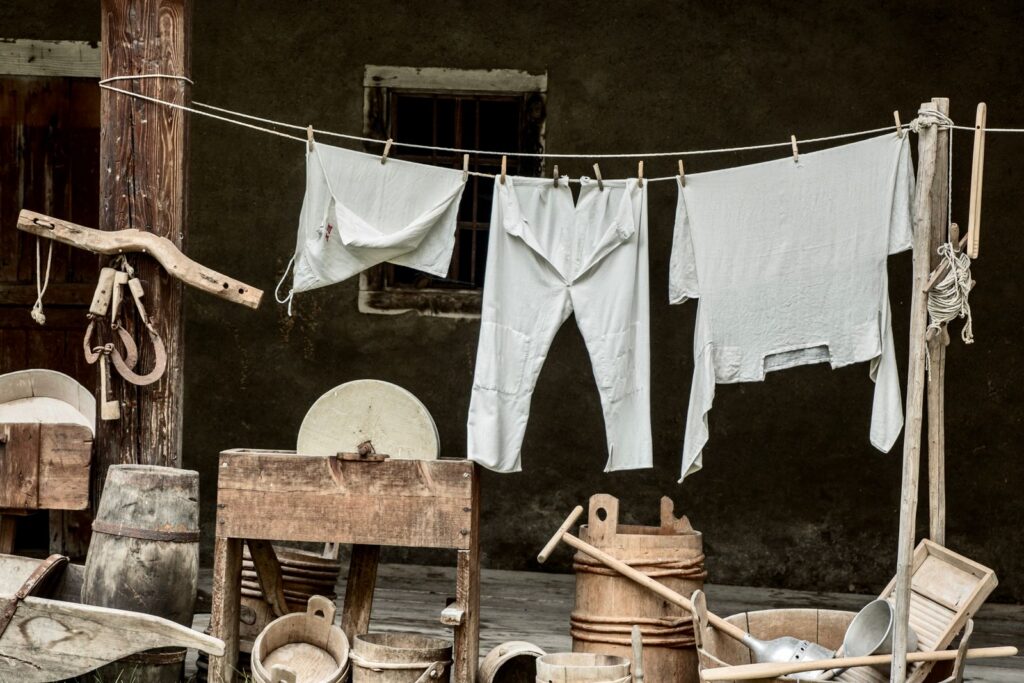
Laundry demanded plenty of muscle and patience.
Clothes were soaked, scrubbed by hand or on a washboard, rinsed several times, wrung out by hand, and hung outside to dry. Good weather made the job much easier, while rain could delay it for days.
5. They Preserved Food for Every Season
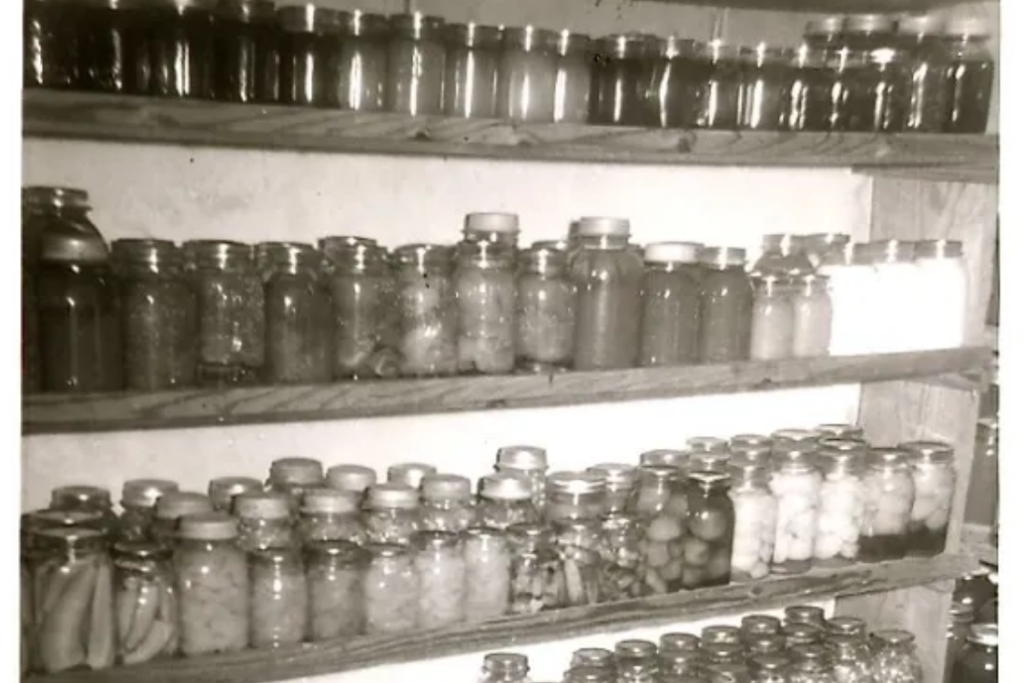
Fresh food wasn’t available year-round.
Families canned fruits and vegetables, dried herbs, smoked meat, salted pork, and stored grains so they would have enough to eat long after the growing season had ended.
4. They Cooled Off Naturally
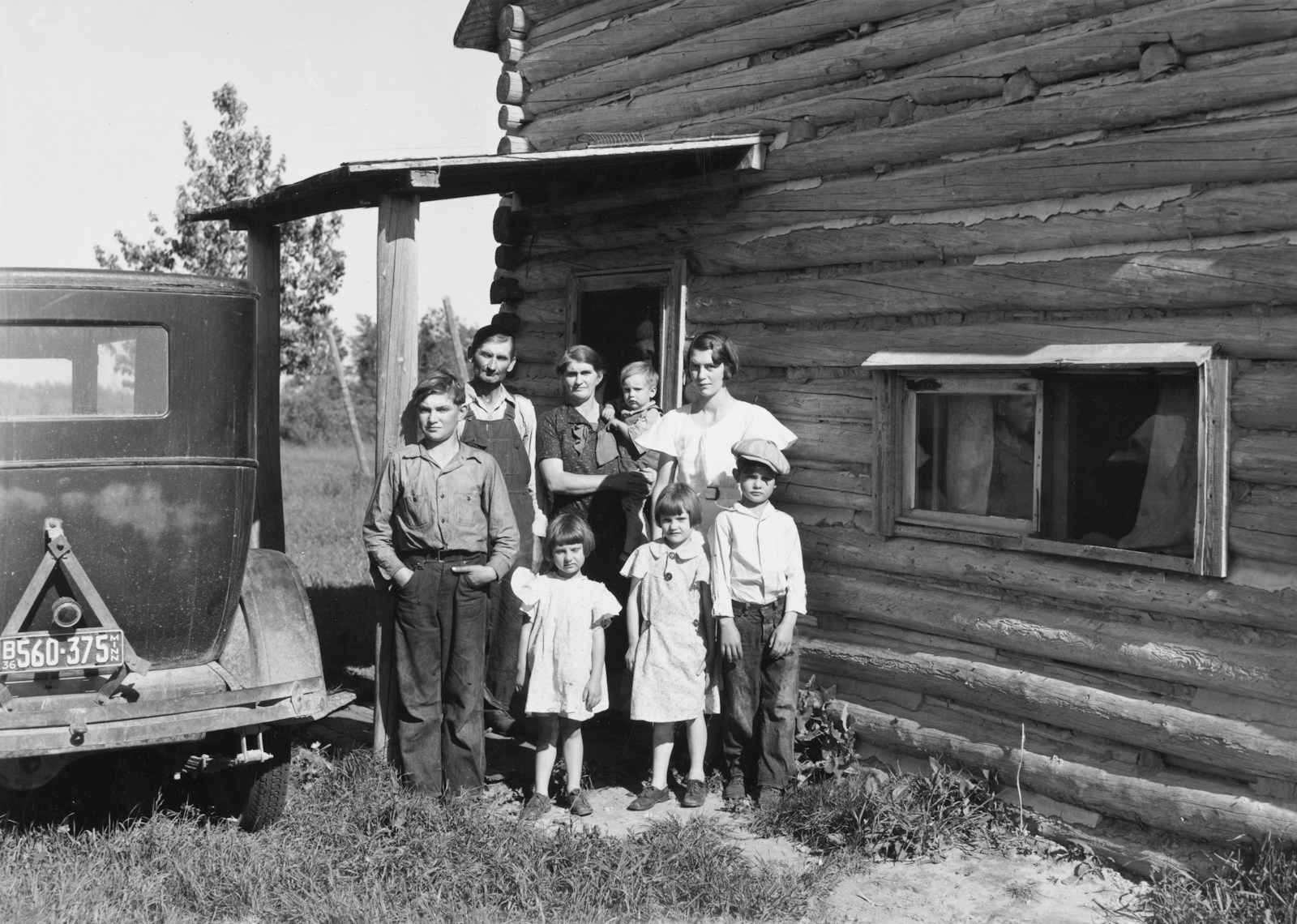
There was no air conditioning during hot summers.
Homes were often built to encourage airflow, with windows opened to catch breezes and porches providing shaded outdoor living space. Much of the hardest work was done early in the morning or later in the evening to avoid the hottest part of the day.
3. They Entertained Themselves Together
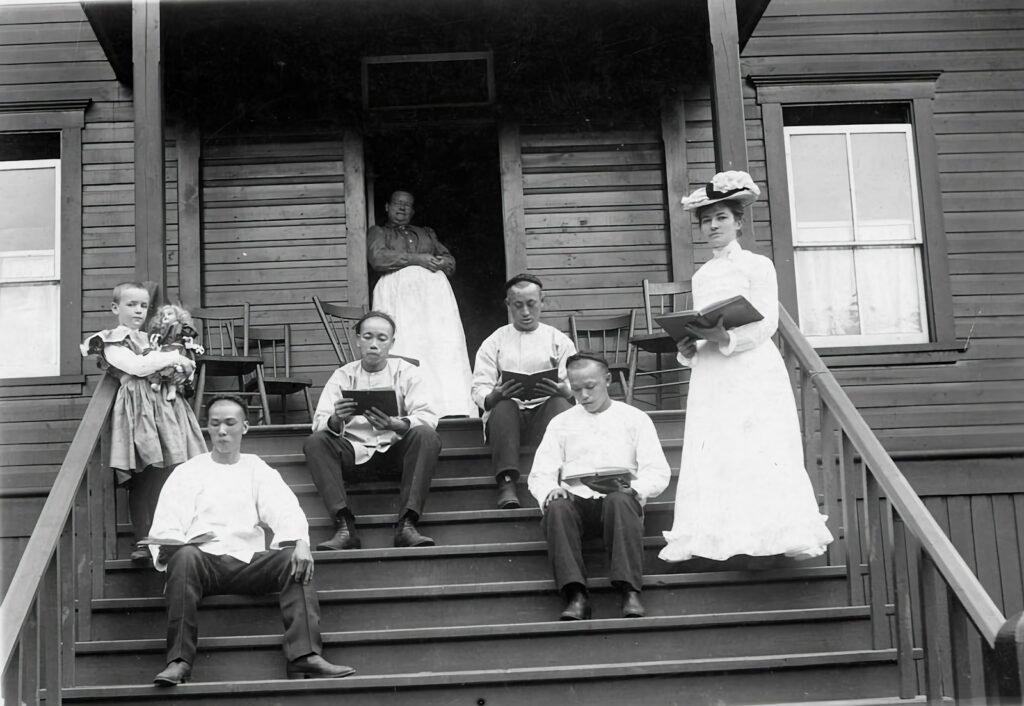
Without televisions or streaming services, evenings were often spent sharing simple forms of entertainment.
People read aloud, sang songs, played music, told stories, worked on handicrafts, or visited with neighbors. Entertainment was usually something people created rather than consumed.
2. They Used Hand Tools for Nearly Everything
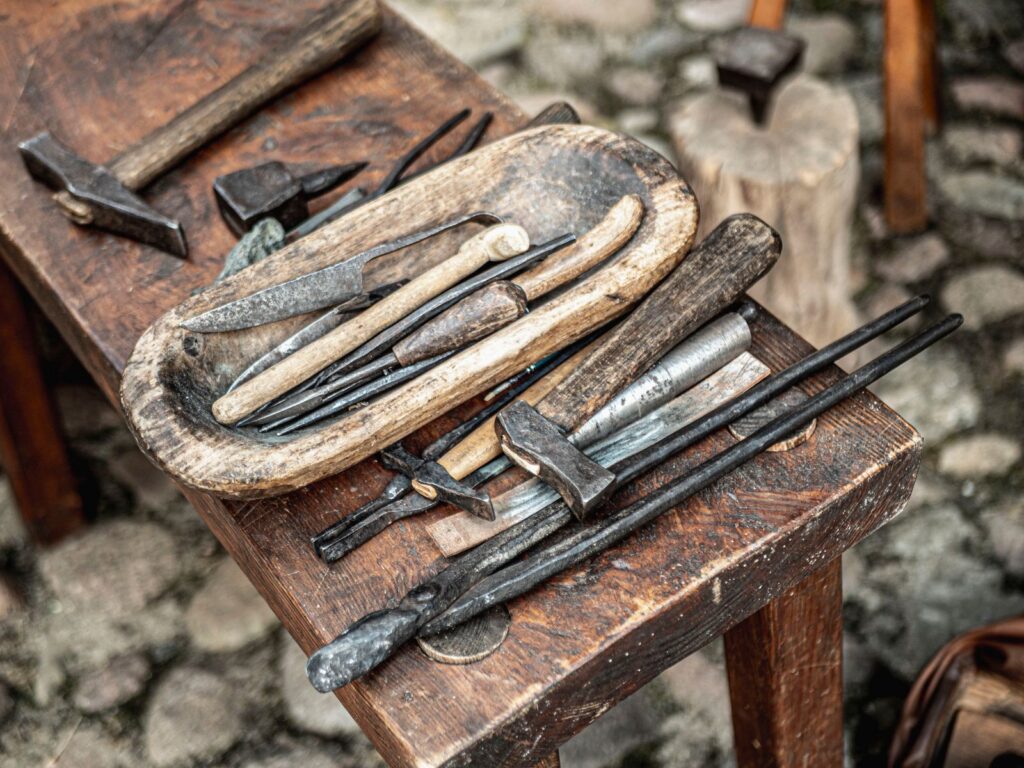
Everyday work depended on human or animal power.
From grinding grain and sawing lumber to sewing, pumping water, and churning butter, most household tasks required simple tools and plenty of physical effort instead of electric motors.
1. They Learned to Waste Very Little
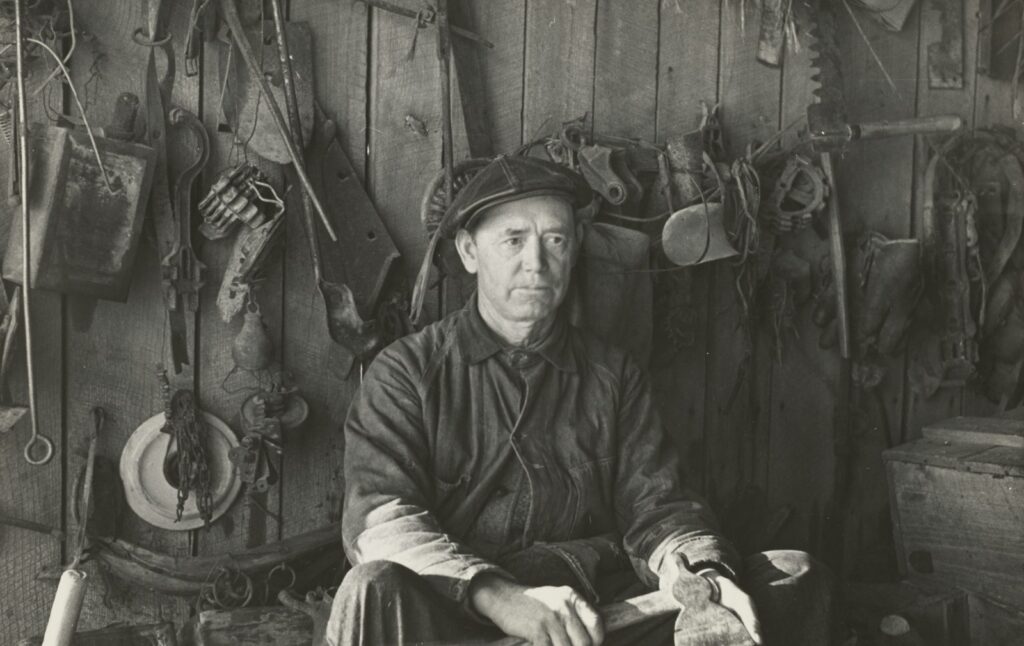
Without modern conveniences, replacing something was often expensive or impossible.
Families repaired broken tools, patched clothing, reused containers, saved scraps, and made careful use of fuel, food, and supplies. Resourcefulness wasn’t just admired on the frontier. It was essential to making a household thrive.
Read More:
- 8 Essential Household Items Every Frontier Family Relied On
- 10 Words from ‘Little House on the Prairie’ You Never Hear Now
- 10 Things That Used to Be Perfectly Legal (But Aren’t Anymore)