Laws evolve along with society. As new technologies emerge, scientific knowledge improves, and attitudes change, activities that were once completely ordinary can become illegal or tightly regulated.
Looking back at American history, it’s surprising just how many everyday practices were once permitted or loosely regulated. Here are 10 things that are now prohibited or far more restricted than they once were.
10. Mailing Children Through the Postal Service
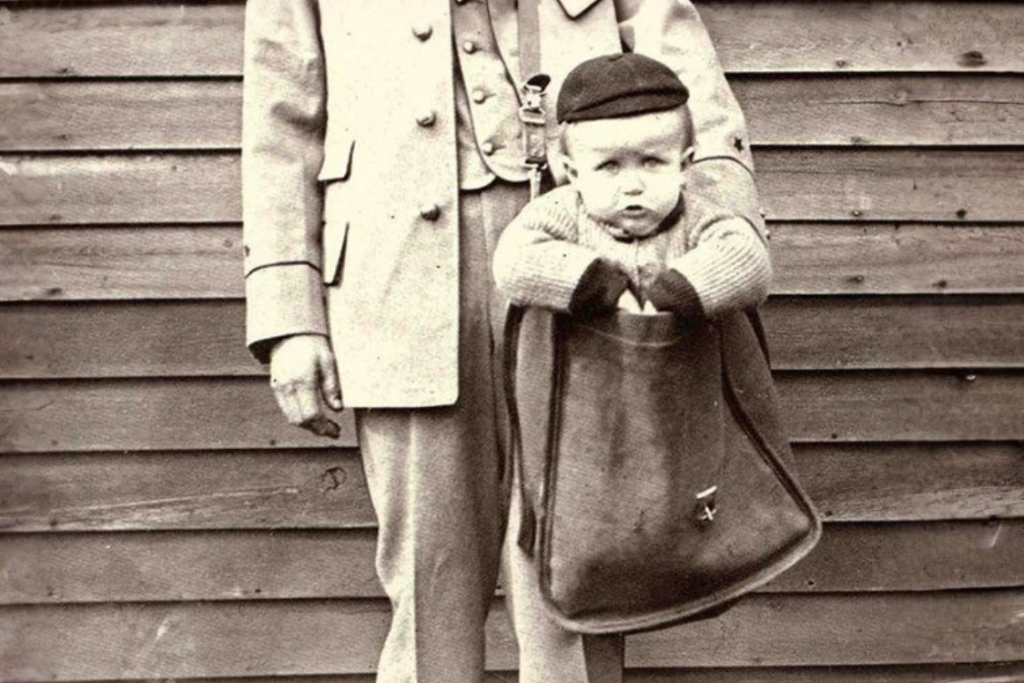
Believe it or not, a handful of families managed to send young children through the U.S. mail after Parcel Post launched in 1913.
The children traveled with mail carriers, and the practice ended quickly after postal officials clarified that people were not mailable packages.
9. Buying Medicines Containing Cocaine
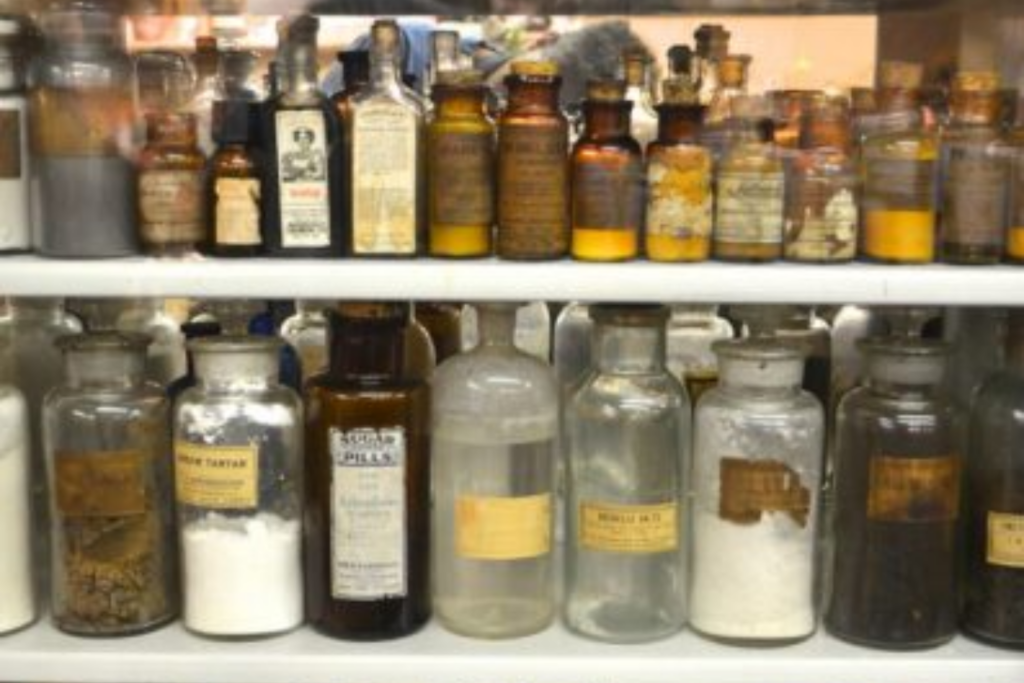
In the late 19th and early 20th centuries, cocaine appeared in some tonics and over-the-counter medicines without a prescription.
It was promoted for everything from toothaches to fatigue before growing awareness of its dangers led to tighter regulation and eventual prohibition for consumer products.
8. Buying Medicines Containing Opium
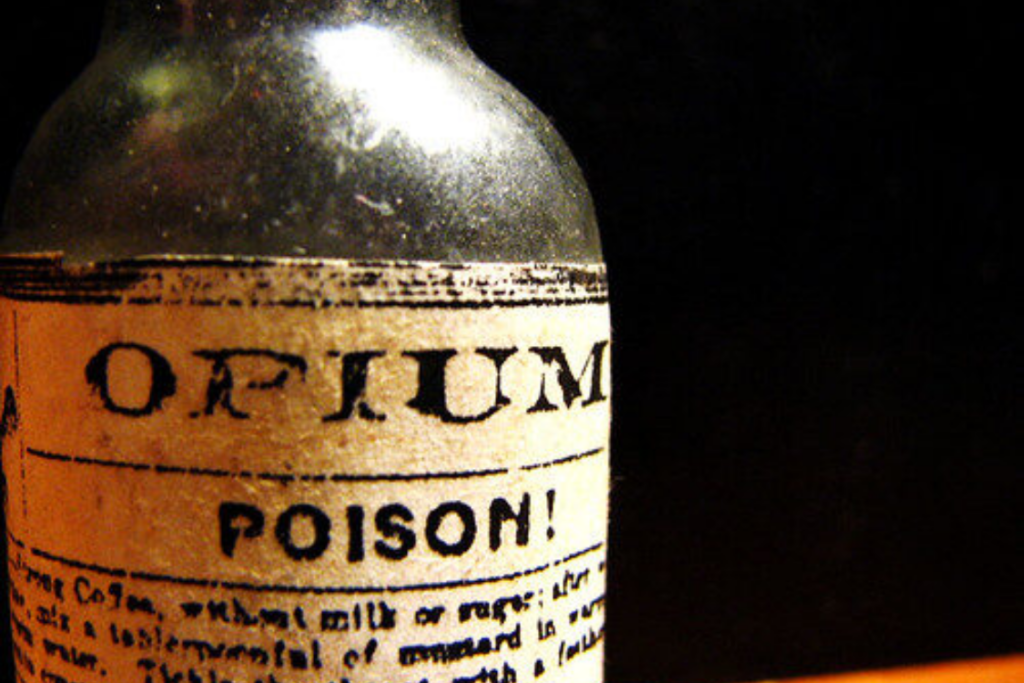
Opium and morphine were also widely available without a prescription.
They appeared in cough syrups, pain relievers, and soothing medicines marketed to both adults and children. Modern drug laws now tightly regulate these substances.
7. Children Working Full-Time in Factories
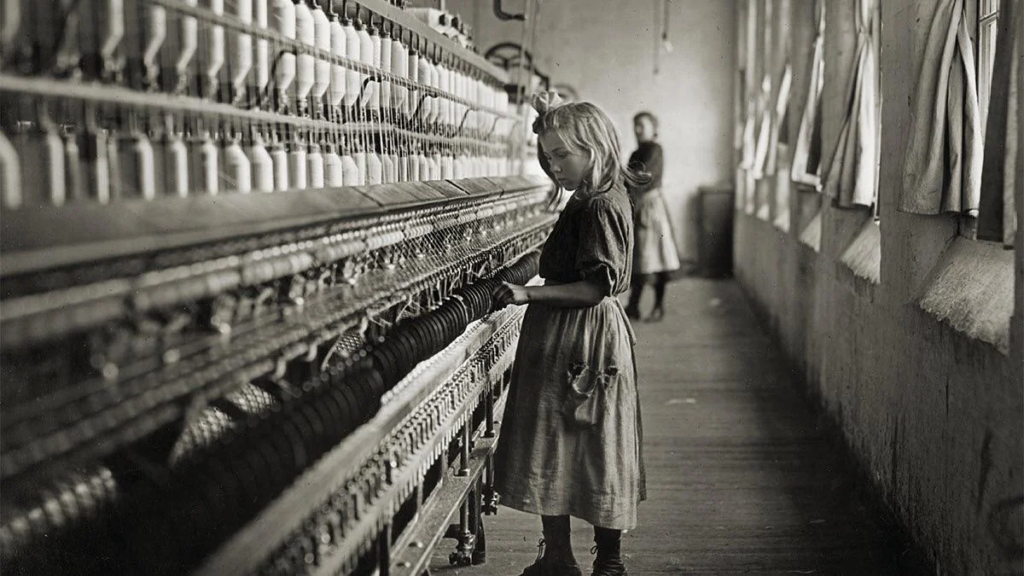
During the Industrial Revolution, many children worked long hours in factories, mines, mills, and textile plants.
Federal and state child labor protections expanded during the 20th century, dramatically limiting the hours children may work and the kinds of work children may legally perform today.
6. Selling “Miracle Cure” Medicines Without Proof
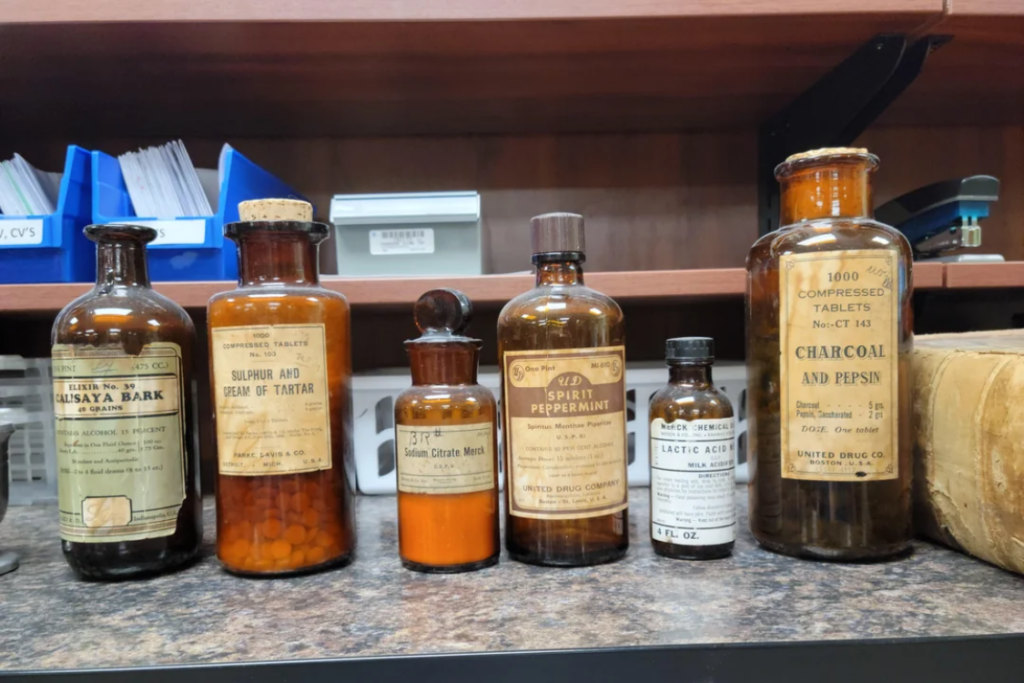
For decades, companies sold patent medicines claiming to cure dozens of illnesses.
Many products contained alcohol, stimulants, narcotics, or ineffective ingredients, and manufacturers were generally not required to prove their claims. Consumer protection laws eventually introduced stricter labeling and safety standards.
5. Smoking Almost Anywhere
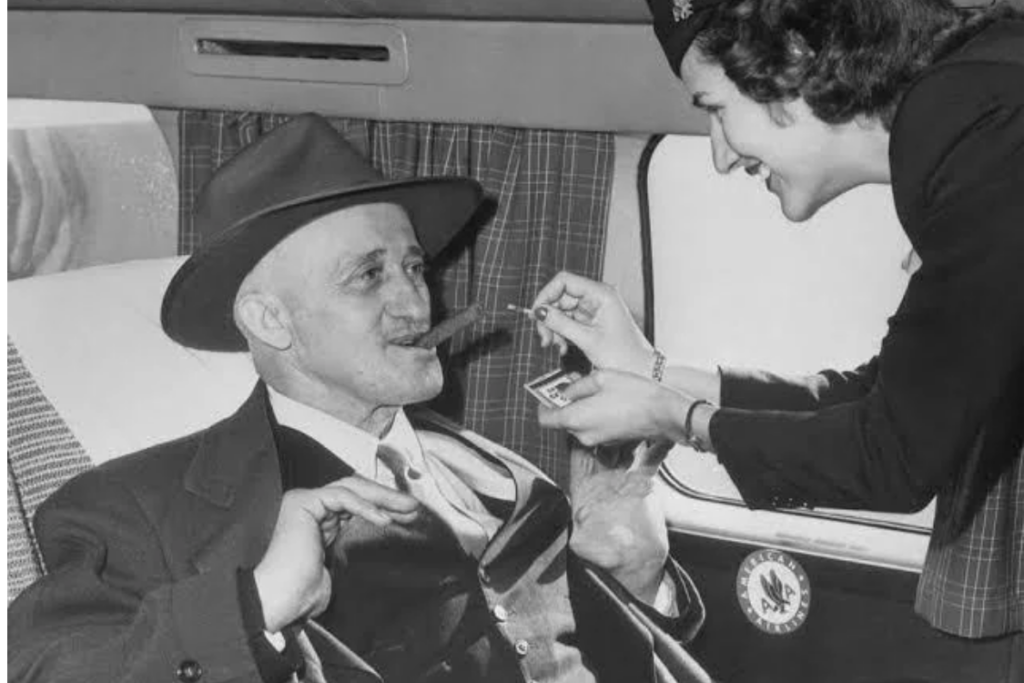
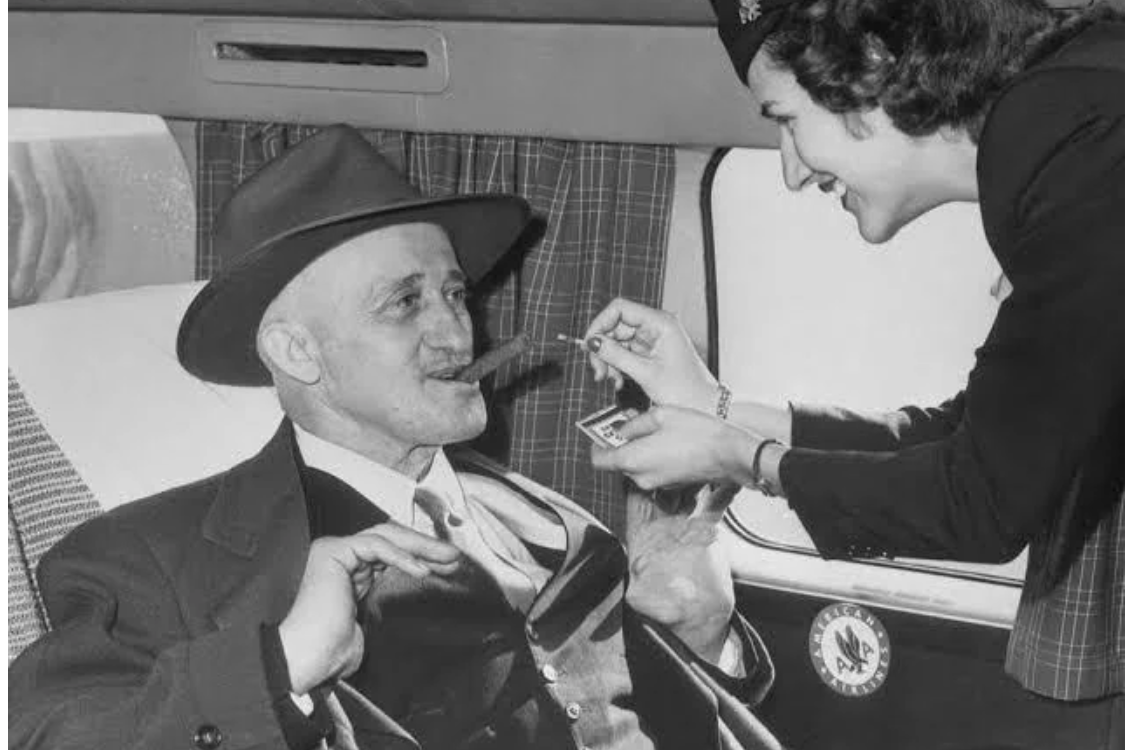
Not long ago, smoking was permitted in restaurants, airplanes, offices, shopping malls, hospitals, and many other indoor public places.
Today, smoke-free laws have dramatically reduced where smoking is legally allowed, although specific restrictions vary by country and community.
4. Driving Without a Seat Belt
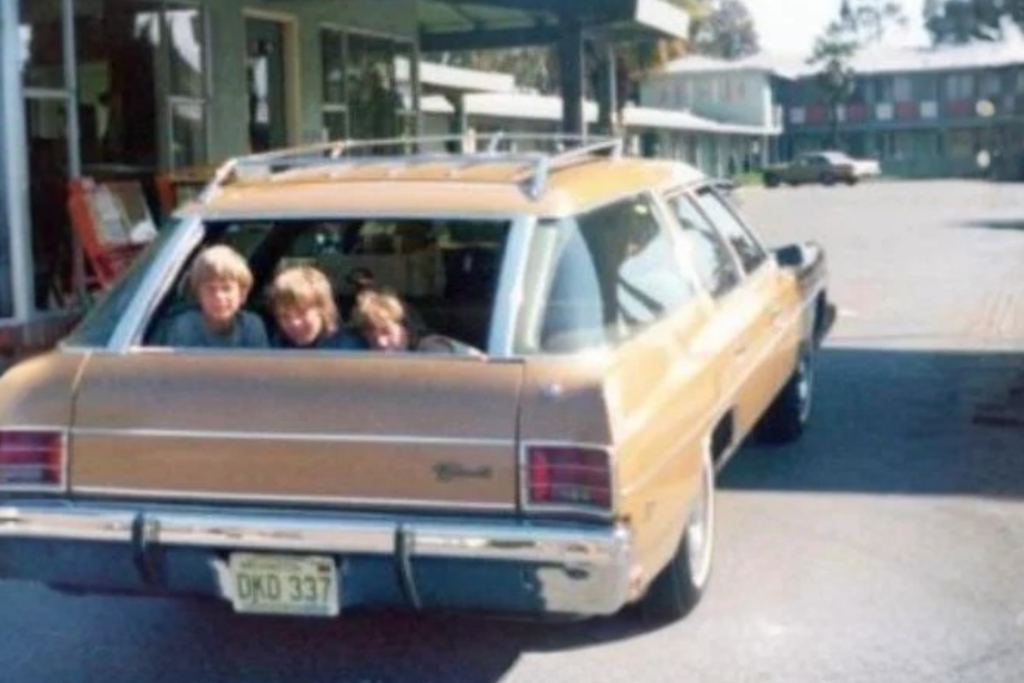
Seat belts became standard equipment in American cars during the 1960s, but wearing them wasn’t immediately required.
Beginning in the 1980s, states gradually adopted mandatory seat belt laws, making something once optional a legal requirement in most of the country.
3. Dumping Industrial Waste Into Rivers
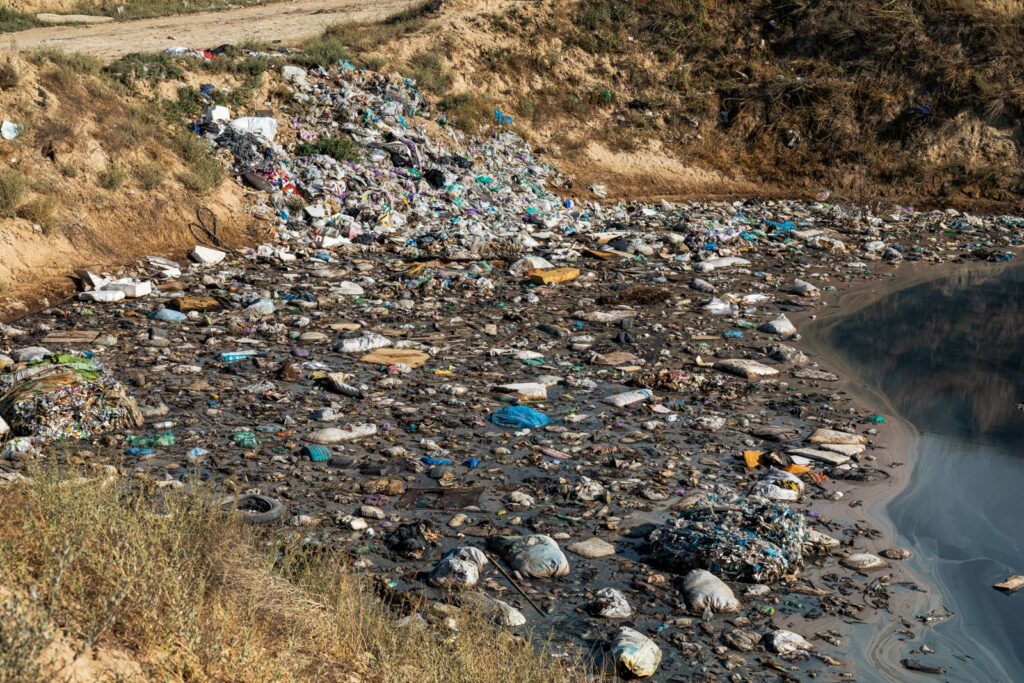
For much of American history, factories often discharged untreated waste directly into rivers and streams.
Modern environmental laws, including the Clean Water Act, placed significant restrictions on industrial pollution and generally prohibit unauthorized discharges into waterways.
2. Selling Food Without Ingredient Labels
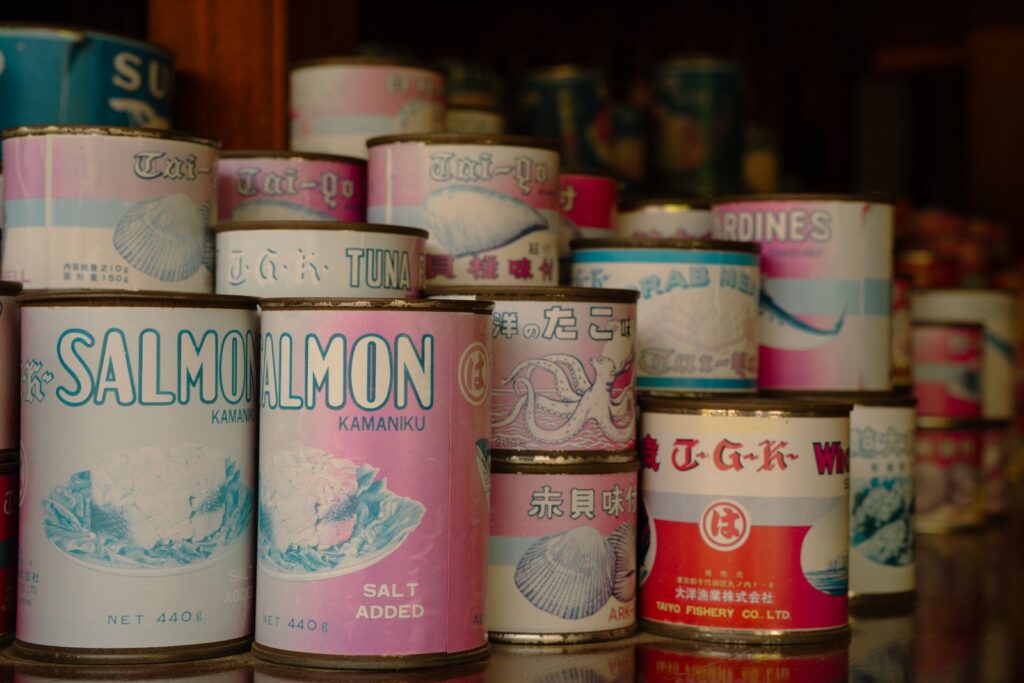
There was a time when shoppers had very little information about what was inside packaged foods.
Modern labeling laws now require ingredient lists, nutrition information, and allergy disclosures on most packaged foods, making grocery shopping far more transparent than it once was.
1. Advertising Cigarettes as Healthy
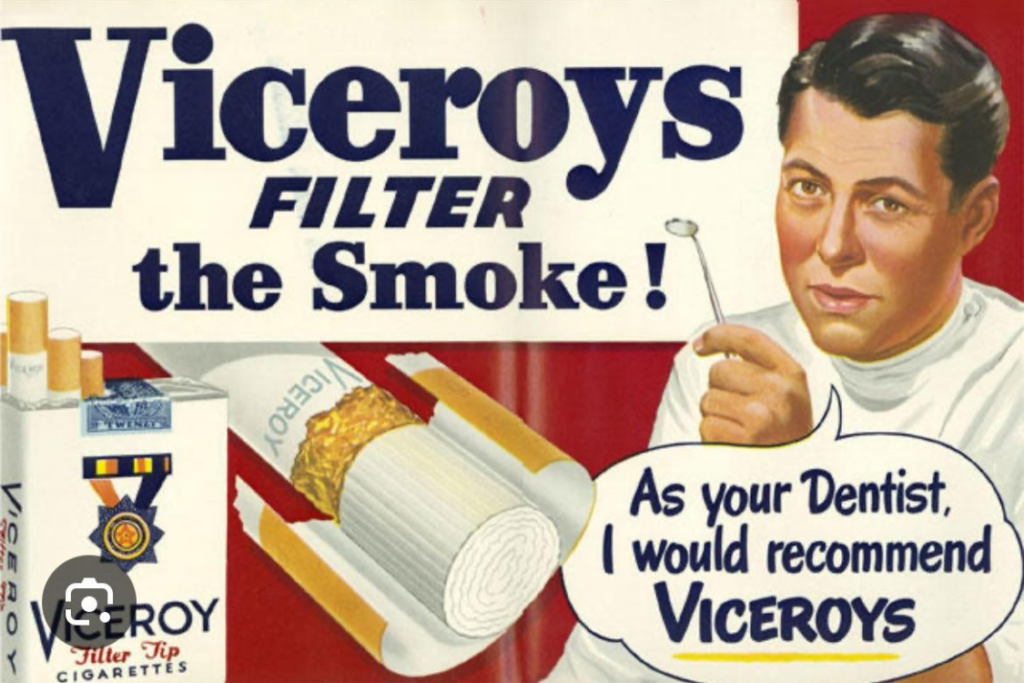
For much of the 20th century, cigarette advertisements frequently featured doctors, athletes, and health-related claims.
As scientific evidence linking smoking to serious disease became overwhelming, governments imposed strict limits on tobacco advertising and prohibited false or misleading claims suggesting that cigarettes are safe or healthy.
Read More:
- 10 Rules of Modern Life Nobody Ever Officially Made
- 15 Historical Etiquette Rules That Sound Absurd Today
- The 10 Deadliest Beauty Trends in History