
In the early 20th century, the U.S. Postal Service introduced a new parcel post service, allowing items over four pounds to be mailed. This led to some unusual and surprising uses of the postal system, including the mailing of children. While it may sound like a tale from fiction, there were indeed several instances where children were sent through the mail.
The practice, though not widespread, was a result of vague postal regulations and a creative interpretation of the new service. Here are 11 remarkable stories of children who were mailed during this peculiar time.
11. The First Mailed Baby
In January 1913, an Ohio couple made history by mailing their infant son.
They paid 15 cents for postage and insured him for $50, entrusting him to a mailman who delivered him to his grandmother’s house a mile away. This marked the beginning of a brief and unusual postal trend.
10. The Limits of Parcel Post
Initially, postal regulations were unclear about what could be sent through mail.
This led to people testing the system’s boundaries with various unusual items, including eggs and even snakes. The mailing of children was technically permissible due to these vague rules.
9. The Case of May Pierstorff

In February 1914, May Pierstorff was mailed 73 miles to her grandparents’ house.
Her Idaho family paid 53 cents for the stamps, and she was accompanied by a relative who worked as a postal worker. This incident prompted the Postmaster General to ban the mailing of humans.
8. The Longest Postal Journey

In 1915, a six-year-old girl was mailed from Florida to Virginia, covering 720 miles.
This journey was the longest recorded for a mailed child, costing only 15 cents in stamps. Despite the ban, it shows how postal regulations were still being skirted.
7. Maud Smith’s Final Journey
Three-year-old Maud Smith was mailed 40 miles in Kentucky in August 1915.
This was the last known instance of a child being sent by post. The story caught media attention, leading to investigations and further enforcement of the ban.
6. The Role of Familiarity
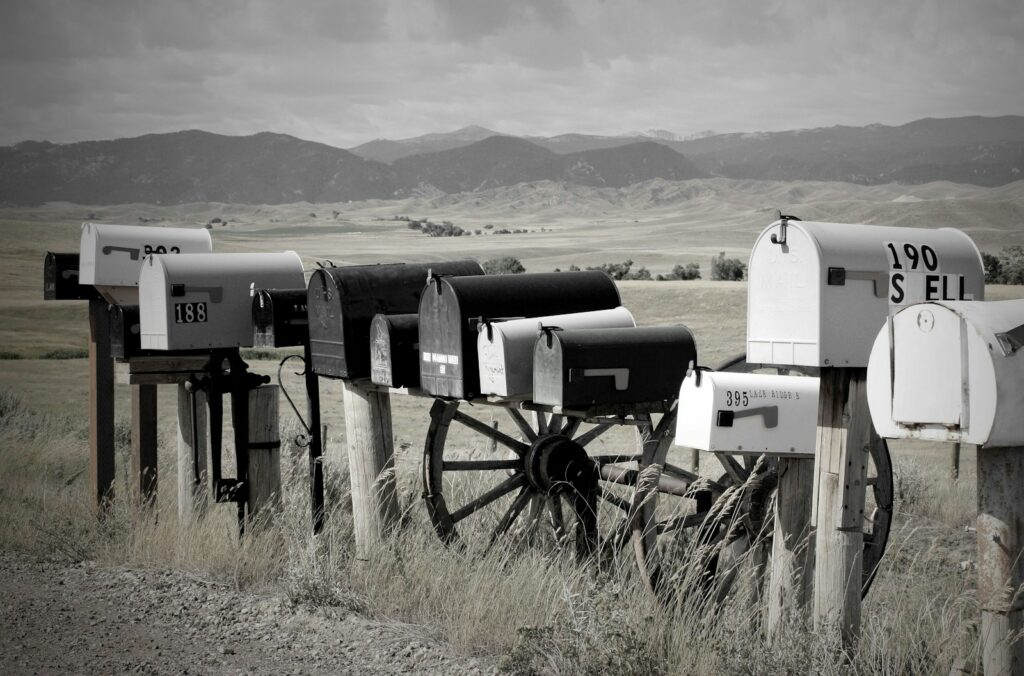
In rural areas, families often knew their mail carriers personally.
This familiarity made the idea of mailing children seem less risky, as parents trusted the mailman to safely deliver their child to relatives.
5. Staged Photographs

Some viral photos of babies in mailbags were actually staged.
These images were taken as jokes and did not represent the actual practice, which was more about safely transporting children with a trusted postal worker.
4. The End of an Era

By 1920, attempts to mail children were firmly rejected.
The First Assistant Postmaster General denied applications, clarifying that children could not be classified as “harmless live animals.” This marked the end of this peculiar postal practice.
3. The Curious Case of Regulations

The early postal service regulations were open to interpretation.
This allowed for a wide range of items to be mailed, including children, until stricter rules were enforced following publicized incidents.
2. Public Reaction and Media Coverage

Media coverage played a significant role in ending the mailing of children.
The stories captured public attention, leading to increased scrutiny and eventual regulatory changes to prevent such occurrences.
1. Legacy of a Unique Postal Era
These stories remain a fascinating part of postal history.
They highlight a time when innovation and practicality led to unusual solutions, leaving a legacy of curiosity and astonishment for future generations.
Read More:
- The 10 Deadliest Beauty Trends in History
- 10 Ways Frontier Families Managed Without Electricity
- 10 Daily Tasks Children Were Expected to Do on the Frontier