
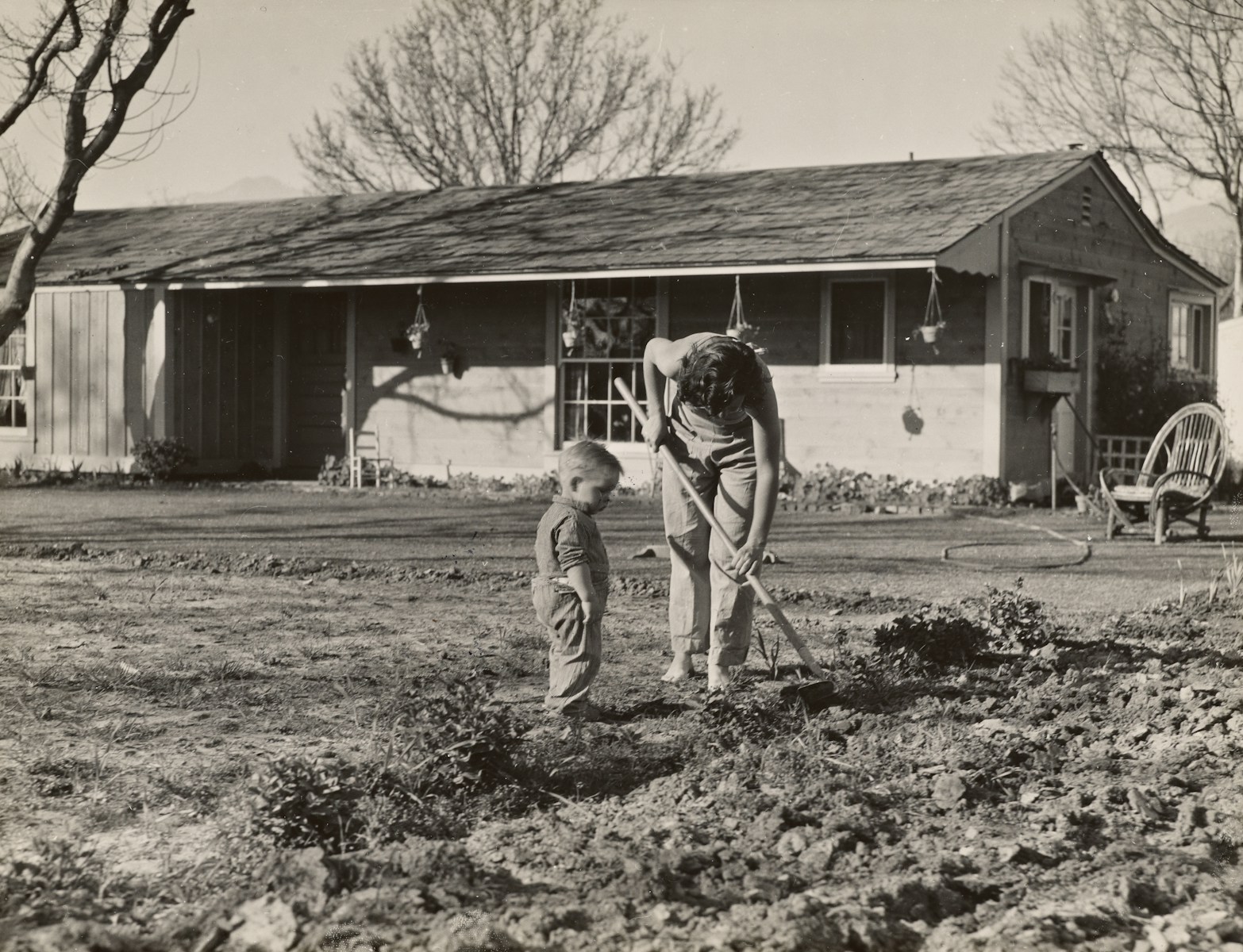
Childhood on the American frontier looked very different from what most families know today. From an early age, children were expected to contribute to the household, learning practical skills that helped keep the family fed, clothed, and safe.
While there was still time for games and imagination, chores occupied a significant part of daily life for many children. Here are 10 daily tasks many frontier children were expected to help with.
10. Gathering Firewood
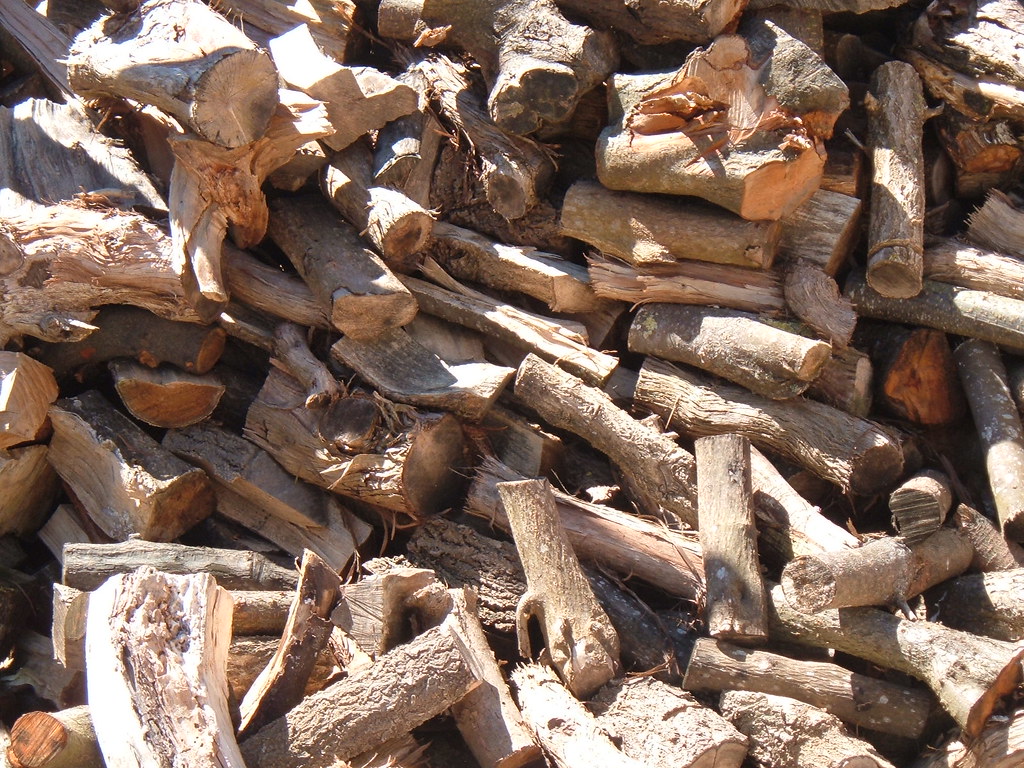
Even young children could help collect kindling and smaller branches.
Keeping the fire burning meant a constant need for fuel, and children often gathered wood close to home while older family members split larger logs.
9. Carrying Water
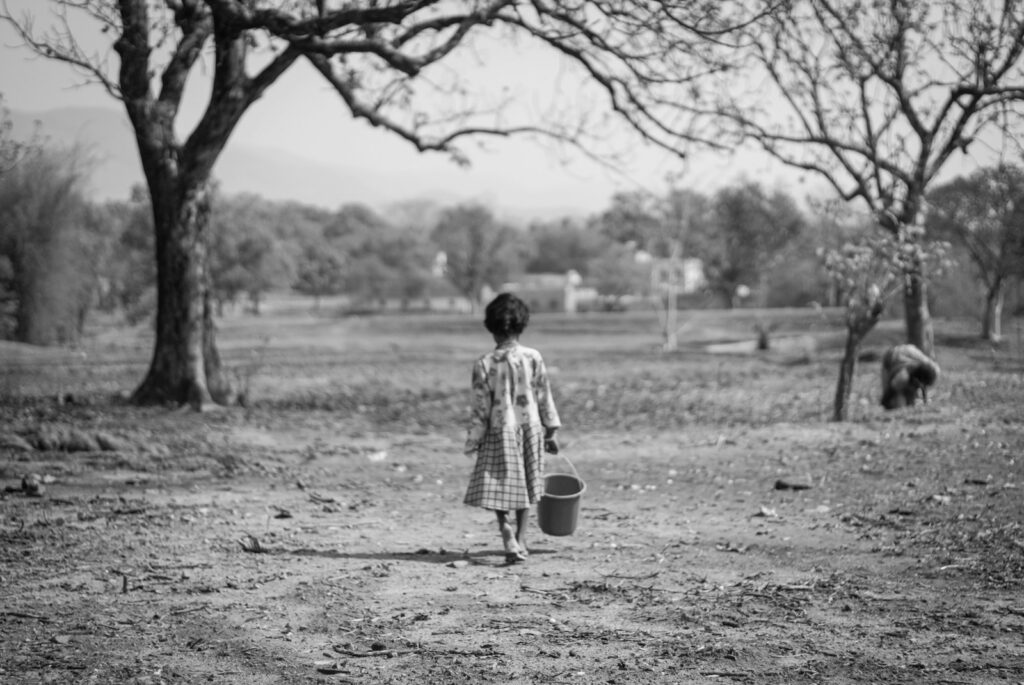
Fetching water was one of the most common chores for children.
Whether it came from a well, creek, or spring, water had to be hauled several times each day for drinking, cooking, washing, and caring for animals.
8. Feeding the Chickens
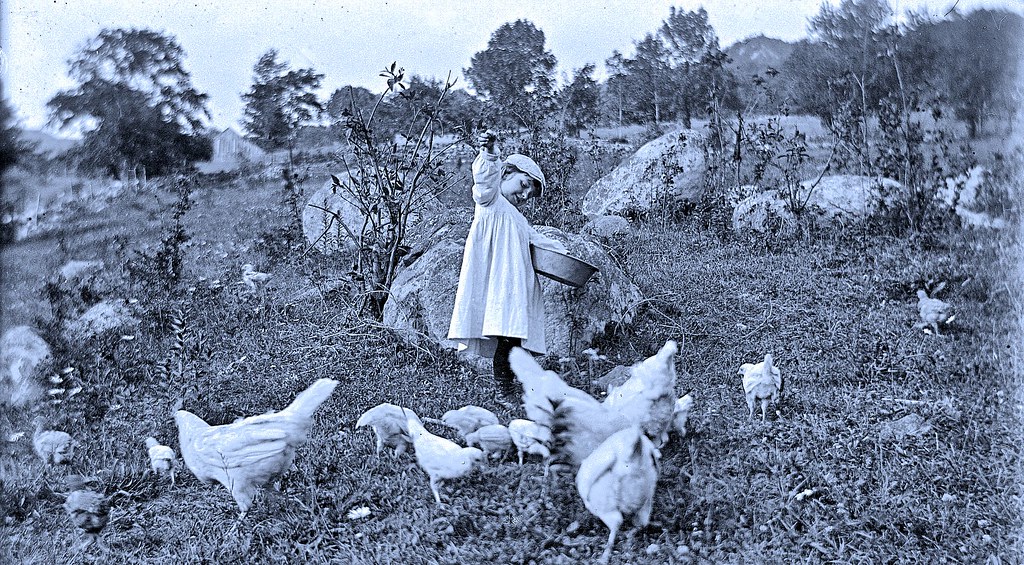
Poultry required daily attention, and children were often responsible for making sure the birds had food and water.
They also gathered eggs each morning, an important task that helped provide the family with a reliable source of protein.
7. Helping in the Garden
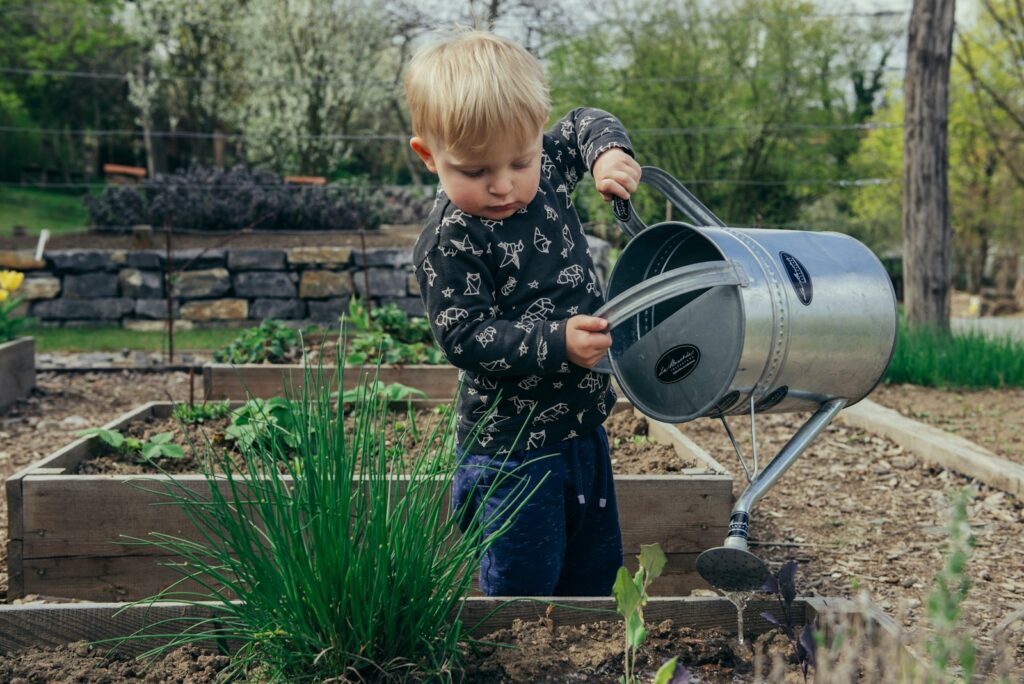
Gardens needed constant care throughout the growing season.
Children pulled weeds, watered plants, picked vegetables, and helped protect crops from hungry birds and other animals. Every helping hand made a difference during harvest time.
6. Watching Younger Brothers and Sisters
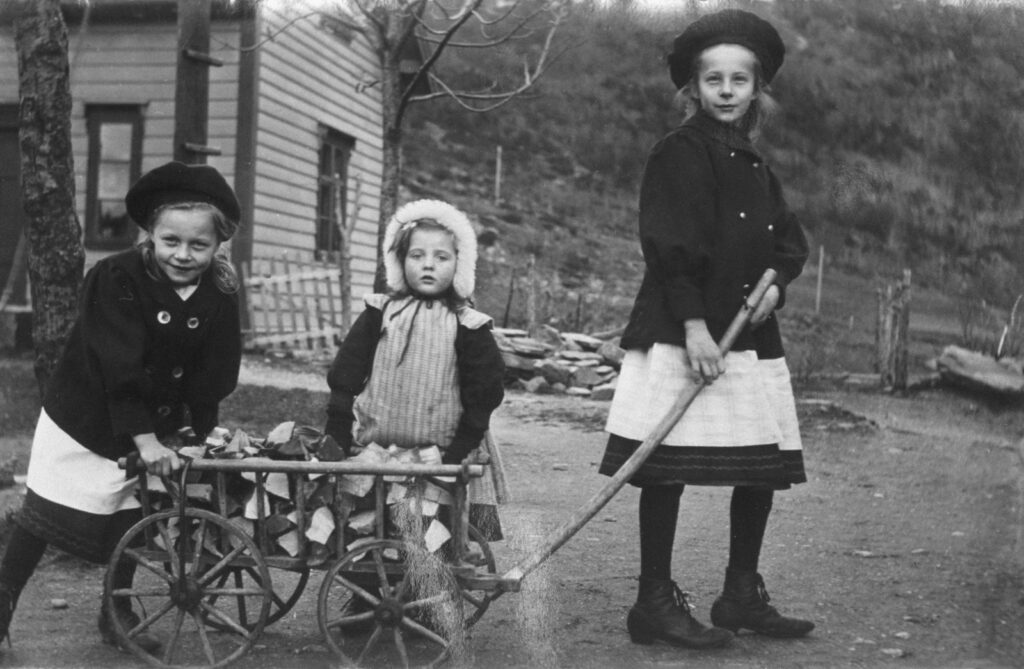
Older children often acted as extra caregivers while parents tackled other chores.
Keeping younger siblings safe, entertained, and out of trouble was considered an important responsibility that helped the entire household run more smoothly.
5. Bringing in the Livestock
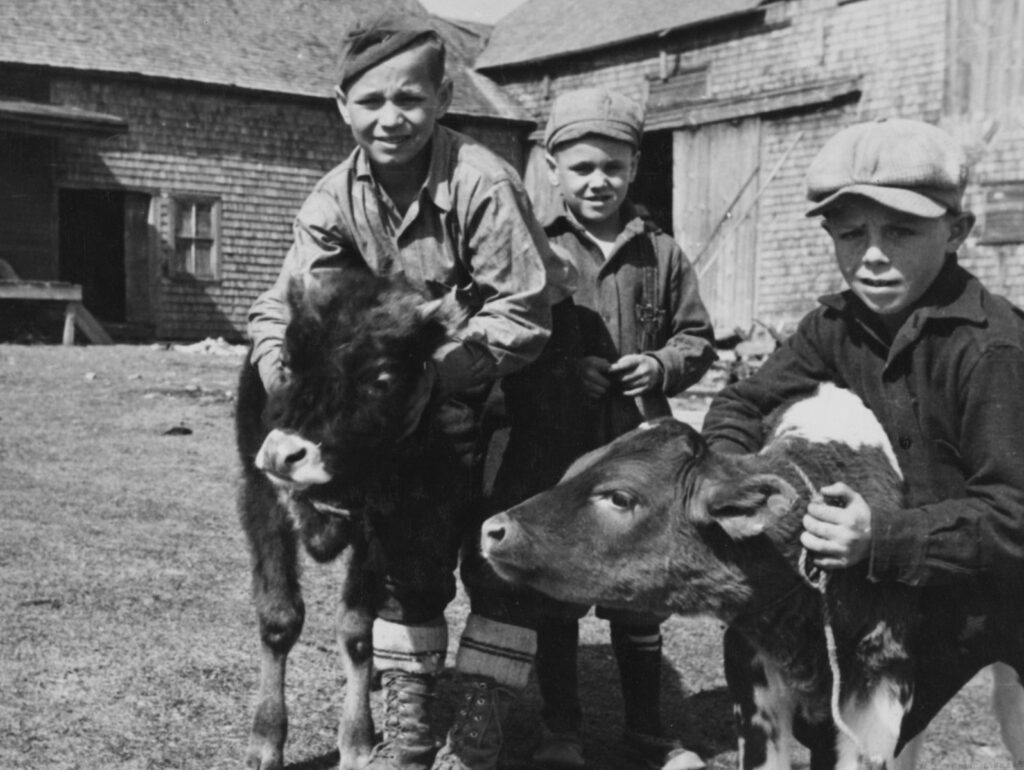
As evening approached, animals often needed to be rounded up and secured.
Children might help herd cows back to the barn, collect wandering sheep, or make sure livestock were safely enclosed before nightfall.
4. Learning to Sew or Mend
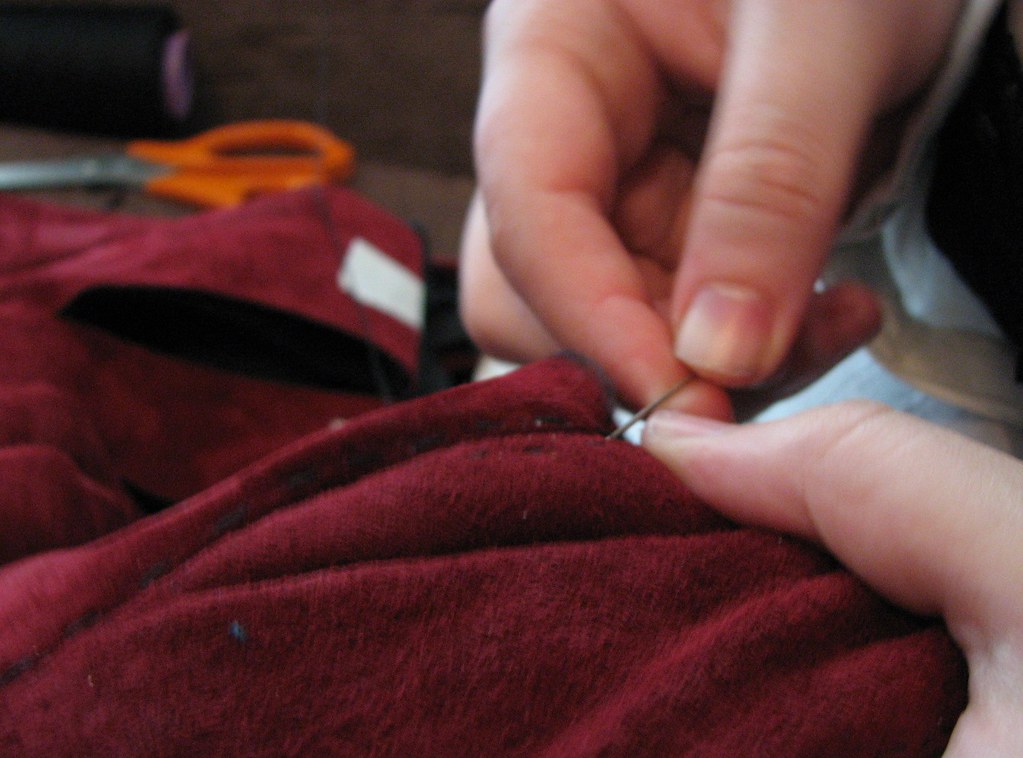
Children learned different practical skills according to their age, family, and the gender expectations of the period.
Many children practiced sewing on simple projects, patched worn clothing, or helped repair household textiles so valuable fabrics could be used for as long as possible.
3. Helping Prepare Meals
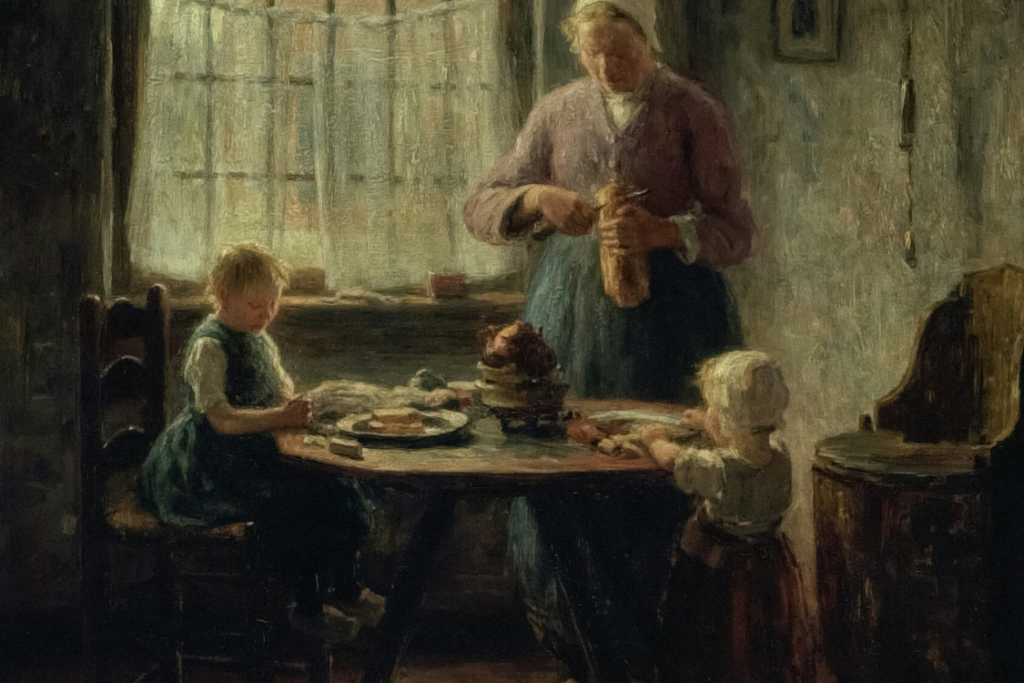
Cooking was rarely a one-person job.
Children peeled vegetables, churned butter, gathered herbs, mixed dough, set the table, and cleaned up afterward. Preparing meals became an opportunity to learn skills they would use throughout adulthood.
2. Running Errands Around the Homestead
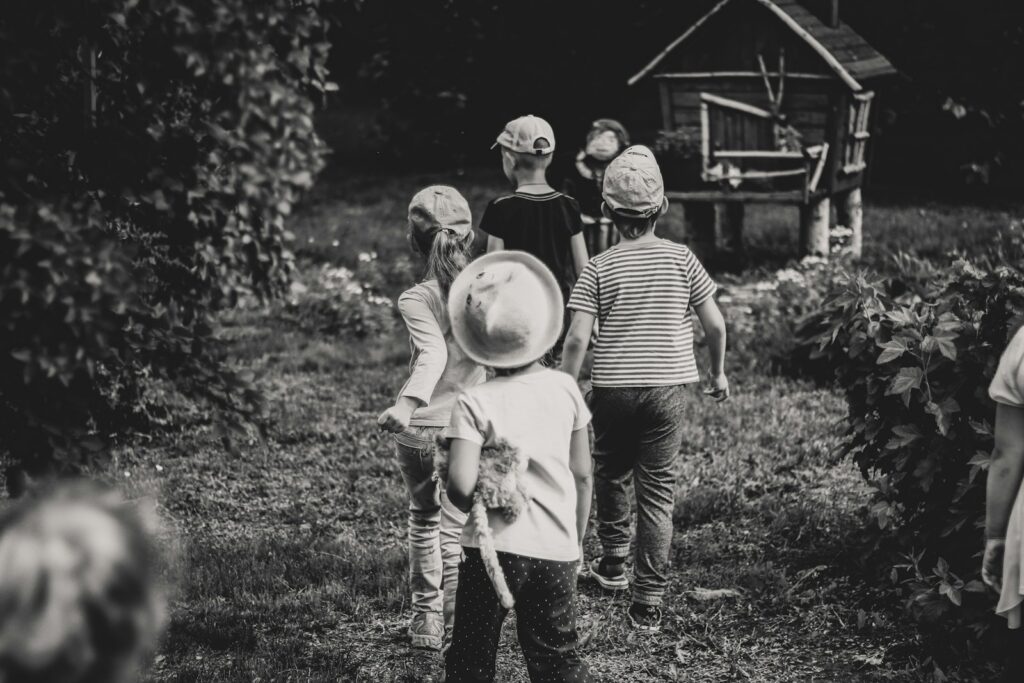
Children were frequently trusted with important jobs.
They delivered messages to neighbors, carried supplies between fields and barns, fetched tools, or accompanied older family members on trips into town. These responsibilities helped build confidence and independence from an early age.
1. Learning by Doing
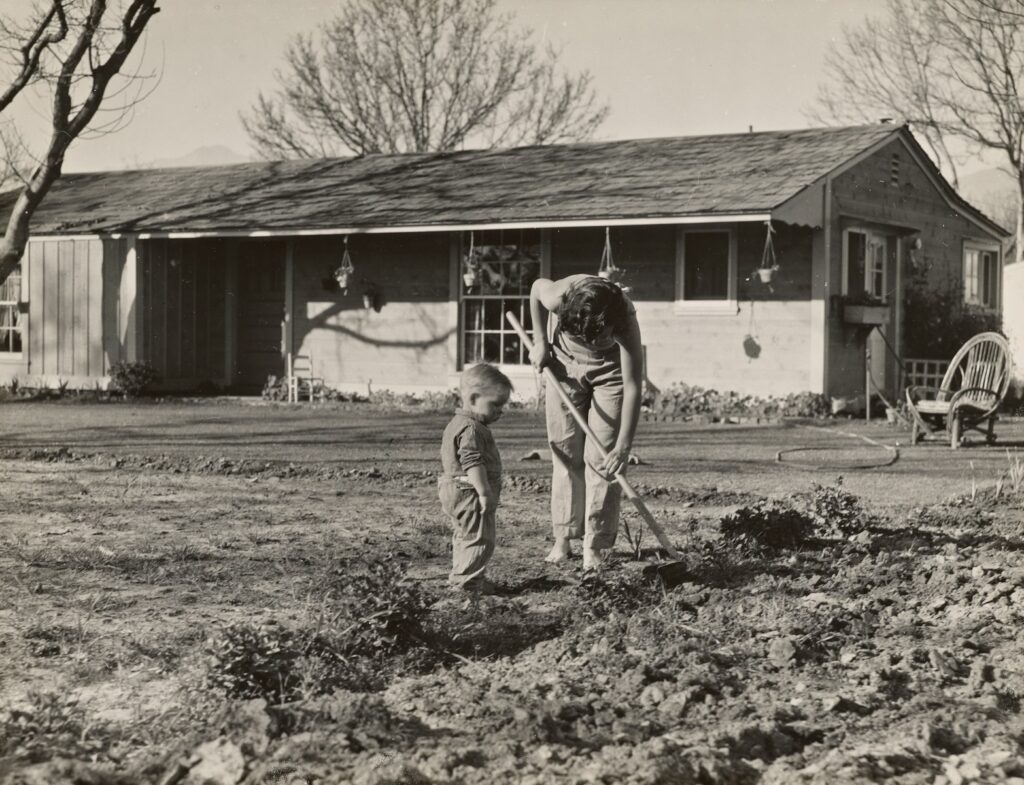
Perhaps the most important daily task wasn’t a single chore at all.
Frontier children were constantly learning the skills they would need as adults. Whether planting crops, caring for animals, repairing tools, or helping manage the household, nearly every job doubled as a lesson in self-sufficiency. On the frontier, childhood was as much an apprenticeship as it was a stage of life.
Read More:
- 10 Things That Used to Be Perfectly Legal (But Aren’t Anymore)
- 10 Words from ‘Little House on the Prairie’ You Never Hear Now
- 8 Essential Household Items Every Frontier Family Relied On