
Take That, Inflammation!
Chronic inflammation has been linked to a range of health issues, including heart disease and metabolic conditions. While certain foods, like added sugars, refined carbs, and heavily processed meats, can contribute to inflammation, others may help support the body’s natural anti-inflammatory processes.
Here are 10 common foods that may help reduce inflammation when included in a balanced diet.

10. Berries
Berries such as strawberries, blueberries, raspberries, and blackberries are rich in antioxidants, particularly anthocyanins.
These compounds help combat oxidative stress, which contributes to inflammation. Berries also provide vitamin C, fiber, and other nutrients that support overall health.
9. Salmon and Oily Fish
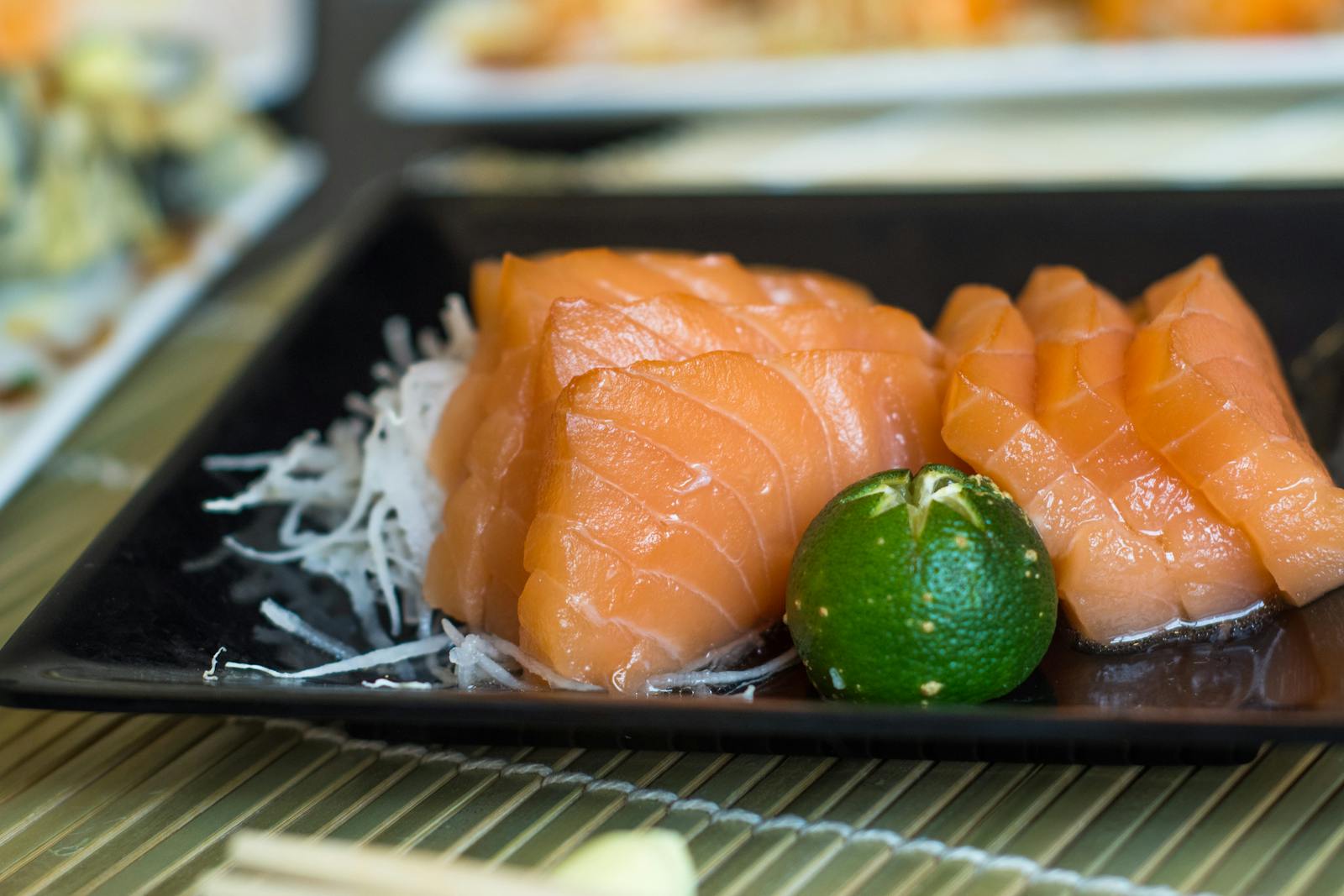
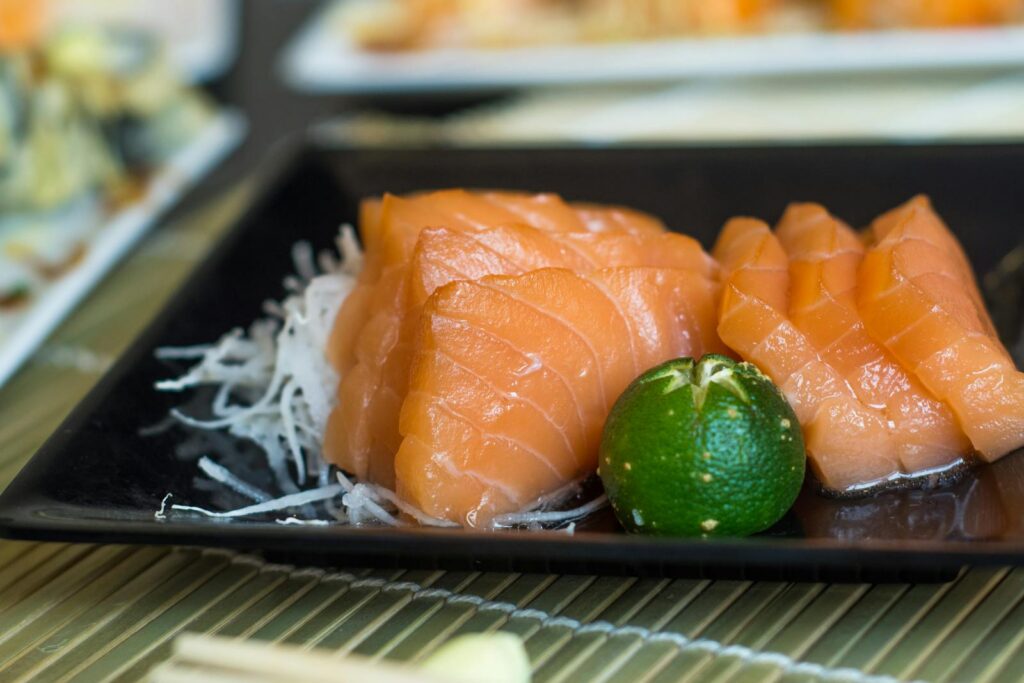
Fatty fish like salmon, sardines, mackerel, and trout are high in omega-3 fatty acids, specifically EPA and DHA.
These have been shown to help reduce markers of inflammation. Regular consumption of fatty fish is also linked to heart health benefits.
8. Broccoli and Cruciferous Vegetables
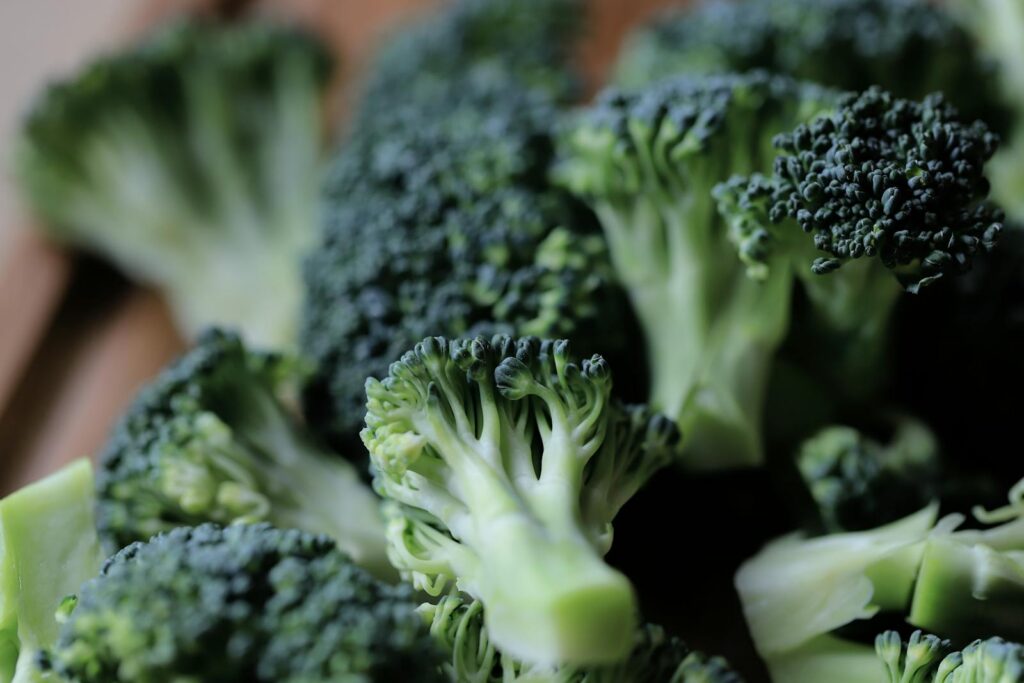
Broccoli, along with vegetables like kale, Brussels sprouts, and cauliflower, contains compounds such as sulforaphane.
This antioxidant may help reduce inflammation and support cellular health. These vegetables are also high in fiber, vitamins, and minerals.
7. Avocados
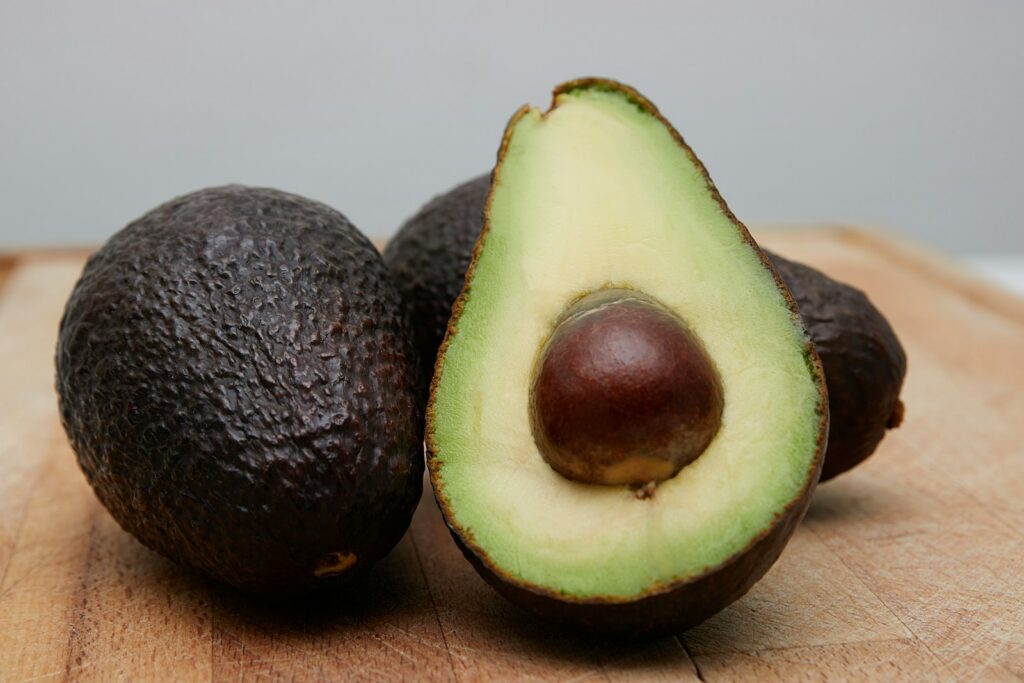
Avocados are rich in monounsaturated fats, fiber, and antioxidants like vitamin E.
These nutrients may help support heart health and reduce markers of inflammation, especially when replacing less healthy fats in the diet.
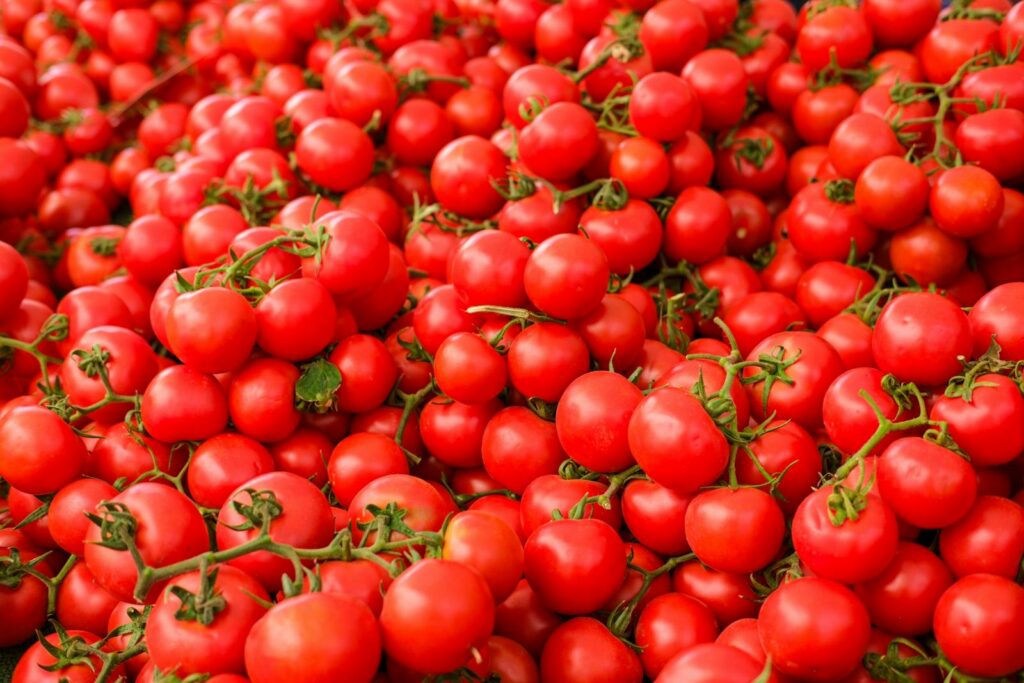
6. Tomatoes
Tomatoes are a major source of lycopene, a powerful antioxidant linked to reduced inflammation.
Cooking tomatoes (such as in sauces) can increase the body’s ability to absorb lycopene.
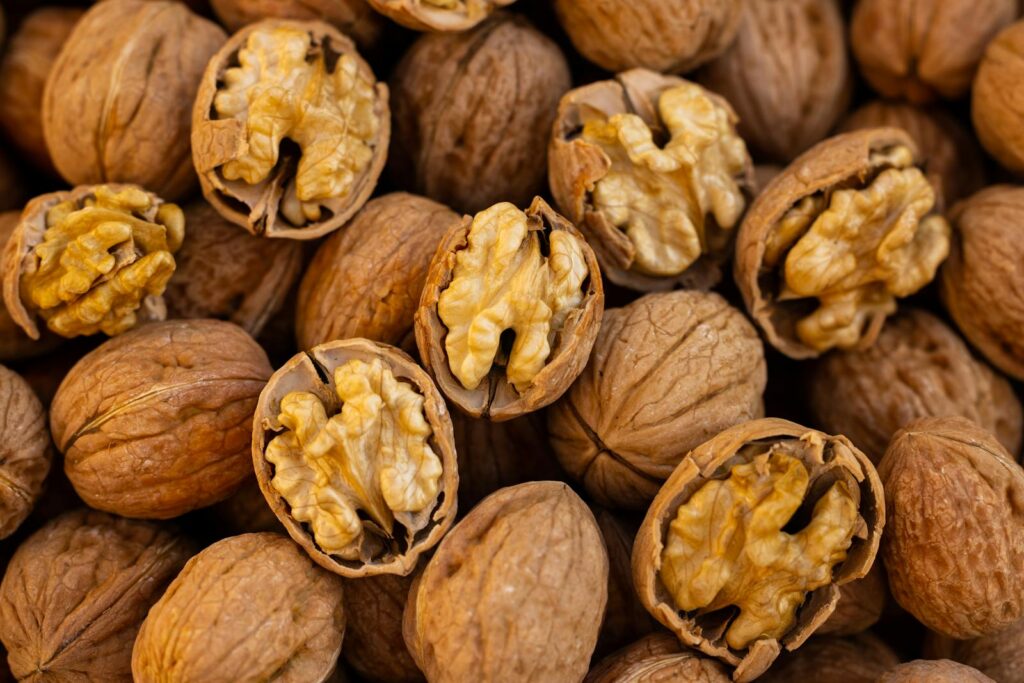
5. Walnuts and Almonds
Nuts like walnuts and almonds provide healthy fats, fiber, and antioxidants.
Walnuts, in particular, contain plant-based omega-3s (ALA), while almonds are rich in vitamin E—both of which may help reduce inflammation.

4. Green Tea
Green tea contains polyphenols, including EGCG (epigallocatechin gallate), which has been studied for its anti-inflammatory and antioxidant effects.
Drinking green tea regularly may also support heart and metabolic health.

3. Olive Oil
Extra virgin olive oil is a key component of the Mediterranean diet and is rich in monounsaturated fats and antioxidants.
It contains compounds like oleocanthal, which has been shown in laboratory studies to have anti-inflammatory effects similar to those of mild NSAIDs.

2. Oranges
Oranges and other citrus fruits are high in vitamin C and flavonoids.
These nutrients help support immune function and may reduce inflammation. Whole oranges also provide fiber, which supports digestive health.

1. Turmeric
Turmeric contains curcumin, a compound known for its anti-inflammatory properties.
Curcumin is best absorbed when consumed with black pepper and fat. While it’s commonly used as a spice, more concentrated effects are typically seen in supplement form.

The Bottom Line
No single food can eliminate inflammation on its own, but a diet rich in whole, nutrient-dense foods can make a meaningful difference over time.
Focusing on fruits, vegetables, healthy fats, and lean proteins—while limiting processed foods—can help support overall health and reduce inflammation naturally.
Related:
- The 15 Best Foods for Your Immune System
- 10 Foods That Support Brain Health (Backed by Science)
- 10 Surprising Foods That Can Improve Your Digestion