Wanting to feel healthier is great. Falling for questionable diet trends? Not so much.
While some eating plans are grounded in science, others range from ineffective to outright dangerous. Here are 10 extreme diets that deserve a hard pass.
10. Ear Stapling

Ear stapling is often marketed as a weight-loss shortcut inspired by acupuncture, but it’s not the same thing.
Unlike traditional auricular acupuncture (which is performed by trained practitioners), ear stapling involves leaving a metal staple in the ear for extended periods. There’s no solid scientific evidence that it aids weight loss, and it comes with real risks like infection and tissue damage.
So…maybe don’t DIY medical procedures for dieting.
9. Bulletproof Coffee
Yes, this is the one where you put butter and oil in your coffee.
Popular in some keto circles, “Bulletproof coffee” is essentially coffee blended with butter and MCT oil. While it may help some people feel full, it’s extremely high in saturated fat and calories, and it’s not a magic weight-loss solution.
Replacing a balanced breakfast with a cup of fat isn’t exactly nutritional enlightenment.
8. Apple Cider Vinegar Diet
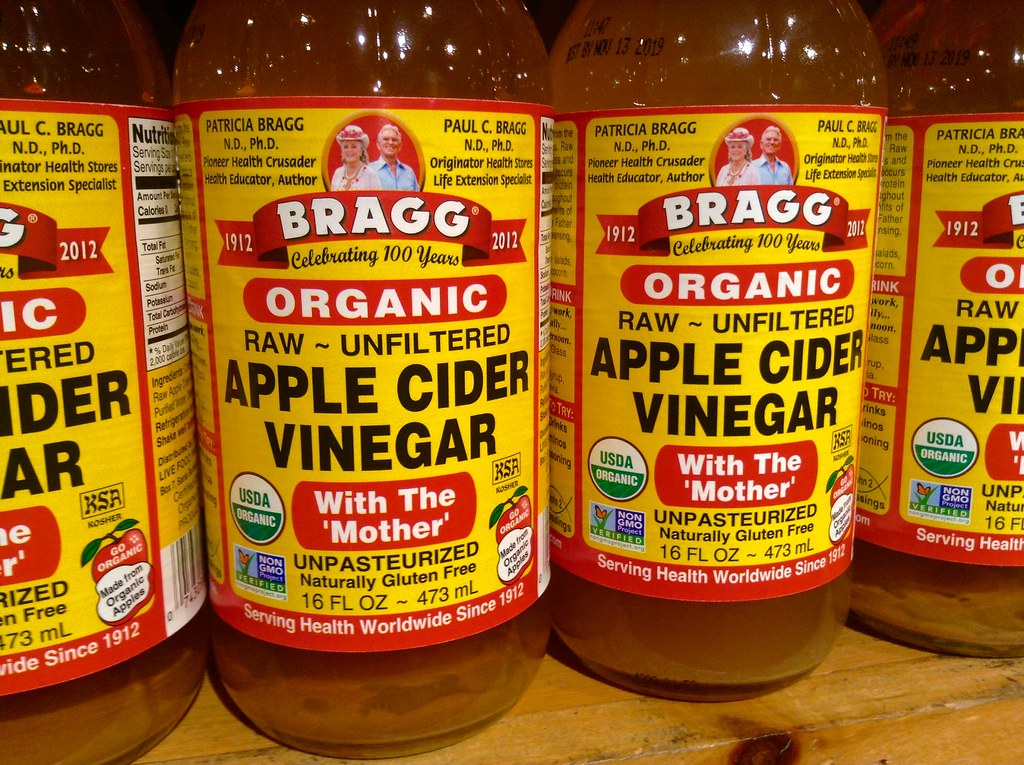
Apple cider vinegar has been hyped for everything from weight loss to “detoxing.”
Small amounts are generally safe and may have modest benefits (like helping with blood sugar control), but it’s not a miracle cure. Drinking it in large quantities or undiluted can damage tooth enamel, irritate your throat, and upset your stomach. And no, celebrity endorsements don’t make it science.
7. Juice Cleanses

If your “diet” involves not actually eating food, that’s usually a red flag.
Juice cleanses often promise detoxification, but your liver and kidneys already handle that job just fine. These cleanses are typically low in protein and fiber, leaving you feeling tired, hungry, and short on essential nutrients.
You might lose weight, but a lot of it is water and muscle, not fat.
6. Tongue Patch Diet
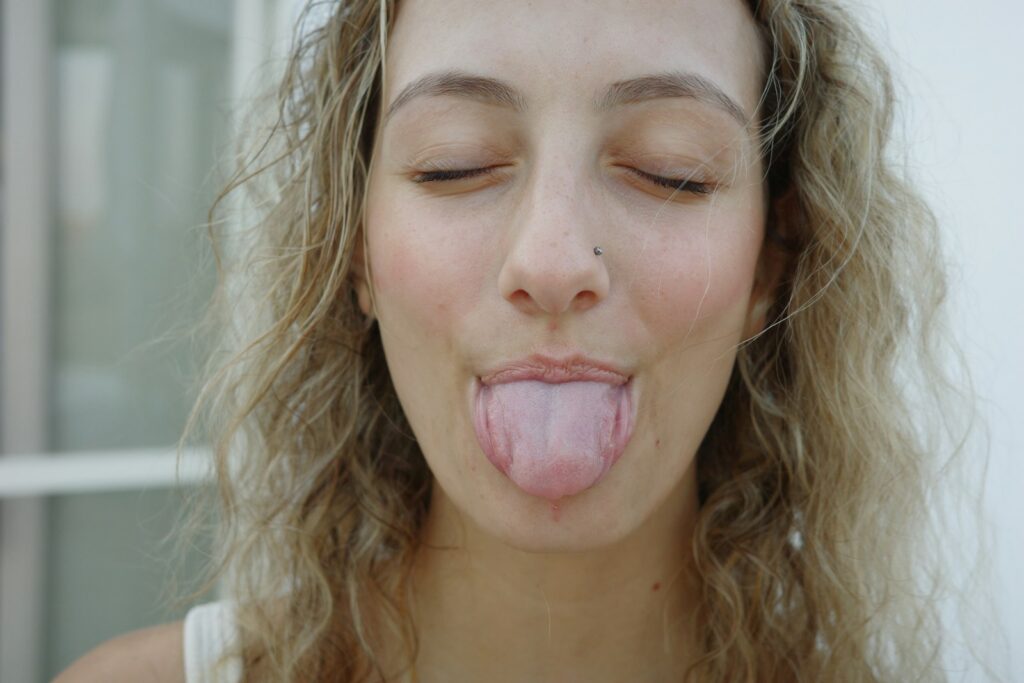
Yes, this one is exactly as unpleasant as it sounds.
The tongue patch diet involves surgically attaching a rough patch to the tongue to make eating solid food painful. Participants are then limited to a very low-calorie liquid diet. It’s not widely accepted in medical practice, and experts have raised concerns about pain, infection, and disordered eating behaviors. Hard pass.
5. Cabbage Soup Diet
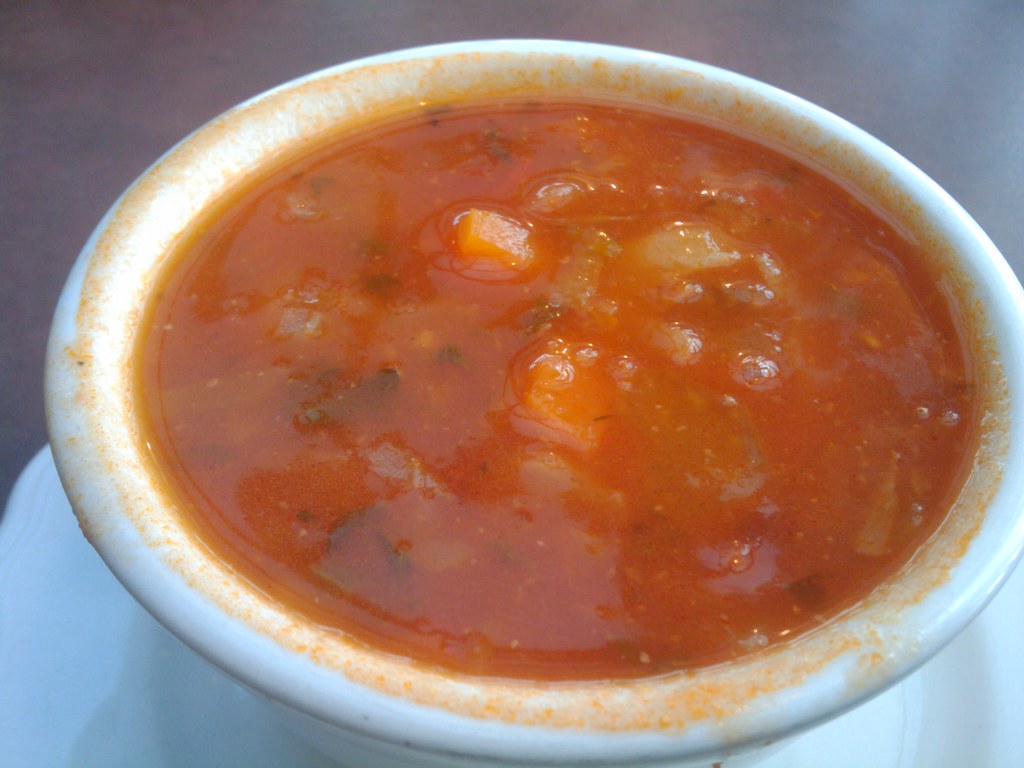
This diet revolves around eating large amounts of—you guessed it—cabbage soup.
It’s a short-term, very low-calorie plan that can lead to quick weight loss, but it’s not nutritionally balanced or sustainable. Most of the weight lost is temporary, and the lack of protein and variety can leave you feeling weak and unsatisfied.
Even Willy Wonka would probably recommend something else.
4. Tapeworm Diet
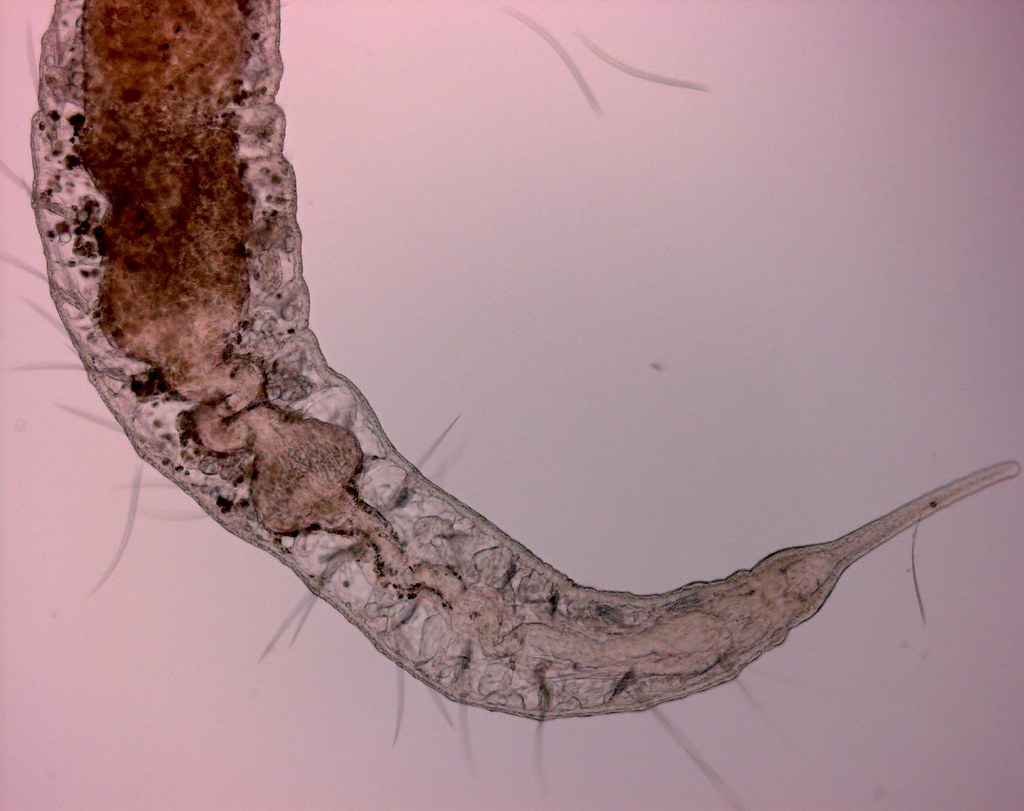
This one sounds like a horror story because it basically is.
The idea of intentionally ingesting parasites for weight loss has circulated for over a century, but there’s no legitimate medical use for this, and it’s extremely dangerous. Tapeworm infections can lead to serious health complications, including nutrient deficiencies and organ damage.
Thankfully, this is more myth than modern trend, but it still pops up often enough to warrant a warning.
3. Cigarette Diet

At one point, cigarettes were actually marketed as an appetite suppressant. Seriously.
While nicotine can reduce appetite, smoking comes with overwhelming health risks, including cancer, heart disease, and respiratory illness. Trading snacks for cigarettes is not a wellness strategy—it’s a public health disaster.
2. Cotton Ball Diet

This “diet” involves eating cotton balls (sometimes soaked in juice) to feel full.
Let’s be clear: cotton is not food. Consuming it can lead to choking, intestinal blockages, and serious digestive issues. If a diet requires you to eat non-food items, it’s not a diet—it’s a medical emergency waiting to happen.
Read Craving Junk Food? Try These Healthier Swaps Instead for smarter food choices.
1. Breatharianism

Breatharianism claims that people can survive without food and sometimes even without water.
There is no scientific basis for this. The human body requires nutrients and hydration to function. Cases linked to this practice have resulted in severe malnutrition and death. Despite the mystical branding, this is simply starvation, not enlightenment.
Explore Why the Mediterranean Diet Keeps Winning (20 Big Reasons) for a more balanced approach.
The Bottom Line
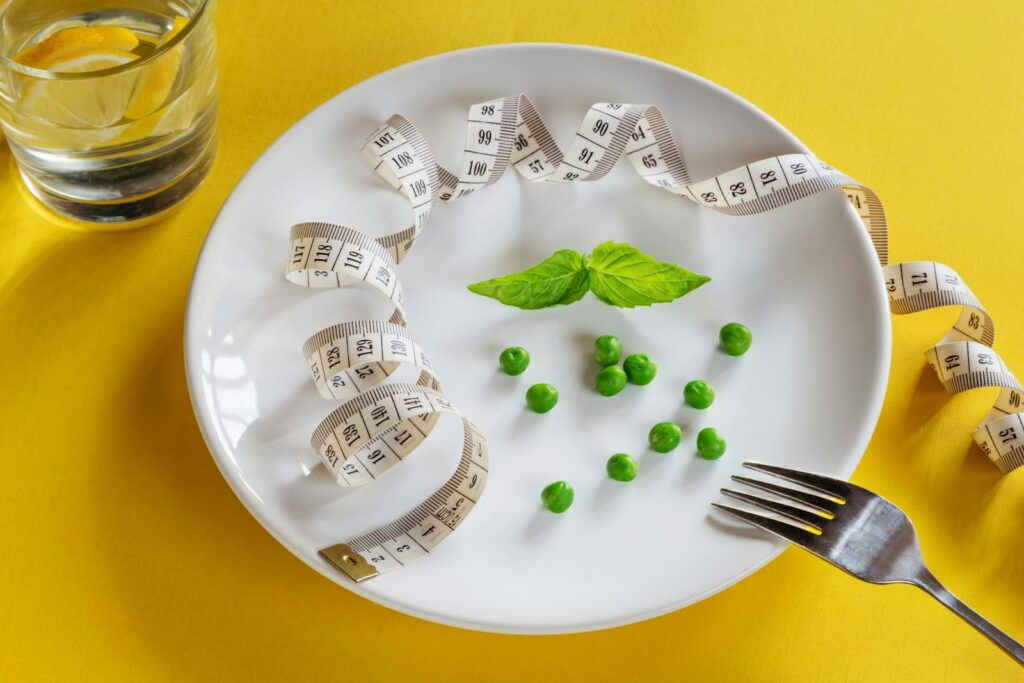
If a diet sounds extreme, painful, or too good to be true—it probably is.
Sustainable health comes from balanced nutrition, not shortcuts or shock-value trends. When in doubt, stick with approaches backed by actual science (and maybe avoid anything involving staples, parasites, or cotton balls).
Check 10 Surprising Foods That Can Improve Your Digestion for more practical nutrition tips.