Before online gaming, before apps, before you could scream into a headset at strangers—there were arcades. Glorious, noisy, neon-lit arcades. You showed up with a pocket full of quarters, questionable hand-eye coordination, and zero concept of time.
From the late ’70s through the ’90s, arcades were the place to hang out. Parents dropped you off and hoped for the best. You left smelling like pizza and victory (or defeat). These were some of the biggest arcade names from back in the day—so where did you spend your allowance?
Tilt Arcades
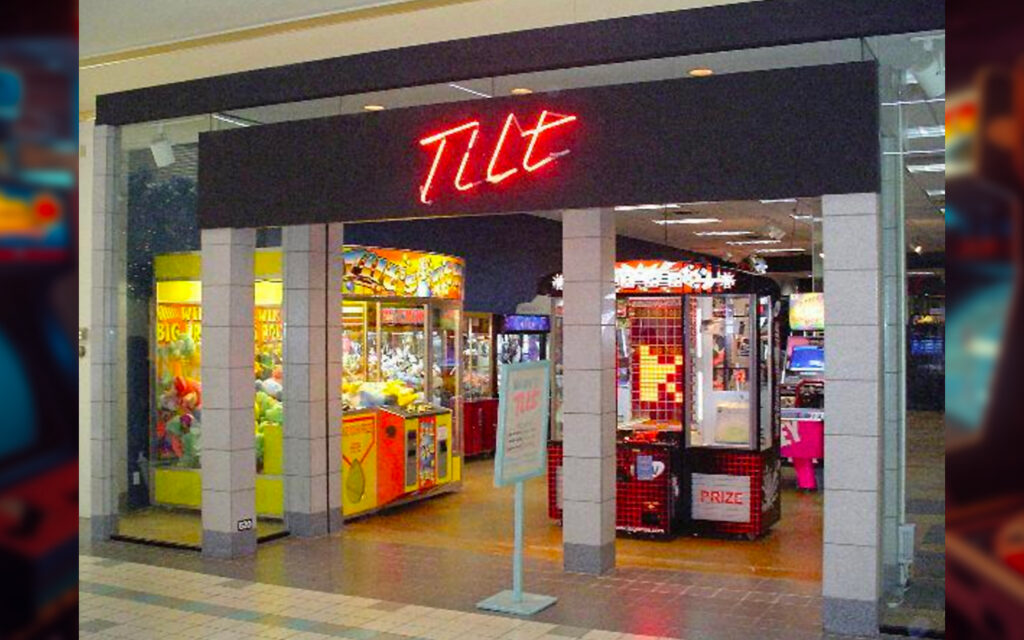
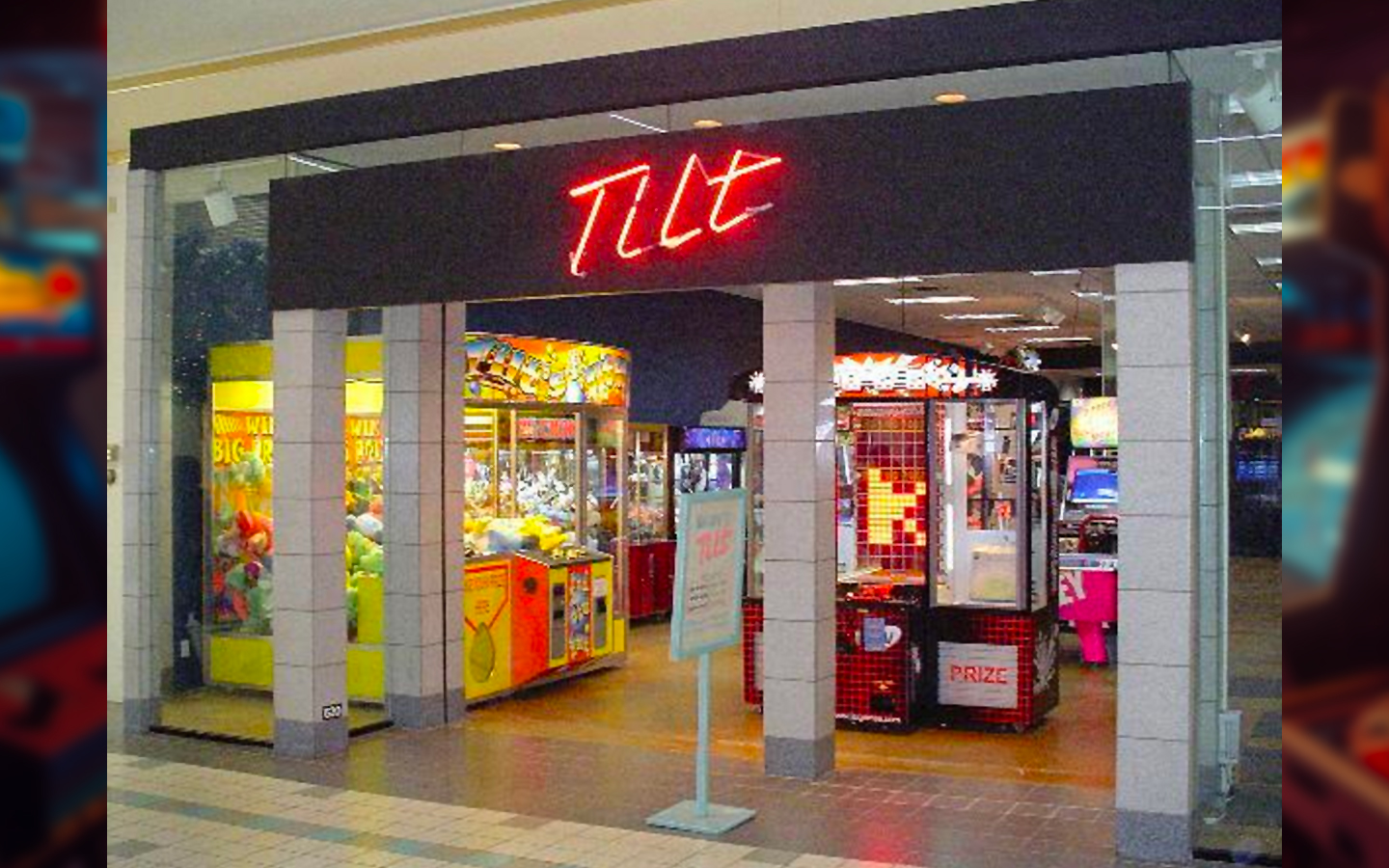
Tilt was everywhere. If your mall had an arcade, there’s a solid chance it was Tilt. Founded in 1972, it grew into a massive chain with hundreds of locations. A few still exist today under updated formats, but the original vibe? Nearly impossible to replicate.
Aladdin’s Castle
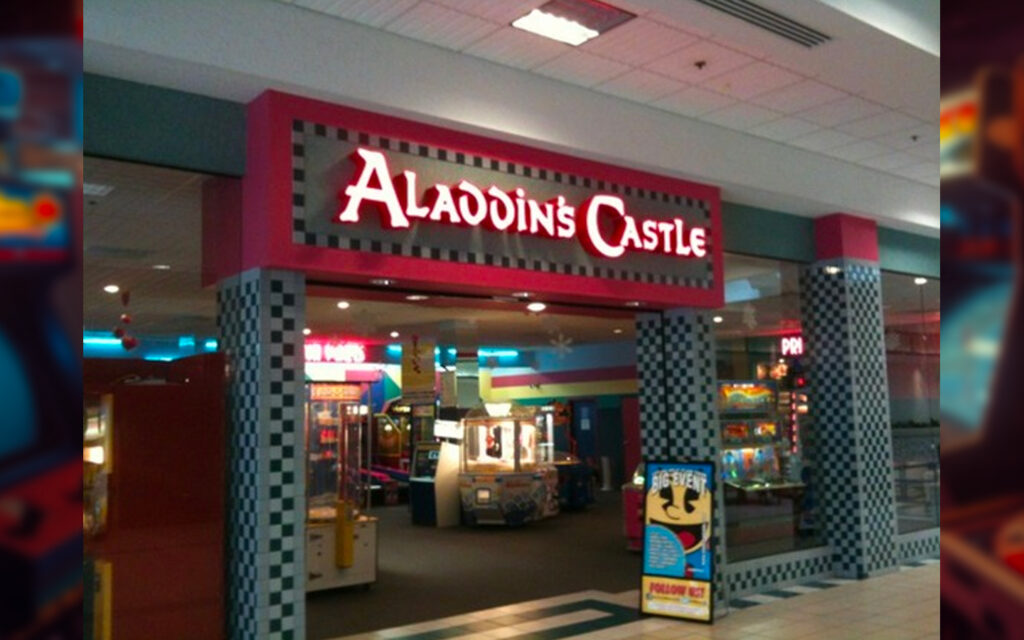
If you grew up in the ’80s, Aladdin’s Castle was basically sacred ground. At its peak, it had hundreds of mall locations across the U.S. Owned by Bally (yes, the pinball people), it expanded fast, and then faded just as quickly when arcades began to decline in the ’90s.
Time-Out Arcade
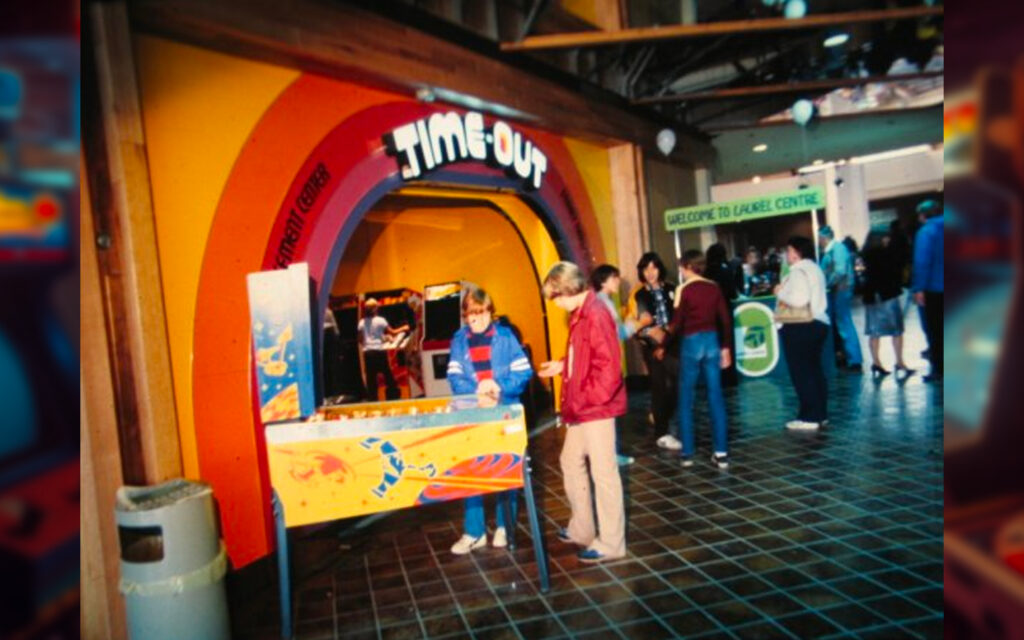
Time-Out had a very specific look—almost like walking into a glowing tunnel of games. Founded in 1970, it became especially popular on the East Coast. Sega eventually acquired it, but like many arcade chains, it struggled as home consoles took over.
Space Port Arcade
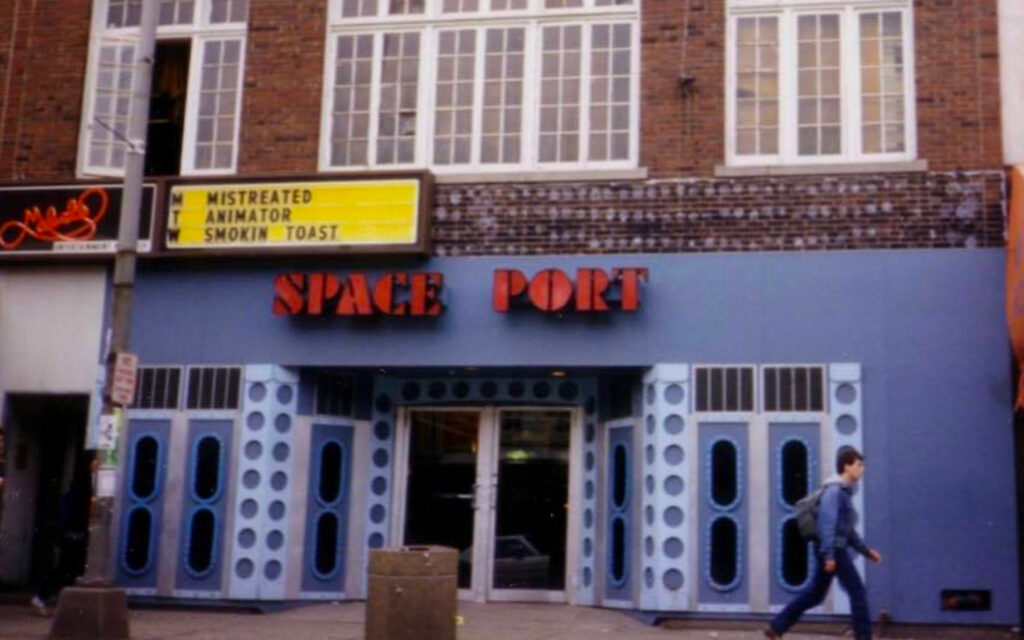
This one leaned all the way into the theme. Space Port arcades looked like literal spaceships, complete with sci-fi vibes and staff uniforms to match. It was one of the main competitors to the bigger chains, and honestly, probably the coolest-looking one.
Timezone
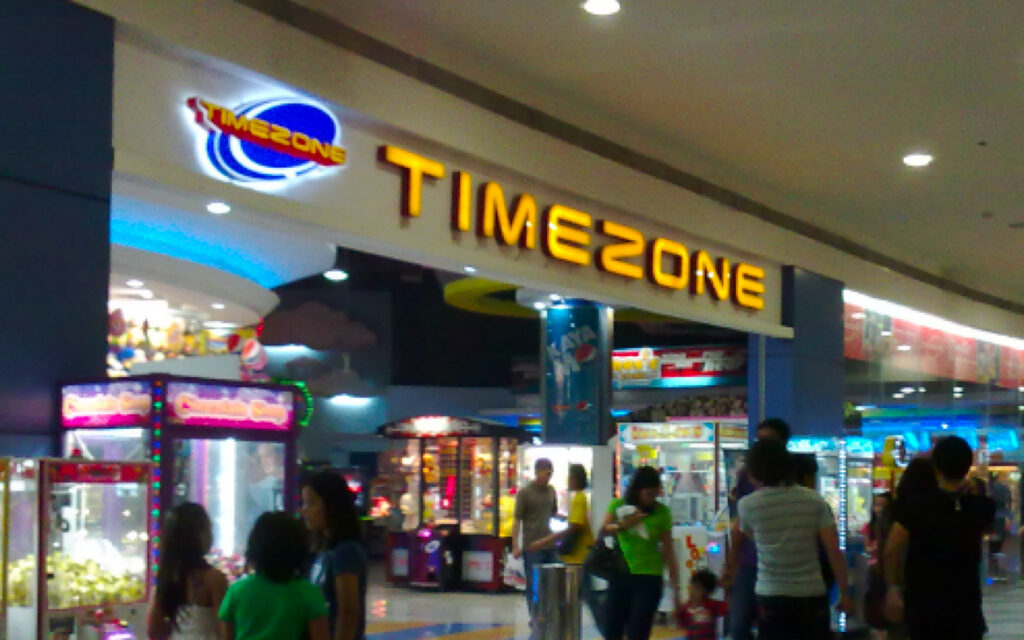
Unlike many others on this list, Timezone didn’t disappear. It started in Australia in 1978 and continues to operate internationally today. While it’s evolved into more of a modern entertainment center, it’s one of the few names that survived the arcade extinction event.
Station Break
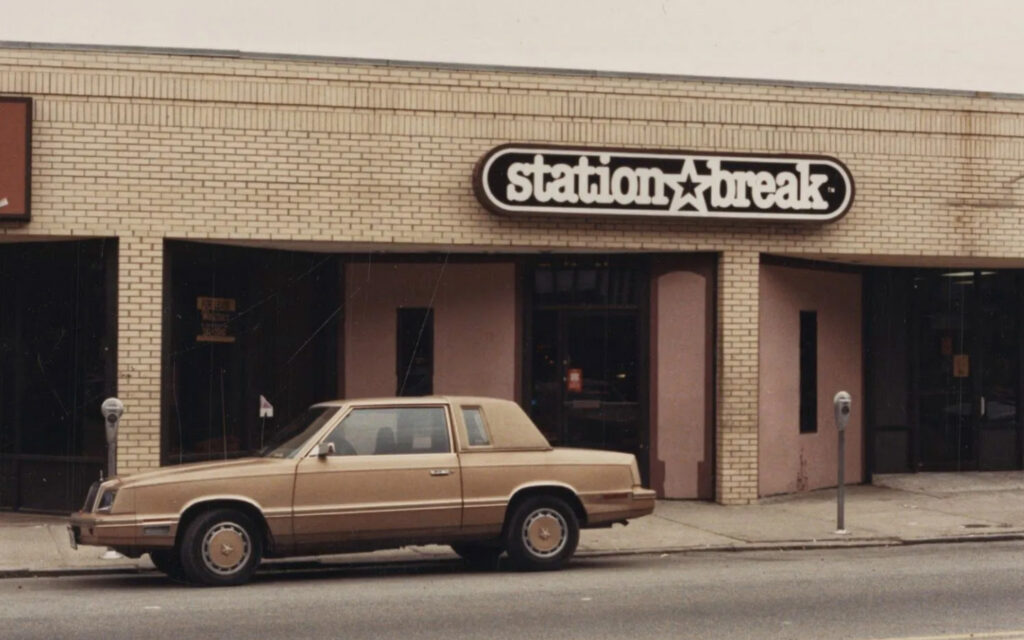
Station Break is a bit more mysterious—less documented, but definitely part of the arcade scene in the early ’80s. It showed up in malls across several states and even made appearances in the media at the time. If you remember it, you’re part of a very specific club.
Malibu Grand Prix
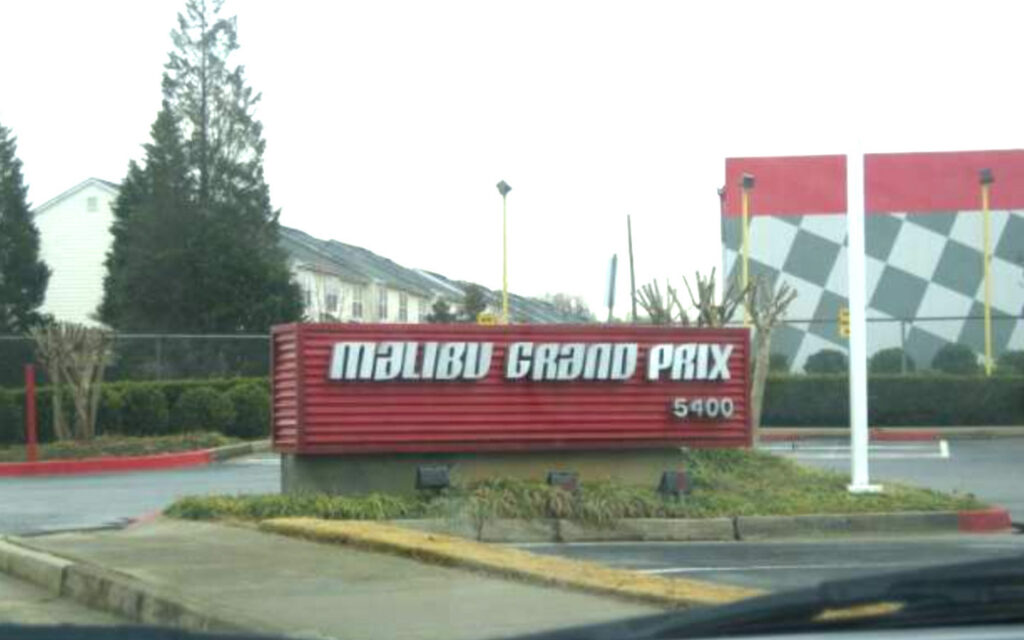
Not just an arcade—an experience. Malibu Grand Prix combined arcade games with go-karts, mini golf, and general chaos. First opened in 1975, it was basically the ultimate birthday party destination. Some locations (or successors) still exist today.
Gold Mine
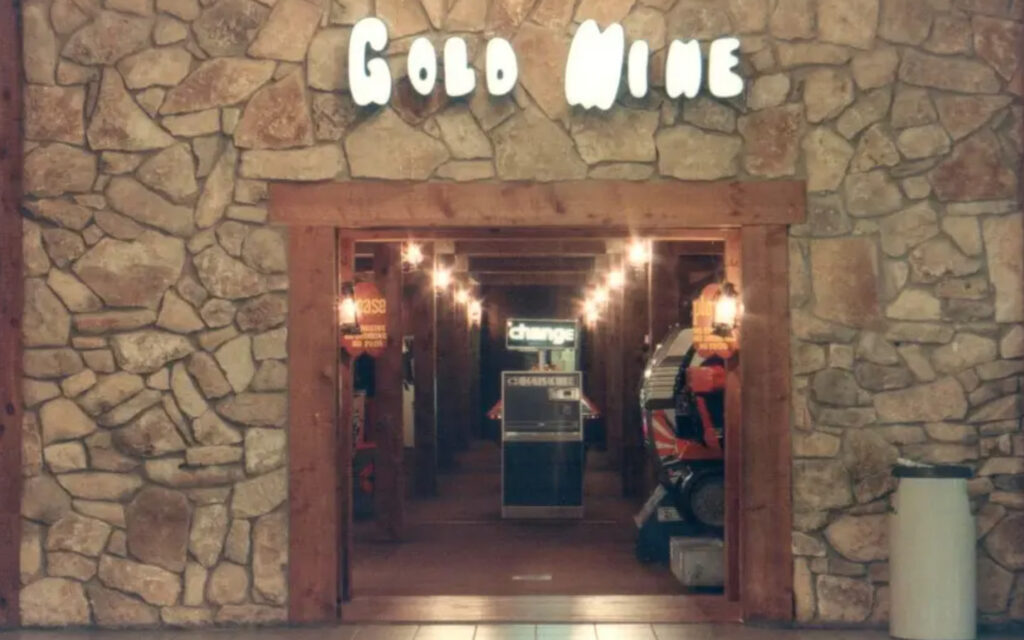
Gold Mine went all-in on its theme. Think mine shafts, wooden beams, and a slightly chaotic treasure-hunting vibe. It wasn’t as massive as some chains, but it had a strong presence in malls across several states.
Nickel City
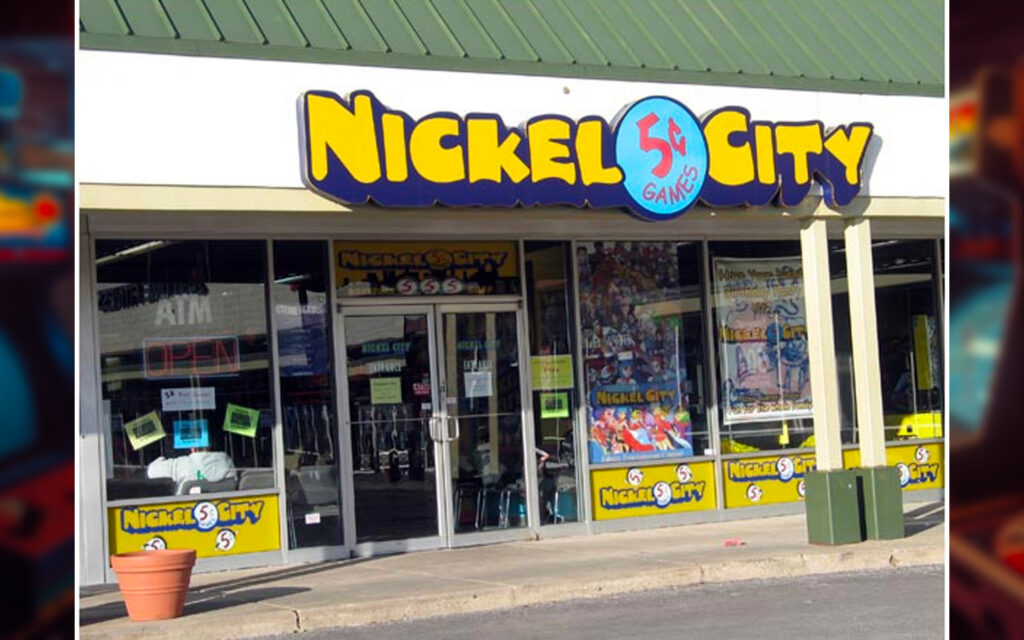
The concept was simple: cheap games, maximum fun. Originally built around the idea that games would cost just a nickel, Nickel City made arcades more accessible. It still exists in a limited capacity today, though, unsurprisingly, inflation has entered the chat.
Dream Machine
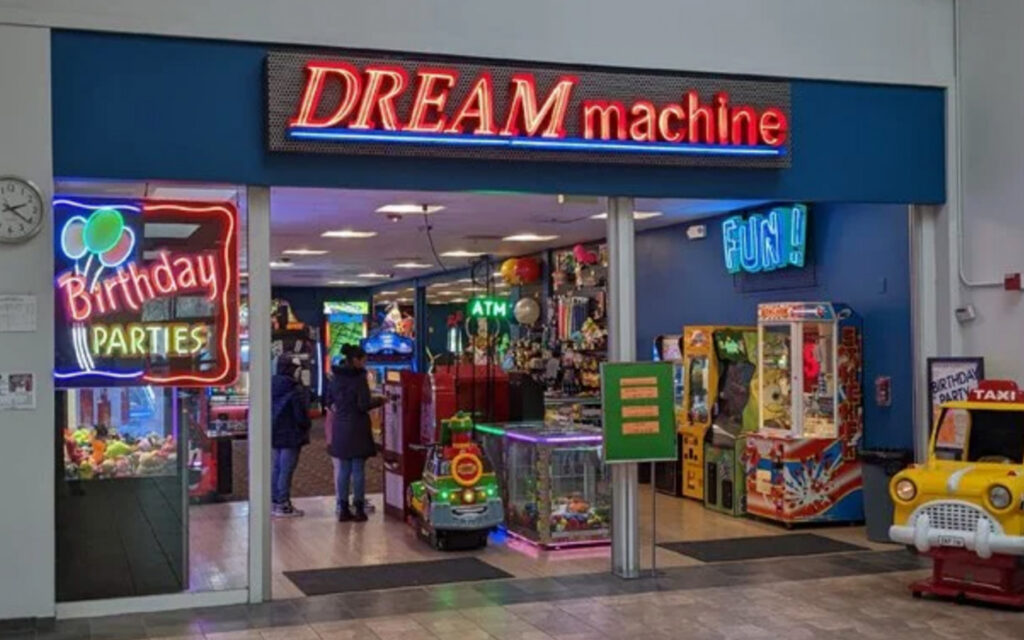
Bright colors, mirrored ceilings, and pure sensory overload. Dream Machine was especially popular in the Northeast and had a distinct aesthetic that made it instantly recognizable. It held on longer than many others, with some locations lasting into the 2000s.
Arcades may not dominate the way they used to, but the memories? Still undefeated. The sounds, the lights, the absolute heartbreak of losing your last quarter—it all hits a little different now.
Read More:
- If You Grew Up in the ’70s, These 30 Things Will Hit Home
- 17 Childhood Toys That Would Never Be Allowed Today
- 30 Throwback Moments Only ’80s Kids Will Understand