
Florida has long been the go-to destination for retirees chasing sunshine, tax breaks, and a slower pace of life. And yes—those perks are real. But so are the trade-offs.
Before you pack up and head to the Sunshine State, here are 10 things to understand about what life there is actually like.
Florida Is Very Tax-Friendly (But Not #1 for Everyone)

Florida has no state income tax, so there are no state taxes on Social Security, pensions, IRAs, or 401(k) withdrawals. It also has no estate or inheritance tax. That’s a major draw for retirees. However, Florida still relies heavily on sales taxes and property taxes, so your overall tax picture depends on how you spend and where you live.
Wildlife Is Part of Daily Life

Yes, there are alligators, but that’s just the start. Florida homeowners regularly deal with termites, ants, mosquitoes, and other pests. In some areas, invasive species like Burmese pythons pose a serious environmental issue (primarily in South Florida). It’s manageable, but it’s not exactly optional.
The Housing Market Is Complicated Right Now

Florida’s housing market has shifted in recent years. Inventory has increased in some areas, especially condos, but prices remain relatively high compared to pre-2020 levels. Rising insurance costs and HOA fees are also affecting affordability. Deals exist, but they’re highly location-dependent.
The Sunshine Comes With a Catch
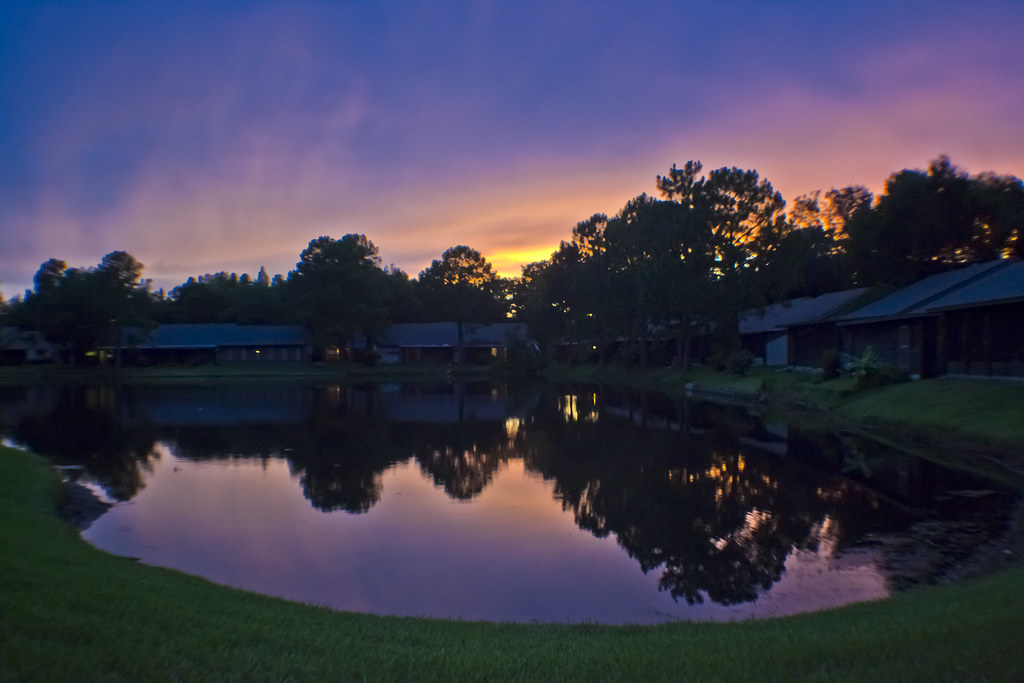
Florida averages well over 200 sunny days per year, but that doesn’t mean perfect weather. Heat and humidity can be intense, especially in summer, and UV exposure is a real concern year-round. Florida also consistently ranks among the top states for lightning strikes and skin cancer rates.
Tourism Is a Way of Life

Florida welcomed well over 130 million visitors annually in recent years. That means traffic, crowds, and seasonal price spikes, especially in coastal and tourist-heavy areas. The upside? Tourism supports a strong service economy and plenty of amenities.
Not Every Location Is Near the Beach

Florida looks beachy on a map, but geography matters. Cities like Orlando are centrally located, and reaching the coast can take an hour or more. If daily beach walks are part of your retirement dream, choose your location carefully.
The Population Keeps Growing

Florida remains one of the fastest-growing states, particularly among retirees. This growth brings new infrastructure, healthcare expansion, and housing, but also congestion, rising costs in some areas, and increased demand for services.
Insurance Costs Can Be High

This is one of the biggest surprises for newcomers. Homeowners insurance in Florida can be significantly more expensive than the national average, especially in hurricane-prone areas. Flood insurance is often separate and may be required depending on your location. Budgeting for this is essential.
Hurricane Season Is Real

Hurricane season runs from June through November, and even if a major storm doesn’t hit your area directly, you’ll likely deal with heavy rain, wind, and preparedness measures. Emergency planning—supplies, evacuation routes, and savings—is part of living here.
Fresh Seafood (Yes, It Lives Up to the Hype)

On the brighter side, Florida delivers when it comes to seafood. With access to both the Atlantic Ocean and the Gulf, fresh fish and shellfish are widely available, especially in coastal communities. If you love seafood, you’ll be very happy here.
It’s Not Just a Vacation—It’s a Lifestyle

Florida can be an incredible place to retire, but it’s not just beaches and sunshine. It’s heat, storms, tourists, wildlife, and rising costs in certain areas. The key is choosing the right location and setting realistic expectations. Do that, and Florida can absolutely live up to the dream.
Read More:
- How a Side Hustle Can Save Your Retirement
- Moving? These 10 States Are Surprisingly Affordable
- The 10 Most Common Ways People Underestimate Retirement Costs