
Movies ask viewers to accept a lot. Heroes walk away from explosions, villains survive falls that should end the story, and near-death scenes somehow lead to little more than a limp and a cool one-liner.
Part of the fun is suspension of disbelief, but some scenes push it far past the breaking point. These 15 movie moments are strong examples of survival scenes that look thrilling on screen and far less plausible in real life.
15. The Shawshank Redemption (1994)
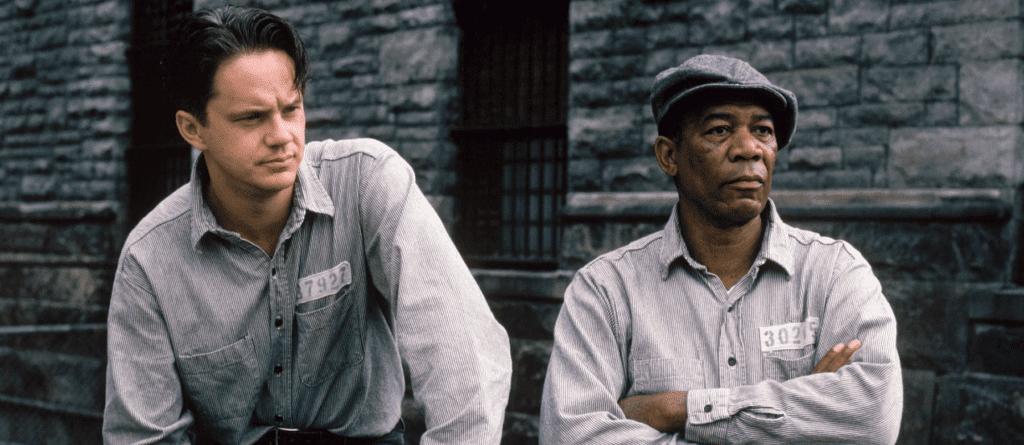
Andy’s sewer escape is unforgettable, but real sewage systems can contain hydrogen sulfide, a toxic gas OSHA warns can create life-threatening situations. Spending that long in a confined sewage passage would carry serious risk, even before you factor in infection and exhaustion.
14. The Dark Knight (2008)

Batman saves the Joker from hitting the ground, but the sudden stop creates its own problem. A long fall followed by a violent jerk from the leg would still put a body under catastrophic force, so this is not exactly a gentle rescue.
13. Twister (1996)
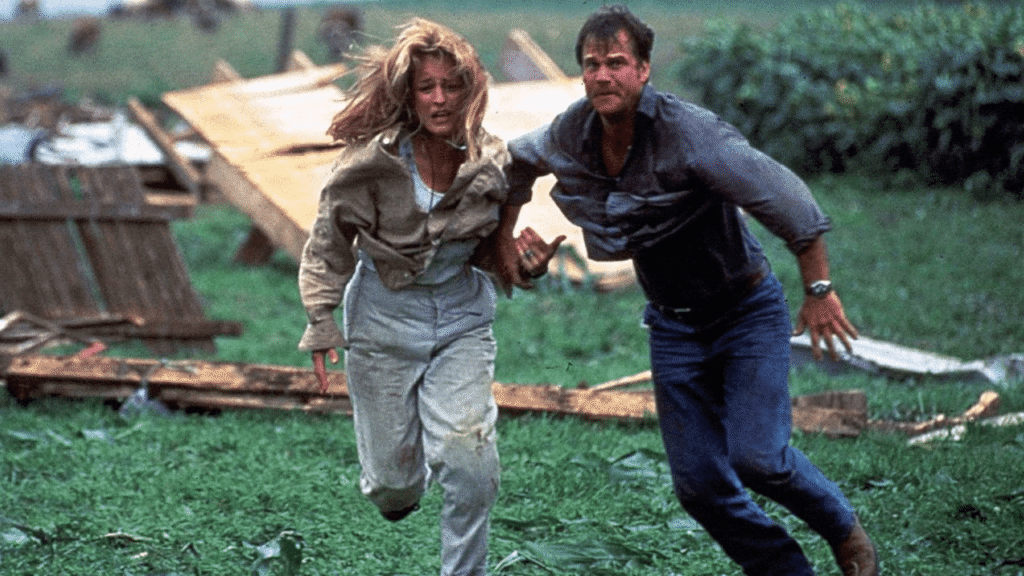
Hanging onto a pipe while a tornado tears through the area makes for a great image, but not a convincing survival plan. Winds strong enough to throw heavy objects would make it extremely hard for people to hold a position out in the open.
12. GoldenEye (1995)

Alec Trevelyan’s fall is the sort of scene Bond movies love. A drop from that height onto a hard surface would almost certainly be fatal, no matter how determined or villainous the person happened to be.
11. Spider-Man (2002)
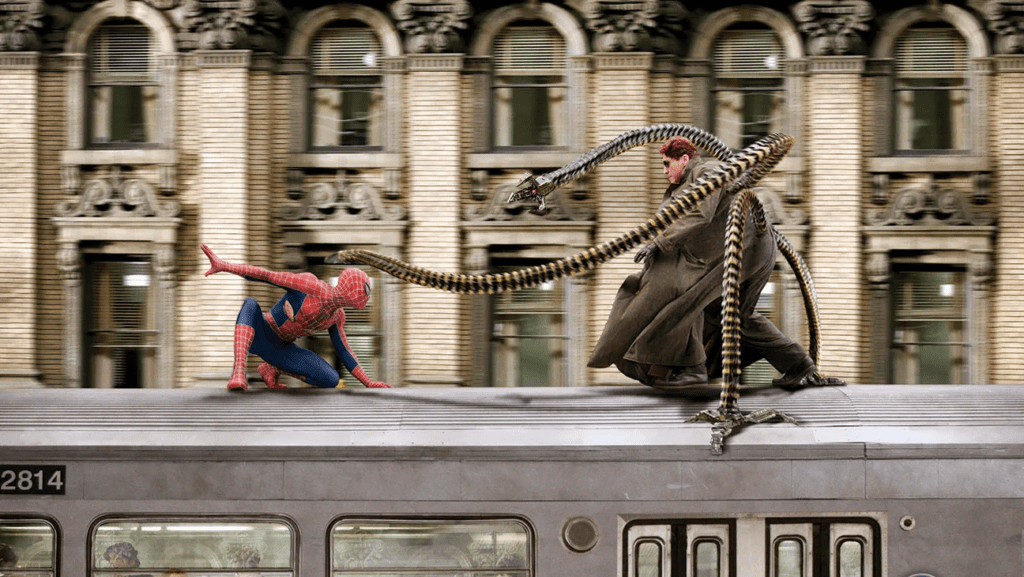
Mary Jane, grabbing the side of the tram after a long fall, looks dramatic, but the physics are brutal. A sudden stop after a high-speed fall would put enormous force on the arms and shoulders, making a clean save very unlikely.
10. Iron Man 3 (2013)
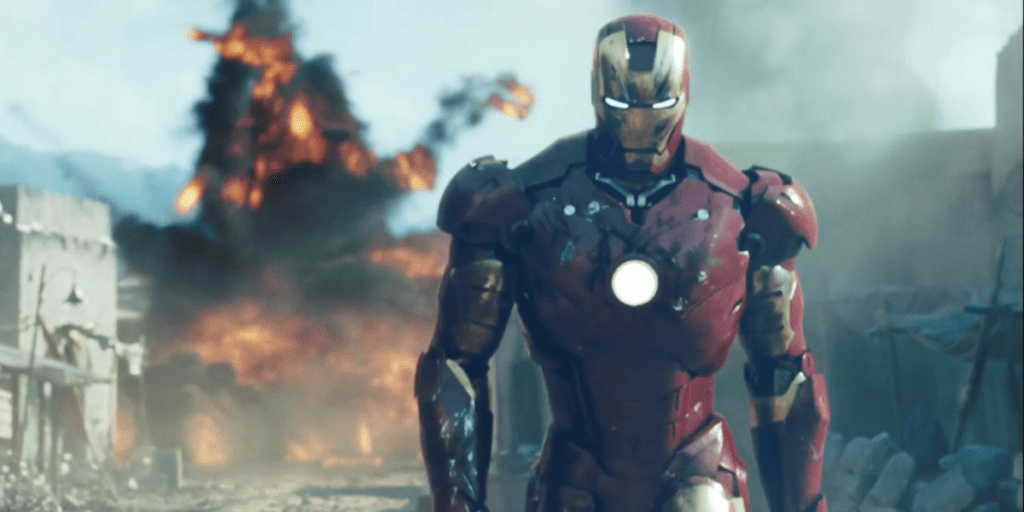
Being thrown back by a missile blast and walking away with minor cuts is classic movie logic. Real blast injuries can include internal trauma, lung damage, and brain injury, even when the outside looks less severe.
9. Dante’s Peak (1997)

Trying to outrun a pyroclastic flow in a car is a strong example of cinema choosing excitement over geology. The USGS says pyroclastic flows can travel faster than 50 miles per hour and reach temperatures of roughly 390 to 1,300 degrees Fahrenheit, making them among the deadliest volcanic hazards.
8. Raiders of the Lost Ark (1981)

Indiana Jones, clinging to a submarine for a long ocean trip, is adventurous in the way only Indiana Jones can be. Cold-water exposure alone can become life-threatening quickly, and the rest of the scenario does not exactly improve his odds.
7. Interstellar (2014)
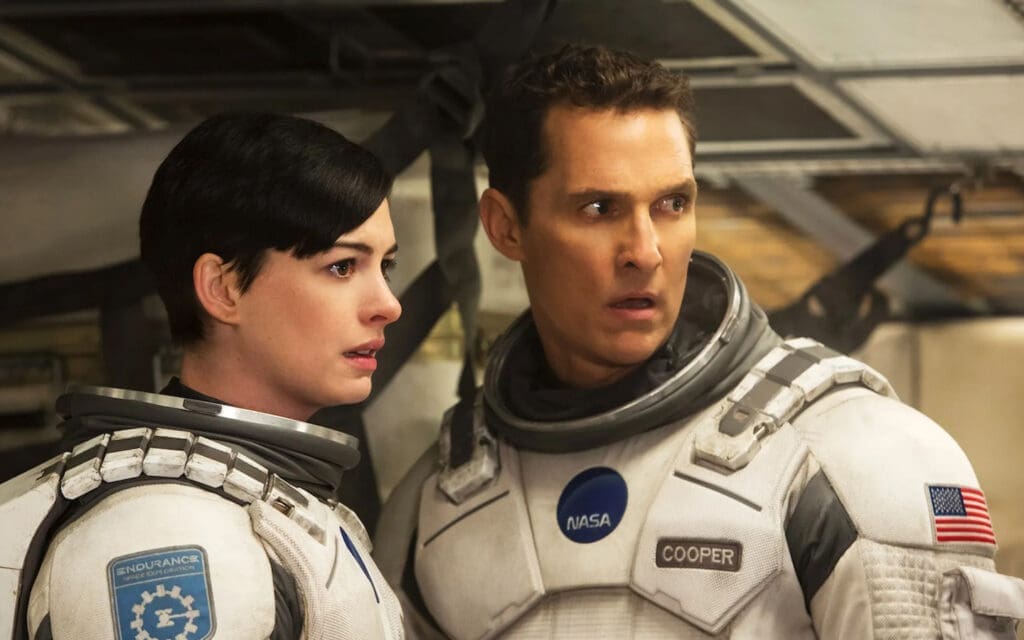
This one is trickier because Interstellar worked with scientific advisors and aimed for more realism than most sci-fi films. Even so, a planet orbiting close to a black hole raises obvious concerns about extreme gravity and possible radiation exposure. So, while the scene works emotionally, it makes a lot less sense scientifically.
6. War of the Worlds (2005)

Robbie charging into a blazing alien war zone and later reappearing unharmed is one of the film’s bigger stretches. Once a scene is framed as total chaos with explosions and no cover, viewers tend to expect consequences a little more serious than a dusty reunion.
5. Transformers (2007)
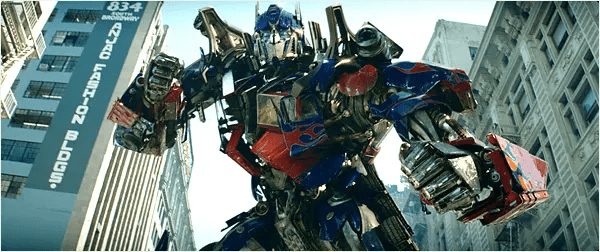
Optimus Prime trying to soften a fall with his metal foot is generous, but not especially helpful. Hitting metal on the way down is still hitting metal, and the body would not treat it as a pillow just because the robot meant well.
4. Jurassic World (2015)

Claire running from a T. rex in high heels is one of those scenes people remember because it feels ridiculous on sight. Speed estimates for T. rex vary widely, with some researchers arguing it may have moved much more slowly than old pop-culture versions suggested. It still does not make the chase look realistic.
3. Mad Max: Fury Road (2015)

Max spending extended time strapped up as a human blood bag is hard to square with basic survival limits. Severe blood loss becomes life-threatening fast, so this is the kind of setup that works better as visual shorthand than medical possibility.
2. Back to the Future (1985)
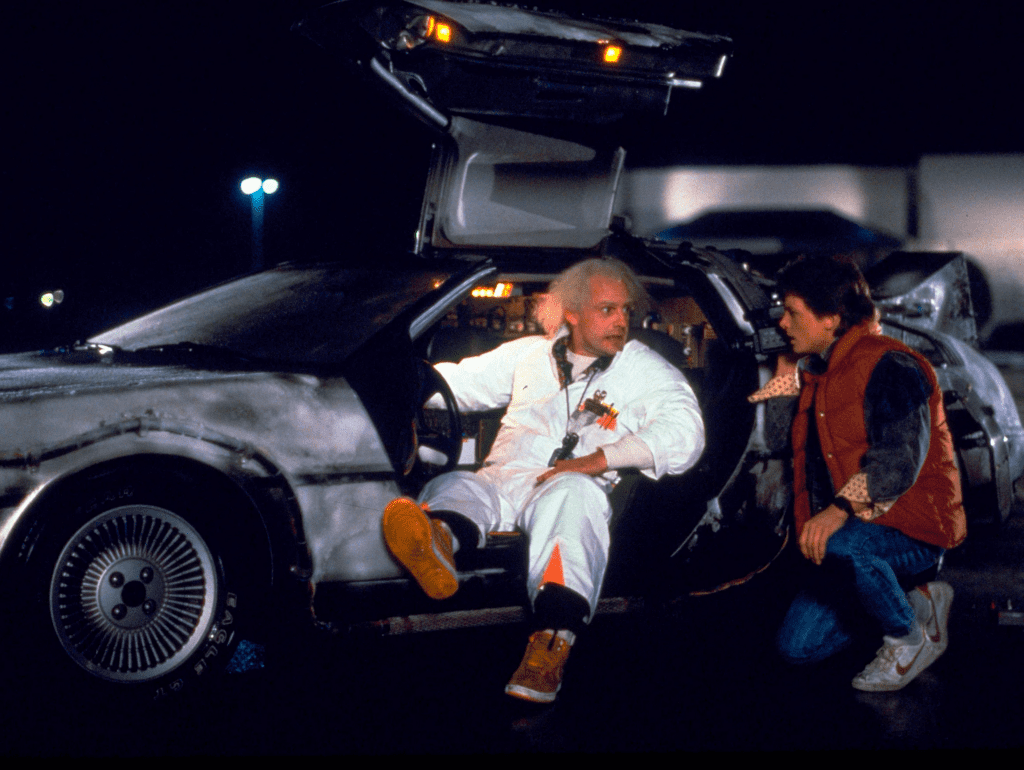
Marty’s giant amp experiment is funny because it treats sound like a cartoon explosion. Real sound at levels high enough to launch someone backward would also be dangerously destructive. The scene is better enjoyed as an opening gag than a physics lesson.
1. Superman (1978–1987 series)
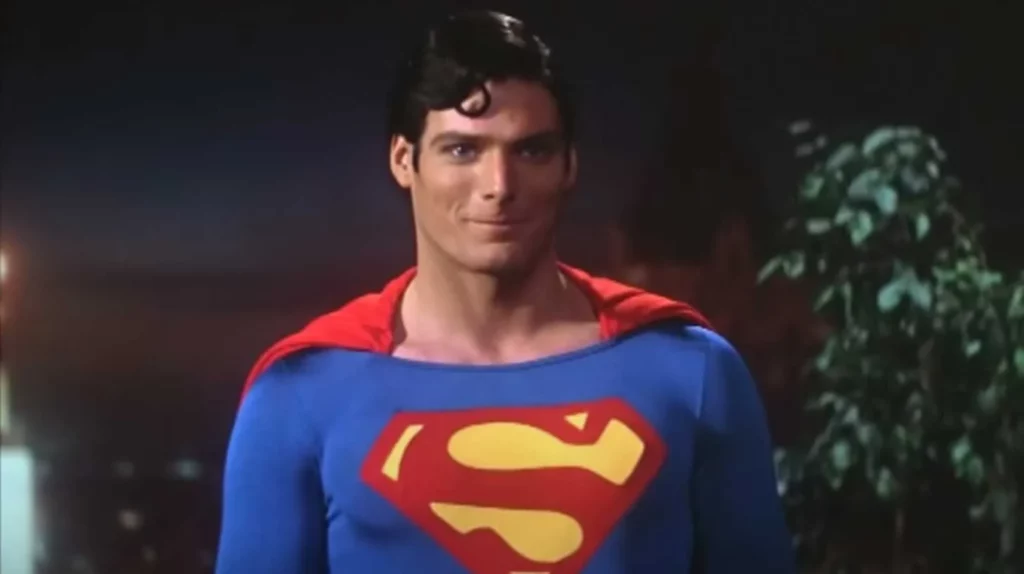
Catching Lois Lane mid-fall feels romantic in superhero terms, but a sudden stop at that speed would still put huge stress on the body. A real rescue would need gradual deceleration, not a dramatic midair grab.
Movie survival often works on timing, charisma, and audience goodwill more than real-world odds. That is probably for the best, since half these characters would not make it to the credits otherwise.
Read More:
- The Strangest Cryptids and Legendary Creatures Ever Reported
- The 10 Dumbest Things People Waste Money on (That They Think Are Smart)
- 10 Myths You Probably Learned as a Kid—Debunked