

Tipping is a deeply ingrained practice in the United States, often seen as a gesture of gratitude. However, the history behind this custom reveals a much darker narrative. Originating in medieval Europe, tipping was initially a token of appreciation for good service. Yet, as it crossed the Atlantic in the 19th century, it evolved into something far more complex and troubling.
In America, tipping became a tool for employers to avoid paying fair wages, especially impacting marginalized groups. This practice has sparked debates about fairness and equality, revealing its unsettling origins. Here are 10 dark truths about the origins of tipping culture.
10. Imported Sophistication with a Twist

Tipping was introduced to America by wealthy travelers returning from Europe. They saw it as a mark of sophistication and refinement.
However, in the U.S., it quickly transformed into a mechanism that allowed employers to underpay workers, shifting the wage burden onto customers.
9. Post-Civil War Exploitation
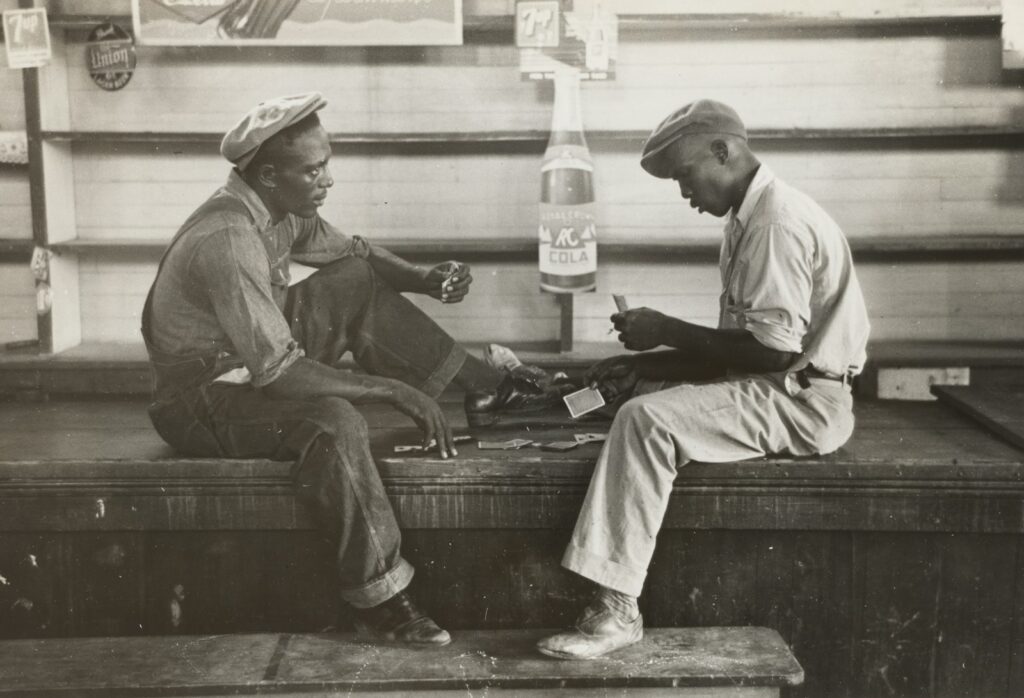
After the Civil War, tipping became a way to exploit newly freed African American workers. Employers hired them for low wages, expecting tips to cover the rest.
This practice mirrored the dynamics of servitude, where workers relied heavily on the generosity of patrons for survival.
8. The Pullman Porters’ Predicament

Pullman Company porters, many of whom were African American, were paid minimal wages and relied on tips for their livelihood.
This system perpetuated economic disparities, as these workers had to depend on the benevolence of white passengers for financial stability.
7. Tipping as a Controversial Norm

By the late 19th century, tipping was widespread but contentious. Critics argued it created an undemocratic system where workers had to appease customers for basic income.
Despite attempts to ban it in several states, the practice persisted, cementing its place in American culture.
6. The Exclusion from Minimum Wage

When the federal minimum wage was introduced in 1938, tipped workers were largely excluded, leaving them vulnerable to low earnings.
Even today, the subminimum wage for tipped workers remains a contentious issue, with many earning far less than the standard minimum.
5. Locked in at $2.13

Since 1991, the tipped minimum wage has been stagnant at $2.13 per hour, forcing workers to depend heavily on tips for their income.
This outdated wage structure highlights the ongoing struggle for fair compensation in the service industry.
4. Enforcement Gaps

While laws require employers to cover the gap if tips don’t meet the minimum wage, enforcement is often lax, leaving workers at risk.
This lack of oversight means many service workers continue to struggle with financial insecurity.
3. Racial Inequities Persist
The tipping system continues to disproportionately affect Black workers, who often occupy lower-paying service roles and receive fewer tips.
This inequality underscores the racialized roots of tipping, perpetuating economic disparities along racial lines.
2. The Pandemic’s Impact

The COVID-19 pandemic exacerbated tipping disparities, with many workers seeing their tips—and thus their incomes—dwindle.
This situation highlighted the precariousness of relying on tips as a primary source of income.
1. The Fight for Fair Wages

Despite the challenges, there is a growing movement to eliminate tipping in favor of fair wages, with some states leading the charge.
Efforts to raise wages for tipped workers reflect a push towards a more equitable system that values all workers’ contributions.
Read More:
- 10 Unexpected Origins of Popular American Foods
- 20 Travel Hacks That Stretch Every Vacation Dollar
- 10 Foods That Were Once Luxury Items