
Today, finding an answer usually takes just a few seconds. Whether you’re looking up a recipe, settling a trivia debate, or finding directions, search engines have made information almost instant. But before Google launched in 1998, and before search engines became part of everyday life, finding even simple information often required a lot more effort.
From library visits to phone books, everyday life involved plenty of detective work. Here are 10 things you had to do before Google existed.
10. Visit the Library for Answers

If you needed reliable information, the library was often your first stop.
Reference books, encyclopedias, atlases, and librarians helped answer questions that today would take just a few keystrokes.
9. Use the Yellow Pages

Looking for a plumber, pizza restaurant, or local hardware store?
You reached for the Yellow Pages, the business directory that arrived on nearly every doorstep each year. Finding a phone number meant flipping through hundreds of thin paper pages.
8. Settle Arguments Later

Family debates and friendly disagreements often stayed unresolved until someone could look up the answer.
Whether it was a movie quote, sports statistic, or historical fact, people usually relied on memory—or agreed to check later.
7. Ask Someone Who Knew

Before online tutorials and forums, expertise came from real people.
Neighbors, teachers, coworkers, relatives, and local shop owners were often the best sources for advice on everything from home repairs to cooking.
6. Buy Road Maps Before a Trip
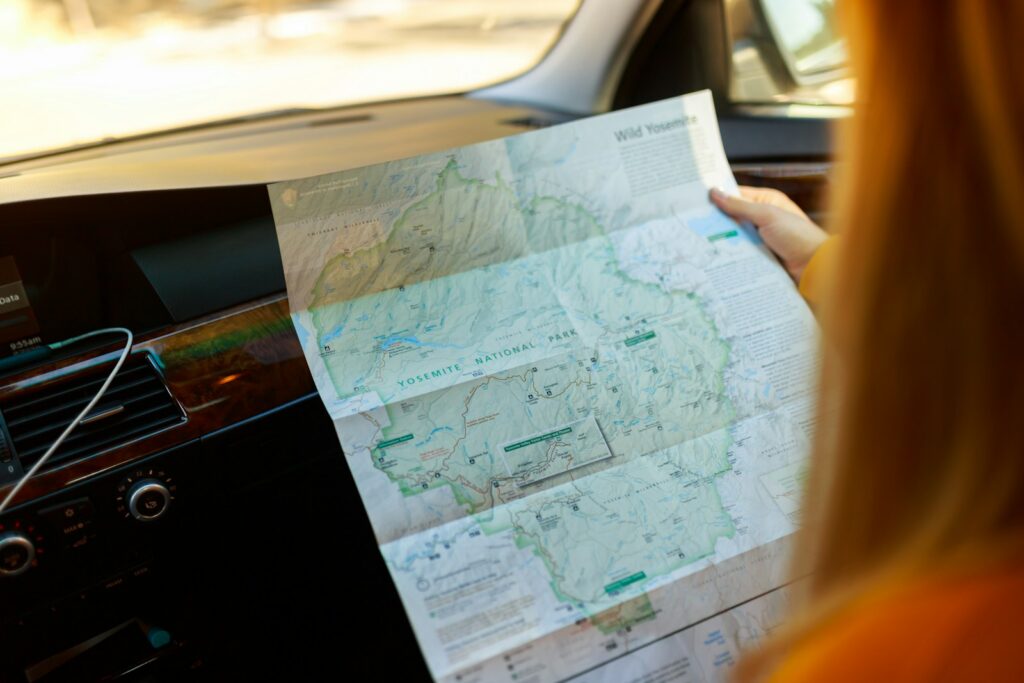
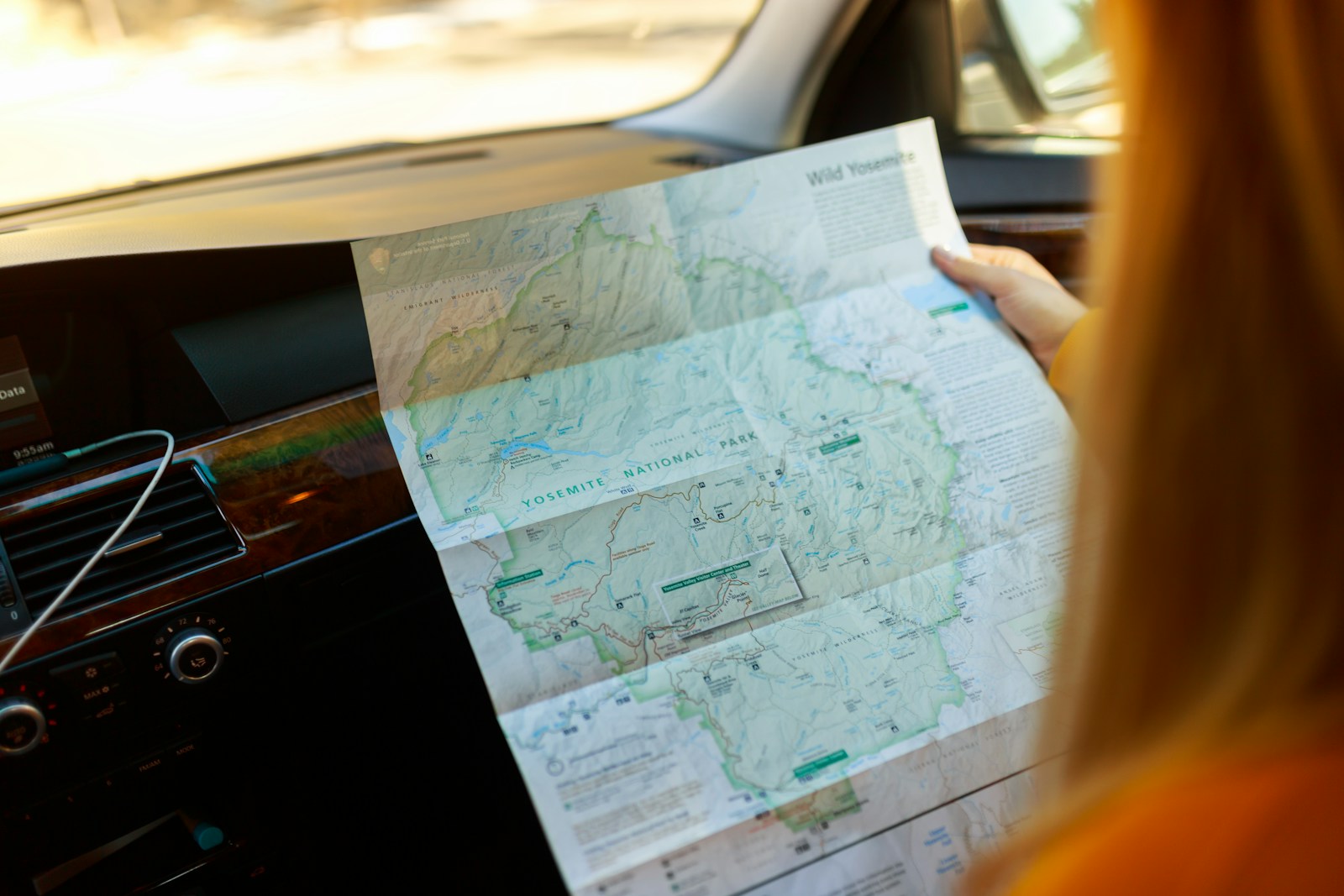
Travel usually meant unfolding a paper map or planning your route with a road atlas.
Many drivers highlighted routes ahead of time, while passengers often took on the job of navigating during the trip.
5. Call Businesses for Basic Information

Need to know a store’s hours or whether a restaurant took reservations?
You picked up the phone and asked. Without websites or online listings, a quick call was often the only way to get current information.
4. Browse Store Shelves Instead of Reading Reviews

Shopping often involved seeing products for the first time in person.
Without customer reviews, comparison websites, or unboxing videos, many purchasing decisions were based on packaging, magazine reviews, recommendations from friends, or advice from salespeople.
3. Look Things Up in Encyclopedias

Many families owned multi-volume encyclopedia sets that filled entire bookshelves.
When homework questions came up, students often searched alphabetically through dozens of heavy books instead of opening a web browser.
2. Memorize Important Phone Numbers

Long before smartphones stored every contact automatically, people often memorized the phone numbers they used most.
Friends’ homes, relatives, work, and emergency contacts frequently lived in memory—or inside a well-worn address book kept near the telephone.
1. Accept That You Didn’t Know Everything

Perhaps the biggest difference wasn’t how people searched for information—it was how they lived without immediate answers.
Questions sometimes remained unanswered for hours, days, or even longer. Instead of expecting instant information, people grew comfortable with uncertainty and often enjoyed discovering the answer when the opportunity finally came.
Read More:
- 10 After-School Habits Kids No Longer Have
- Remember This? 10 Facts About Dating Before the Internet
- 10 Ways Teenagers Socialized Before the Internet